 English
  Spanish
  Portuguese
  German
  Italian
  Japanese
  French
  Polish
  Russian
  Netherlands
  Hungarian
  Turkish
  Videos
  Thedink Pickleball

Getting caught with a ball behind you in pickleball doesn't have to mean losing the point. Richard Livornese breaks down exactly how to handle this tricky situation at both the baseline and the net.
Getting caught with a ball behind you is one of the most frustrating moments in pickleball.
- Your positioning feels off
- Your timing gets thrown out the window
- Suddenly you're scrambling just to keep the ball in play
But here's the thing: handling balls that land behind you doesn't have to be a panic moment. It's actually a learnable skill that separates players who stay aggressive from those who fold under pressure.
APP pro Richard Livornese recently broke down exactly how to manage this situation in a comprehensive video that covers both baseline and net play. The strategies he outlines aren't complicated, but they require understanding the right decision-making process and committing to the right shot selection.
Love pickleball? Then you'll love our free newsletter. We send the latest news, tips, and highlights for free each week.
Why Does Getting Caught Behind Happen So Often?
Before we talk solutions, let's understand the problem. Balls getting behind you typically happen in two ways.
- The first is poor positioning. You creep forward after serving, the return comes in deep, and suddenly you're backing up trying to hit a ball that's already past your ideal contact point.
- The second is a well-placed misdirection shot from your opponent, especially at the net where they roll a few dinks wide before hitting one down the middle when you're already committed to reaching.
The real issue isn't that these situations happen. They happen to everyone, including pros. The issue is what you do when they do.
The Baseline Solution: Two Shots That Actually Work
When you're stuck at the baseline with a ball behind you, most players make the same mistake. They try to hit a perfect roll drop or a crisp drive off their back foot. This almost never works. The timing is too tight, the margin for error is too small, and you end up either hitting it out or giving your opponent an easy put-away.
Instead, Richard recommends two defensive options: the mush drive and the slice.
The Mush Drive: Your New Best Friend
The mush drive is exactly what it sounds like. You're not swinging. You're pushing.
When the ball gets on you quick, you want to hit what Richard calls a "50 to 30 to 50% drive" (basically a slow, controlled push) that keeps the ball low to the net at your opponent's waist. The goal isn't to win the point. The goal is to buy yourself time to reset and get back into position.
Here's why this works: your opponent might hit a good volley on the next ball, but you'll have the time to set up and prepare to come in. You're essentially trading a perfect shot for a recovery opportunity. The margin is huge because you're not trying to be precise. You're just trying to keep the ball in play and get your weight moving forward.
The technique is simple.
- Lock your wrist.
- Push the paddle.
- Aim about six inches above the net.
That's it. Even if your opponent hits it hard, they won't be able to put it away because you've taken so much pace off the ball.
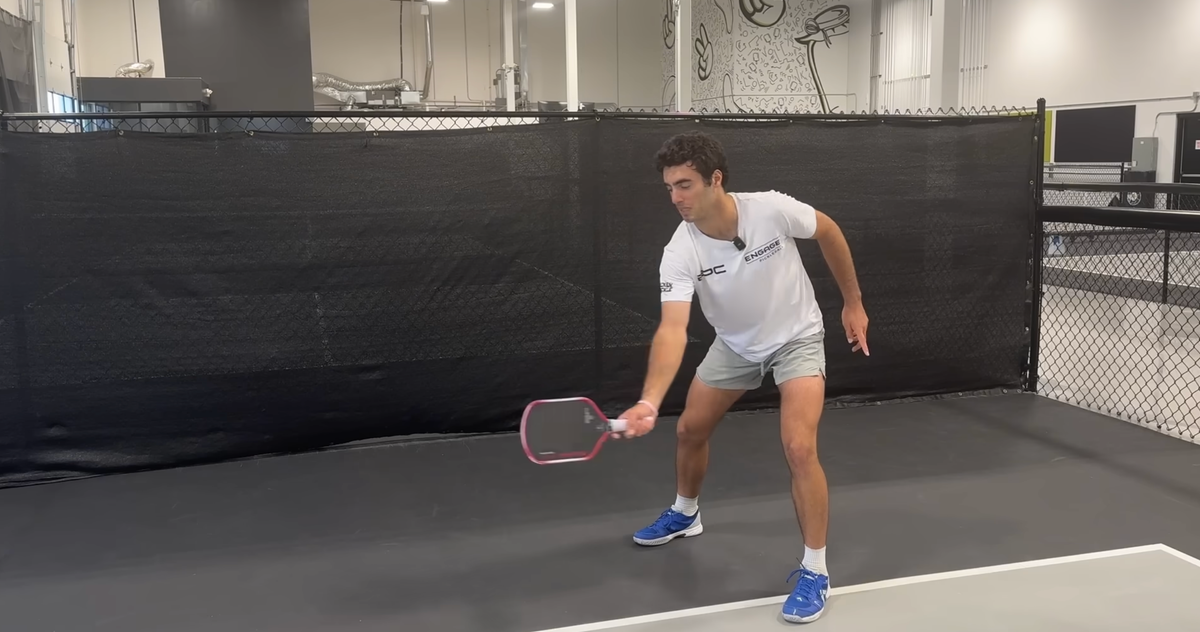
Master the Push Drop: The Simplest Pickleball Shot the Pros Use to Dominate
In a sport where everyone’s trying to hit harder, spin more, and execute increasingly complex shots, the push drop is a reminder that consistency and positioning often beat flash.
 The Dink PickleballThe Dink Media Team
The Slice: When You Need More Margin
The second option is the slice or push, which is even more defensive. You open up the paddle face and float the ball back with tons of height. You're not coming in on this ball. You're staying back and creating space.
The key difference between the mush drive and the slice is recovery time.
If you're worried about your opponent dropping the ball short after you hit it back, the slice gives you more time to react because you're already backing up. The mush drive is faster, which means less time to react to a drop shot. But the mush drive has a larger margin because you don't have to worry about the kitchen line or hitting it too hard.
Which one should you use? If you're a beginner, start with the slice. If you're more advanced, the mush drive is probably more effective because the margin is actually larger and you can repeat it over and over until you get a short ball.
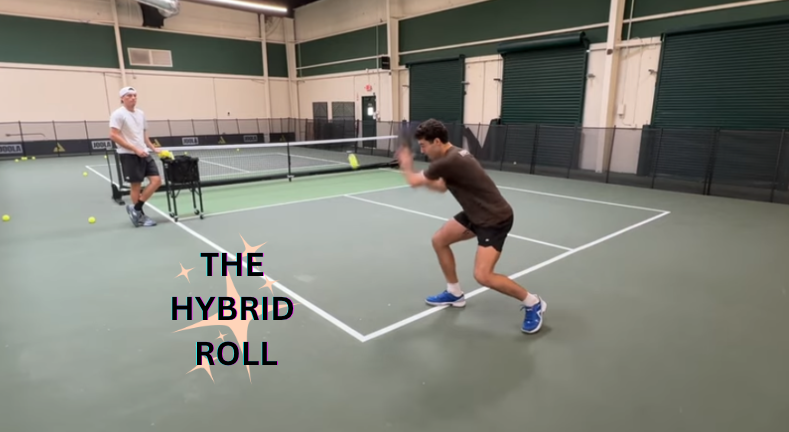
Master the Hybrid Roll: Advanced Third-Shot Drop
Having this shot in your arsenal is typically worth three points per game, a massive advantage when you’re playing to 11
 The Dink PickleballThe Dink Media Team
The Net Play Solution: The Short Hop
Now let's talk about what happens when a ball gets behind you at the kitchen line. This is where the short hop comes in, and it's a completely different technique.
The short hop is a blocking shot, not a swing. When the ball gets behind you at the net, you're going to hinge your wrist. On the backhand, you hinge backward. On the forehand, you hinge forward. This allows you to move the paddle behind you while keeping the paddle face open.
If you don't hinge, the ball goes straight into the ground. If you do hinge, the paddle face opens and you can actually get the ball over the net even when it's behind you.
💡
Need some new pickleball gear? Get 20% off select paddles, shoes, and more with code THEDINK at Midwest Racquet Sports
The Technique Breakdown
Get really low.
- As the ball bounces, let the ball's pace carry it over the net.
- You're never swinging on this shot. You're blocking on both sides.
- If it's a soft shot, you might push a little bit, but you're never swinging through.
The placement of the short hop is critical. You want to aim toward the middle of the court, not the lines.
Richard explains that going too wide or too straight is dangerous. The safest spot is between your opponent's inside feet foot. If you're very precise, aim at the left foot. The most dangerous spot is dead in the middle because a good opponent can come over and attack it.
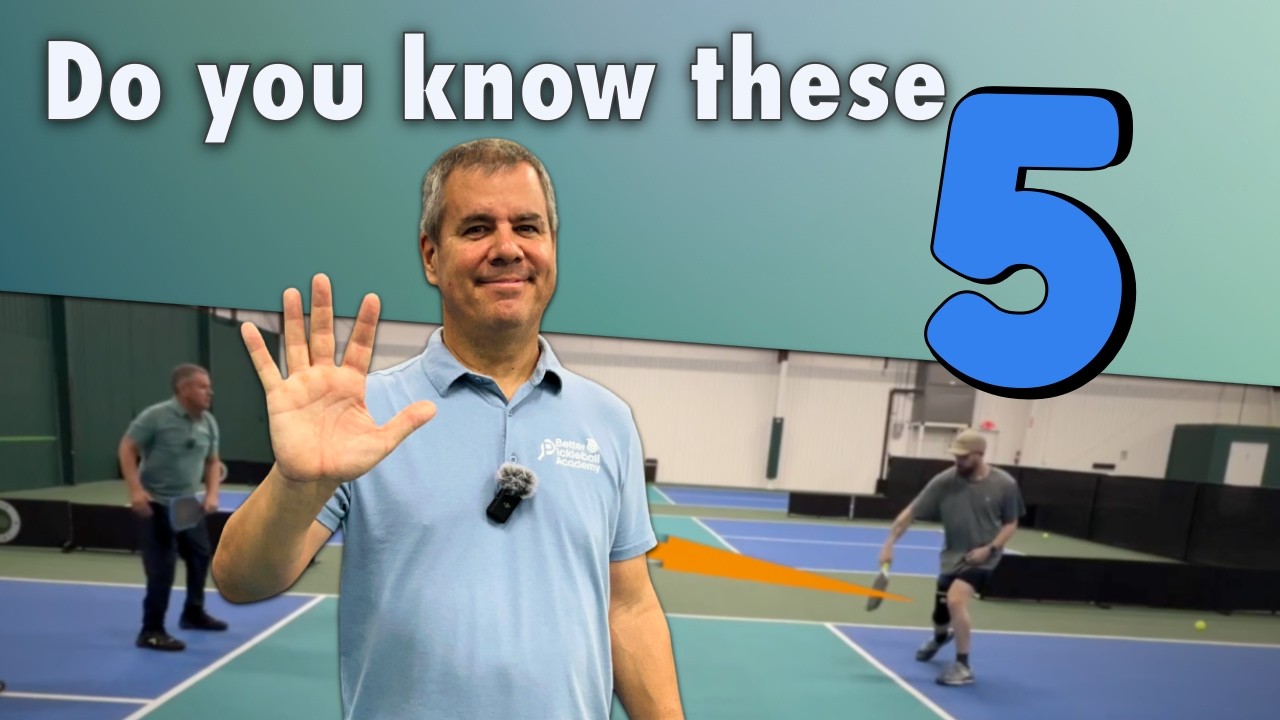
Pickleball Pull Attack: 5 Factors to Master
A pickleball pull attack can be a game-changer, but only when you understand the five factors that determine success. Coach Tony Roig breaks down exactly when you should initiate an aggressive attack and when patience pays off.
 The Dink PickleballThe Dink Media Team
What Comes After the Short Hop
Here's where most players mess up. They hit a good short hop and then make the same mistake again on the next ball. After you short hop that first ball, you need to make a decision: reach in or pivot.
- If the short hop is really good and your opponent can't attack it, reach in so they can't get another ball behind you.
- If the short hop floats a little bit, pivot and create a wall so the ball can't get behind you again.
Either way, don't let them hit two balls in a row behind you. That's when you really get in trouble.
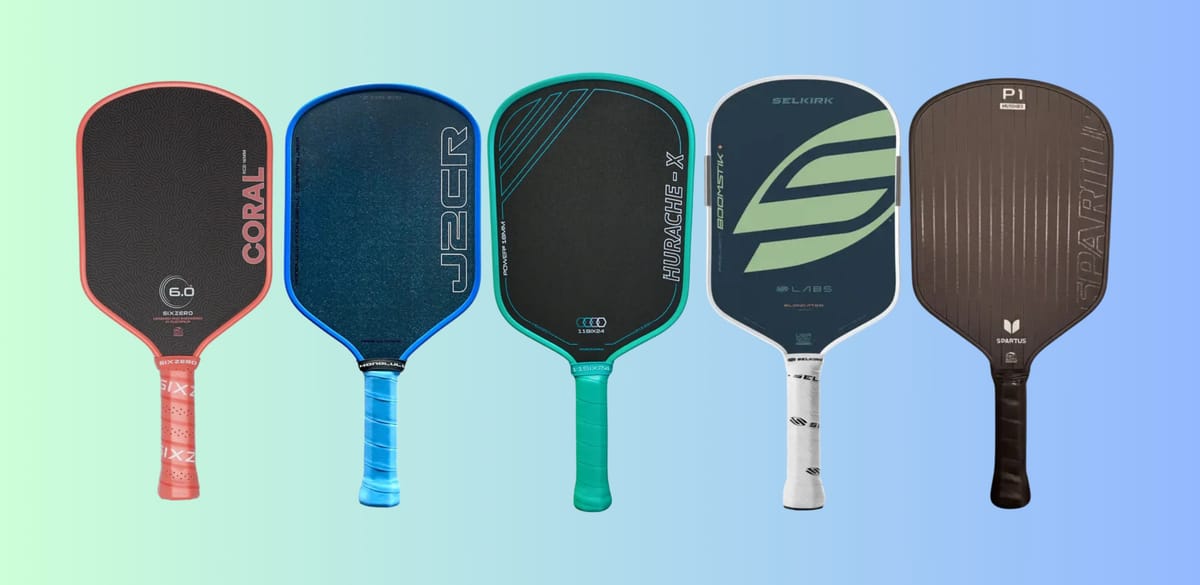
Pickleball Paddle Grit: 5 Durable Paddle Picks
Traditionally, a paddle’s surface grit is the first thing to wear out. Until now. A slew of top brands have entered the market with longer-lasting grit technology. Here are 5 of the best.
 The Dink PickleballThe Dink Media Team
The Bigger Picture
Handling balls behind you is one of those skills that separates recreational players from competitive ones. It's not flashy. It's not exciting. But it's incredibly practical and it shows up in almost every match.
If you're struggling with these situations, focus on the baseline play first. That's where most players lose points. Once you get comfortable with the mush drive and the slice, move to the net and work on your short hop. The technique is learnable. The decision-making is learnable. All it takes is understanding what you're trying to do and committing to it.
Heads up: hundreds of thousands of pickleballers read our free newsletter. Subscribe here for cutting edge strategy, insider news, pro analysis, the latest product innovations and more.
Frequently Asked Questions
What's the difference between a mush drive and a slice?
The mush drive is a slow, controlled push that keeps the ball low to the net. The slice is a more defensive option with more height that gives you more time to recover. The mush drive has a larger margin and is faster, while the slice gives you more reaction time to a drop shot.
Should I always aim for the middle of the court when hitting a short hop?
Yes. The middle of the court is the safest target when you're hitting a short hop behind you at the net. Aiming at the lines is dangerous because your opponent can either hit an Ernie or the ball will die in the net.
How do I know if I should reach or pivot after hitting a short hop?
If the short hop is really good and your opponent can't attack it, reach in. If the short hop floats a little bit, pivot and create a wall. The key is making a decision and committing to it rather than hesitating.
Can beginners use the mush drive?
Beginners should start with the slice because it has more margin and gives you more time to recover. As you get better, the mush drive becomes more effective because you can repeat it consistently and it's harder for your opponent to attack.
Why do balls get behind me so often?
Balls get behind you for two main reasons: poor positioning (you creep in too far after serving) or a well-placed misdirection shot from your opponent. Both are fixable with better footwork and court awareness.
Anuncie Aqui / Advertise Here
Sua marca para o mundo Pickleball! / Your brand for the Pickleball world!

 English (US) ·
  Portuguese (BR) ·