
 English
  Spanish
  Portuguese
  German
  Italian
  Japanese
  French
  Polish
  Russian
  Netherlands
  Hungarian
  Turkish
  Videos
  Thedink Pickleball

Your third shot strategy decides who controls the point in doubles pickleball, whether you drop, drive, or lob. This guide breaks down exactly when beginners should pick each shot and why the drop still wins most rallies.
Your third shot strategy is the biggest decision you'll make in a doubles rally, and most beginners get it wrong before they even swing.
You serve, your opponent returns, and now you're standing at the baseline with three options: drop it, drive it, or lob it.
Skip the fundamentals here and even 3 simple habits won't save the point. Pick right, and you're the one dictating the rally.
Here's the thing. Nobody teaches this decision well.
Most beginners learn "just drop it" as a rule and freeze the moment a drop isn't the right call.That stops today.
Love pickleball? Then you'll love our free newsletter. We send the latest news, tips, and highlights for free each week.
What Is a Third Shot Strategy, Really?
A third shot strategy is the plan for the third ball in a doubles rally, the shot right after your serve and your opponent's return.
It's a decision tree between three shots: a soft drop into the kitchen, a hard drive at your opponents' feet, or a lob over their heads.
Whichever one you choose sets up everything that follows.
Think of it this way. The serve and return are just the setup.
This is where the actual chess match begins, because it's the first shot where you get to choose offense or patience instead of just reacting.
Beginners tend to treat this shot as a formality. It isn't. Under USA Pickleball's official rules, the non-volley zone forces this decision.
You can't crush every ball, because opponents are camped at the net waiting to punish anything that sits up.
That's why pickleball third shot execution matters more in doubles than singles.
Why Your Third Shot Strategy Decides the Whole Point
Here's the direct answer: your third shot strategy determines whether you and your partner get to move up to the net, or whether you're stuck defending from the baseline.
Doubles pickleball rewards whoever controls the kitchen line, and whoever hits a clean third ball usually gets there first.
Why the Third-Shot Drive Matters More Than Ever
The drive isn’t replacing the drop. It’s setting it up. In today’s ultra-fast-paced game, that matters more than ever.
 The Dink PickleballAndrei Daescu
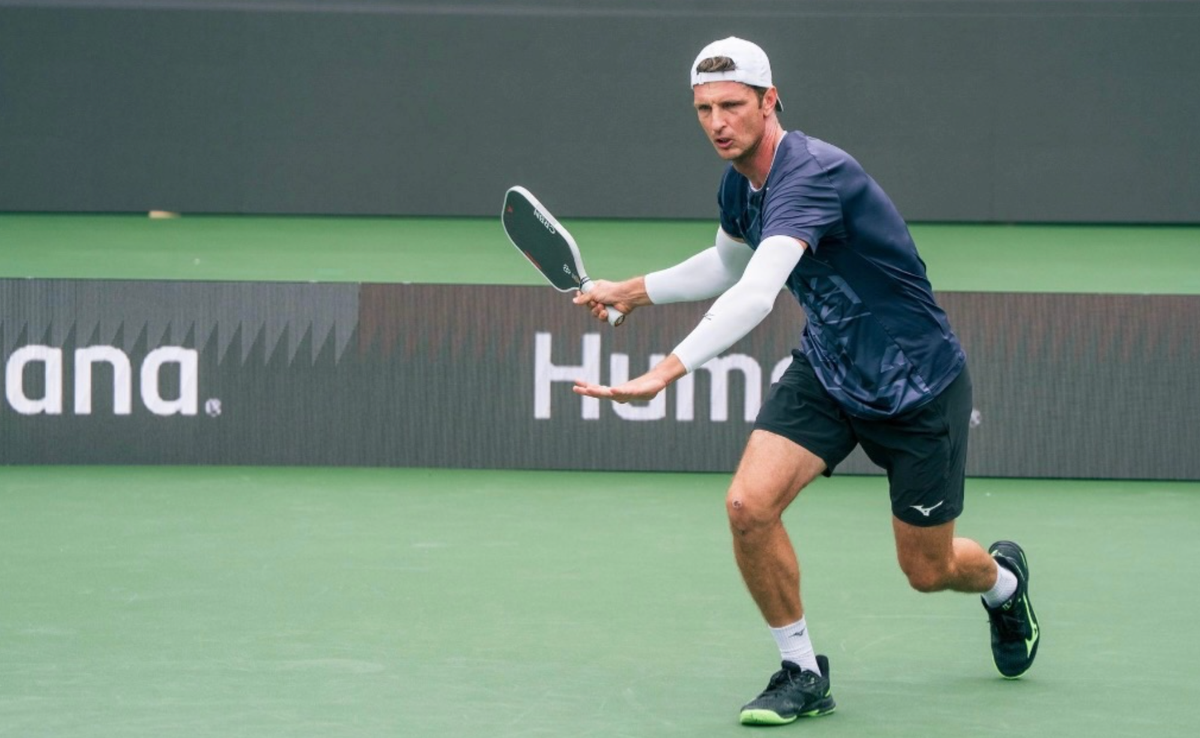
Honestly, this is what separates a 3.0 from a 3.5 player.
A 3.0 hits whatever feels comfortable.
A 3.5 already knows which of the three options gives their team the best path to the net before the ball even leaves their opponent's paddle.
That's not talent. That's doubles strategy you can drill.Every point in doubles is a battle for position, not just a battle for winners.
Miss this call and you're playing from behind for the rest of the rally, no matter how sharp your dinks are once you finally reach the net.
💡
Need some new pickleball gear? Get 20% off select paddles, shoes, and more with code THEDINK at
Midwest Racquet SportsThe Drop Shot: Where Every Beginner Should Start
The drop is the safest version of a third shot strategy, and it's the one beginners should build first.
You're hitting a soft, arcing ball from the baseline that lands just over the net and dies in the kitchen before opponents can attack it.
Done well, it buys you and your partner time to walk up to the non-volley zone together.
It works because it removes speed from the equation. Opponents at the net can't punish a ball that's already dying by the time it reaches them.
You're not trying to win the point here. You're trying to survive long enough to get to the net as a team.
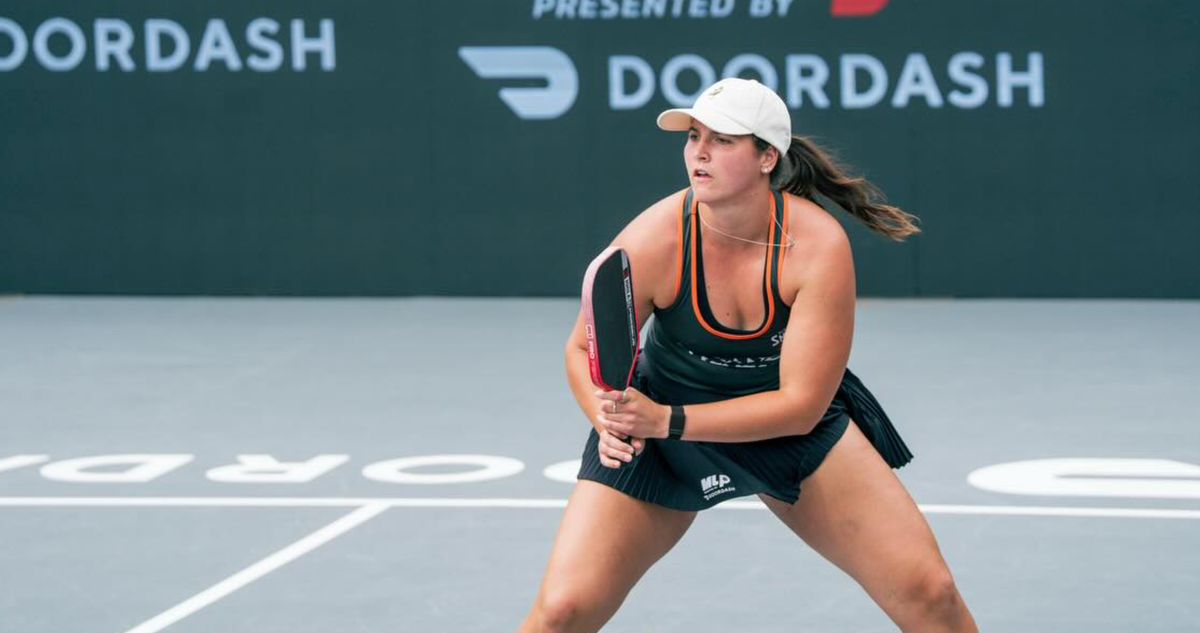
The Best Pickleball Players Aren’t Following the Rules Anymore
Modern pickleball isn’t won by coloring inside the lines. More and more, the most successful players are also the most creative.
 The Dink PickleballZoey Weil
When Does the Drop Beat Everything Else?
The drop wins when you're not in an ideal position to hit with pace, or when your opponents are already crowding the net and daring you to try something aggressive. If your return was weak or you're pulled wide off the court, drop it. Driving from a bad position is how beginners hand away easy points.
Practice this shot obsessively. It's the foundation everything else in your third shot strategy sits on top of. If your drop shots are consistent, you can get creative later. If they aren't, nothing else matters yet.
What's the Best Third Shot Strategy When Your Drop Falls Short?
The best third shot strategy for a shaky drop is to slow your swing and aim higher over the net, not harder. Most missed drops come from beginners muscling the ball instead of letting gravity do the work. Shorten your backswing, open your paddle face slightly, and prioritize height over depth until the touch improves.
5 Drop Shot Techniques to Elevate Your Pickleball Game
The drop shot is one of pickleball’s most essential skills, yet it’s also one of the most misunderstood.
 The Dink PickleballThe Dink Media Team
When Should You Drive Instead?
Drive the third shot when your opponent's return sits up high, short, or slow enough to attack before it drops.
A third shot drive is a flat, hard shot aimed low, usually at your opponents' feet or through the gap between them.
This is your aggressive option, and it only works when the setup earns it.
Here's the catch. A bad drive is one of the fastest ways to lose a point in doubles.
Drive a ball above the net into opponents who are ready, and you're basically serving them a put-away volley.
The drive works because it exploits a mistake your opponent already made. It's a reaction, not a default.
How Do You Know You Have Enough Pace to Drive?
You know you have enough pace when the incoming ball bounces above net height and you can generate power from a balanced, ready position instead of stretching or backpedaling.
Off balance means you don't have enough control to drive safely.
That's when the drop becomes the smarter play again, even on a ball that looked drivable a second earlier.
5 Pickleball Drive Techniques That Force Easy Pop-Ups
A great pickleball drive is not a winner, it is a setup. Here is the technique, the targets, and the drills that turn your drive into instant offense.
 The Dink PickleballThe Dink Media Team
Is the Lob Ever Part of a Smart Third Shot Strategy?
Yes, though rarely, and only as a change-up.
A lob sends the ball high and deep over your opponents' heads while they're crowding the net, forcing them to turn and scramble backward.
It's not a shot beginners should reach for often, but knowing it exists rounds out a complete third shot strategy and keeps aggressive net players honest.
It works precisely because nobody expects it.
If your opponents crash the net hard on every third ball, one well-placed lob resets the point and buys your team time to reset positioning.
Overuse it and it stops being a surprise.
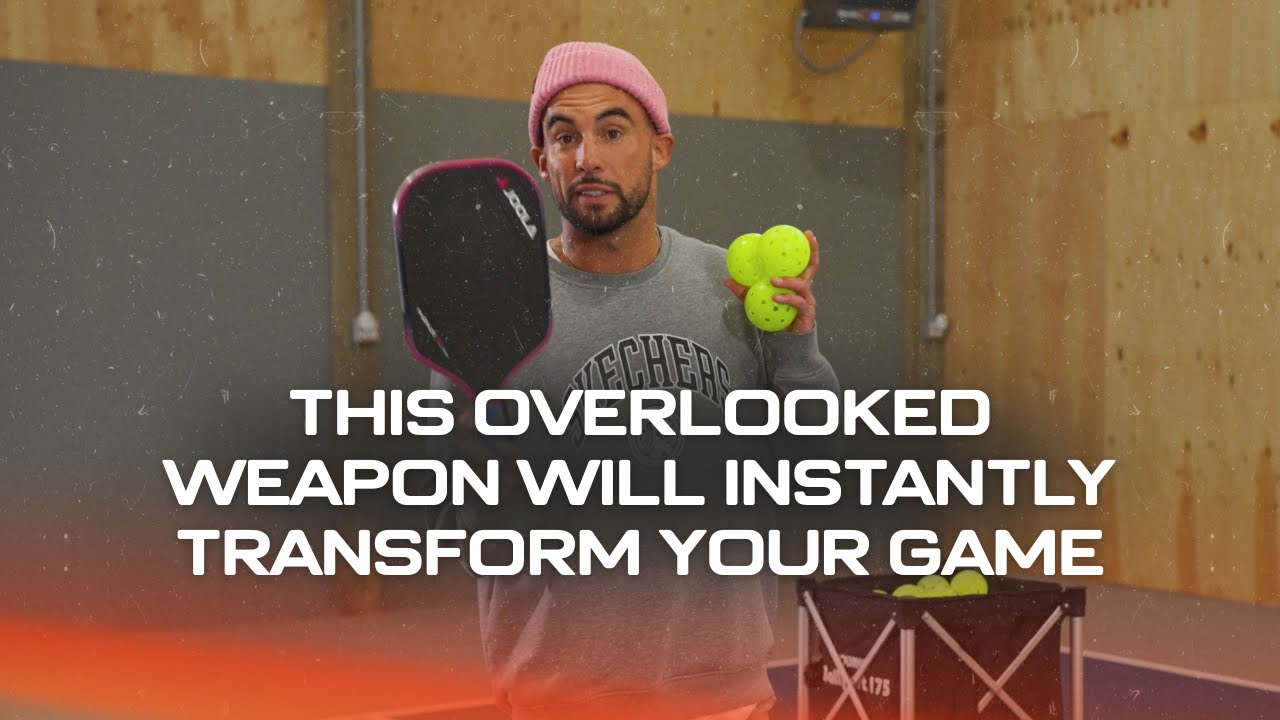
The Offensive Lob: Pickleball’s Most Overlooked Weapon
Instead of trying to hit through your opponent, why not go over them?
 The Dink PickleballThe Dink Media Team
You decide by reading three things fast: your own court position, the height of the incoming ball, and where your opponents are standing.
A lot of this comes down to where you're standing to begin with, which traces back to your serve positioning on the previous shot.
Here's a checklist that turns this into a repeatable process instead of a guessing game:
- Ball above the net and you're balanced? Consider the drive.
- Ball below the net or you're stretched wide? Drop it.
- Opponents crashing the net hard and camped in? Consider the lob.
- Not sure? Drop it. The drop is always the statistically safer default.
How Do You Build a Third Shot Strategy You Can Trust Under Pressure?
You build it by drilling the drop until it's automatic, then adding drives and lobs as situational exceptions rather than equal options.
Confidence under pressure comes from repetition, not from having more choices.
Good court coverage in doubles means your partner already knows which shot you're likely to hit, so they can move into position before the ball lands.
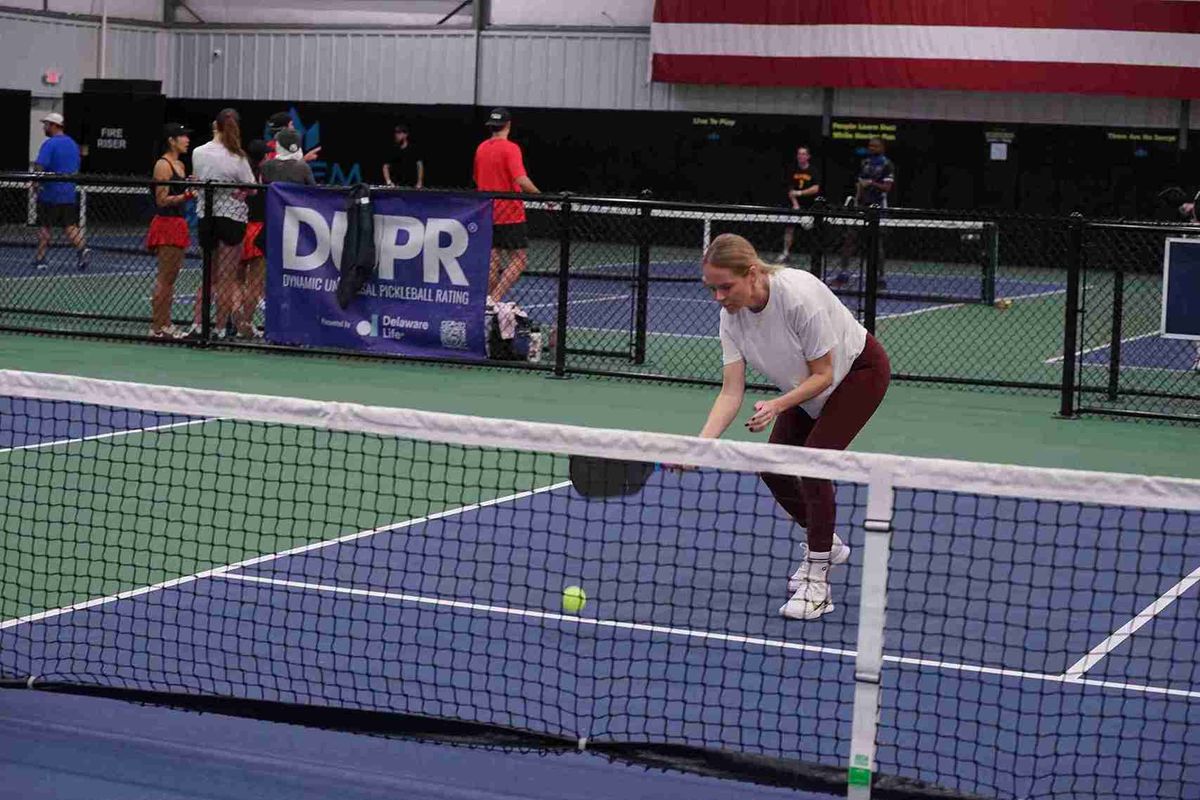
Third Shot Drop vs Drive in Pickleball: Make the Right Call
The third shot drop vs drive pickleball debate isn’t about picking a favorite, it’s about reading the rally and choosing the shot that actually works. This guide breaks down when to drop, when to drive, and how to stop guessing on ball three.
 The Dink PickleballThe Dink Media Team
What Beginners Get Wrong Here
Most beginners rush the decision, swinging before reading the court. Slow down: you have more time than it feels like you do.
The other mistake is treating the drop and the kitchen approach as separate skills.
They're the same skill. If you can't position yourself at the kitchen correctly after your drop, the drop was mostly wasted.
Your return of serve also sets up everything.
A weak return of serve puts your opponent in position to attack, which limits your options before you've even hit the ball.
Third shot strategy doesn't start at the third shot. It starts at the return.
Beginners who change the way they think about doubles stop treating each shot as isolated and start treating the first four shots of a rally as one connected sequence.
That shift alone will improve your pickleball third shot decisions faster than any single drill.
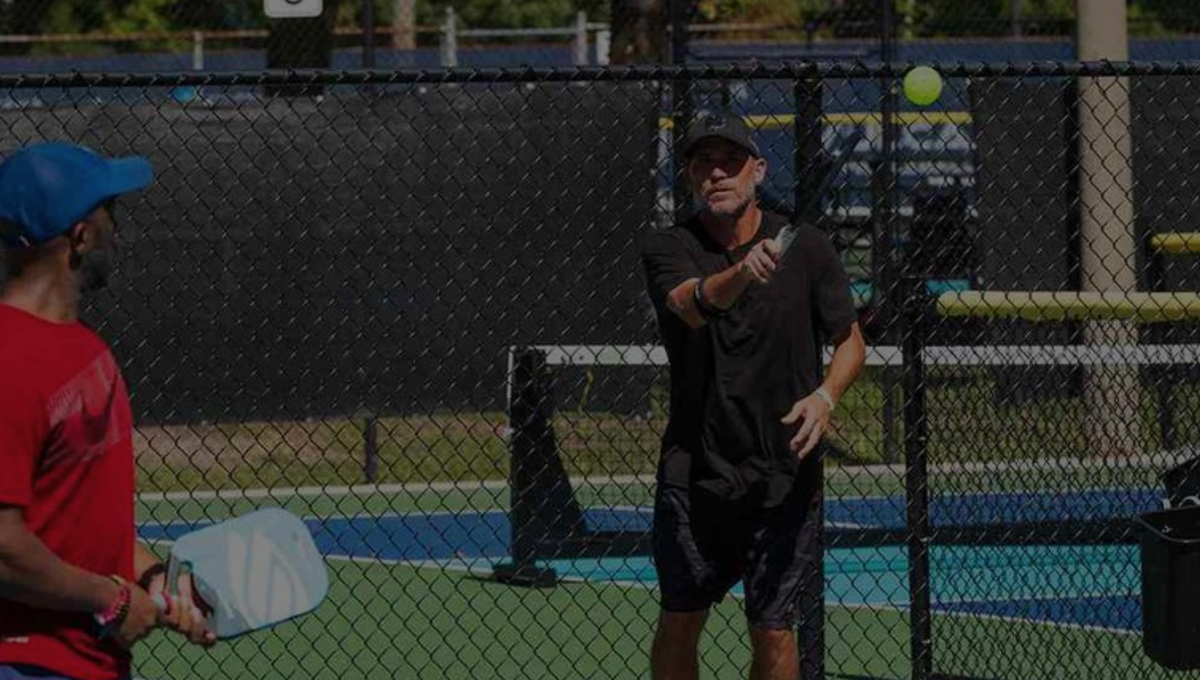
Common Pickleball Mistakes Beginners Make & How to Fix Them
The most common pickleball mistakes beginners make can derail your progress before you ever find your groove. Here’s what’s going wrong and exactly how to fix it.
 The Dink PickleballThe Dink Media Team
Key Takeaways
- A third shot strategy is a decision between three shots: a soft drop, a hard drive, or a defensive lob, chosen based on ball height, your position, and where your opponents are standing.
- The drop is the default and safest choice for beginners, especially from a weak position or against opponents already at the net.
- The drive only works on high, short, or slow returns hit from a balanced, ready position; anything else invites a put-away.
- The lob is a rare change-up, not a primary option, and loses value if overused.
- A weak return of serve limits your third shot strategy, so treat the first three shots of a rally as connected, not isolated.
💡
Heads up: hundreds of thousands of pickleballers read our free newsletter.
Subscribe herefor cutting edge strategy, insider news, pro analysis, the latest product innovations and more.
Frequently Asked Questions
What is the best third shot strategy for beginners?
The best third shot strategy for beginners is the drop, hit with a soft, arcing motion that lands in the kitchen. It's the safest option because it removes pace, which stops net players from attacking it, and buys time to move up together.
When should you drive the third shot instead of dropping it?
A third shot drive works when the incoming ball bounces above net height and you're in a balanced, ready position. If the ball is low, or if you're stretched off balance, drop it instead. A driven ball from a weak position usually turns into an easy volley for your opponents.
Why do beginners struggle with the drop shot?
Beginners struggle with the drop because they swing too hard, trying to add pace to a shot that's supposed to have none. Slowing the swing down and focusing on arc height over depth solves most of the problem within a few practice sessions.
Is the third shot always a drop shot in pickleball?
No. The drop is the most common and reliable choice, but a full third shot strategy also includes the drive, for high or short returns, and the lob, for opponents crowding the net aggressively. Reading the situation matters more than following a single rule.
How does the third shot connect to the rest of the rally?
It connects directly to your return of serve and to your ability to approach the kitchen line afterward. A weak return limits your options, and a good third ball without a follow-up move to the net wastes the advantage it created. Treat the sequence as one connected decision, not four separate shots.
Anuncie Aqui / Advertise Here
Sua marca para o mundo Pickleball! / Your brand for the Pickleball world!



 English (US) ·
  Portuguese (BR) ·