
 English
  Spanish
  Portuguese
  German
  Italian
  Japanese
  French
  Polish
  Russian
  Netherlands
  Hungarian
  Turkish
  Videos
  Thedink Pickleball

Pickleball knee pain is the number one complaint among players. These three at-home tests tell you exactly where you stand and what to fix.
Pickleball knee pain might show up the next morning on the stairs, not during the match itself, and that delay makes it easy to ignore until it becomes a real problem.
You've probably heard the usual advice: change your shoes, get insoles, play less. None of that actually fixes anything.The real issue is almost never pickleball itself. It's that pickleball is your only form of exercise.
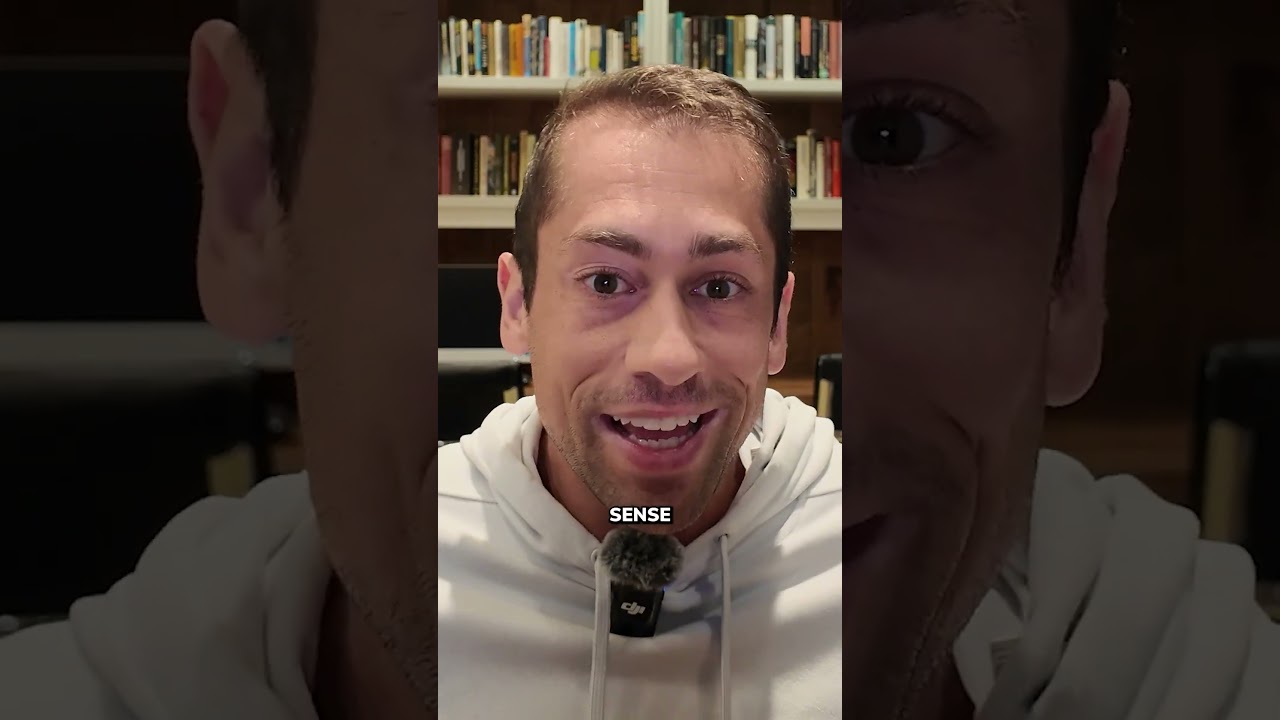
This breakdown comes from That Pickleball Trainer - Connor Derrickson on YouTube, who has worked with hundreds of pickleball players and professional athletes to solve exactly this problem.
Here's what's actually going on with your knees, and three tests you can do at home right now to find out where you stand.
Love pickleball? Then you'll love our free newsletter. We send the latest news, tips, and highlights for free each week.
Pickleball Knee Pain Is the Number One Complaint. Here's Why.
Out of 1,758 pickleball players surveyed, 29.1% reported knee pain as their top complaint across all joints. That's not a coincidence.
Pickleball is not an acceleration sport. It is a deceleration sport.Every point involves quick movements followed by rapid stops, over and over, on a compact court where there's almost no room to gradually slow down.
When your body can't absorb that stopping force efficiently, the load has to go somewhere. It goes to your knees. It goes to your back.
The technical term for what your body is doing when it stops is eccentric loading.Think about your quad. When you brake hard and bend your knees to stop, your quad is lengthening while simultaneously bearing load.
That is the hardest position for a muscle to produce force.
A useful way to picture it: imagine trying to curl a heavy dumbbell with your arm already fully extended at your side.You can barely budge it compared to a standard curl starting position. Your quads are doing that same difficult task on every single stop you make on the court.
If your legs are not strong enough in those lengthened, low positions, the joints absorb what the muscles can't.
That's where tendinosis, tendinopathy, and chronic joint pain come from.The solution is not to play less. The solution is to get stronger, specifically in the ranges of motion the sport actually demands.
Why Playing More Without Training Makes This Worse
One dataset found that players competing three or more days per week carried 45% higher odds of injury. That stat gets misread constantly.It doesn't mean pickleball is dangerous.
It means a lot of players make pickleball their entire identity, play constantly, and drop every form of strength work outside the court.
If you want to play smarter and protect your body over months and years, you have to train the movement patterns the sport requires.
Playing alone won't build that capacity.
Two days per week of targeted single-leg strength work is enough to make a meaningful difference.💡
Need some new pickleball gear? Get 20% off select paddles, shoes, and more with code THEDINK at
Midwest Racquet SportsWhat Does "Getting Stronger for Deceleration" Actually Mean?
It means training your legs in deep, lengthened positions under load. Low squats. Deep lateral lunges.
Single-leg movements where you're working at the bottom of the range, not the top.Most recreational players only train in compressed, comfortable ranges of motion. The sport asks you to brake hard in a wide, low stance.
If you've never trained there, you're going in unprepared every single session.
This is also why lateral movement matters so much.
Better footwork reduces the severity of each deceleration event, which pulls stress off the knees directly. These footwork drills that make the game feel slower do exactly that.Before adding training, though, you need a starting point. That's what the three tests below are for.
How to Improve Footwork Off Court for Pickleball
If you want to improve footwork off court for pickleball, the gym and your living room are more useful than you think. Off-court agility and speed training builds the lateral quickness and explosive first-step that wins rallies before you even swing.
 The Dink PickleballThe Dink Media Team
Test 1: Single-Leg Sit to Stand
Grab a standard dining chair.
Stand on one leg, sit down under full control without using your hands, tap your seat on the chair, then stand back up using only that leg.
This test tells you a lot at once: quad strength, glute activation, patellar tracking, and single-leg stability.The goal is 10 clean reps on each side with no pain. Score yourself using this scale:
- Score 1: You cannot perform the movement at all
- Score 2: You can do it, but fewer than 10 reps or you have pain
- Score 3: You complete 10 reps on each side with zero pain and feel strong doing it
Don't rush through this. Go slow, stay controlled, and pay attention to where any discomfort shows up around the kneecap.
How to Play Pickleball With Bad Knees
Playing pickleball with bad knees is possible with the right modifications. These 8 adjustments protect your joints, reduce pain, and keep you competing longer.
 The Dink PickleballThe Dink Media Team
Test 2: Single-Leg Step Down
Find something 12 to 18 inches high. A chair works but may be a bit tall. A step stool or low box is ideal.
Stand on one leg. Let the other leg hang free off the edge. Push your hips back, reach the hanging heel down toward the floor, tap it, then return to standing.The goal is 8 controlled reps on each side.
There are three things to watch for:
- Your standing knee should not cave inward at any point
- You should not feel pain anywhere around the knee joint
- You should complete all 8 reps without losing control or compensating
Film yourself or use a mirror for this one. Knee cave is easy to miss when you're focused on just finishing the reps.
Use the same 1 to 3 scale. Score 1 if you can't do it, score 2 if you have pain or limited reps, score 3 if you pass cleanly on both sides.This test is particularly revealing for players who feel fine going straight but notice soreness during lateral movement.
It exposes single-leg stability and hip control that straight-line tests miss completely.For more on how lateral strength connects to court performance, check out these footwork drills that make the game feel slower.
8 Lower Body Exercises for Explosive Pickleball Legs — No Gym Required
Pickleball is a game of quick lateral movements, explosive pushes, and stable positioning – your legs are doing most of the heavy lifting
 The Dink PickleballThe Dink Media Team
Is the Wall Sit Really That Revealing?
For a healthy person with no knee issues, a wall sit feels almost too easy to bother with. For someone managing knee pain, it becomes a real diagnostic tool fast.
Get your back flat against the wall, feet hip-width apart, and lower until the tops of your thighs are exactly parallel to the floor.Most people stop too high. Go lower than feels comfortable.
Hold for 60 full seconds with zero pain. Some shaking is fine. Pain is not.
- Score 1: Pain appears or you can't hold the position
- Score 2: You hold 30 to 45 seconds with some discomfort
- Score 3: You complete 60 seconds, no pain, maybe some shake
This test measures joint tolerance more than raw strength.
It's a different signal than the first two tests and rounds out the full picture of what your knees can actually handle.
Pickleball Wall Practice: 5 Drills That Actually Work
Pickleball wall practice is one of the most underrated solo training tools available. These five drills build real skills you can take straight to the court.
 The Dink PickleballThe Dink Media Team
What Your Score Tells You
Add up your scores from all three tests. The maximum is 9.
- If you scored a 9, you're in good shape. Keep training, keep playing, and don't let your fitness slide just because things feel fine right now.
- If you're in the 5 to 7 range, note which specific test dropped your score. That tells you exactly which movement pattern and muscle group needs the most attention.
- If you're below 5, that's a real gap between what your body can do and what the sport demands of it. That's not a reason to stop playing. It's a reason to start training with real structure.
The players who stay on the court year after year without breaking down are not the most naturally talented.
They're the ones who prepare their bodies before they play and do consistent strength work between sessions.If you want to understand what separates players who hold up physically from those who don't, this breakdown on habits that separate 4.0 players applies directly to physical preparation too.
And if shoulder pain is something you're managing alongside knee issues, this guide on protecting your shoulder as you age follows the same logic of targeted strengthening over rest.
Pickleball Scores Don’t Tell the Whole Story — Here’s How You Fix It
Rather than a static line score, block scoring brings a game or match to life by visualizing the momentum swings along the way.
 The Dink PickleballRobert S Cormack

What to Do Next
The fix for pickleball knee pain is not rest, better shoes, or fewer sessions.
It's single-leg strength work twice a week, focused on the deep ranges the sport actually demands.
Think deep squats, lateral lunges, and step-downs in positions that mirror what you're doing when you stop and change direction.
Your knees aren't the problem. The gap between how strong you are and what the sport asks of you is the problem.Players dealing with pickleball elbow will recognize the same principle at work.
For older players, these senior-specific pickleball tips cover how physical preparation turns experience into a competitive edge.
Take the three tests. Note your score. Retest in four weeks.
💡
Heads up: hundreds of thousands of pickleballers read our free newsletter.
Subscribe herefor cutting edge strategy, insider news, pro analysis, the latest product innovations and more.
Frequently Asked Questions
Is pickleball bad for your knees?
Pickleball is not bad for your knees on its own. The real problem is that pickleball as your only form of exercise leaves your legs too weak to handle the sport's repeated deceleration demands. Add strength training twice a week and the risk drops significantly.
Why do my knees hurt the day after pickleball but not during?
Delayed soreness after play usually signals that your muscles and tendons are being asked to absorb more load than they're currently conditioned to handle. The pain shows up later because the tissue stress builds during the match and becomes noticeable once inflammation sets in overnight.
What is eccentric loading and why does it matter for pickleball?
Eccentric loading is when a muscle lengthens while producing force, which is exactly what your quads do every time you brake to a stop on the court. It's the hardest type of muscle contraction to perform, and pickleball demands it constantly. Training your legs eccentrically in low, wide positions builds the specific strength needed to protect your knees.
How many days a week should I strength train to protect my knees?
Two focused sessions per week is the threshold worth hitting. Each session should include single-leg movements like step-downs, lateral lunges, and deep squats that train your legs in the ranges of motion pickleball actually requires.
What score on the three knee tests should I be worried about?
A total score below 5 out of 9 signals a meaningful gap between your current strength and what the sport demands. Scores in the 5 to 7 range are worth addressing with targeted training. A 9 means your foundation is solid, but keeping up consistent strength work remains important.
Anuncie Aqui / Advertise Here
Sua marca para o mundo Pickleball! / Your brand for the Pickleball world!



 English (US) ·
  Portuguese (BR) ·