
 English
  Spanish
  Portuguese
  German
  Italian
  Japanese
  French
  Polish
  Russian
  Netherlands
  Hungarian
  Turkish
  Videos
  Thedink Pickleball

Most players delay learning a new pickleball shot because they think it's too late. The truth is, you're a better player today than you were two years ago, and that means you'll learn faster now than ever before.
Every pickleball player has a shot they keep putting off learning. Maybe it's the two-handed backhand, the speed-up off the bounce, or a sharper third-shot drop.
The excuse is always the same: "I should have learned that earlier." But that thinking is exactly what keeps players stuck at the same level for years.This article is going to flip that excuse on its head, show you why your current skill level actually gives you an advantage when picking up new shots, and give you a real framework for learning faster starting today.
This concept comes straight from Cori Elliott on YouTube, who has a way of cutting through the mental clutter that holds recreational players back from improving.
Love pickleball? Then you'll love our free newsletter. We send the latest news, tips, and highlights for free each week.
The Trap Most Players Fall Into
Here is what actually happens when a player avoids learning something new.
They watch someone hit a crisp two-handed backhand, think "I wish I had learned that years ago," and then do nothing about it.
That thought, "I should have started sooner," becomes a reason to delay even longer. It feels like a regret, but it functions as an excuse.The game of pickleball has changed dramatically over the last few years.
New techniques, new shot combinations, and new strategies are entering the game constantly.
That means there will always be a pickleball shot you haven't learned yet. That's not a problem. That's just pickleball.
The real question is not when you should have started. The real question is what you are going to do about it today.Why You Will Actually Learn Faster Now Than You Would Have Before
This is the part most players miss entirely. You are not the same player you were two years ago.
Your footwork is better. Your court sense is sharper. You understand angles, spin, and positioning at a level that your earlier self simply didn't have.
That foundation accelerates every new skill you try to build on top of it.
Think about how long it took you to understand kitchen line positioning when you first started.
Now compare that to how quickly you can internalize a new dinking pattern today. The gap is enormous because you have a frame of reference.
When you pick up something like the two-handed backhand, your existing feel for contact point, paddle angle, and timing gives you a shortcut that beginners simply do not have.
💡
Need some new pickleball gear? Get 20% off select paddles, shoes, and more with code THEDINK at
Midwest Racquet SportsWhat Does It Actually Mean to "Learn a Shot" in Pickleball?
Learning a pickleball shot does not mean mastering it in one session.
It means building enough familiarity that you can start incorporating it into real play, then refining it over time through repetition and feedback.There are four distinct stages to learning any new shot:
- Mechanical awareness: Understanding what the shot requires physically, including grip, contact point, and swing path.
- Isolated drilling: Hitting the shot repeatedly in a controlled environment, like a wall or with a patient partner.
- Cooperative play practice: Using the shot in slow, cooperative rallies where you can build consistency without pressure.
- Competitive integration: Attempting the shot in real points, accepting that it will fail sometimes, and adjusting based on what you see.
Most players stall at stage two. They drill a shot until it feels decent, then never commit to using it in a real game because they're afraid of the early failures.
Those failures are part of the process, not a sign that the shot isn't working.
If you want to move up a skill level, you have to be willing to look awkward during the learning phase.
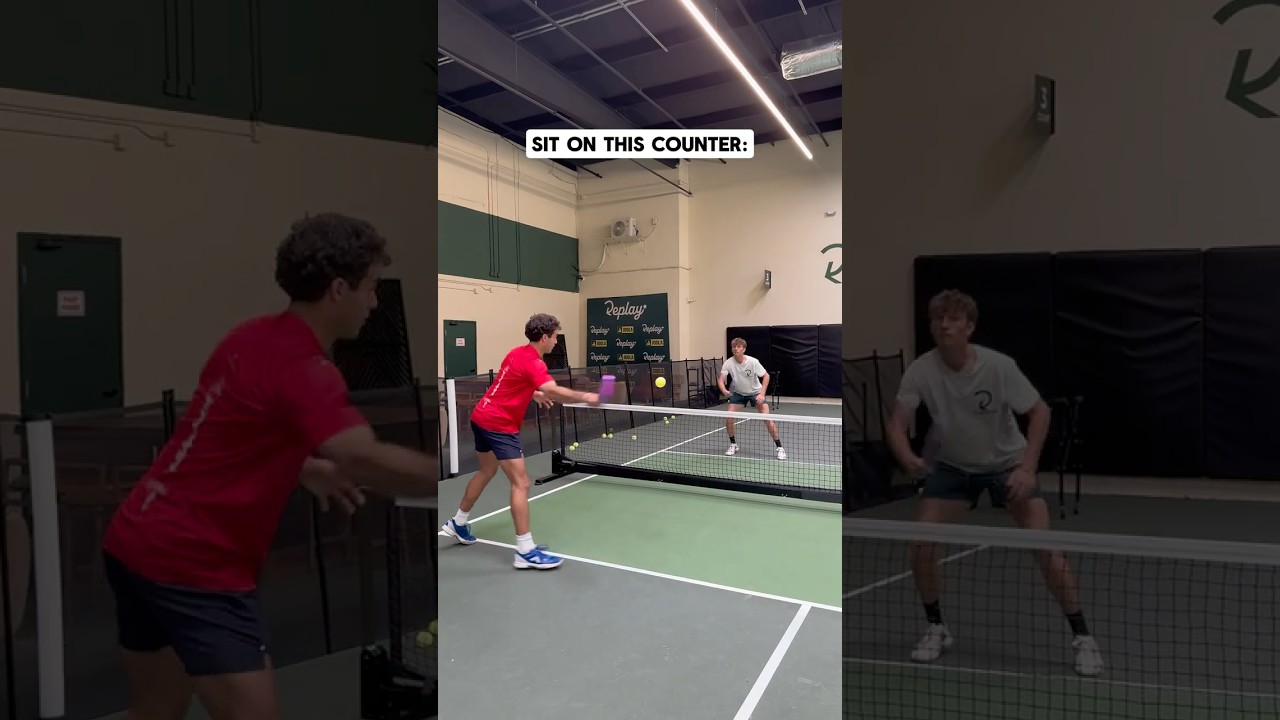
Pickleball Shot Selection: Low Forehand, High Backhand Rule
Pickleball shot selection doesn’t have to be complicated. One rule covers most situations: slide forehand when the ball is low, sit backhand when the ball is high.
 The Dink PickleballThe Dink Media Team
Which Shots Are Worth Learning Right Now?
Not every shot deserves equal attention. Here are the shots that give you the biggest return on investment at most recreational levels:
- Two-handed backhand: Adds power, disguise, and consistency to one of the most attacked zones on the court.
- Speed-up off the bounce: Creates offensive opportunities from situations where most players just reset. Check out the breakdown of when and how to hit this shot.
- Third-shot drop: Still the most important transition shot in the game. If yours isn't landing consistently, everything else suffers. Placement matters more than power here.
- Reset from a hard drive: The ability to absorb pace and neutralize a banger is something every player needs, especially at the 3.5 to 4.5 range.
- Fake dink into speed-up: Once your dink is reliable, adding deception turns a neutral shot into an offensive weapon. Here's how to hit the fake dink effectively.
The common thread in all of these is that they require a baseline of court feel before they click.
That baseline is exactly what you have now that you didn't have when you started.
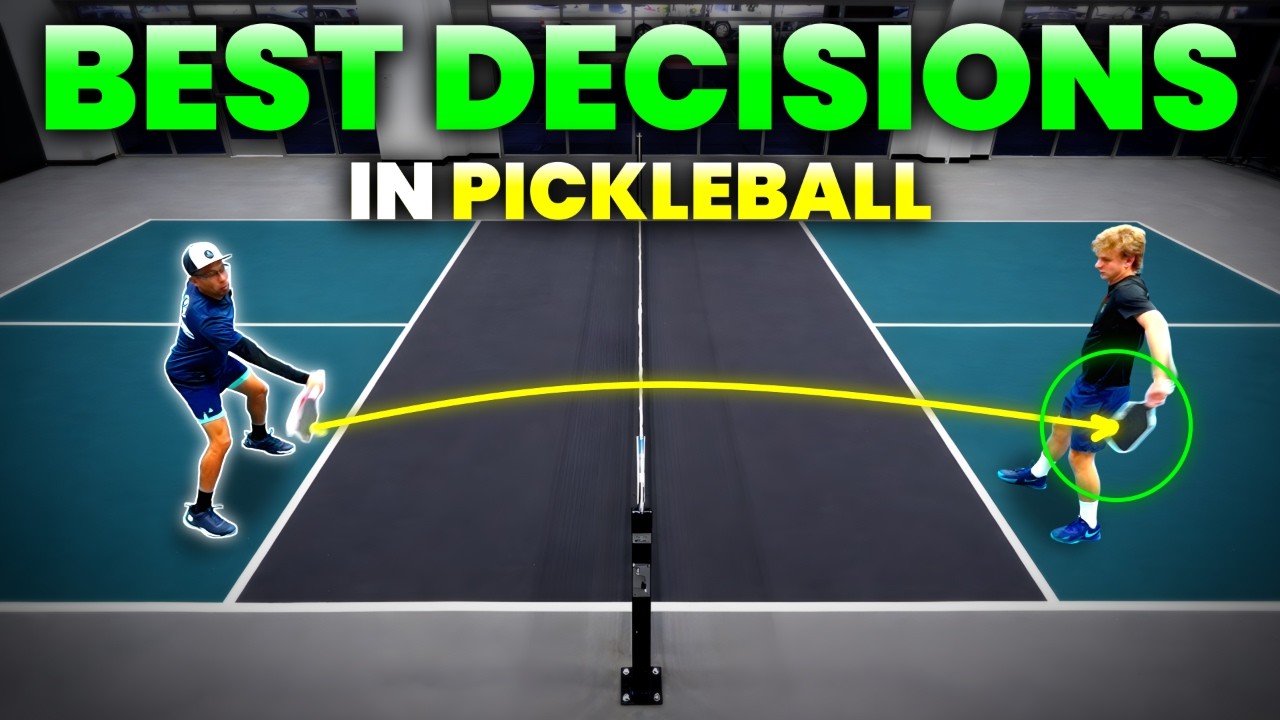
Pickleball Decision Making: Master Your Shot Selection
Pickleball decision making separates casual players from competitive ones. Master when to drive, drop, reset, and attack to transform your game.
 The Dink PickleballThe Dink Media Team
How Do You Actually Build a New Shot Into Your Game?
The fastest path from "I want to learn this" to "I use this in real games" is a structured practice approach.Random hitting at open play doesn't cut it when you're trying to build something new.
Here is a simple three-step routine that works:
- Isolate the mechanics first: Spend five to ten minutes before any session working on just the movement and contact of the new shot. No pressure, no rally, just grooves. A home practice routine can supplement your court time significantly here.
- Use targeted drills: Find a drill that isolates the exact moment you want to improve. If you're learning the two-handed backhand, drill it specifically from the kitchen line on slow feeds before adding pace. Progressive drilling is the most efficient way to close skill gaps fast.
- Commit to using it in play: Set a goal for yourself in open play. Something like "I will attempt this shot at least five times today regardless of the result." Track whether you're actually attempting it, not whether you're hitting it perfectly.
Consistency in your practice routine matters more than the volume of any single session.
Showing up three times a week with a clear focus beats a marathon Saturday session with no direction.
New to Pickleball? Learn the Rules, Key Shots, and Scoring in Under 5 Minutes
Then grab a paddle, find some friends and a court, and just go play. You’ll figure the rest out.
 The Dink PickleballThe Dink Media Team
Is There Such a Thing as "Too Late" to Learn a Pickleball Shot?
No. And the evidence is everywhere on recreational courts across the country.
Players in their 60s and 70s are picking up the two-handed backhand after decades of tennis muscle memory.
Beginners who started at 4.0 and skipped the bad habits are becoming 5.0 players within two years.
The game does not care how long you've been playing. It only responds to deliberate, consistent work.
What does slow down learning is rigidity.
Players who insist that their current technique is "good enough" or who avoid discomfort in drilling rarely improve after a certain point.Openness to feeling awkward is the actual skill that predicts long-term growth.
If you want to understand whether your current habits are helping or hurting, look at why so many 3.5 players stay stuck and see if any of those patterns sound familiar.
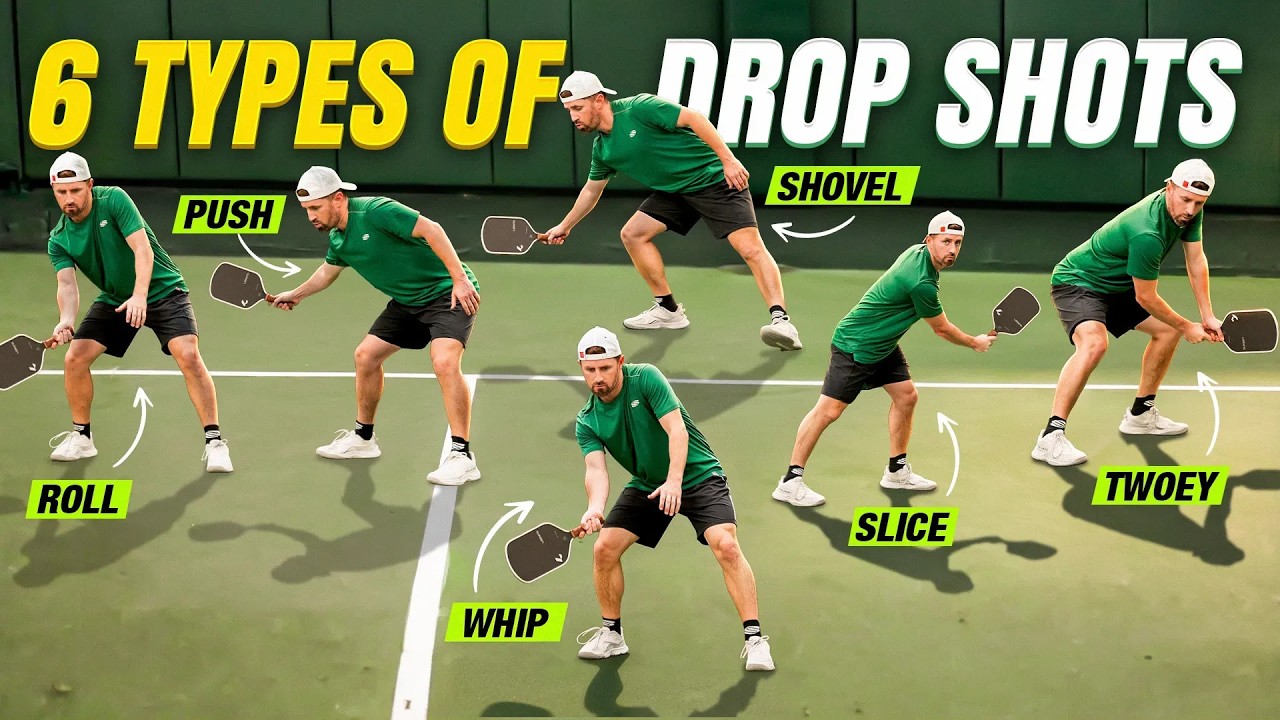
6 Third Shot Drop Techniques for Pickleball Players
The third shot drop is the shot that separates developing players from competitive ones. Here are 6 specific techniques to hit it better in every situation.
 The Dink PickleballThe Dink Media Team
The Mental Side of Learning New Shots
This is the piece that doesn't get enough attention. Most players frame learning a new shot as a technical problem. But the real barrier is mental.
Fear of looking bad in front of other players is one of the most common reasons people avoid attempting new shots during open play.
Nobody wants to shank a two-handed backhand drive when their partner is counting on them.
But here is the reality. Every skilled player on that court has gone through exactly that stage with every shot they now hit confidently. They looked awkward.They missed easy balls. They kept going anyway.
The pursuit of flow in pickleball requires accepting that the path through discomfort is the only path to consistency.
There is no shortcut around the awkward phase.
One useful reframe is this: you are not failing when a new shot breaks down under pressure.You are collecting data. Each miss tells you something specific about timing, contact point, or body position that you can adjust in your next drilling session.
5 Mental Lessons From Playing Pro Pickleball at 14 Years Old
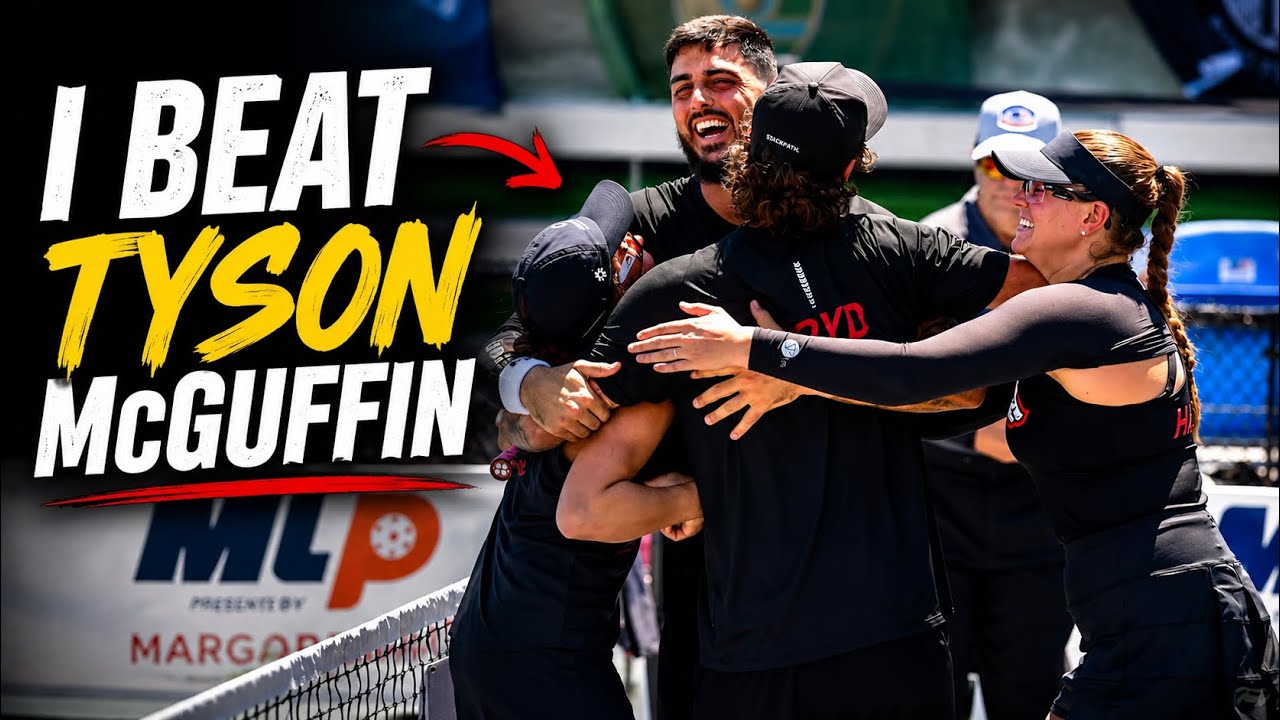
A teenage sub walked onto Championship Court at Major League Pickleball New York and beat Tyson McGuffin in mixed doubles. Here is exactly what that match revealed about competing at the highest level.
 The Dink PickleballThe Dink Media Team
What the Best Players Do Differently
Players who consistently improve share one habit that separates them from players who plateau. They treat their game as permanently unfinished.
There is no point at which a serious player decides they have learned everything worth knowing.
The game keeps evolving, and the players who stay curious are the ones who stay competitive.
Look at how Ben Johns continues to add wrinkles to an already dominant game, or how top players like Anna Leigh Waters refine their kitchen line precision season after season.
The willingness to keep building is what defines elite players at every level.You do not have to be a pro to adopt that same mindset.
If you want to understand what separates improving players from stagnant ones, look at the habits that reveal your level immediately.
The bottom line is simple. The best time to have learned a new shot was years ago. The second best time is right now, today, in your next session.Stop letting the past become a reason to delay the present.
Your game is better than it was. That means you are more ready to learn than you have ever been. Use it.If you want a structured place to start, look at these pickleball IQ tips that help you think and play smarter right away.
And if you are working on your drilling habits specifically, here is the two-step fix for drilling that actually transfers to real play.
💡
Heads up: hundreds of thousands of pickleballers read our free newsletter.
Subscribe herefor cutting edge strategy, insider news, pro analysis, the latest product innovations and more.
Frequently Asked Questions
Is it too late to learn the two-handed backhand in pickleball if I've been playing for years?
It is absolutely not too late. Many recreational players pick up the two-handed backhand after years of single-handed play and see immediate improvements in consistency and power. Your existing court awareness actually makes the mechanical learning faster than it would have been when you first started.
How long does it take to learn a new pickleball shot and use it in real games?
Most players can get a new shot functional in real play within four to six weeks of deliberate practice. The key is moving through isolated drilling into cooperative rallies and then competitive play in that order, rather than drilling forever without committing to game use.
What is the most important pickleball shot to learn first for intermediate players?
The third-shot drop is the single most important shot for intermediate players to master because it controls whether you can get to the kitchen line safely. Without a reliable drop, every other offensive shot becomes harder to set up.
How do I stop feeling embarrassed about missing new shots during open play?
Reframe misses as information rather than failure. Every player who now hits that shot confidently went through the same awkward phase, and your playing partners know it. Setting a specific attempt goal, like five attempts per session regardless of outcome, takes the pressure off perfection and keeps you moving forward.
Why do some pickleball players stop improving after reaching a certain level?
Players plateau when they stop adding new shots or strategies to their game and rely entirely on what already feels comfortable. The players who keep improving treat their game as always under construction and stay willing to look awkward while building something new.
Anuncie Aqui / Advertise Here
Sua marca para o mundo Pickleball! / Your brand for the Pickleball world!




 English (US) ·
  Portuguese (BR) ·