
 English
  Spanish
  Portuguese
  German
  Italian
  Japanese
  French
  Polish
  Russian
  Netherlands
  Hungarian
  Turkish
  Videos
  Thedink Pickleball

The gap between 4.0 and 5.0 isn't about power or athleticism. It comes down to five specific habits that 5.0 pickleball players use in every single point.
If you've been playing at the 4.0 level for a while and can't seem to break through, the problem probably isn't your athleticism or your paddle.
It's a small set of patterns you repeat every game that 5.0 pickleball players simply don't do.
These habits aren't complicated. They're not secret techniques that require years of drilling.
They're decisions, and once you understand them, you can start making better ones immediately.
The five habits below come straight from Kelly Goodnow on YouTube, a signed PPA Pro with a DUPR above 5.0 who breaks down exactly what separates her level of play from the 4.0 crowd.
Here's what she sees, and what you need to change.
Love pickleball? Then you'll love our free newsletter. We send the latest news, tips, and highlights for free each week.
Habit 1: Moving Together as a Unit
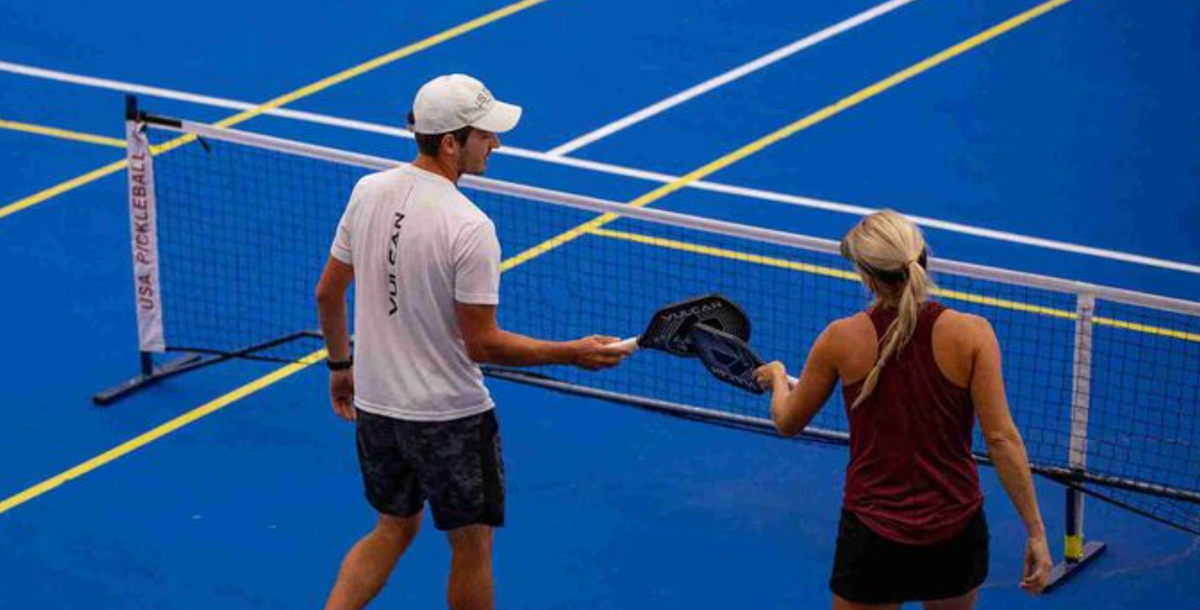
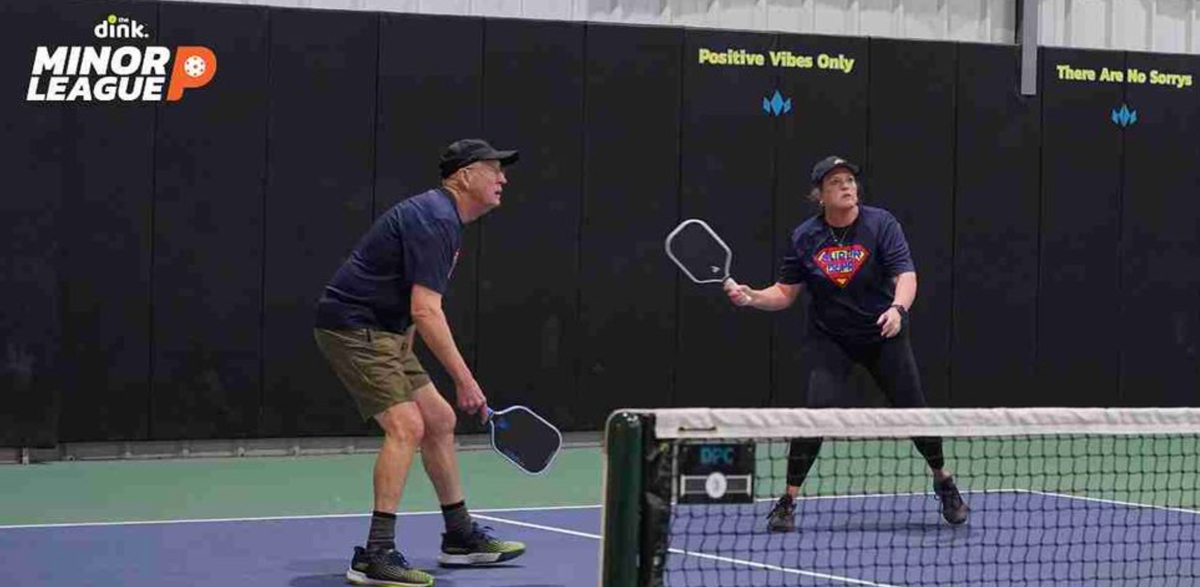
5.0 pickleball players move in sync with their partner.
It sounds simple, but watch any 4.0 game and you'll see one player up at the kitchen while their partner lingers somewhere in no man's land.
That gap in positioning is a gift to your opponents.
When you and your partner are at different depths, you create open court all over the place. Your opponents don't have to do anything clever. They just hit into the space you've handed them.
At the elite level, both players advance to the kitchen line together, and both players retreat together when they need to reset.
The only exception is when one player is deliberately staggering to poach.That's a planned move, not an accident.
If you want to understand the mechanics of covering your partner without leaving gaps, that's the foundation you need to build first.
Why Do 4.0 Players Get Scattered Around the Court?
The honest answer is that most players are reacting to the ball instead of thinking about their position. You chase the ball and forget about where your partner is.
The fix is to make court positioning a habit that runs in the background of every point.
After every shot you hit, ask yourself: where is my partner and are we at the same depth?
💡
Need some new pickleball gear? Get 20% off select paddles, shoes, and more with code THEDINK at
Midwest Racquet SportsHabit 2: Resetting in the Transition Zone
When 5.0 players are caught in the transition zone, they reset every time. They don't try to drive the ball and win the point from mid-court.
They take their medicine, hit a soft ball back, and get up to the kitchen.At 4.0, it's extremely common to see players rip drives from the transition zone. It feels right in the moment because you're loaded up and the ball is there.
But those drives are easy to counter, especially against better players.
The transition zone is the source of most pickleball mistakes, and the reason is almost always the same: players try to attack from a spot where attacking doesn't work.
Your job in the transition zone is exactly one thing: hit a ball soft enough that your opponents can't attack it, and use that time to get your feet to the kitchen. That's it.
Attack from Pickleball Transition Zone: A Full Guide
Knowing how to attack from transition zone pickleball situations is one of the fastest ways to upgrade your offensive game. This guide breaks down exactly when to pull the trigger, which shots to use, and how to stop bleeding points in no-man’s land.
 The Dink PickleballThe Dink Media Team
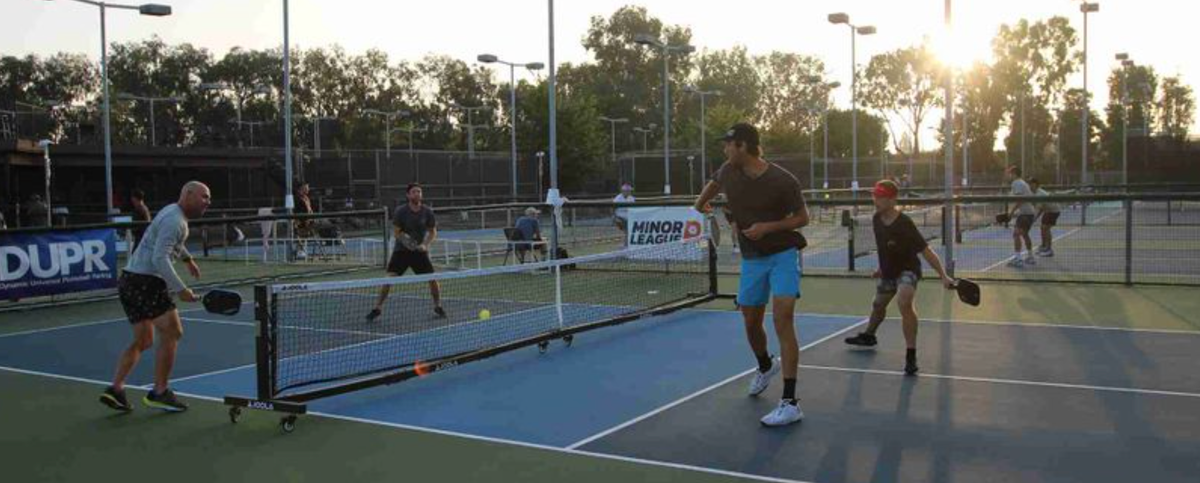
Habit 3: Waiting for the Right Ball to Speed Up
5.0 players don't speed up randomly. They earn the pop-up first, then attack it.
The whole point of aggressive dinking is to force your opponent into a position where they have to lift the ball above net height. That's the ball you speed up.
At 4.0, players speed up balls that are below net height constantly.
This is one of the most common unforced errors in the game, and it almost always ends the same way: the ball goes into the net, or it floats up as a perfect setup for your opponent.
If you want to understand when to speed up in pickleball, the first factor to check is always ball height. Below net height means reset or dink.
Above net height with a weak contact point means attack.
Watch how pros like Anna Leigh Waters work a dinking rally. She's not just keeping the ball in play.She's moving her opponent around until she gets a ball she can use. Patience at the kitchen is a weapon, not a sign of passivity.
How to Speed Up From the Kitchen in Pickleball
Knowing when to speed up from the kitchen in pickleball is the difference between earning a point and handing one away. This guide breaks down the exact timing triggers, target zones, and attack patterns 3.5–4.0 players need to start winning more exchanges at the net.
 The Dink PickleballThe Dink Media Team
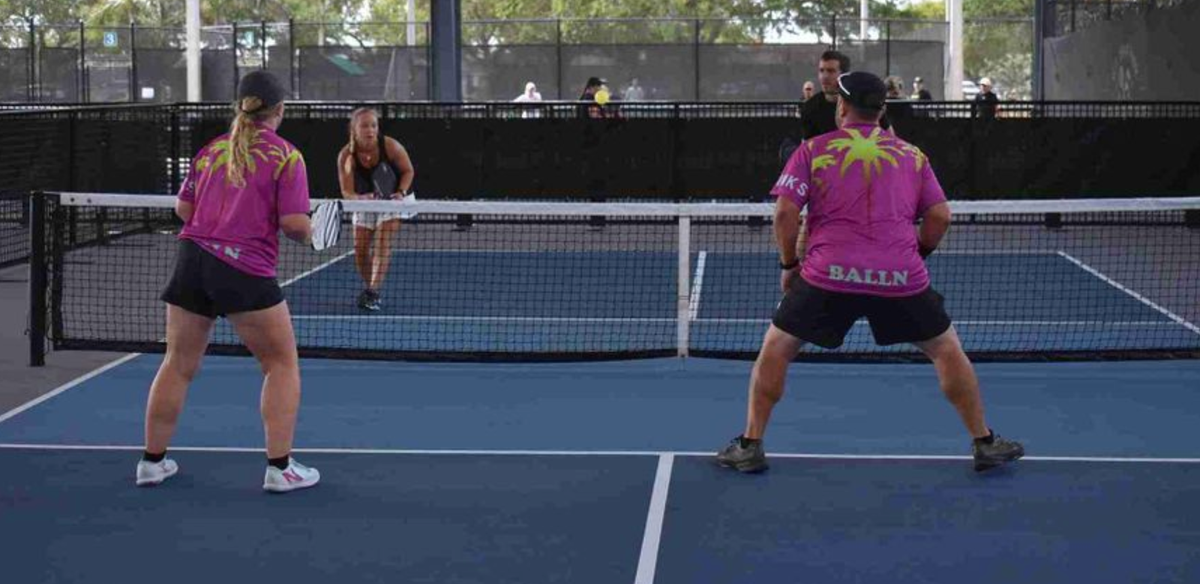
What Does "Earning a Pop-Up" Actually Mean?
A pop-up happens when your opponent is forced to contact the ball from below the tape and send it up to clear the net.
The ball lands high in your strike zone, typically at chest level or above.
You earn that by making them reach, move laterally, or contact the ball near their feet.
That's why aggressive dinking matters. You're not just pushing the ball back and forth.
You're creating discomfort until the mistake happens.
The speed-up patterns that 5.0 players use are almost always triggered by a ball their opponent was forced into, not one they chose to hit.
Why You Pop Up Dinks in Pickleball: 3 Fixes
Popping up dinks is one of the most common mistakes in pickleball, and it’s costing you points. Here are the three main reasons you pop up dinks and exactly how to fix each one.
 The Dink PickleballThe Dink Media Team
Habit 4: Mixing Up Your Dink Locations
5.0 players never let their opponents predict where the next dink is going. At 4.0, most players have a default spot.
Usually it's cross-court wide, and they go there repeatedly until someone makes an error.
The problem with predictability is that it lets your opponent sit on your shot.
When they know where the ball is going, they're already moving before you hit it. That puts them in a comfortable position to reset, counter, or attack.
Here's what mixing it up actually looks like in practice:
- Inside foot dinks: aimed at the opponent's hip closest to the centerline, forcing an awkward backhand or body shot
- Middle dinks: hit toward the middle of the court to create confusion between partners and force communication under pressure
- Line dinks: pushed down the sideline to pull an opponent wide and open up the middle
- Cross-court dinks: the classic, but only one tool in the rotation, not the only one
When you vary your spots, your opponent has to react instead of anticipate. Reacting late means reaching. Reaching means a pop-up.
Pop-ups mean you win the point.If your dinking variety is thin right now, the dinks that turn the kitchen into a weapon give you a clear system to expand your range.
7 Dinking Strategy Fixes That Stop Kitchen Line Attacks
Your dinks keep getting attacked because they have no job. Pro Sammy Lee breaks down the dinking strategy fixes that make every dink harder to punish.
 The Dink PickleballThe Dink Media Team

Are You Making Your Opponent React or Sit Comfortable?
This is the real question to ask yourself during a dinking rally. If your opponent looks settled and relaxed, you're being too predictable.
Change something. Go inside foot. Hit a middle ball.Pull them wide on the line. Force a reaction, and then be ready when that reaction gives you something to attack.
The simple dink pattern pros use to create instant offense is built entirely on this idea: make your opponent move, then punish the mistake that movement creates.
Pickleball Reaction Time: Why Speed Beats Experience
Pickleball reaction time might be the single most important skill in modern professional play, and it’s reshaping who wins at the highest levels. Younger players with faster reflexes and better pattern recognition are already dominating the PPA tour.
 The Dink PickleballThe Dink Media Team

Habit 5: Calling Every Ball Out Loud
5.0 pickleball players call mine or yours on every single ball, including the obvious ones. Communication breakdowns are rare at that level.
At 4.0, they happen constantly, and every one of them is a free point for your opponents.
There's a specific play that kills 4.0 teams all the time.
The ball comes right down the middle, both players hesitate for a half second to see if the other is going, and then neither of them hits it. Point over.
The fix is almost embarrassingly simple: say something on every ball. Even if you're 100 percent sure it's yours, say "mine."
Even if the ball is clearly going out, say "out" or "bounce it."
Verbal communication removes doubt, and doubt is what causes those freezes.
Under USA Pickleball's official rulebook, line calls belong to the receiving side by default, which is exactly why speaking up first matters.
If you want a full system for how to communicate with your partner in pickleball, that covers exactly what to say and when to say it.
How to Communicate With Your Partner in Pickleball
Knowing how to communicate with partner pickleball takes more than yelling “mine” at the right time. Here’s the exact system of calls, signals, and mid-game habits that keep doubles teams from falling apart under pressure.
 The Dink PickleballThe Dink Media Team
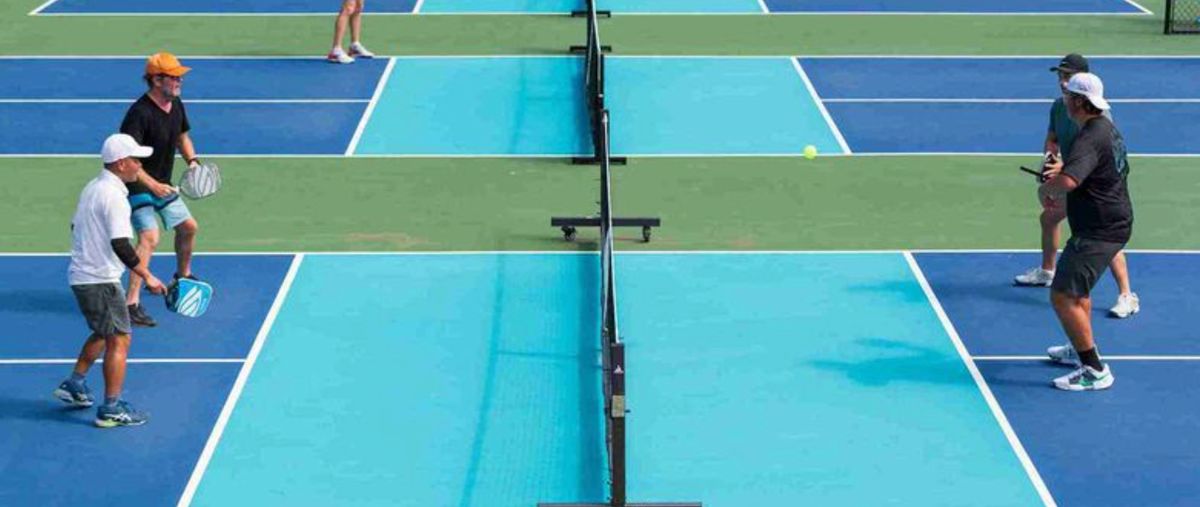
Why Does Communication Break Down Under Pressure?
Most players think they're communicating fine until they're in a tight game and the middle ball drops untouched.
Pressure reveals the habit gaps, and silence is one of the biggest.
Build the calling habit in casual play so it's automatic when the stakes are higher.
It costs you nothing to say the word, and it saves you points you'd otherwise give away for free.
How to Be a Better Doubles Partner in Pickleball
Becoming a better doubles partner in pickleball starts with two things: clear communication and smart court coverage. This guide breaks down the tactics, habits, and positioning strategies that separate good doubles teams from great ones.
 The Dink PickleballThe Dink Media Team
Putting All Five Together
None of these five habits require physical gifts. You don't need to be faster, stronger, or more athletic to do any of them. You need to be more deliberate.
Here's a quick reference for what to ingrain:
- Move with your partner to the kitchen and back, always staying at the same depth unless you're deliberately staggering to poach
- Reset from the transition zone every time, no matter how tempting the drive feels
- Only speed up above net height and earn that ball through aggressive dinking before you attack it
- Mix your dink locations between inside foot, middle, line, and cross-court so your opponent can never sit on one spot
- Call every ball out loud, mine or yours, every single point without exception
The players who separate themselves from 4.0 and reach 5.0 are not doing dramatically different things.
They're doing the same things more consistently, more intentionally, and with fewer moments of forgetting the basics under pressure.
Pick one of these five habits and focus on it for your next three sessions. Once it feels automatic, move to the next one.
That's how you actually climb, not by discovering a new shot, but by making your opponents uncomfortable with the fundamentals you already have.
If you want to keep building, the shots every 4.0 player needs to reach 4.5 are a natural next step once these five habits are locked in.
💡
Heads up: hundreds of thousands of pickleballers read our free newsletter.
Subscribe herefor cutting edge strategy, insider news, pro analysis, the latest product innovations and more.
Frequently Asked Questions
What is the biggest difference between a 4.0 and a 5.0 pickleball player?
The biggest difference is consistency in decision-making, not shot quality. A 5.0 pickleball player rarely speeds up below net height, rarely miscommunicates with their partner, and almost never tries to drive from the transition zone. Those decisions compound into far fewer unforced errors across a full match.
Why should you reset from the transition zone instead of driving?
Driving from the transition zone gives your opponents an easy counter because you're hitting upward from a low contact point, which produces a ball that floats. Resetting keeps the ball low and buys you time to reach the kitchen line, where you have a much better angle. The kitchen line is where points are won, and resetting is how you get there safely.
How do you know when it's the right time to speed up in pickleball?
Speed up when the ball is above net height and your opponent's paddle is in a weak or late position. If the ball is below the tape, don't attack it. Earn the pop-up through patient, varied dinking, and then put it away once you've created it.
What should you call out during a doubles pickleball point?
Call "mine" when you're taking the ball, "yours" when your partner should take it, and "out" or "bounce it" when you think the ball is going long or wide. Call every ball, even the easy ones, because the habit of communicating protects you on the ones that aren't obvious.
Why do 4.0 players end up in scattered court positions?
Most 4.0 players are reacting to the ball and forgetting to track their partner's position at the same time. One player charges the kitchen after a good third shot while the other stays back, creating gaps the opponent can exploit immediately. The fix is to make partner depth awareness a habit you check after every single shot you hit.
Anuncie Aqui / Advertise Here
Sua marca para o mundo Pickleball! / Your brand for the Pickleball world!




 English (US) ·
  Portuguese (BR) ·