
 English
  Spanish
  Portuguese
  German
  Italian
  Japanese
  French
  Polish
  Russian
  Netherlands
  Hungarian
  Turkish
  Videos
  Thedink Pickleball

Pros prize playability over durability – but there lots of factors that determine who's playing with what in 2026
Pro pickleball players are switching paddles left and right in early 2026, and it's not just about the money.
According to Zane Navratil, a professional pickleball player and content creator, the paddle landscape is shifting dramatically due to contract cycles, certification changes, and the fundamental differences between what pros need and what amateur players actually want.
Love pickleball? Then you'll love our free newsletter. We send the latest news, tips, and highlights for free each week.
Why January is Paddle Chaos Season
Most pro contracts end on December 31st, which means January is announcement season. Players reveal their new paddle sponsors, but here's the catch: they're usually playing with last year's model.
Why? Because new paddles typically launch in spring, right before peak pickleball season. Summer brings re-skins and new colors. Fall is when brands send prototypes to the UPA for certification testing. So the timing never quite lines up with the announcements.
Tracking All the New Pro Paddle Deals in 2026
A new year means a ton of top pros are signing fresh paddle sponsorship deals – here’s what we know so far
 The Dink PickleballAlex E. Weaver
The Great Paddle Brand Exodus
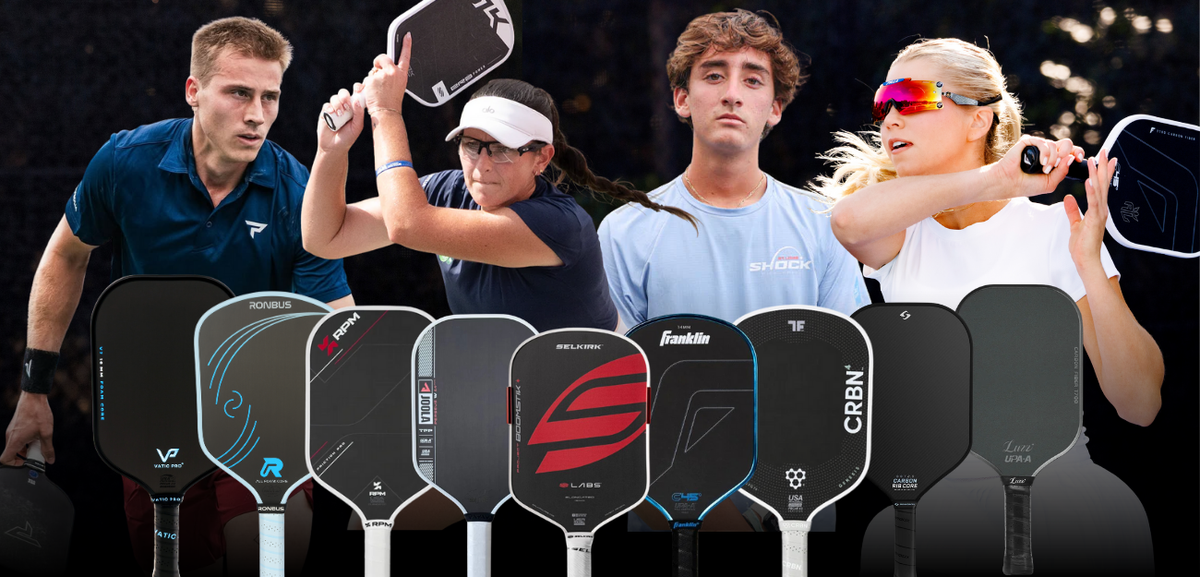
Several major brands are either leaving the pro game or losing their star players. Head, Versix, Bablot, Lotto, Onix, and even Selkirk have all either exited or seen their rosters decimated – or at least drastically reduced, says Zane.
The culprit? The new UPAA certification rules. These stricter standards cost upwards of $60,000 per year to maintain, compared to just $4,500 for a lifetime USAP approval. That's a massive price difference, and it's forcing brands to make tough choices.
Who's Moving Where
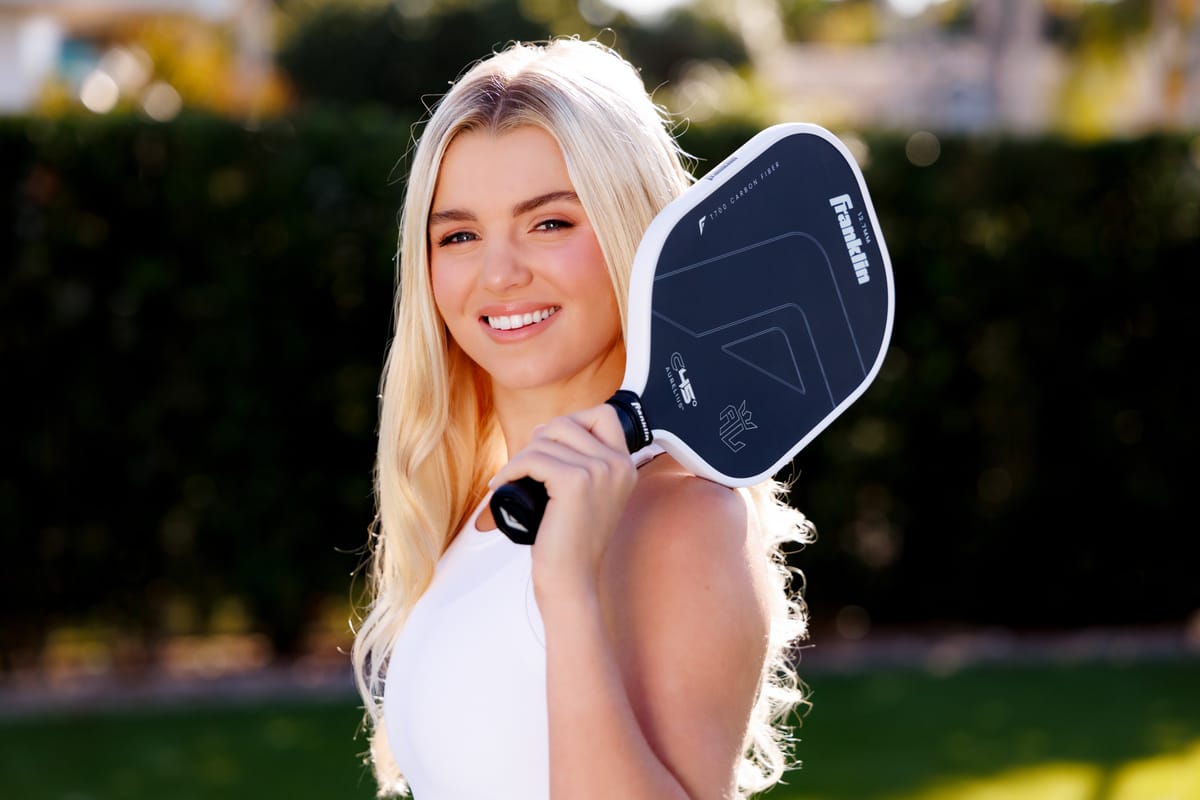
The player movements have been wild. Anna Leigh Waters made the blockbuster move from Paddletek to Franklin in what Navratil estimates as roughly a $10 million deal. Gabe Tardio signed with Vietnamese brand Facalos, making him the biggest U.S.-based player to sign with an Asian paddle manufacturer since Ben Johns joined JOOLA back in 2021.
Meanwhile, new brands are entering the pro space. 11Six24 made a splash by signing Dekel Bar, while Luzz picked up Chris Hayworth, Caitlyn Christian, and Roscoe Bellamy. Diadem made a return to the pro game with Japanese star Yuta Funemizu.
Is Anna Leigh Waters’ Franklin Deal Really Worth $10 Million?
The undisputed #1 women’s pickleball player ever just signed a stunning long-term deal with Franklin. But how much money are we talking here? PicklePod host and UPA pro Zane Navratil weighs in.
 The Dink PickleballThe Dink Media Team
How Pros Actually Choose Paddles
You might think pros just grab whatever paddle comes with the biggest check. Not quite. According to Navratil, the decision process is more nuanced than that.
First, the paddle has to be UPA approved. Second, it can't be garbage. Third, yeah, the sponsorship money matters. But pros also consider the company's marketing ability, prestige, signature paddle opportunities, royalties, and equity stakes.
Pro deals range from free paddles all the way up to that (alleged) $10 million Waters contract. The variation is wild.
💡
Need some new pickleball gear? Get 20% off select paddles, shoes, and more with code THEDINK at Midwest Racquet Sports
Pro Priorities Are Nothing Like Amateur Priorities
Here's where things get really interesting. Pros and amateurs want completely different things from their paddles, which is why what you see on the pro tour looks nothing like what paddle reviewers recommend.
Pros care about:
- Peak playability over durability. Navratil used over 100 paddles per year when he played for Franklin because a 10% drop in performance is huge at the pro level.
- Power and spin. Pros hit the center of the paddle consistently, so they want maximum responsiveness in the sweet spot.
- The "break-in" effect. Pros want paddles that reach peak trampoline effect within a couple of hours of play, even if that means the paddle becomes unplayable tomorrow.
- Compliance. Getting hit with a $2,500 fine and forfeiting prize money for an illegal paddle is a nightmare, so pros obsess over certification.
Amateurs, on the other hand, need control, forgiveness, and a sweet spot that's actually forgiving when they mishit. They want durability because they're not getting free paddles every week.
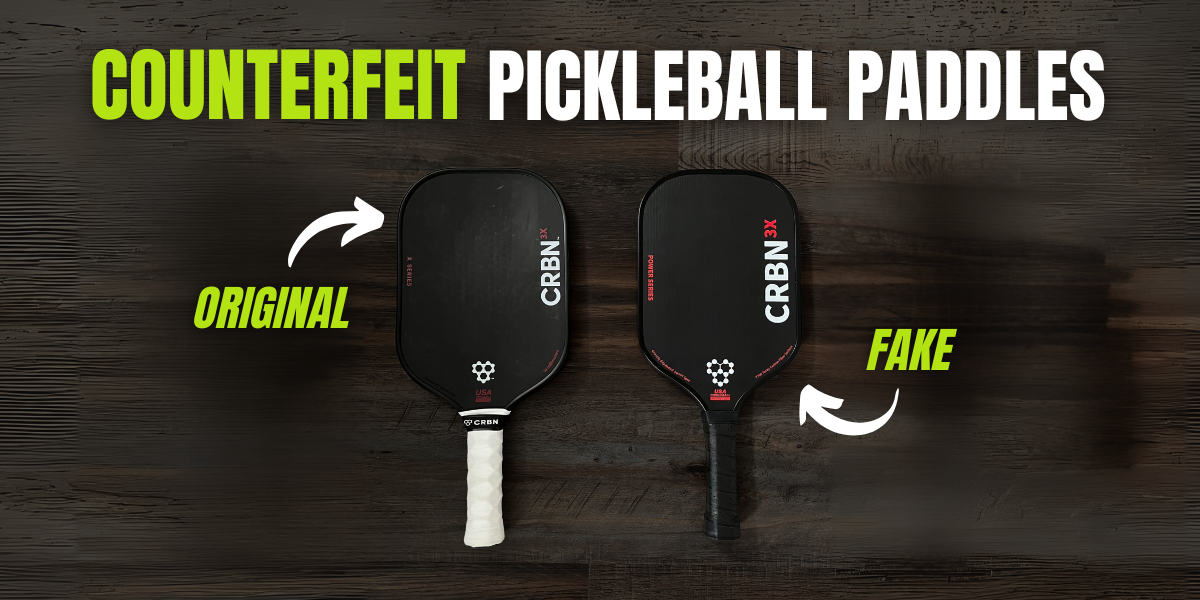
Fake Pickleball Paddles Are Flooding the Market—and Hurting the Sport’s Future
Inside the pickleball paddle black market that’s confusing consumers, costing brands, and undermining the sport’s ability to innovate
 The Dink PickleballAlex E. Weaver
Why Beloved Reviewer Paddles Aren't on Tour
You've probably heard paddle reviewers rave about brands like Bread and Butter, Vatic, Honolulu or Ronbus. So why don't pros use them?
Most of those paddles aren't even UPA approved. They're USAP approved, which is a different certification with different standards. Pros literally can't use them in professional events.
Navratil raises a provocative question: if these paddles are truly excellent, why don't the companies pay the $60,000 to get UPA approval?
His answer? Fear. He thinks these brands are scared their paddles won't perform at the pro level, so they'd rather stay on the pedestal with amateur reviewers than risk their reputation on the pro tour.
The exception is 11Six24, which took the risk and entered the pro game. Time will tell if that gamble pays off.
An Unlikely Union: Dekel Bar Signs with 11Six24
Dekel will debut the new Vapor Power 2 at PPA Masters in January, the first full-foam, UPA-A-approved paddle from 11Six24
 The Dink PickleballAlex E. Weaver

How to Actually Pick Your Paddle
If you're an amateur trying to figure out which paddle to buy, Navratil has some practical advice.
Don't cheap out. Anything under $100 is probably going to disappoint you within a few weeks. But you don't need to spend $300 either.
Watch lower-level pros who aren't sponsored. They're playing with paddles because they like them, not because they're getting paid. Check out what paddle reviewers love, but remember they make money from affiliate links, so take their enthusiasm with a grain of salt.
Stay away from extremes. Don't get something that's super long, super short, super light, super heavy, super powerful, or super soft, he says. Maxing out in one area always means trade-offs elsewhere.
Most importantly, remember that the paddle matters way less than your actual skills. Navratil has beaten 5.0-level players with mini training paddles and wood paddles. Your new $300 paddle won't fix your third shot drop.
At the end of it all, trust yourself. If you like how a paddle feels, that's what matters.
Heads up: hundreds of thousands of pickleballers read our free newsletter. Subscribe here for cutting edge strategy, insider news, pro analysis, the latest product innovations and more.
Anuncie Aqui / Advertise Here
Sua marca para o mundo Pickleball! / Your brand for the Pickleball world!


 English (US) ·
  Portuguese (BR) ·