
 English
  Spanish
  Portuguese
  German
  Italian
  Japanese
  French
  Polish
  Russian
  Netherlands
  Hungarian
  Turkish
  Videos
  Thedink Pickleball

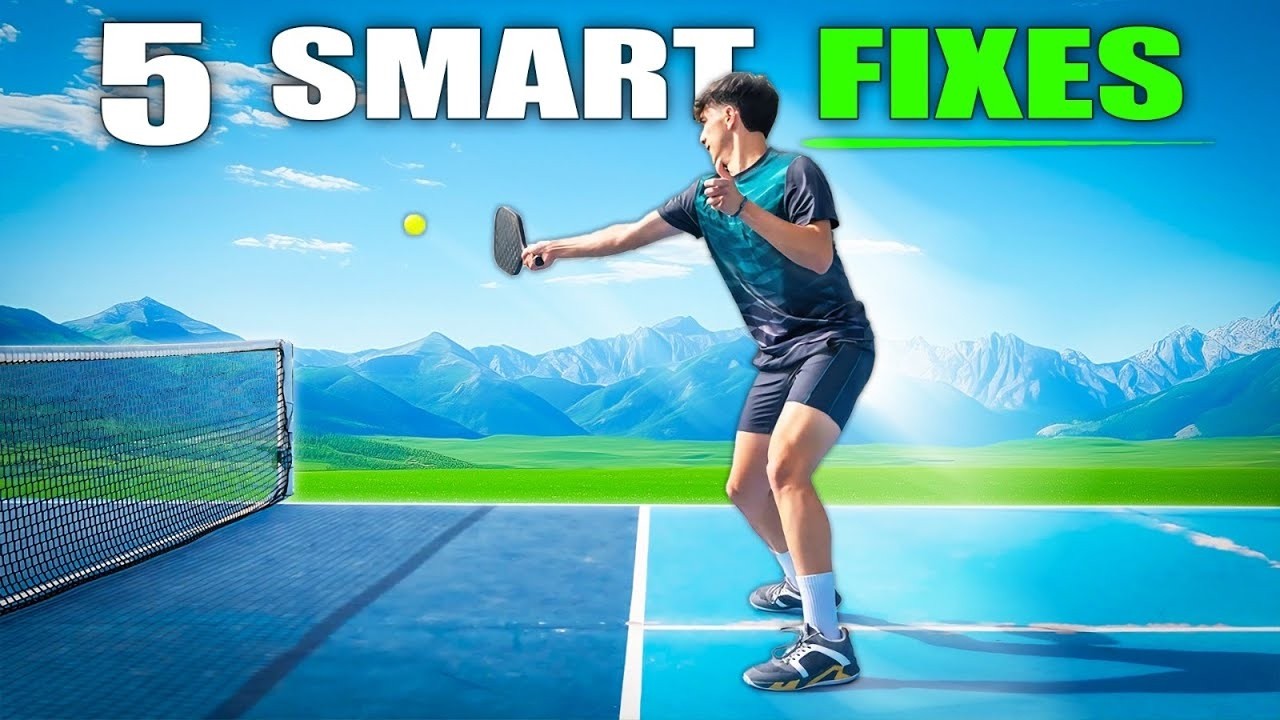
Most players think a slice return needs a big wrist snap. Mari Humberg's 6.042 DUPR slice return proves the opposite, and here's exactly how she does it.
Your slice return floats. It sits up. The opponent walks in and drives it right back at your feet before you can even think about the kitchen.
The problem almost never comes from lack of effort. It comes from three or four specific technical mistakes that players repeat every single time they try to slice.This breakdown comes from Ed Ju on YouTube, who spent a session working directly with professional player Mari Humberg, rated 6.042 DUPR, to break down exactly how she generates so much slice with so little visible effort.
Love pickleball? Then you'll love our free newsletter. We send the latest news, tips, and highlights for free each week.
What Actually Makes a Slice Return Work?
A slice return works when the ball skids low off the bounce, stays deep, and pins the server back before they can attack.
Mari Humberg does all three of those things consistently because she has been slicing since she was seven years old, starting from a tennis background.
But here is what matters for you: every principle she uses can be taught and repeated.You do not need twenty years of reps to start hitting a better slice return today.
The concept is simple. Slice, also called underspin, means the ball spins backwards as it travels.Topspin spins forward and kicks up off the bounce. Slice spins backward and stays low, sometimes skidding almost flat off the court surface.
That low skid is exactly why the slice return is such a powerful weapon.Your opponent has to deal with a ball rising from below the net, which makes it very hard to attack aggressively.
What Grip Should You Use for a Slice Return?
Grip is the starting point. Humberg plays almost every shot in pickleball with a grip that sits between continental and eastern.
Continental is the classic handshake grip. You shake hands with the paddle and that is continental.
From there, Humberg shifts just slightly toward eastern, rotating the paddle a touch clockwise in her hand.For the slice return specifically, she stays right in that same range. If you are already using a continental grip, you are close enough to start.
Anything between continental and eastern gives you the paddle angle you need.
One more detail worth noting: Humberg now chokes up on the handle.She moved her grip up on the handle about six months before filming this session to support her two-handed backhand, and she has not gone back.
It is not required for slicing, but it shows how grip decisions affect every shot you hit.
💡
Need some new pickleball gear? Get 20% off select paddles, shoes, and more with code THEDINK at
Midwest Racquet SportsWhy Are You Using Too Much Wrist?
This is the mistake that kills most slice returns before they even start. Players see pros hit heavy slice and assume the wrist is doing all the work. It is not.
Wrist adds variability. Variability means inconsistency.If you are new to slicing or do not come from a tennis background, adding extra wrist motion makes the shot harder to control, not easier.
Humberg is direct about this: take the wrist out.
The slice spin comes from two things instead, the open paddle face and the direction of the swing path. Not from flicking at the ball.If you want more spin, open the paddle face more. If you want more depth, extend your swing forward.
Neither of those adjustments requires your wrist to do anything dramatic.Ed was making the wrist mistake during the session. Humberg pointed out that he missed more balls when he added wrist, and not coincidentally.
The fix was immediate when he stopped trying to snap through the ball and started guiding it instead.
If you keep struggling with your return going long, excess wrist is almost always part of the problem.
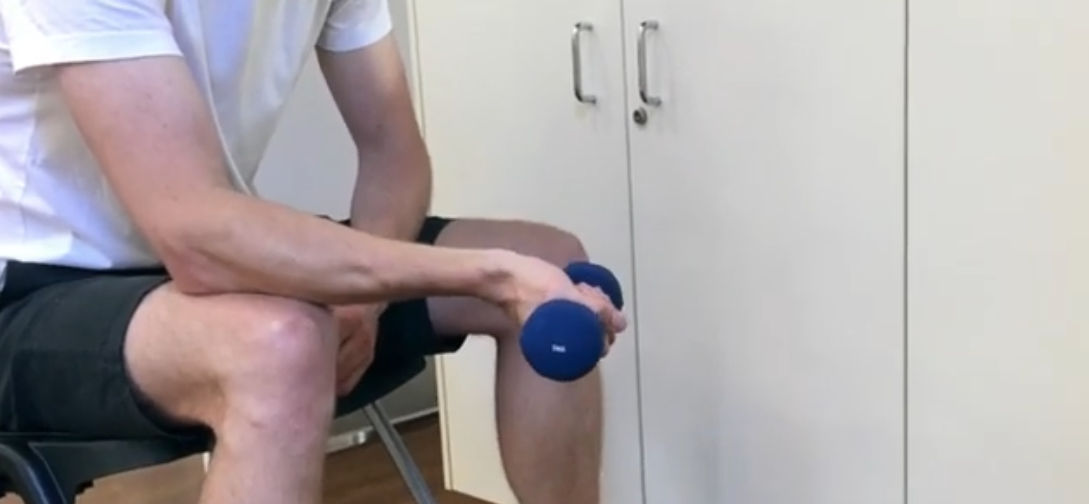
Strengthen Wrists for Pickleball: 6 Key Exercises
If you want to strengthen wrists for pickleball, you need more than just court time, you need targeted exercises that protect your tendons and forearm muscles from repetitive stress. These 6 moves build the wrist stability and resilience every serious player needs.
 The Dink PickleballThe Dink Media Team
The Paddle Path That Generates Real Slice
Here is the mechanical core of the shot. For topspin, you swing low to high, brushing up the back of the ball. For slice, you do the opposite.
You cut across and slightly under the ball, moving forward and slightly downward.Humberg describes the angle as about one degree downward from straight forward. That is barely any downward angle at all.
The paddle face is open, and you are pushing through the ball, not chopping down on it.The word "chopping" is important here. Chopping means a steep downward swing that kills your depth and control.
Pushing means a compact, forward swing with an open face that creates underspin naturally.
The ball does not go up because you are not swinging low to high. It travels forward with slice because the face angle and direction work together.
Think of it as a push with a slightly tilted paddle rather than a chop or a swipe. That mental image will fix more problems than any technical description.
The exception is when the ball is sitting up high. If a serve bounces up into your strike zone, you can swing downward more aggressively.
That is how Humberg generates a heavier slice on high balls, and it is also how she hits the drop shot version of this technique.But for a standard return of serve, stay close to flat and forward.
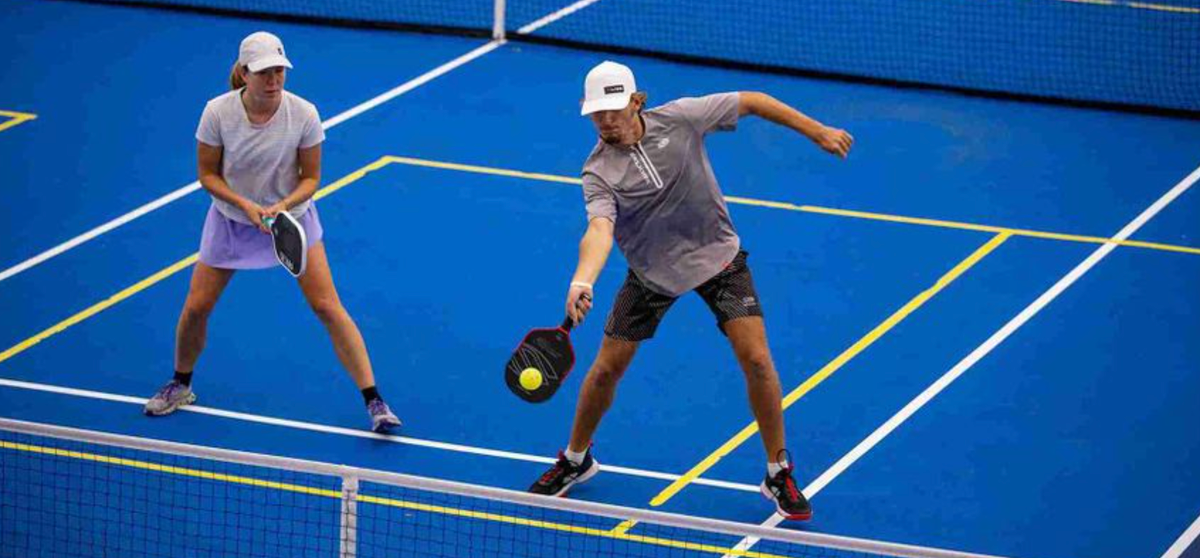
Topspin Pickleball Technique: Brush Angle & Paddle Path
Topspin pickleball technique is built on two fundamentals: a steep brush angle and a low-to-high paddle path. Nail both, and you’ll hit shots that land deep, kick high, and force your opponents into uncomfortable defensive positions.
 The Dink PickleballThe Dink Media Team
Contact point is everything. Humberg wants you hitting the ball out in front of your body, not near your hip or at your side.
When Ed made contact too close to his body during the drill, the ball had no pace and no spin. The shot died immediately.
When he extended and hit the ball further out in front, the slice sharpened and the depth came with it.This is especially important on the backhand side. You cannot generate a clean slice backhand if the ball is already past you.
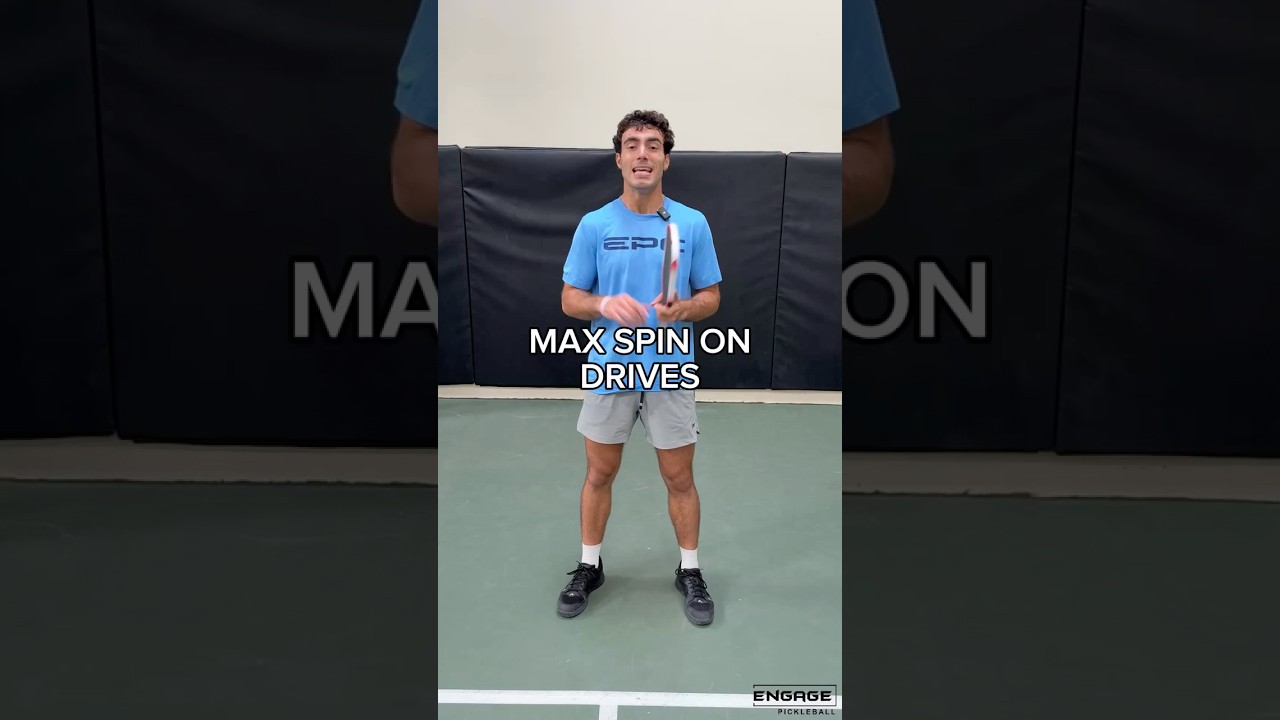
Get to it early and hit it while it is still out ahead of your lead hip.Pickleball Drive Spin: The Contact Point Fix That Works
Most players lose pickleball drive spin because they make contact too close to their body. Move your contact point to your front leg and you will feel the difference immediately.
 The Dink PickleballThe Dink Media Team
How to Add Pace Without Swinging Harder
This is one of the most useful things Humberg teaches in the session. On most shots, you add pace by swinging harder.
On the slice return, you add pace by attacking with your body.
She describes it as tackling the ball. You move into the shot with your whole body rather than just swinging your arm faster. The swing stays compact.
Your body does the work.
Ed tried to add pace by increasing his arm swing and the shot got sloppy. When he moved into the ball instead, the pace jumped and the slice got sharper.Grip pressure and body mechanics working together is what separates a weak slice from a biting one.
The return of serve is a perfect place to apply this. Start further back than usual. As the ball bounces, move forward into it aggressively.
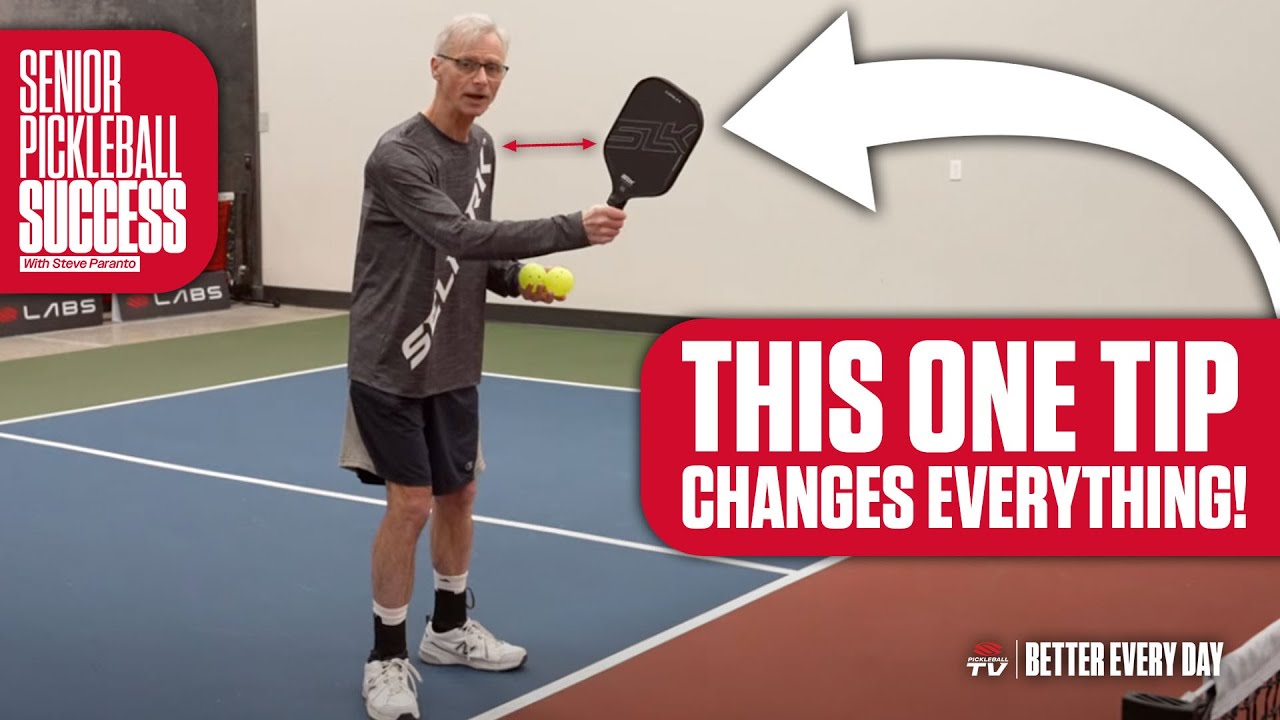
Hit it compact, hit it out in front, and let your momentum do the heavy lifting.How Early Preparation Buys Time & Slows Down Pace of Play in Pickleball
When you’re prepared early, you’re not rushed. When you’re not rushed, you make better decisions. When you make better decisions, you win more points.
 The Dink PickleballThe Dink Media Team
Drilling the Slice Return the Right Way
Humberg recommends hand feeding as the best way to learn the slice, either with a partner or by tossing to yourself.
Here is why: when you hand feed, there is no incoming pace to rely on. You have to generate everything yourself.That forces you to learn the correct mechanics instead of just redirecting someone else's power.
Once you can hand feed a clean slice, returning a serve becomes much easier because the serve gives you pace to work with.
Use this progression when you practice:
- Hand feed to yourself, forehand side first, focusing only on an open paddle face and a forward swing path
- Have a partner hand feed from about ten feet away, still forehand
- Repeat both steps on the backhand side
- Move to live serves at half pace, keeping the swing compact
- Add full pace serves and focus on moving into the ball with your body
Do not rush to step four. The hand feed drill exposes every technical mistake fast. If you are chopping, you will see it immediately because the ball will die short.
If you are using too much wrist, you will miss more than you make.Structured drills like this are how players move from 3.0 to 5.0, and the slice is one of the fastest shots to sharpen when practiced intentionally.
5 Pickleball Drills That Will Transform Your Game in 2026
Five simple yet powerful pickleball drills can completely reshape how you play. These mechanics focus on consistency, footwork, and positioning to help you see immediate results on the court.
 The Dink PickleballThe Dink Media Team
Why the Slice Return Is Tactically Dangerous
The slice return is not just a neutral shot. Used correctly, it is an offensive weapon that puts the server at a real disadvantage.
Here is what the server faces when you hit a quality slice return:
- A ball that stays low after the bounce, making it hard to drive aggressively
- A ball with heavy backspin that reacts differently off the paddle than a flat or topspin shot
- You already moving toward the kitchen because your body attacked the ball on the way forward
- Depth that pins them at the baseline and limits their third shot options
Humberg demonstrated this in the session by returning full power serves from Ed and sending the ball back deep and low while simultaneously arriving at the kitchen line.
Ed's own power worked against him because the slice absorbed and redirected it.If you struggle against big servers, the slice return is one of the best tools available to you.
Players who rely on positioning rather than raw athleticism especially benefit from it because the shot requires technique and timing, not speed.
The slice also sets up the third shot drop battle in your favor.If your return is low and deep with backspin, the server's third shot becomes much harder to hit clean.
Placement matters on the third shot, and a good slice return removes several of their best options before they even swing.
One more thing worth knowing. The same mechanics that make a slice return work also apply to slice drops, transition slices, and even slice dinks.Humberg uses the same grip and the same open face forward path on all of them.
So every rep you put into your slice return is also improving several other shots at the same time.That is an efficient way to practice, and it is why focused technical work raises your DUPR faster than just playing more games.
💡
Heads up: hundreds of thousands of pickleballers read our free newsletter.
Subscribe herefor cutting edge strategy, insider news, pro analysis, the latest product innovations and more.
Frequently Asked Questions
What grip should I use for a pickleball slice return?
Use a grip between continental and eastern for the best slice return results. Continental is the handshake grip, and you shift just slightly clockwise from there. Anywhere in that range gives you the paddle angle needed to cut under the ball cleanly.
Do I need to use my wrist to generate slice in pickleball?
No, wrist is actually the main thing that makes slice returns inconsistent. Mari Humberg generates heavy slice with an open paddle face and a forward swing path, no wrist snap required. If you want more spin, open the face more rather than adding wrist motion.
Why does my slice return float instead of staying low?
A floating slice return usually means you are chopping down instead of pushing forward. The paddle path should go forward and only slightly downward, not steeply down. Open your paddle face and think about pushing through the ball rather than cutting under it.
How do I add pace to a slice return without losing control?
Move your body into the ball instead of swinging your arm harder. Humberg calls it tackling the ball: you start back, move forward aggressively into the shot, and keep the arm swing compact. Your momentum adds pace without adding variability.
Can I hit a slice return on both forehand and backhand sides?
Yes, the mechanics are the same on both sides. Open paddle face, forward swing path, contact out in front of your body, and body moving into the shot. Humberg uses the same grip and technique on forehand and backhand slice returns.
Anuncie Aqui / Advertise Here
Sua marca para o mundo Pickleball! / Your brand for the Pickleball world!





 English (US) ·
  Portuguese (BR) ·