
 English
  Spanish
  Portuguese
  German
  Italian
  Japanese
  French
  Polish
  Russian
  Netherlands
  Hungarian
  Turkish
  Videos
  Thedink Pickleball

The triangle pattern is one of the most powerful concepts in pickleball, but most players never practice it correctly. This wall drill teaches you the exact angles you need to make it work in a real game.
The triangle pattern pickleball concept sounds simple in theory. Speed up cross body, redirect your opponent, open the court.
But in a real rally, most players execute it wrong because they have never trained the actual angles their shots produce.The problem is almost always the same. You speed up straight on, expecting a diagonal response, and instead the ball comes right back at you.
Or you go cross body but the angle is so shallow it gives your opponent an easy put away.
This drill fixes both of those problems, and you can do it alone against any solid wall.
It comes from Tanner Tomassi on YouTube, and the concept is straightforward enough to practice in 15 minutes before you ever step on a court.
Love pickleball? Then you'll love our free newsletter. We send the latest news, tips, and highlights for free each week.
What Is the Triangle Pattern in Pickleball?
The triangle pattern is a shot sequencing concept where you use the angle of your speed up to redirect your opponent and create an open lane for your next attack.
When you speed up cross body, the return angle comes back diagonally across the court.
When you speed up straight on, the return comes straight back at you. Understanding those two physics principles is the entire foundation of the pattern.
Most players have heard the phrase "move your opponent" but they treat it like a vague idea rather than a geometry problem.The triangle pattern gives you a specific, repeatable framework for where to aim based on where you want the next ball to land.
Think of it this way. You are not just attacking a ball. You are setting up the court for your next shot before your opponent even contacts the ball.Why the Wall Drill Works Better Than Partner Drilling First
The wall gives you instant, honest feedback.
A partner can mishit, adjust their positioning, or accidentally cover the angle you were trying to create. A wall cannot.When you hit a ball into a wall, physics takes over completely.
The return angle is exact. That makes it the cleanest environment to train your understanding of how contact point and direction interact.
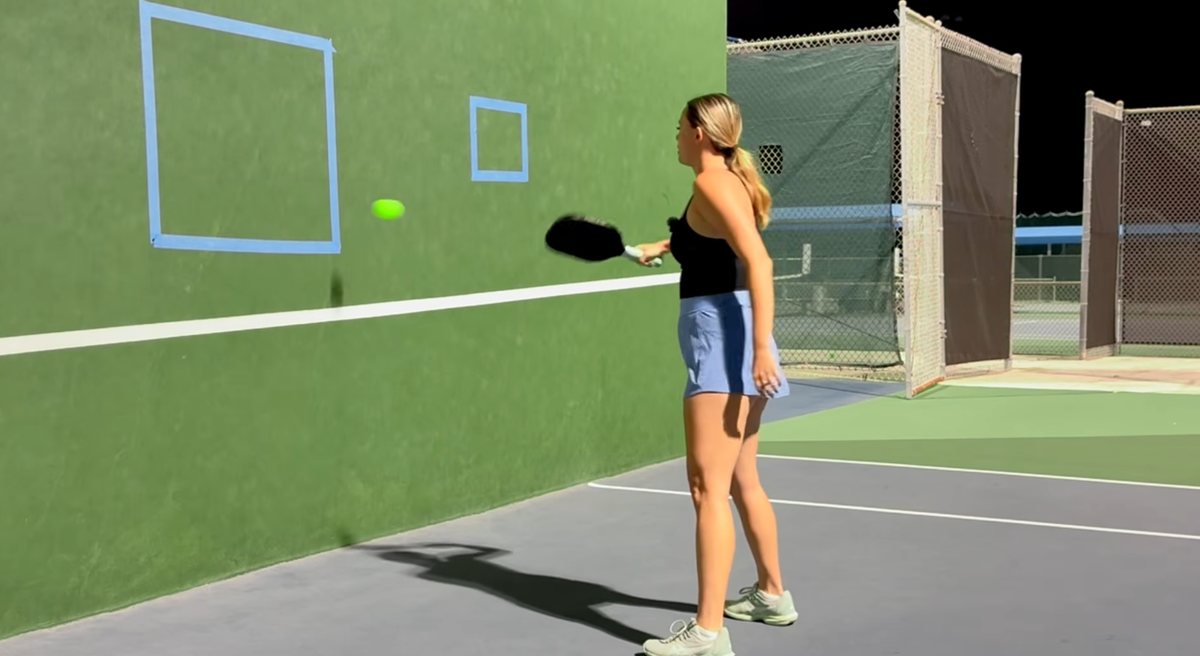
The setup is specific: stand exactly 7 feet from the wall. That distance replicates how far you are from the net to the kitchen line in a real game.
You are not just doing a random wall rally.
You are recreating the actual spatial relationship you deal with at the non-volley zone.This matters more than most players realize.
If you practice too close or too far, the timing and angle feedback you get will not translate to match play. Seven feet is the number.
Do not approximate it.
Simple Pickleball Wall Drills to Reach 5.0
It’s just you, your paddle, and the opportunity to repeat the same movement hundreds of times until it becomes muscle memory.
 The Dink PickleballThe Dink Media Team
How to Run the Triangle Pattern Wall Drill
Here is the step-by-step process for getting the most out of this drill:
- Mark your spot. Measure 7 feet from a solid wall, ideally a flat concrete or brick surface with no gaps. Place a piece of tape or a cone at your feet so you stay consistent.
- Start with a straight-on feed. Drop the ball and hit it directly into the wall at chest height. Watch where it comes back. It should return directly to you. This is the baseline response you will compare everything else against.
- Switch to a cross body angle. Now hit the ball toward the far left or right edge of your reach, still aiming at the wall. Watch how the rebound kicks diagonally away from you. That diagonal is your opening in a real game.
- Alternate intentionally. Go straight, then cross body, then straight again. The goal is to feel the difference in your body, not just see it with your eyes. You want your muscles to learn what "cross body contact" actually feels like at this distance.
- Add pace gradually. Once you understand the angles at a controlled pace, increase the speed of your feed. The angle physics stay the same, but your reaction window shrinks. This is where real match simulation begins.
- Track the triangle mentally. As the ball ricochets, visualize where your next shot should go based on the angle you just created. The wall drill trains you to think one shot ahead, which is exactly what the triangle pattern demands in a game.
Keep your sessions short and focused. Ten to fifteen minutes of intentional wall work beats forty-five minutes of mindless hitting every time.
If you want more structure around your solo sessions, check out these pickleball drills at home you can run without a court.
The Pickleball Pattern Drill: How to Train Like a Pro
The pickleball pattern drill is one of the most effective ways to sharpen your counters and anticipation. Cori Elliott breaks down exactly how to run this drill and why it matters for competitive play.
 The Dink PickleballThe Dink Media Team
What Does Your Opponent Actually Do With Your Speed Up?
Think of your opponent as the brick wall. That is the core mental model here, and it is worth sitting with for a moment.
Your opponent is not some unpredictable variable. At the kitchen line, with a fast ball coming at them, they are mostly reacting.
Their response angle is heavily influenced by the angle you gave them.
This is why where you aim your speed up matters more than how hard you hit it.A cross body speed up produces a diagonal return. A straight-on speed up produces a straight return.
Once you internalize that, you stop being surprised by where the next ball goes and start anticipating it.
That anticipation is what separates a 4.0 player from a 4.5 player at the kitchen line.
For a deeper look at how pros use angle and placement to control rallies, the breakdown of Anna Leigh Waters' rhythm and shot selection is worth your time.
Why You’re Stuck at 4.0: 5 Habits of a 5.0 Pickleball Player
The gap between 4.0 and 5.0 isn’t about power or athleticism. It comes down to five specific habits that 5.0 pickleball players use in every single point.
 The Dink PickleballThe Dink Media Team
Why Do Most Players Get the Triangle Pattern Wrong?
The most common mistake is going straight on when you should go cross body.
Players see an opportunity to attack and they take the most direct line to their opponent's body, which gives back a straight return and keeps the rally even.
The second mistake is hitting cross body with no real intention.You angle the ball, the return kicks diagonally, and then you are not ready for it because you did not plan for it.
The triangle only works when you are already moving before the bounce.
A third error is confusing pace with placement. Players think speeding up harder gives them more control over the rally outcome. It does not.Placement and angle drive the triangle pattern. Pace just makes it harder for your opponent to handle, but it does not change the fundamental geometry.
If your speed ups keep getting countered, there is a good chance your contact angle is telling your opponent exactly where the ball is going.Learn more about why your pickleball speed up keeps getting attacked and what to adjust.
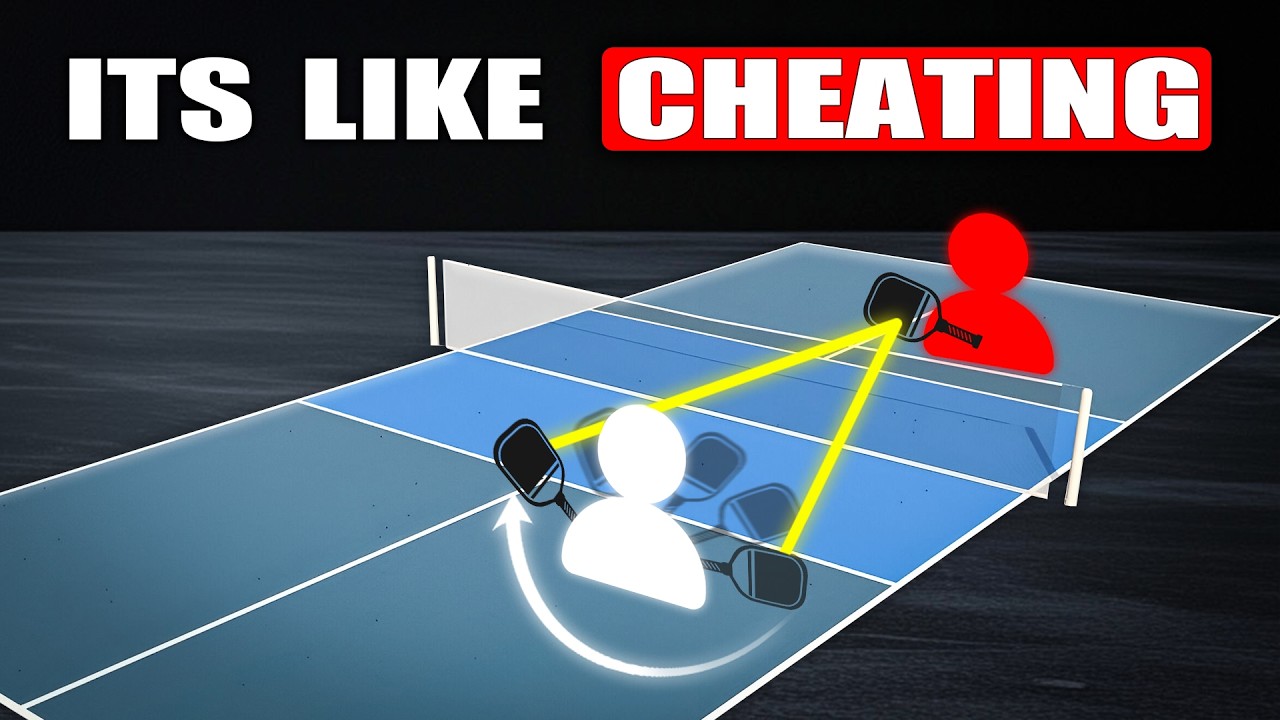
4 Pickleball Patterns to Win More Points
Understanding pickleball patterns is the fastest way to improve your game without hitting thousands of balls. These four essential pickleball patterns will transform how you read the court and anticipate your opponent’s next move.
 The Dink PickleballThe Dink Media Team
How Does This Drill Connect to Real Match Play?
The wall drill builds the muscle memory.
But you still need to transfer it to a live game, where your opponent moves, adjusts, and does not always behave like a flat surface.Here is how to bridge that gap:
- Shadow the pattern during warm-up. Before you play, run through the cross body and straight-on feeds against the wall for five minutes. You are priming your brain for the angles you will use in the match.
- Pick your triangle before you speed up. In the rally, identify which direction you want the return to come before you attack. Then choose your contact angle to produce that direction.
- Watch the rebound, not your opponent. Train your eyes to track where the ball goes off your opponent's paddle, not where they are standing. This gives you earlier information about the return angle.
- Reset when the triangle breaks down. If you hit cross body and your opponent covers the angle, do not panic and attack again. Reset the point with a soft shot and rebuild the pattern. For help keeping your resets clean under pressure, see these 3 fixes to reset every pickleball speed up.
Consistent execution of the triangle pattern also depends on your ability to read the kitchen line in real time.
Strong cross court strategy in pickleball is built on the same angular thinking this drill develops.
A Top Pickleball Pro’s Real Daily Drilling Sequence
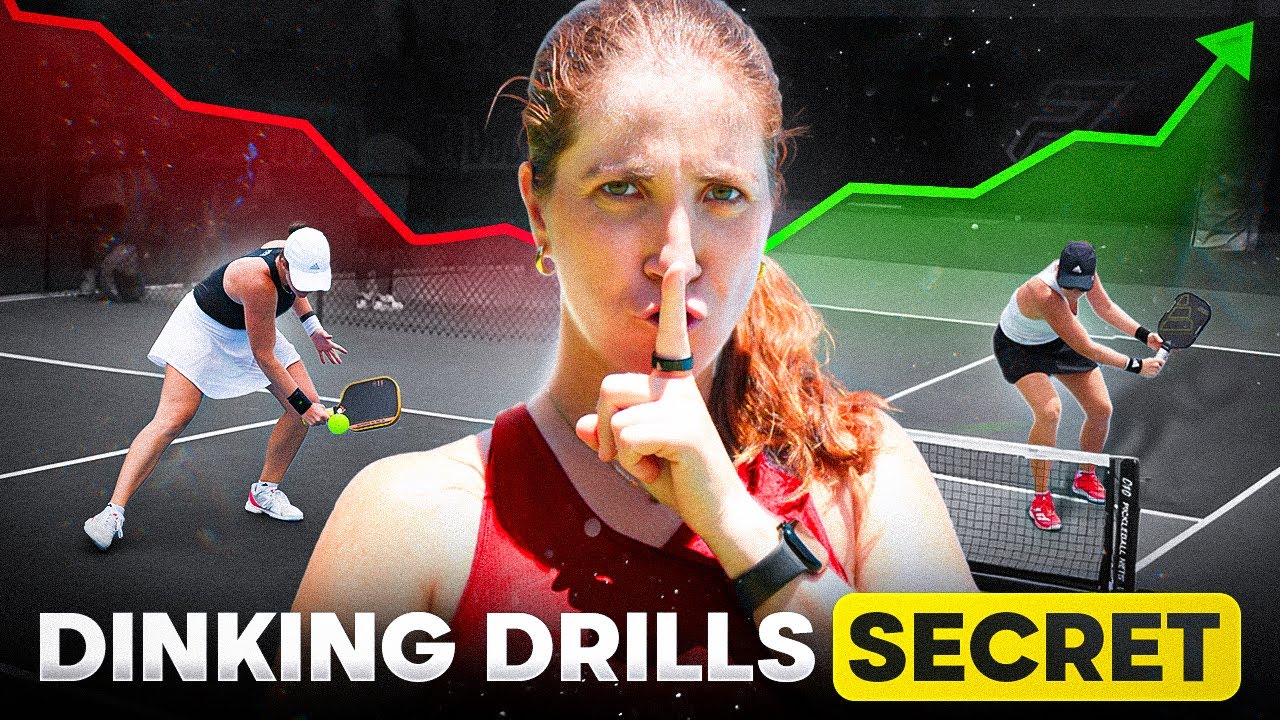
Mari Humberg breaks down her complete dinking drill sequence, revealing the exact drills she uses every single day to build consistency and control. From 100-rep consistency challenges to competitive dinking games, this is the blueprint for serious pickleball training.
 The Dink PickleballThe Dink Media Team
Is the Triangle Pattern Only for Advanced Players?
No. The concept is actually easier to understand than most advanced techniques because the physics are predictable.
If anything, learning this pattern early saves you years of bad habits.
Where it gets harder is in the execution under pressure. At slower speeds and lower levels, you have more time to set up the angle.As you move up in level, the window shrinks and your contact precision needs to improve accordingly.
Start at a pace that lets you feel the difference between cross body and straight-on contact.
Then increase pace slowly. The pattern works at every level once your contact is reliable enough to direct the ball with intention.Even players working toward their next rating jump will find this concept directly useful.
These 5 pickleball drills that raise your DUPR rating fast pair well with the triangle wall drill as part of a complete practice routine.
Pair the triangle pattern work with your dinking consistency and you will start to see real gaps open up on the court.The one cross court dinking tip that stops opponents cold is a natural complement to what you are building here.
Advanced Dinking Patterns: A 4.0 Pickleball Guide
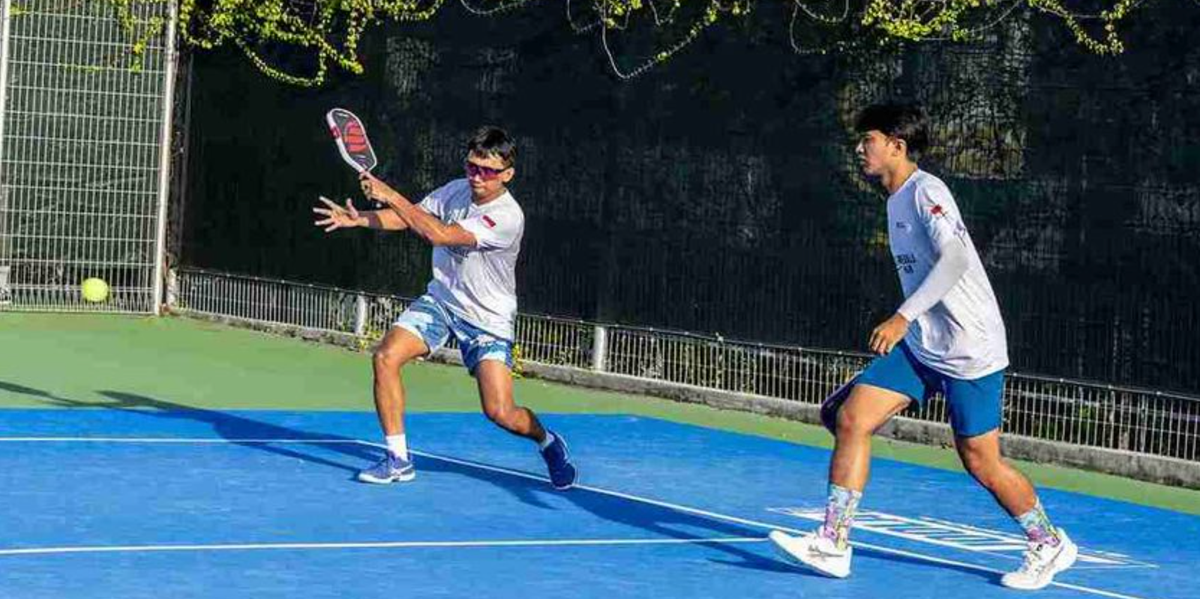
Advanced dinking patterns 4.0 pickleball demands are completely different from recreational play. It’s not about keeping the ball in, it’s about systematic pressure. This guide breaks down the four core patterns that separate good kitchen players from great ones.
 The Dink PickleballThe Dink Media Team
Making the Triangle Pattern a Habit
Habits form through repetition in low-stakes environments. That is exactly what the wall drill gives you. You are not trying to win a point.
You are building the pattern into your movement and contact mechanics through clean, intentional repetitions.
Ten minutes a day for two weeks will do more for your kitchen line offense than ten hours of unstructured play.
The wall does not lie, it does not adjust, and it does not let you get away with a lazy contact angle.
Once you can feel the difference between cross body and straight-on contact without thinking about it, start applying the triangle pattern consciously in your next few match sessions.You will be surprised how quickly your opponents start giving you the openings you set up.
To keep improving your practice quality beyond the wall drill, look at what 5 pickleball drills a PPA pro still uses every practice can add to your weekly routine.
Also worth studying is how to build two-shot combinations that set up easy attacks, which is the natural extension of the triangle concept once your angles are reliable.
The triangle pattern is not a trick. It is geometry applied to pickleball. The wall drill just makes that geometry something you can feel, not just understand.
💡
Heads up: hundreds of thousands of pickleballers read our free newsletter.
Subscribe herefor cutting edge strategy, insider news, pro analysis, the latest product innovations and more.
Frequently Asked Questions
What is the triangle pattern in pickleball?
The triangle pattern is a shot sequencing strategy where you use the angle of your speed up to redirect your opponent and create an open lane on the court. A cross body speed up produces a diagonal return, while a straight-on attack comes back straight. Knowing this lets you position for your next shot before your opponent even contacts the ball.
Why do you stand 7 feet from the wall for this drill?
Seven feet replicates the distance from the net to the kitchen line in a real game. Practicing at that exact distance means the timing and angle feedback you get from the wall translates directly to match play. Using a different distance will give you misleading feedback that does not carry over.
Can I practice the triangle pattern without a partner?
Yes. The wall drill is specifically designed for solo practice and is one of the best ways to train this concept because the wall gives you perfect, unfiltered angle feedback. A partner can absorb or deflect the angle with their body positioning, but a flat wall always returns the ball at the exact angle you created.
How long before the triangle pattern shows up in my game?
Most players start to feel the difference in contact angle within two to three focused wall sessions. Applying it consistently in live play usually takes another one to two weeks of deliberate in-game attempts. The key is being intentional about choosing cross body versus straight-on before you speed up, not after.
What happens if my opponent covers the triangle angle?
If they cover the angle, do not force another attack. Reset the point with a soft shot and rebuild your position at the kitchen line. Trying to overpower a covered angle usually produces a pop-up or an error.
The triangle only works when you have a genuine opening, so patience is part of the strategy.
Anuncie Aqui / Advertise Here
Sua marca para o mundo Pickleball! / Your brand for the Pickleball world!





 English (US) ·
  Portuguese (BR) ·