
 English
  Spanish
  Portuguese
  German
  Italian
  Japanese
  French
  Polish
  Russian
  Netherlands
  Hungarian
  Turkish
  Videos
  Thedink Pickleball

The beauty of these two fixes is that they work together – a palm-down toss gives you the space to swing, weight transfer gives you the power to swing hard
Your serve is supposed to be your most reliable weapon in pickleball.
It's the one shot you control completely, with no opponent interference, no pressure from the kitchen line, nothing but you, the ball, and the court. So why do so many players sabotage themselves right from the start?
James Ignatowich recently broke down the two most common serve mistakes he sees at the recreational level. If you're struggling to generate power or consistency on your serve, there's a solid chance one of these issues is holding you back.
Love pickleball? Then you'll love our free newsletter. We send the latest news, tips, and highlights for free each week.
The Palm-Up Problem: Why Your Toss Is Betraying You
Let's start with the most obvious culprit: serving with your palm facing up. It seems natural, but the palm-up toss creates a cascade of problems.
- When your palm faces up during the toss, the ball tends to go higher than it should
- Not only does this make your serve illegal in many situations (the rules require the ball to be below waist height at contact), but it also pulls the ball closer to your body
- And when the ball drifts toward your torso, you lose the space you need to swing freely and accelerate through the shot
The Pickleball Serve Basics: Rules, Technique & Pro Tips from Michael Loyd
Fix your serve, and your entire game gets easier. You start points on offense instead of defense. Your opponent’s return is weaker. Your third shot is simpler. It all flows from that one shot you control completely.
 The Dink PickleballThe Dink Media Team
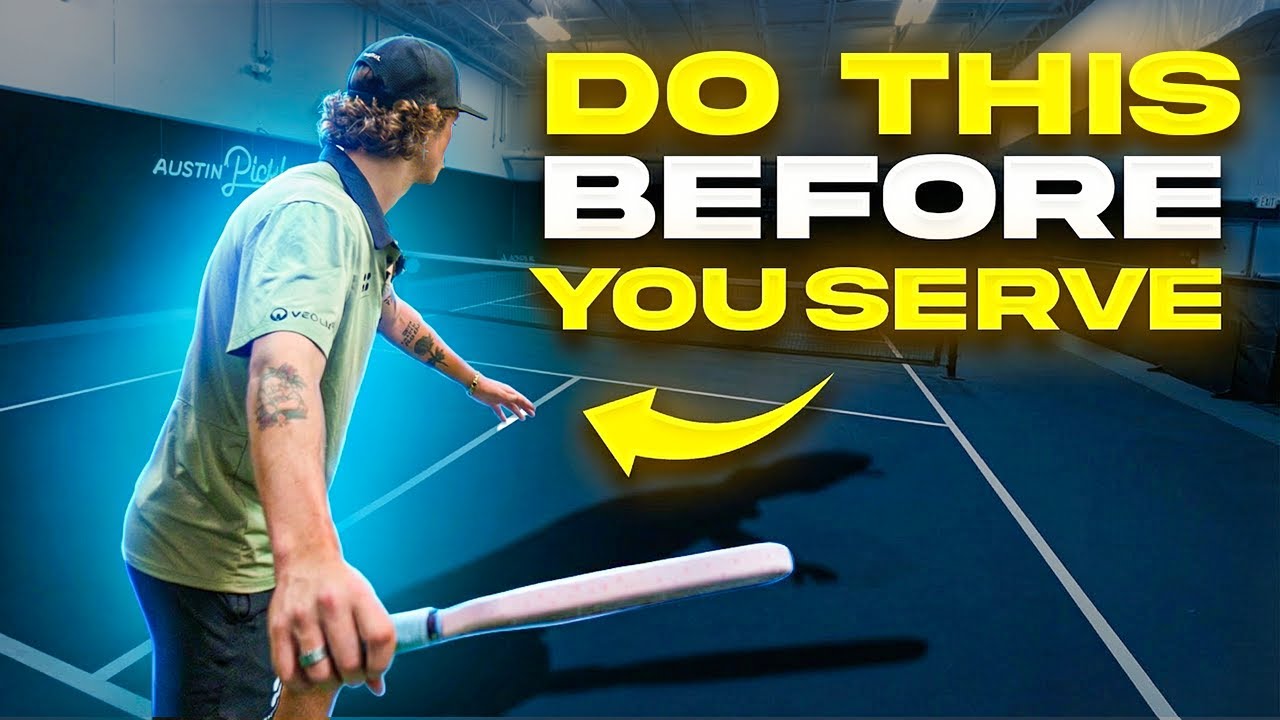
The Flip: Why You Should Use a Downward Facing Palm
The fix is deceptively simple: flip your palm down.
When your palm faces down during the toss, the ball travels directly downward and stays in front of your body. This gives you the space and momentum you need to swing through the ball with real power.
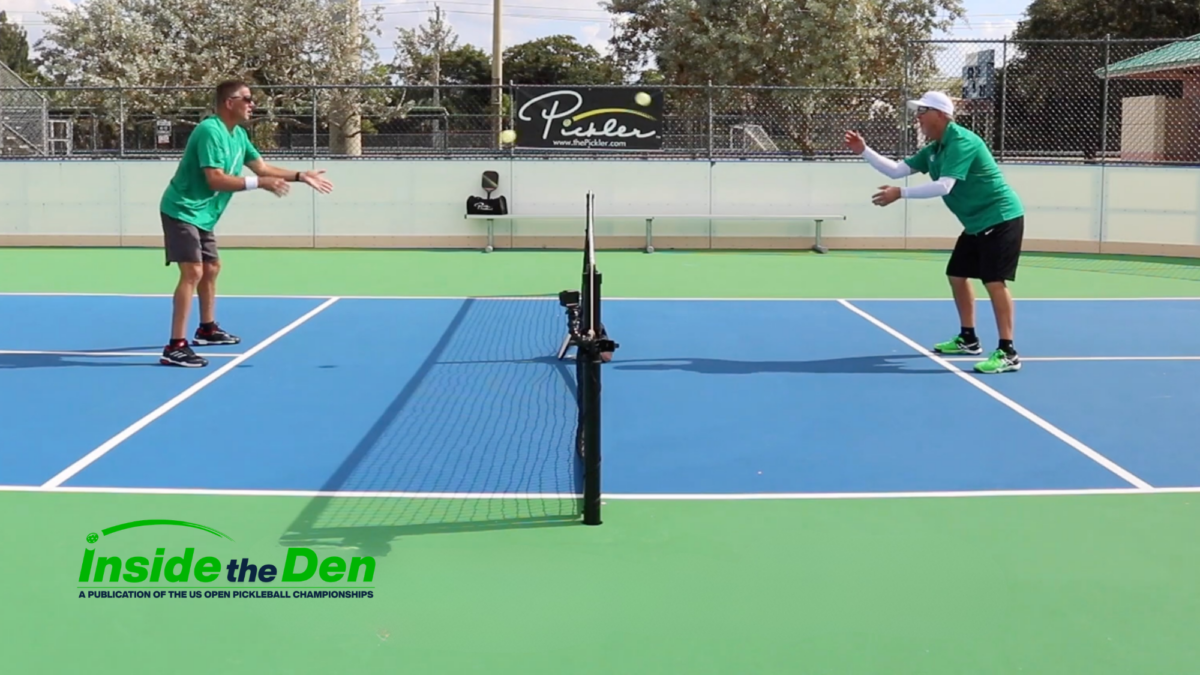
Ignatowich demonstrates this by comparing two serves side by side. With the palm-up toss, he's jammed up, restricted, and the serve lacks punch. With the palm-down toss, he has room to work, and the serve explodes off the paddle. The visual difference is striking, and it's something you can implement immediately on the court.
Plus, there's a legal bonus here. If your palm is down and you're tossing at waist height, you're almost guaranteed to stay within the rules.
It's All in the Hips
Here's where a lot of recreational players get it wrong: they think the serve is an arm shot. They plant their feet, keep their legs still, and try to generate all their power from the shoulder and elbow.
It's a fundamental misunderstanding of how the body actually works.
The second most important thing you can do with your serve is transfer your weight forward. This isn't some advanced technique reserved for pros. It's basic physics. When you move your body weight into the shot, you're adding momentum and leverage that your arm alone simply cannot generate.
💡
Need some new pickleball gear? Get 20% off select paddles, shoes, and more with code THEDINK at Midwest Racquet Sports
A Powerful Serve is the Sum of its Parts
So how do you fix this? Ignatowich offers a drill that's almost embarrassingly effective: treat your serve like an underhand throw.
Put the paddle down, grab a ball, and ask yourself:
If I had to throw this ball as hard as I could underhand, how would I do it?You wouldn't stand still. You'd step forward, rotate your hips, and drive through the throw with your whole body.
That's exactly how you should serve. Your legs should be moving, your hips should be rotating, and your weight should be transferring forward.
Once you get the feeling of that momentum with the underhand throw, pick the paddle back up and replicate that same motion. It should feel identical. The serve suddenly feels more explosive, more consistent, and more like something a real player would hit.
The One Serve Senior Pickleball Players Need to Nail Every Time
That balance between pressure and consistency is where most players get tripped up – you want depth without needlessly risking a fault
 The Dink PickleballThe Dink Media Team
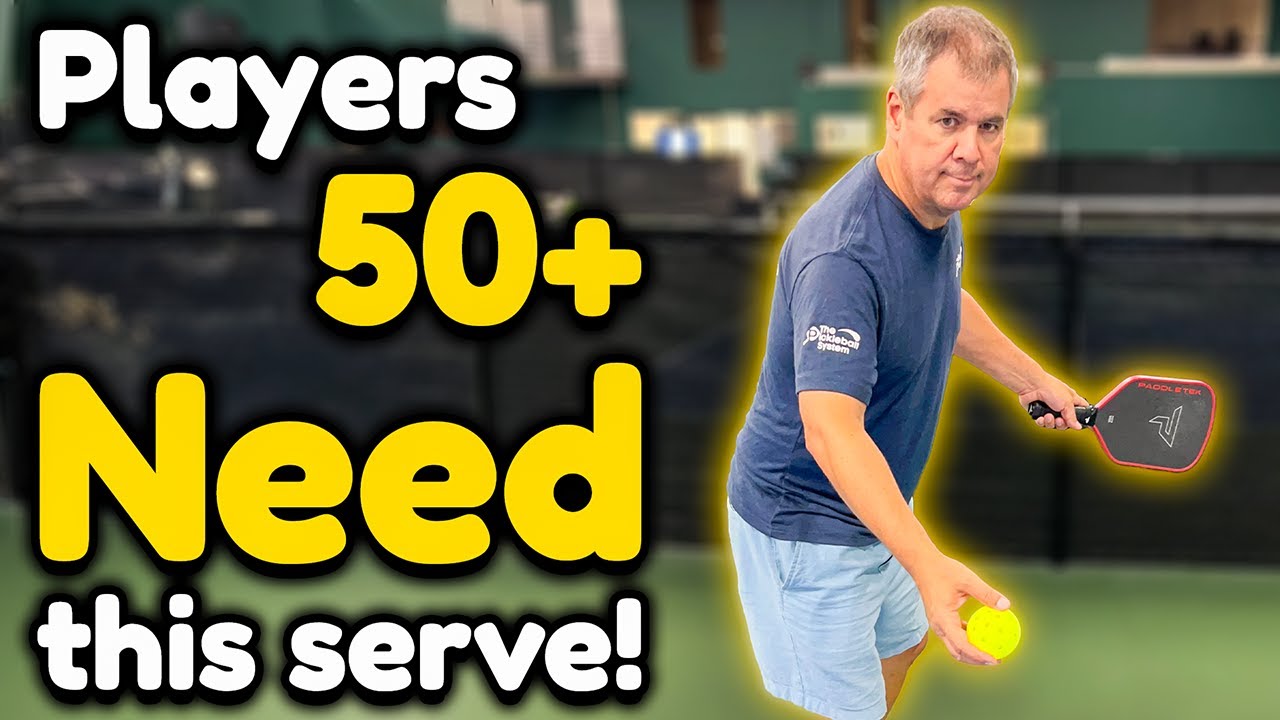
Putting It Together: The Serve That Actually Works
The beauty of these two fixes is that they work together. A palm-down toss gives you the space to swing. Weight transfer gives you the power to swing hard. Combine them, and you've got a serve that's not just legal and consistent, but actually dangerous.
You don't need to overhaul your entire technique. You don't need to spend hours on the practice court. These are two specific, actionable adjustments that address the root causes of weak, inconsistent serves. And once you nail them, you'll wonder how you ever served any other way.
Heads up: hundreds of thousands of pickleballers read our free newsletter. Subscribe here for cutting edge strategy, insider news, pro analysis, the latest product innovations and more.
Anuncie Aqui / Advertise Here
Sua marca para o mundo Pickleball! / Your brand for the Pickleball world!



 English (US) ·
  Portuguese (BR) ·