
 English
  Spanish
  Portuguese
  German
  Italian
  Japanese
  French
  Polish
  Russian
  Netherlands
  Hungarian
  Turkish
  Videos
  Thedink Pickleball

Your backhand dink is costing you points at the kitchen line, and most players don't know why. These 3 drills fix the most common backhand dink mistakes and add new-age shots to your game.
Your backhand dink is probably the weakest shot in your kitchen game, and there's a specific reason for that. Most players never drill it in isolation.
They just rally and hope it gets better.
It won't. Not without targeted repetition on the right shots.
These three drills cover everything from the foundational slice to the two-handed roll to the bump, a newer shot that high-level players are adding at a rapid pace.
They come from Richard Pickleball on YouTube, developed through hours of structured practice sessions at the kitchen line.
Here's exactly how to run each one and what to focus on.
Love pickleball? Then you'll love our free newsletter. We send the latest news, tips, and highlights for free each week.
Why Most Players Miss the Backhand Dink
The most common backhand dink mistake is simple: players go up instead of down on the swing path.
When you go up first, you flatten the ball out and send it long or pop it up.
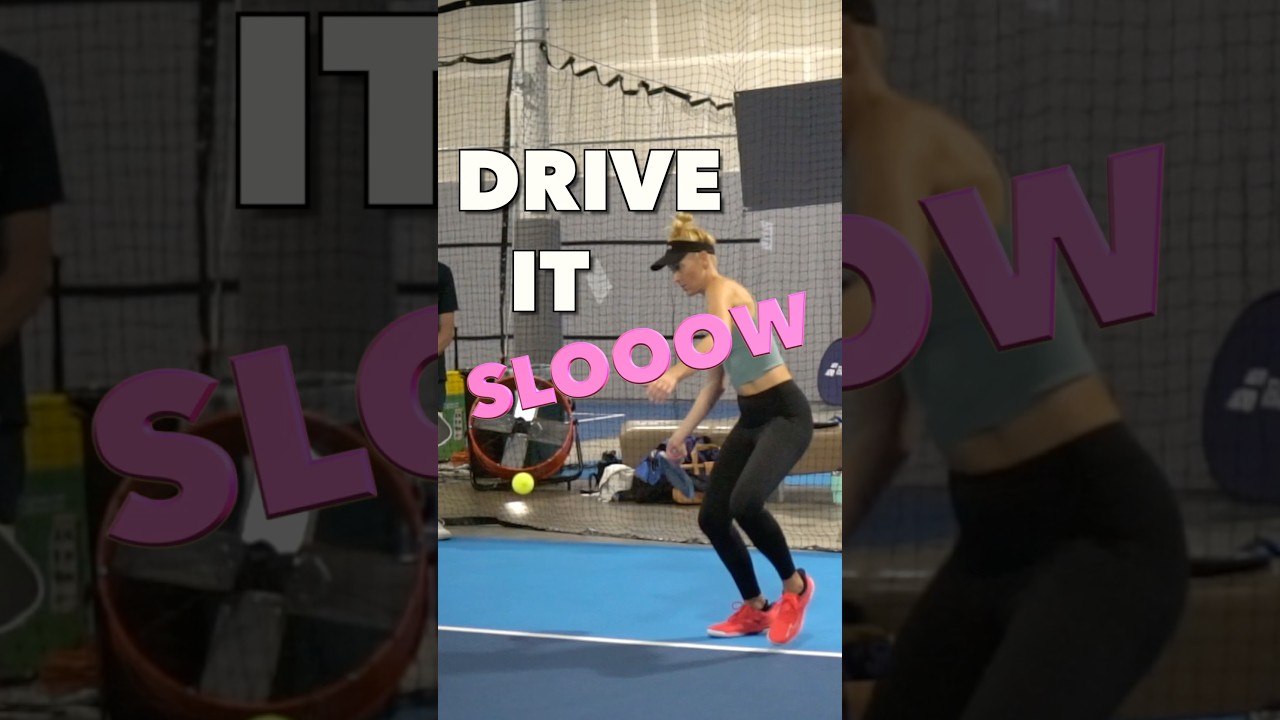
The correct mechanics on a backhand slice dink require you to get your paddle low, then lift. Not chop. Not swing upward from a high position.
Down first, then up.The second issue is footwork. If your prep is late and your paddle isn't set before the ball arrives, you're scrambling and your placement falls apart.
Every drill below is built to fix both problems at the same time.
Drill 1: Slice to Slice
This is the most fundamental drill in the progression, and it's one that serious players never outgrow.
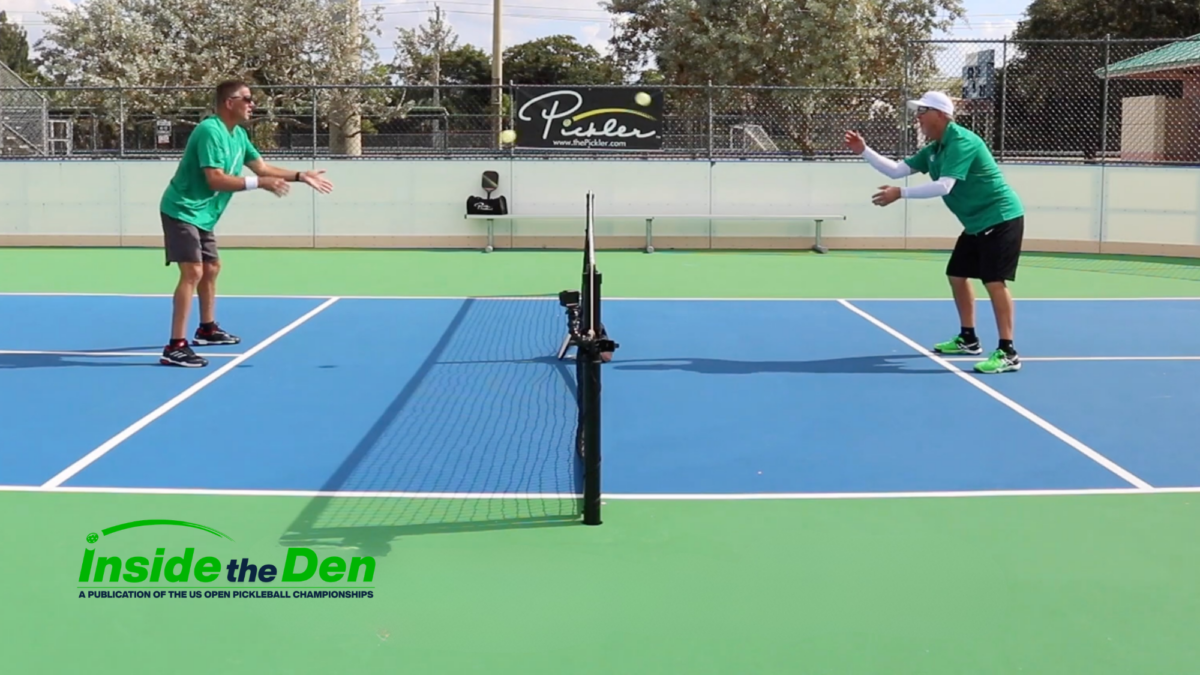
The rule is simple: both players slice only, and neither player is allowed to dink to the middle.
Forcing the ball wide keeps you working on footwork and reach, which is the entire point. Here's exactly how to run it:
- Set your wrist locked before you swing. It does not move during the stroke.
- Get your paddle low before you contact the ball, not after.
- Drive the paddle path down first, then lift through contact.
- Step back and reset your position after every ball, even if you feel comfortable.
- When a ball goes very wide, you can reach and take it out of the air with the same slice motion, just with a shorter path.
You want to do this drill for at least 15 minutes. That's not a suggestion.
Fifteen minutes of focused slice-to-slice work will do more for your backhand consistency than two hours of casual rallying.
The footwork pattern here is the real training stimulus. Every time you step back, you should be getting low immediately.
If you find yourself arriving upright and then bending down late, that's the habit to break.
Solid footwork is what separates players who feel comfortable in long kitchen exchanges from players who feel like they're just surviving them.What Is a Short Hop and When Should You Use It?
A short hop is when you take the ball right after it bounces, before it rises to a comfortable contact point.
It's a timing-based skill that compresses the exchange and puts pressure on your opponent.
How to Hit the Short Hop in Pickleball: A Complete Guide
The short hop is one of the most underrated skills separating good players from high-level competitors. Master this essential short hop pickleball technique to transform your midcourt game and handle pressure in transition.
 The Dink PickleballThe Dink Media Team
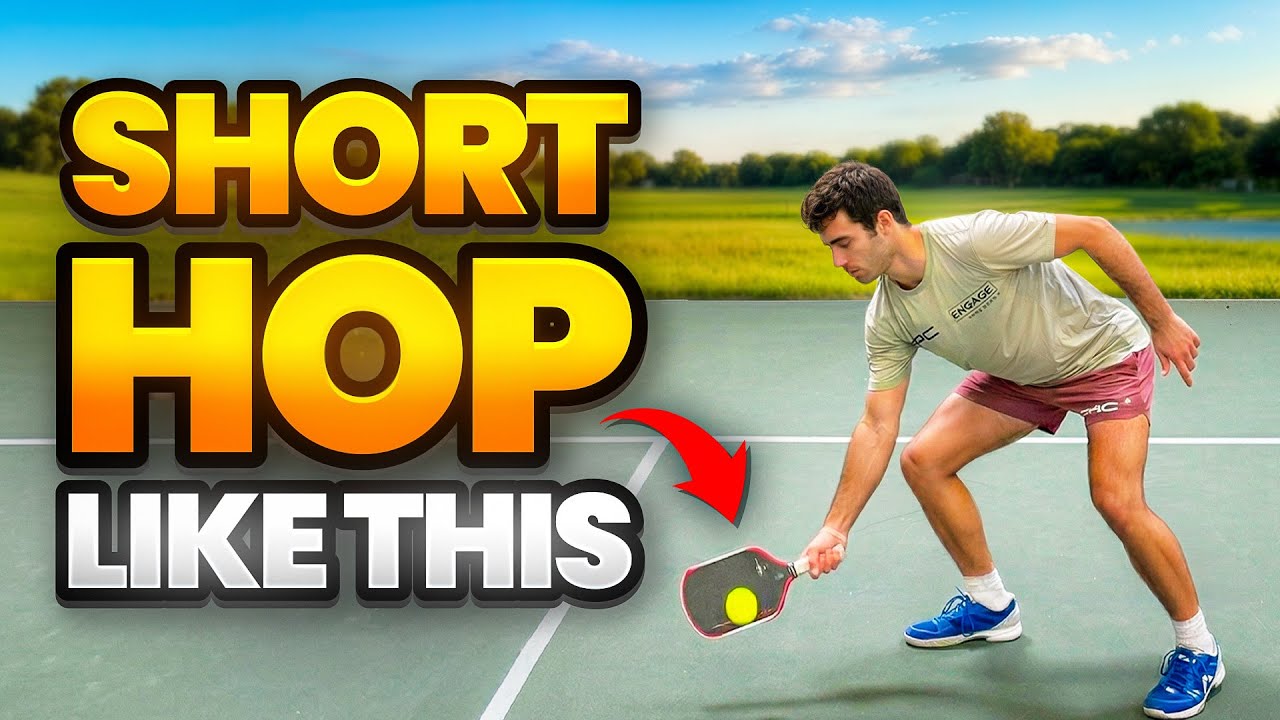
You use it when the ball comes in hot and you simply don't have time to retreat and swing normally.
It works best when the ball lands short in the kitchen. If the ball is deeper or in a more comfortable position, move back and slice instead.
Short hopping a ball that's already in a good spot just makes your life harder for no reason.💡
Need some new pickleball gear? Get 20% off select paddles, shoes, and more with code THEDINK at
Midwest Racquet SportsDrill 2: Roll to Slice
This drill is where the two-handed backhand dink comes in, and it's the one most players need to spend the most time on right now.
The setup has one player rolling with a two-hander and one player slicing or short hopping.
The rolling player looks to use the two-hander when the ball is short or short hopping.
If the ball is deeper, they reach and take it out of the air or let it bounce and slice. The slicing player works on placing the ball wide and using the short hop when it makes sense.
Here's what makes the two-handed roll work correctly:
- Foot position matters. Get your right foot forward and left foot slightly back, drawing an imaginary line toward the opposite corner. Don't stand parallel to the net. That stance forces you to hit across your body.
- Get low early. Same principle as the slice. You're not starting high and coming down. You're already low and pushing through and up.
- Push through the ball. The two-handed roll isn't a flick from the wrist. It's a low-to-high push with your whole arm unit.
- Don't bail to the middle. In this drill, the slicing player stays wide. In a real match they'd mix in middle balls, but during the drill you want to force the rolling player to earn their two-hander on real angles.
Both players can switch roles during the session. Fifteen minutes each side is the target, which means this drill alone takes 30 minutes when you do it right.
The two-handed backhand has become essential at the 4.0 level and above. If you're not training it in isolation, you're falling behind players who are.
The two-handed roll is also your setup for later attacking.
The same low prep position that makes your dink safe is what lets you speed up off the same motion when your opponent gives you a ball above the net.
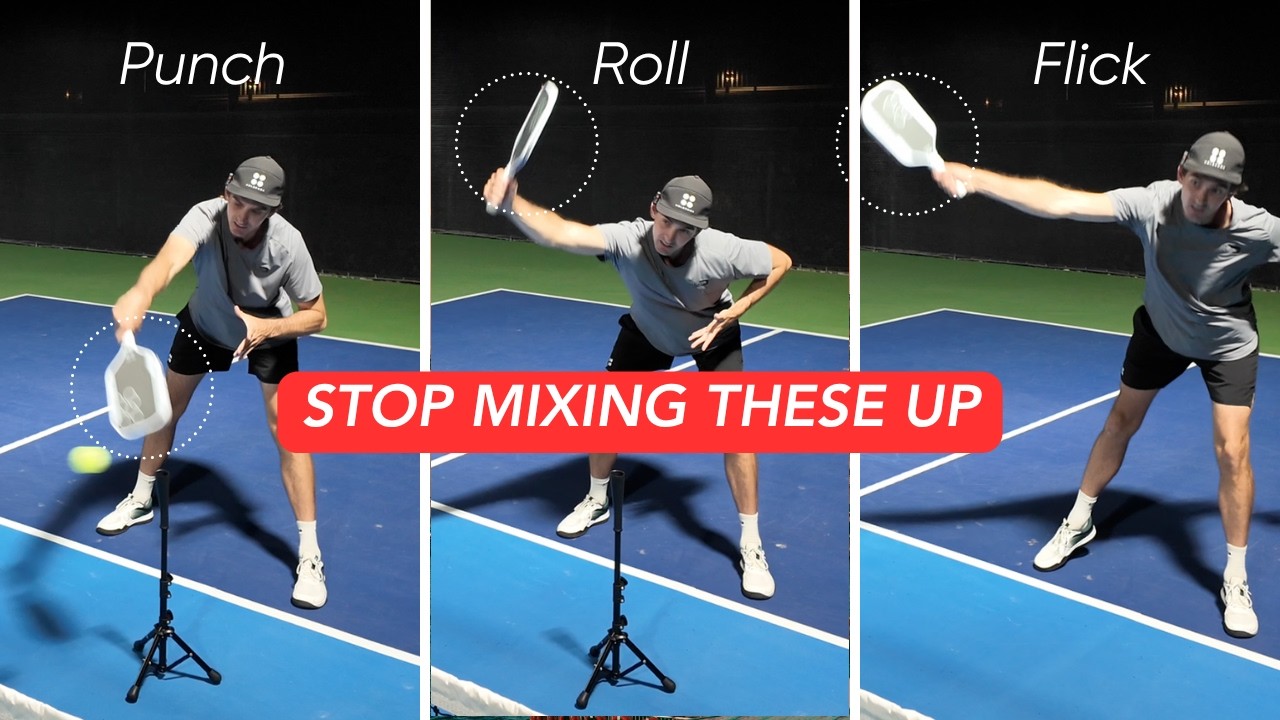
Punch, Flick & Roll: A Complete Pickleball Volley Guide
The backhand volley is actually three distinct shots, each with different setups, mechanics, and strategic applications
 The Dink PickleballThe Dink Media Team
Is the Slice Becoming Less Important at Higher Levels?
Honestly, yes. The slice is still a cornerstone of kitchen play and you can build a very competitive game around it.
But the two-handed roll has taken over as the most sought-after backhand dink at 4.5 and above.
Players like Anna Leigh Waters demonstrate how a high-quality roll dink forces opponents onto defense constantly, because the ball stays low and accelerates through the bounce.
A pure slicer at the highest levels is manageable. A player who can roll and slice is not.
That doesn't mean you abandon the slice. It means you add the roll to your game until both shots are automatic.
Topspin dinks at the kitchen are becoming a bigger part of elite play every season.
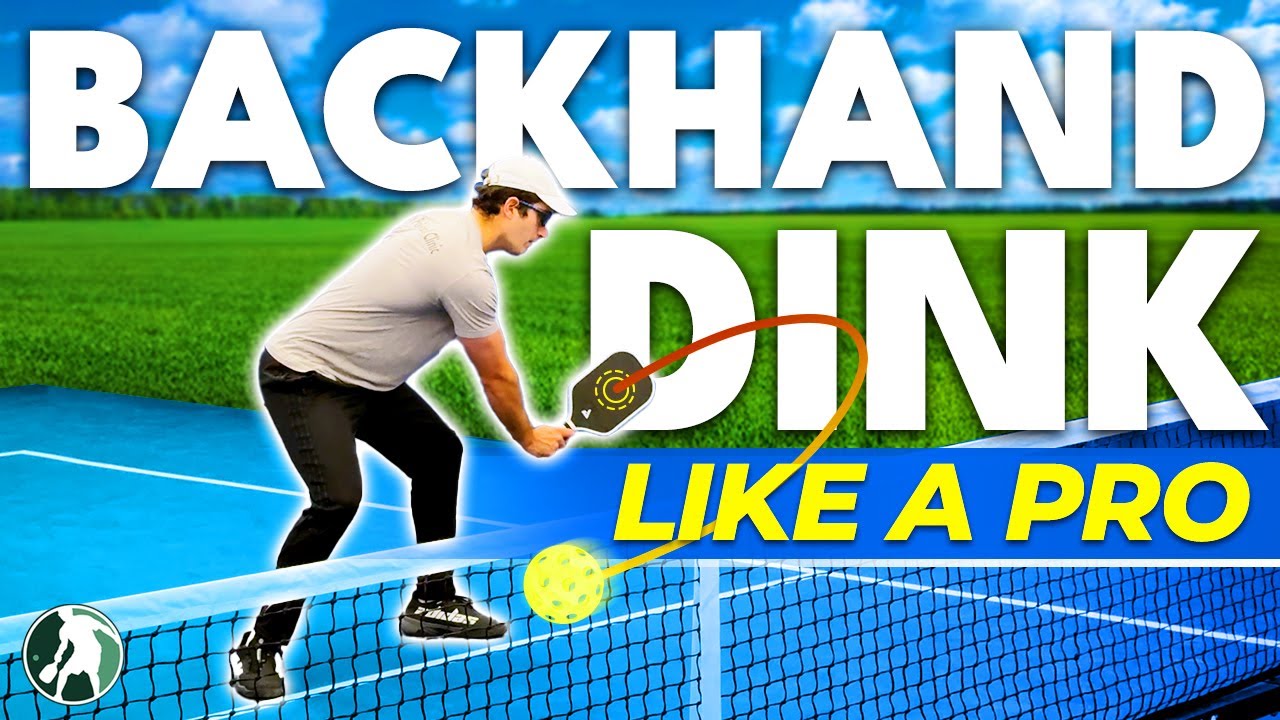
Perfect the Backhand Slice Dink with These 3 Essential Tips
When you’re locked in a tight dinking battle, this shot is your insurance policy
 The Dink PickleballThe Dink Media Team
Drill 3: The Bump Drill
The bump is the newest of the five backhand dink shots and the one most recreational players have never practiced.
It's a no-wrist, shoulder-driven push that takes the ball out of the air and places it just past the kitchen line.
This drill is more cooperative than the first two. One player rolls from just behind the kitchen line, placing the ball right on the opponent's line.
The other player focuses entirely on bumping the ball back just inside the opponent's kitchen.
Here's what to focus on:
- Get your paddle out in front of your body before the ball arrives.
- No wrist. The bump is all shoulder. Lock the wrist and push.
- Aim slightly deeper than the kitchen line. If you're hitting it right on the line in practice, you'll be giving your opponent easy attacks in a match.
- Think about the bump as a setup for the flick. The mechanics are almost identical, which means your opponent can't read which one is coming.
Because this drill is cooperative, you're both working on something specific. The rolling player hones their placement and form.
The bumping player builds timing and paddle control on a shot that gives them a little extra reach at the line.
Taking the ball out of the air at the kitchen is becoming a bigger part of modern pickleball. The bump is one of the cleanest ways to do it without giving up control.
The bump also keeps your opponents honest. Once they know you can flick from the same position, they have to stay back slightly or risk getting hit.
That's exactly the pressure you want to create.
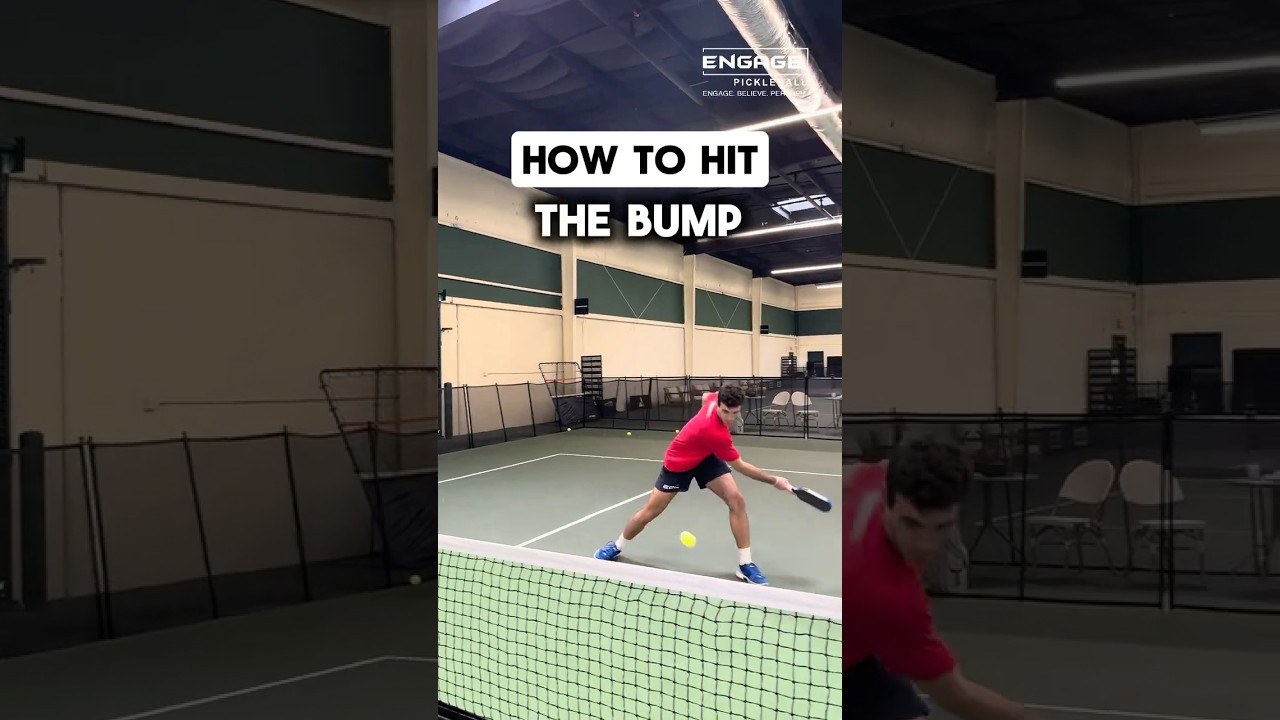
How to Hit the Bump Shot in Pickleball: Advanced Pickleball
The bump is a shot you see a lot in advanced pickleball. It doesn’t look like much, but it’s highly effective for staying ahead of points and dictating pace of play on your own terms.
 The Dink PickleballThe Dink Media Team
The Full 45-Minute Backhand Dink Session
Here's how to structure a complete backhand dink training block using these three drills:
- Slice to Slice (15 minutes): Both players slicing only, no middle balls, focused on footwork and reach.
- Roll to Slice (15 minutes): One player rolling with two-hander, one slicing and short hopping. Switch roles halfway.
- Bump Drill (15 minutes): Cooperative drill with one roller and one bumper. Focus on no-wrist contact and depth control.
Forty-five minutes on your backhand dink alone might feel like a lot. But this is exactly how you close the gap between your forehand and backhand in a way that actually sticks during real points.
If you want to see how this kind of targeted drilling turns weak shots into weapons, start with just the first drill this week.
Fifteen minutes. Then add the second. Then the third.
You'll notice the difference faster than you expect. The backhand dink is a skill, not a talent. And skills respond to structured repetition every single time.
For more on building out your full kitchen game, these seven dink variations show how each shot type fits into a complete kitchen strategy.
And if you want to understand how your positioning on dinks affects everything else, that's worth reading alongside this drill progression.
The five backhand dink shots covered here, the slice out of the air, the slice off the bounce, the two-handed roll, the short hop, and the bump, give you a complete toolkit for the kitchen.
Train all five and your backhand dink stops being a liability.
💡
Heads up: hundreds of thousands of pickleballers read our free newsletter.
Subscribe herefor cutting edge strategy, insider news, pro analysis, the latest product innovations and more.
Frequently Asked Questions
What is the most common backhand dink mistake in pickleball?
The most common mistake is going upward on the swing path instead of getting the paddle low first. This flattens the ball out and causes it to sail long or pop up. Fix it by getting your paddle low before contact and then lifting through the ball.
When should I use a two-handed backhand dink instead of a slice?
Use the two-handed backhand dink when your opponent's ball is short or short hopping, giving you a chance to roll with topspin. If the ball is deeper and you have time, a slice or a reach out of the air is the better call. The two-hander shines when the ball is sitting up just inside your kitchen line.
What is a bump dink and how is it different from a slice?
A bump dink is a no-wrist, shoulder-driven push that takes the ball out of the air just past the kitchen line. Unlike the slice, which uses a downward paddle path and backspin, the bump is a straight push with no spin and minimal arm movement. It gives you extra reach and sets up the flick because the two shots look identical at contact.
How long should I drill my backhand dink to see improvement?
A full backhand dink session using these three drills runs 45 minutes total, with 15 minutes per drill. Doing this two to three times per week will produce noticeable improvement within a few weeks. Consistency matters more than volume in any single session.
Why can't I short hop every ball at the kitchen?
Short hopping a ball that's already in a comfortable position makes the timing harder and often pushes the ball forward out of control. The short hop is a reactive skill for when a ball comes in hot and low with no time to retreat. When you have time and space, moving back and slicing is the more reliable choice.
Anuncie Aqui / Advertise Here
Sua marca para o mundo Pickleball! / Your brand for the Pickleball world!



 English (US) ·
  Portuguese (BR) ·