
 English
  Spanish
  Portuguese
  German
  Italian
  Japanese
  French
  Polish
  Russian
  Netherlands
  Hungarian
  Turkish
  Videos
  Thedink Pickleball

Knowing how to call faults in pickleball is the difference between a respected player and the person nobody wants on their court. Here's the self-officiating etiquette that separates the two.
Knowing how to call faults in pickleball on yourself, before your opponent has to say a word, is what separates a player people want to share a court with from the player nobody invites back.
Rec pickleball runs almost entirely without referees. Most basic rules coverage glosses over this, but the honor system is the actual rulebook.
Here's the thing. Most fault calls are not close. A serve into the net is a serve into the net.
But the moments that test your character (the foot fault nobody saw, the paddle that clipped the net on a volley) are where self-officiating etiquette matters most.Love pickleball? Then you'll love our free newsletter. We send the latest news, tips, and highlights for free each week.
What Is a Fault in Pickleball, Exactly?
A fault is any rule violation that ends a rally immediately, and it's the single most important concept in understanding the sport's mistakes beyond the obvious ones.
The full rulebook covers dozens of scenarios, including niche calls like the middle line rule that trip up experienced players.
The official USA Pickleball rulebook lists faults ranging from serve errors to non-volley zone violations, and the current 2025 rulebook update is the definitive source every self-officiating player should bookmark.
Pickleball faults fall into a few buckets: serving faults, non-volley zone faults, and general play faults like carries or double bounces.
Even beginner-focused advice tends to skip this list entirely. What is a fault in pickleball if not a rule the game trusts you to enforce on yourself?
Knowing these pickleball faults cold is step one before you can call any of them on yourself with confidence.
Why Self-Officiating Even Matters (Honestly)
Self-officiating matters because pickleball, unlike most competitive sports, hands the calls to the players themselves.
It's the same instinct that shows up when players simplify their decision-making on court.
The Dink's own coverage keeps circling back to one theme: pickleball players have a reputation for honesty that's rare in competitive sports.
Your credibility on the court is a bank account. Calling faults honestly, especially against yourself, makes deposits.
Letting a foot fault slide because nobody noticed makes a withdrawal, and players who focus on strengthening their weaknesses instead of hiding them build that account faster.
Why USAP’s New Spin Test Presents a Bigger Certification Problem
Stewarding a sport and certifying its equipment are two different jobs, and right now they demand two different answers.
 The Dink PickleballDavid Groechel
How to Call Faults in Pickleball During Line Call Disputes
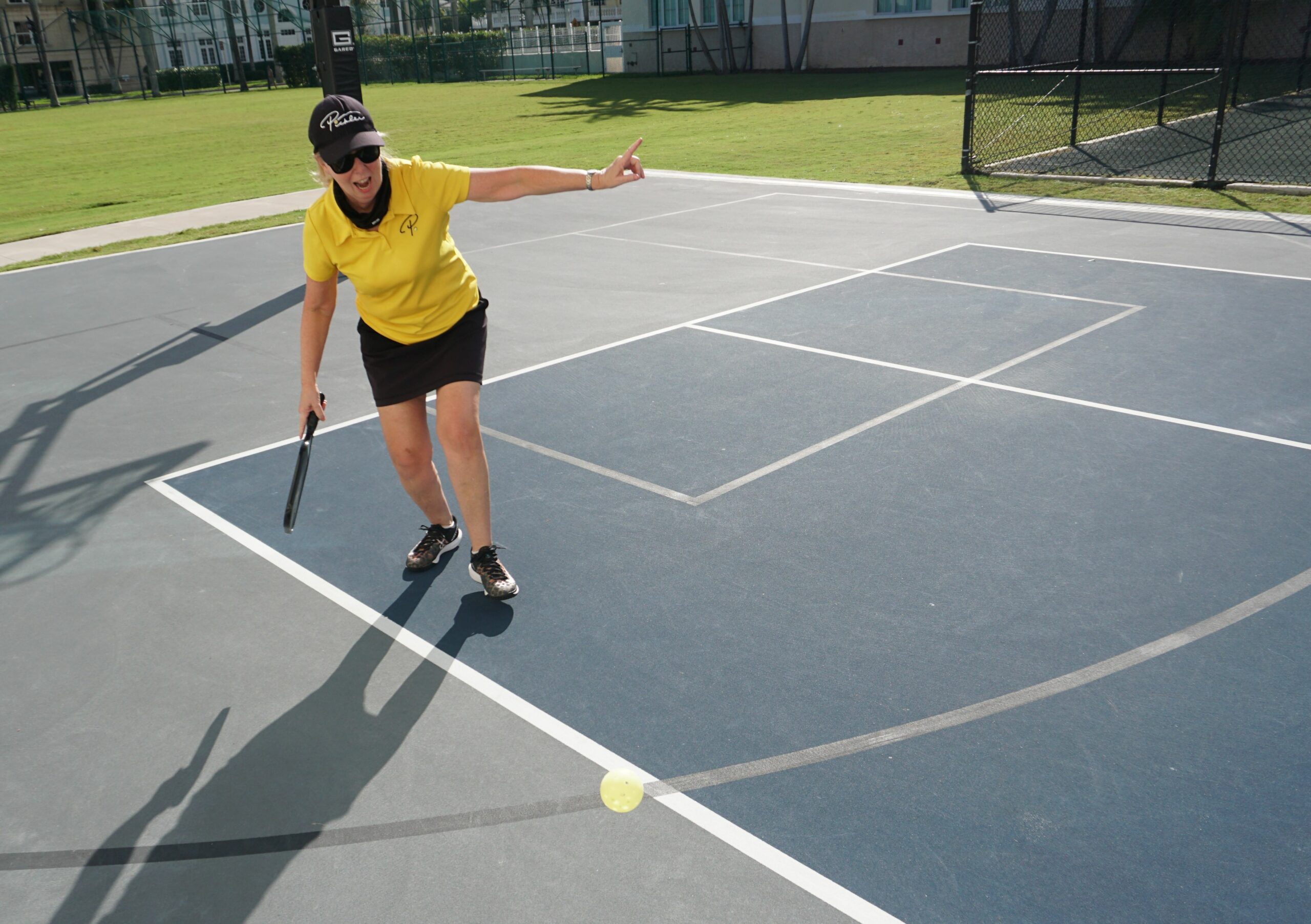
Line calls are where most disputes actually start. The standard here is simple: you only call a ball out if you clearly saw it land out.
If you're not sure, the point goes to your opponent. Full stop.
This isn't just etiquette. It's baked into how the pros handle controversial line calls at the tournament level.
If professionals default to giving the benefit of the doubt, rec players should hold themselves to the same bar or higher.
💡
Need some new pickleball gear? Get 20% off select paddles, shoes, and more with code THEDINK at
Midwest Racquet SportsHow to Call Faults in Pickleball Without Turning Into a Jerk
Here's where most players get self-officiating wrong.
They either call everything against their opponent and nothing against themselves, or they overcorrect and turn every match into a courtroom.
Neither is the move, and it's the same overcorrection that shows up in players who drive every ball instead of dropping it when patience would serve them better.
The actual approach: call your own faults the instant you know about them, out loud, before anyone asks.
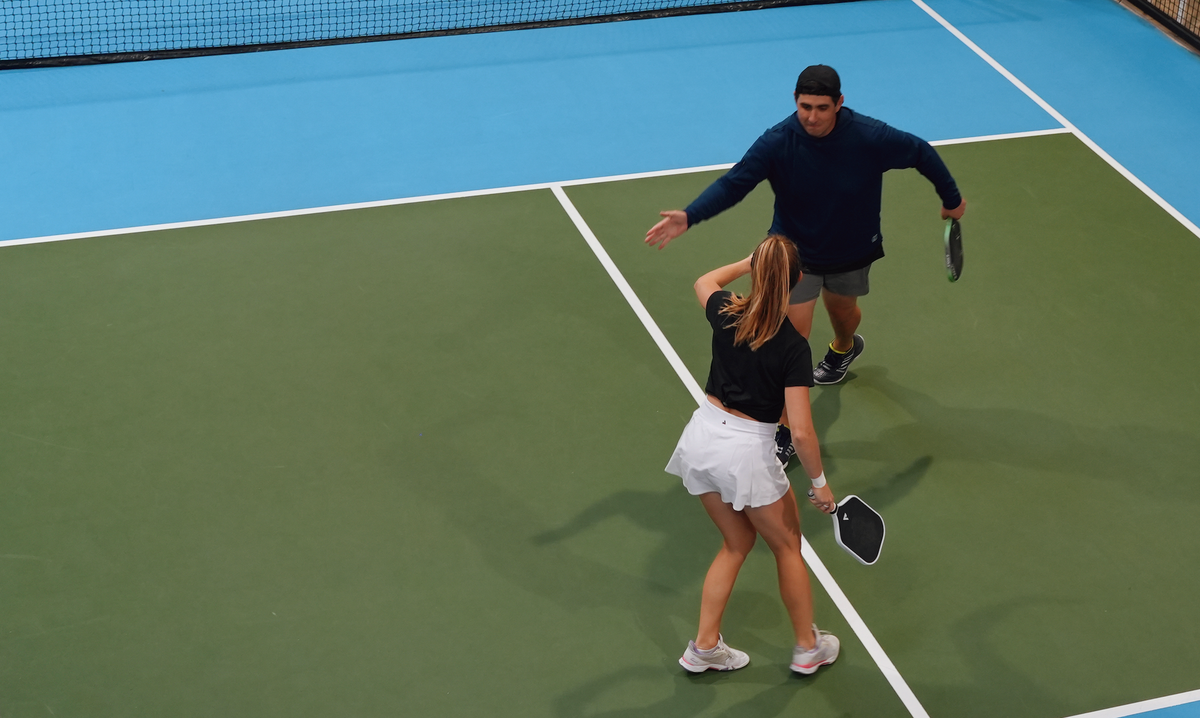
Don't wait for your opponent to notice. Don't explain it away. Just say it and move on.After the Gold Rush: How Pickleball Facilities Thrive Now
In an over-built market, pickleball courts are a commodity. Community is the moat. You can pour concrete in ninety days; you cannot pour belonging.
 The Dink PickleballBen Borton
Foot faults are the fault nobody wants to admit.
A pickleball foot fault happens when your foot touches or crosses the baseline (or the imaginary sideline extension) during your serve motion before contact.
That same footwork discipline matters on aggressive shots too, like the swing volley, where sloppy feet cause faults just as easily.
A pickleball foot fault costs you nothing but a single serve, but calling it on yourself says everything about how you play.
The habit that fixes this: check your feet before every serve, not just on big points.
Players who work on positioning themselves properly at the kitchen line tend to develop better spatial awareness that carries over to serve position too.
If you're not sure whether your back foot clipped the line, call it on yourself. It costs you a serve. It buys you a reputation.
Kitchen Violations: Call Yourself Out at the Line
Non-volley zone faults are the second most common self-officiating gap.
If any part of your foot touches the kitchen or the line during a volley, or your momentum carries you in after, that's a fault.
Watching your own footwork near the kitchen line during advanced serve positioning is a useful habit, since most kitchen faults happen a split second after contact.
What Is a Fault in Pickleball? Every Type Explained
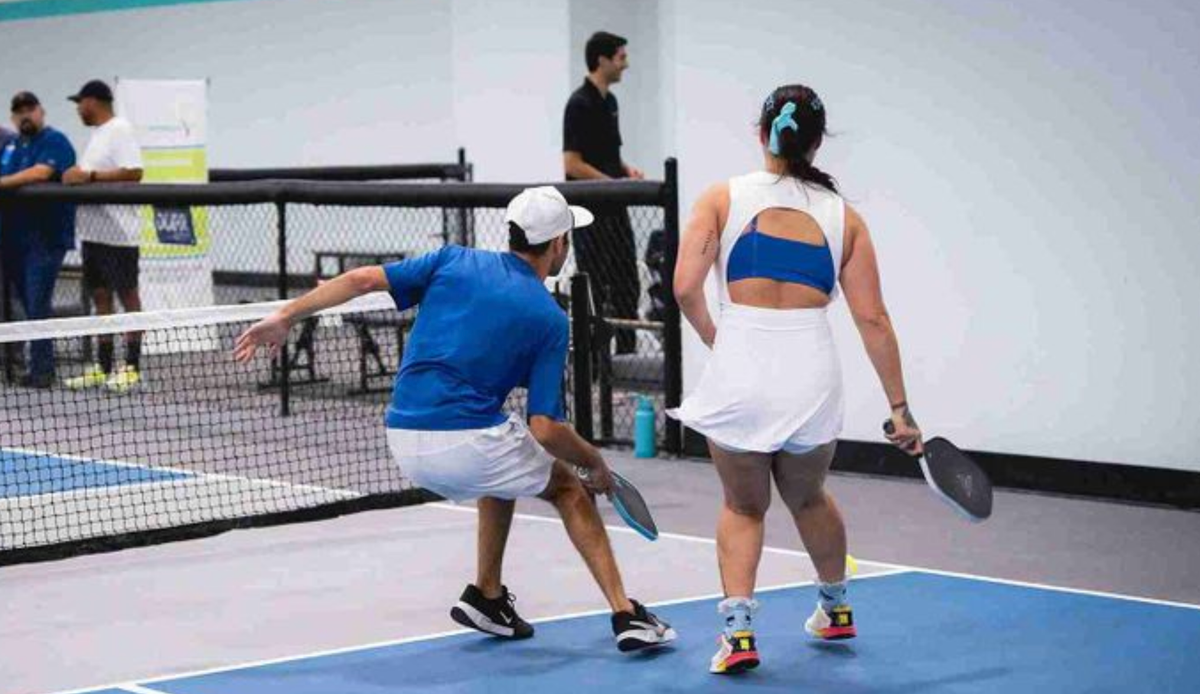
A fault in pickleball is any rule violation that immediately ends a rally and awards a point or side-out to the non-offending team. Understanding what is a fault in pickleball, and exactly which mistakes trigger one, is the fastest way to stop giving away free points on the court.
 The Dink PickleballThe Dink Media Team
What Happens When You Learn How to Call Faults in Pickleball on Yourself
Once you know how to call faults in pickleball on yourself correctly, the scoring consequence is immediate: the rally ends, and the point (or the serve) goes to the other side.
Check the current scoring breakdown if you need a refresher on how a fault shifts point ownership in rally and side-out scoring.
Double bounces and carries deserve their own mention, because they're the calls players get wrong most often, not out of dishonesty but confusion.
A carry, where the ball rests on your paddle face instead of a clean strike, is a fault the instant it happens.
Working on a cleaner reset shot actually reduces how often you accidentally carry the ball.
Pickleball Scoring Rules: Complete Guide (2026)
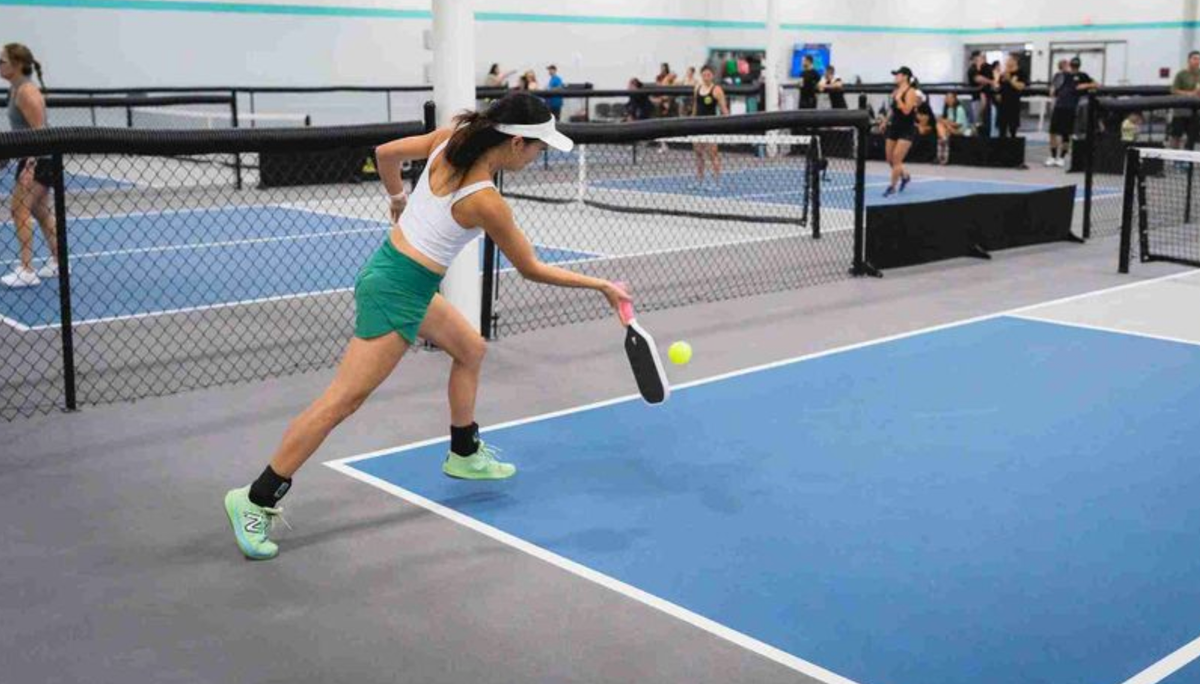
Pickleball scoring rules aren’t complicated, but they trip up new and experienced players alike. This guide breaks down side-out and rally scoring so you can step on the court knowing exactly what’s happening.
 The Dink PickleballThe Dink Media Team
Self-Officiating Etiquette: The Unwritten Rules
Learning how to call faults in pickleball is only half the equation. A few habits separate players everyone wants on their court from players everyone tolerates:
- Call your own fault before your opponent has to ask.
- Never argue a call you didn't clearly see.
- If you're genuinely unsure, offer to replay the point instead of taking it.
- Keep the tone flat, the same way playing the percentages keeps shot selection flat under pressure.
Timeouts and pauses are also part of this etiquette.
Knowing when a break in play is appropriate keeps disputed calls from escalating into something bigger than a single point.
When to Ask for a Replay Instead of Calling It
Sometimes the honest answer is "I don't know." That's fine, and it's actually the better call than guessing.
Requesting a replay is standard practice when neither side has a clear view, and it's the same logic pro tournaments use when they lean on instant replay for disputed calls.
You don't need cameras at your local courts to borrow the principle.
Pickleball Etiquette for Beginners: Unwritten Rules
Pickleball etiquette for beginners goes beyond the rulebook, the unwritten social code of the court matters just as much as your backhand. Here’s what every new player needs to know before stepping on a court.
 The Dink PickleballThe Dink Media Team
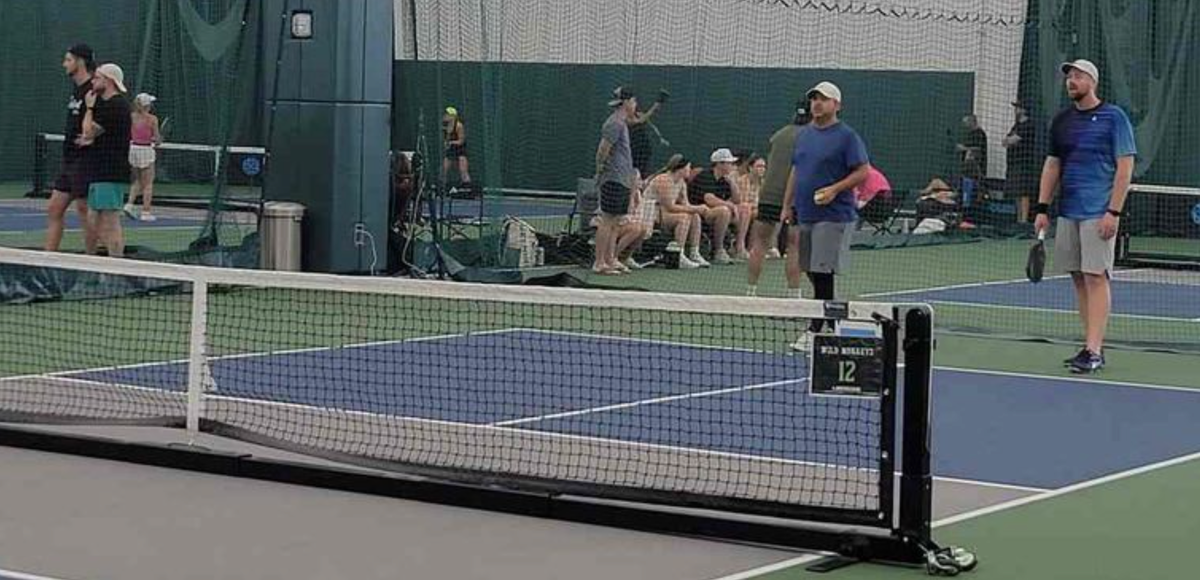
Service Faults and Return Faults: Don't Let These Slide
Service faults extend beyond foot faults. Serving into the net, serving out of the correct diagonal box, or serving before your opponent is ready all count.
Even at the pro level, service rules generate constant debate, so rec players shouldn't feel bad about double-checking the basics.
Return faults matter just as much, even though they get less attention.
If you're working on where to position your return of serve, you're also building awareness of when your own return clips the net or lands outside the box.
Sharpening your actual return technique and sharpening your self-officiating instincts tend to improve together.
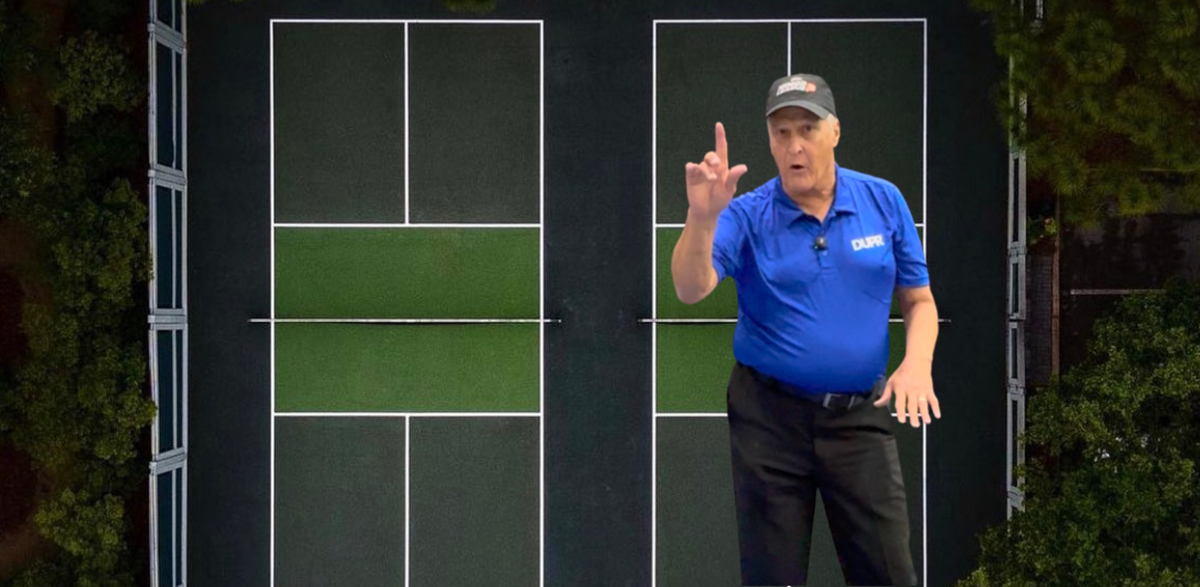
If You Use the Drop Serve in Pickleball, You Might Be Faulting Without Knowing It
“If your hand moves AT ALL on the release you have imparted force to the ball and that’s a fault.”
 The Dink PickleballAlex E. Weaver
How This Habit Makes You a Better Player
Learning how to call faults in pickleball on yourself isn't just about integrity. It makes you better.
Players who track their own footwork, contact points, and positioning closely enough to self-officiate honestly usually uncover the real reason they're not improving faster than players who never examine their game that closely.
That same self-awareness is one of the secrets advanced players rely on without ever calling it that.
Tight footwork discipline near the kitchen is also a foundation of becoming genuinely unattackable at the net, because you're not giving away free points to carries and foot faults you never noticed.
The 3 Habits of Elite-Level Dinkers in Pickleball
The dink isn’t just a defensive shot. It’s the foundation of offensive pickleball. Master these three habits, and you’ll start controlling rallies instead of just surviving them.
 The Dink PickleballThe Dink Media Team
Key Takeaways
- Knowing how to call faults in pickleball starts with understanding a fault ends the rally immediately, whether it's a serve fault, a kitchen violation, or a carry.
- Self-officiating works because players agree to call pickleball faults against themselves, not just against opponents.
- Foot faults and kitchen violations, the same footwork issues that show up on a backhand volley, are the two most commonly missed self-calls.
- When you're not sure, ask for a replay instead of guessing.
- Calling your own faults consistently builds your reputation and sharpens your actual game.
💡
Heads up: hundreds of thousands of pickleballers read our free newsletter.
Subscribe herefor cutting edge strategy, insider news, pro analysis, the latest product innovations and more.
Frequently Asked Questions
How do you call faults in pickleball as a beginner?
Learning how to call faults in pickleball as a beginner starts with the most common fault types: serve faults, kitchen (non-volley zone) faults, and double bounce violations. Call them on yourself the moment you notice them, even if your opponent didn't see it. Beginners who practice this alongside simple tips to improve teamwork build a reputation for honesty faster than players who wait years to develop the habit.
What is a fault in pickleball versus a let?
A fault ends the rally and results in a point or side-out for the opposing team. A let, by contrast, is a replay of the point with no penalty, typically called when a served ball touches the net but still lands in the correct service box. Confusing the two is common enough that plenty of teams cover it during regular practice sessions, since the two situations look similar in the moment but have completely different outcomes.
Can you call a fault on your opponent in pickleball?
Yes, but only for things you clearly saw, like a footwork violation or an obvious net touch. Line calls on where a ball landed belong to the team on that side of the net, the same sideline positioning that determines who has the clearest view of any given shot. If you're unsure whether a fault occurred on the other side, it's better to ask for a replay than to make an accusation you can't back up.
What happens if you don't call a fault on yourself?
If you don't call a fault you clearly know occurred, you're accepting a point you didn't earn. It won't show up on any scoreboard, but it does show up in how other players remember playing with you, especially in doubles where court coverage already depends on trusting your partner. Most rec communities are small enough that reputation travels fast.
Not always. In self-officiated rec play, most foot faults are actually called by the server themselves, since the server has the clearest view of their own feet during the service motion. Good stagger positioning before the serve also makes foot faults far less likely in the first place. Opponents can call obvious foot faults they see, but the honor system leans heavily on self-reporting for anything close.
Anuncie Aqui / Advertise Here
Sua marca para o mundo Pickleball! / Your brand for the Pickleball world!




 English (US) ·
  Portuguese (BR) ·