
 English
  Spanish
  Portuguese
  German
  Italian
  Japanese
  French
  Polish
  Russian
  Netherlands
  Hungarian
  Turkish
  Videos
  Thedink Pickleball

Most players dink, but very few dink well. This guide breaks down seven pickleball dink shots, when to use each one, and the drills that turn your kitchen game into a weapon.
The pickleball dink looks simple, which is exactly why most players never get good at it.
You tap the ball over the net, your opponent taps it back, and nothing happens until someone pops one up and hands away the point.
Here is the thing: a great kitchen game is not one shot. It is a small set of dinks, each with a specific job, plus the judgment to know which one to hit and when.
That is what separates players who survive at the kitchen from players who control it.
In the first video of his 10 Days to 100K series, Pickleball Playbook coach Austin Hardy walks through every dink you actually need: the push, the roll, the slice, and the bump.
Below is the full playbook, plus the drills to lock it in.
Love pickleball? Then you'll love our free newsletter. We send the latest news, tips, and highlights for free each week.
What Makes a Great Pickleball Dink?
A great pickleball dink is a soft shot that lands in or near your opponent's kitchen, stays low enough that they cannot attack it, and forces them to hit up.
Everything else is detail.
A dink is any ball you hit softly from around the non volley zone that arcs over the net and lands in the kitchen.
If you are still learning the basics, our guide on how to hit a dink shot with soft hands and a low arc is the place to start before you layer in variations.
Why does this matter so much?
Because the player who can keep the ball unattackable wins the patience battle, and the patience battle decides most kitchen exchanges.
As pickleball keeps taking over the country, the players climbing fastest are the ones who win that battle, not the ones who swing hardest.Watch Anna Leigh Waters, widely regarded as the greatest women's player of all time she rarely forces offense, she just keeps feeding low, uncomfortable balls until her opponent gives her one to attack.
The 7 Pickleball Dink Shots You Need
Think of these seven as your toolkit. You will not use all of them every rally, but a complete player can reach for any of them on demand.
- Push dink: a flat, controlled dink focused on placement. Your bread and butter for moving opponents side to side.
- Slice dink: underspin that makes the ball check up and die, slowing the whole point down.
- Backhand topspin (roll) dink: a rolling, rising ball that pressures your opponent and sets up offense.
- Two-handed backhand dink: extra stability and disguise on the backhand side for players who like two hands.
- Forehand topspin dink: the same rolling idea from the forehand wing, often your most aggressive dink.
- Slice dink out of the air: taking the ball early with underspin to steal time from your opponent.
- Bump dink: a short, no backswing block that takes the ball out of the air and resets it soft.
Start with the push dink and get it boringly reliable.
The push dink is all placement: you are not trying to do anything fancy, you are moving the ball to the spot that makes your opponent uncomfortable, usually their feet or the middle seam.For more on shot selection at the line, our breakdown of the four dink types that win kitchen battles pairs well with this list.
💡
Need some new pickleball gear? Get 20% off select paddles, shoes, and more with code THEDINK at
Midwest Racquet SportsWhen Should You Add Topspin to a Pickleball Dink?
Add topspin when you want to turn a neutral dink into pressure, because a rolling ball dips fast and forces your opponent to hit up.
The roll dink, whether off the backhand topspin dink or the forehand, brushes up the back of the ball so it clears the net and drops quickly into the kitchen.
The mistake most players make is rolling every ball. Topspin needs a ball you can lift, meaning one that has dropped low enough to brush upward.
Try to roll a ball that is too low or too far in front and you will pop it up.
If popping dinks is a recurring problem, these three fixes for popped up dinks will save you points immediately.
Topspin in Pickleball: The Complete 3-Step Progression Guide
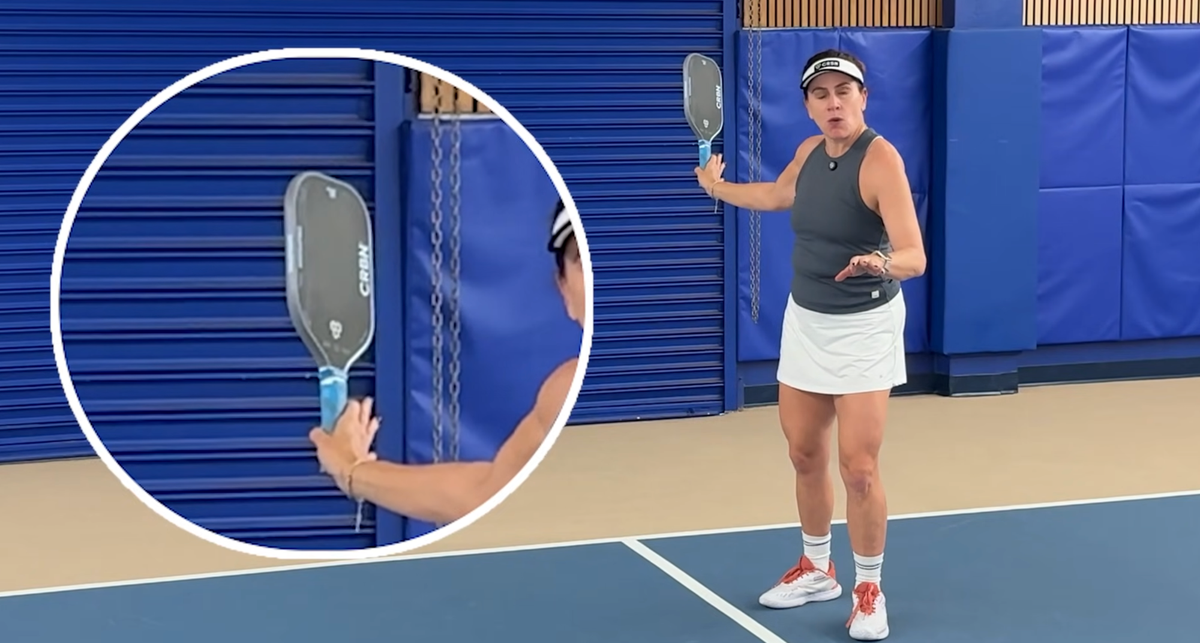
It’s one of those shots that looks effortless when done right, but feels impossible when you’re the one holding the paddle
 The Dink PickleballThe Dink Media Team
What is a Bump Dink, and Why Does it Win Points?
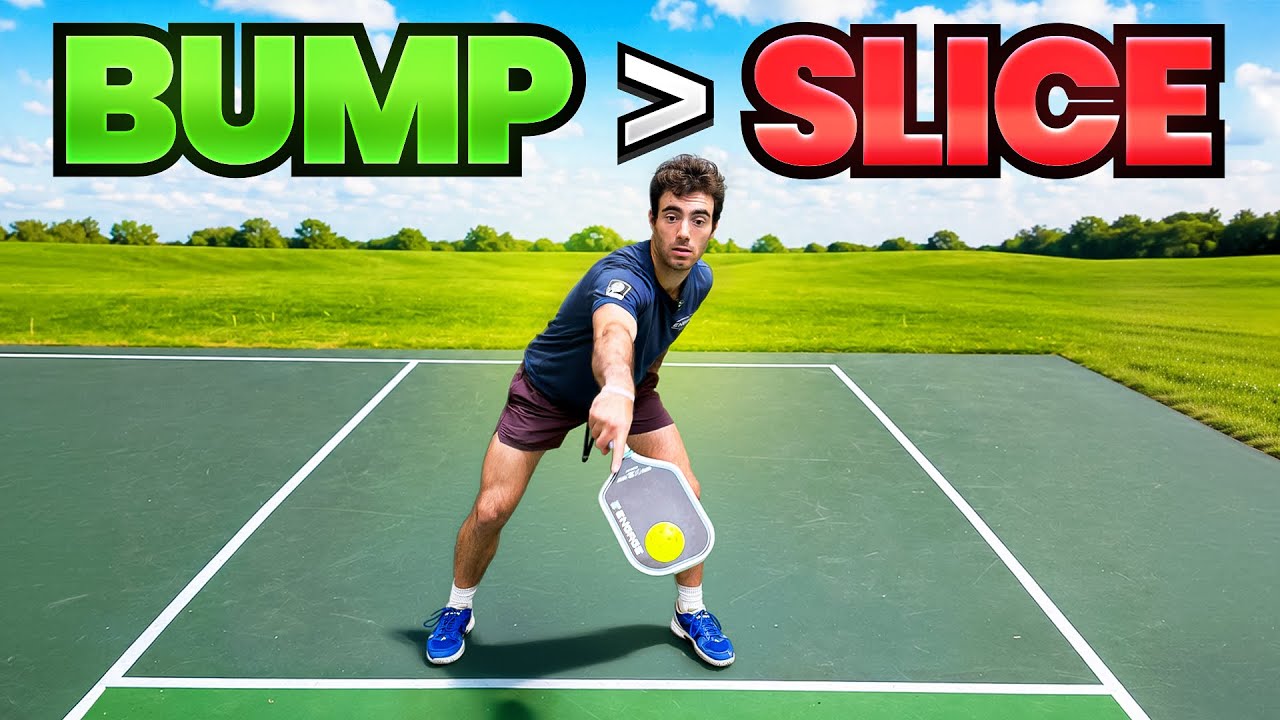
A bump dink is a compact block that takes the ball out of the air with almost no swing, redirecting it softly back into the kitchen before it can bounce.
It wins points by stealing time: your opponent expects the ball to land, and instead it is already coming back at their feet.The key is soft hands and a quiet paddle. You are not swinging, you are absorbing.
Learning to take balls early is a genuine skill jump, and our piece on taking the ball out of the air to build offense shows how the bump connects to your wider attacking game.
What Is the Bump Dink: The Shot Changing Pickleball
The bump dink is rapidly becoming one of the most important shots in modern pickleball. This aggressive technique allows players to create pressure without speeding up the point.
 The Dink PickleballThe Dink Media Team
Right Side or Left Side: Does Your Dink Strategy Change?
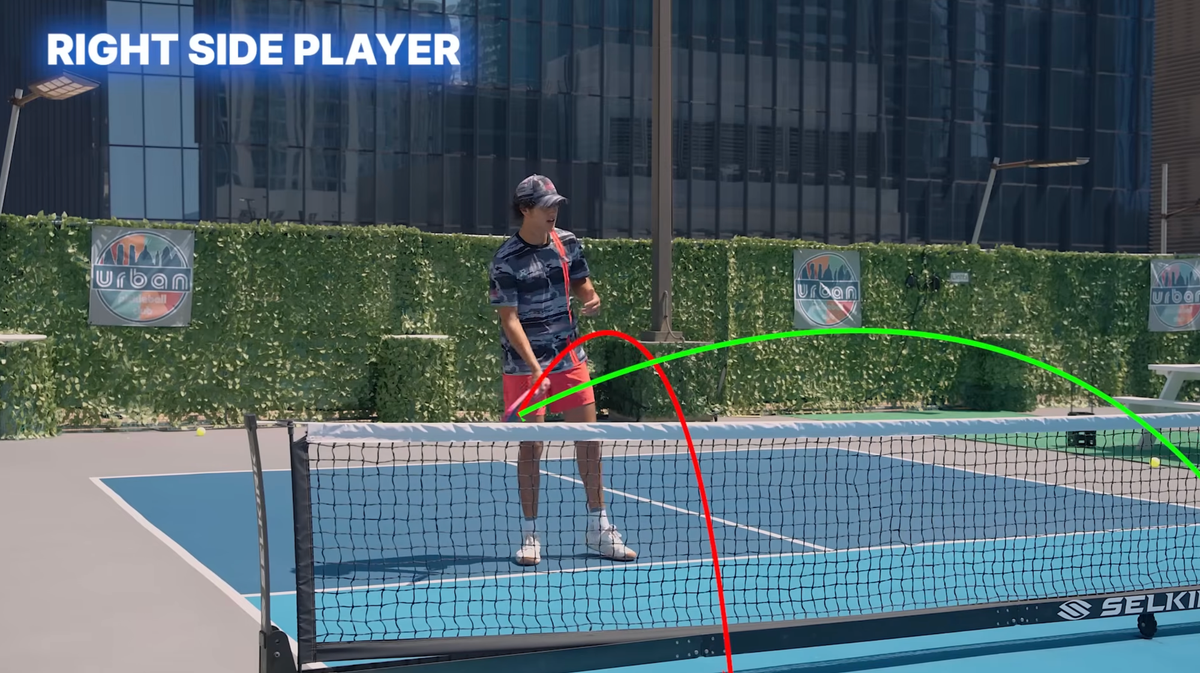
Yes, your pickleball dink strategy changes depending on which side of the court you are standing on, mostly because of where the middle and the sideline sit relative to your forehand and backhand.
On the right side, you have more room to use your forehand into the middle, and you can pull opponents wide with angled push dinks before sneaking one behind them down the line.
Good kitchen positioning matters here so you are not lunging and reaching for balls you should be moving your feet to reach.
On the left side, the backhand becomes your control shot, and the cross court dink to the opponent's backhand is your safest, highest percentage ball.
This is also where your slice dink earns its keep, because a low underspin ball into the backhand is brutally hard to attack and often forces a dead dink you can pounce on.
The bigger lesson is to stop dinking in straight, predictable lines.
Mixing pace, spin, and placement is what breaks a steady opponent down, and our guide to advanced dinking patterns for 4.0 players maps out the sequences that create those openings.
Right Side or Left Side? How Modern Doubles Is Rewriting the Pickleball Playbook
Understanding your position’s traditional responsibilities is important, but being able to adapt and create offense from anywhere on the court is what separates good players from great ones.
 The Dink PickleballThe Dink Media Team
3 Pickleball Dink Drills That Build Consistency Fast
Technique without reps is useless. Hardy closes the video with a simple three drill progression that takes you from grooving the shot to performing it under pressure.
- Cooperative dinking: rally with a partner and just get your reps in. No competition, no winners. The only goal is clean, repeatable contact and soft hands. This is where feel is built.
- Cooperative competitive: set a target, like 30 dinks in a row without a miss, and chase it together. Now there is light pressure, but you are still working as a team toward a number.
- Competitive dinking: play a game to 11 at the kitchen with no restrictions. You can attack, reset, speed up, whatever the ball gives you. This is the closest thing to a real point.
If you want more structured options, these five dink drills slot neatly into the same progression.
The point is to spend most of your practice in the competitive stage, because that is where your dink has to actually hold up.
One more strategic note: dinking is not the goal, it is the setup. Knowing when to speed up is what turns all this patient soft play into points.
💡
Heads up: hundreds of thousands of pickleballers read our free newsletter.
Subscribe herefor cutting edge strategy, insider news, pro analysis, the latest product innovations and more.
Frequently Asked Questions
What is the easiest pickleball dink to learn first?
The push dink. It is a flat, controlled shot focused purely on placement, with no spin to manage, so it gives beginners the fastest path to a reliable kitchen game. Master placement first, then add spin variations like the roll and slice once the push feels automatic.
Should every dink have topspin?
No. Topspin is a tool for applying pressure when you get a ball you can lift, not a default for every shot. Rolling balls that are too low or too far in front is one of the most common ways players pop dinks up and lose the point. Mix in flat push dinks and slice dinks to keep your opponent guessing.
How do I stop popping up my dinks?
Get lower with your knees, contact the ball out in front of your body, and keep your paddle face slightly open with soft, relaxed hands. Most pop ups come from reaching for the ball or stabbing at it with a tight grip. Move your feet so you can hit from a balanced, athletic position instead.
What is a bump dink in pickleball?
A bump dink is a short, almost swingless block that takes the ball out of the air and resets it softly into the kitchen. It steals time from your opponent by returning the ball before it bounces, and it relies on soft hands that absorb pace rather than add it.
How often should I drill dinking?
Build dinking into most practice sessions, and spend the majority of that time in competitive, point style drills rather than easy cooperative rallies. Grooving the shot matters, but your dink only improves your match results when you can hold it together under real pressure.
Anuncie Aqui / Advertise Here
Sua marca para o mundo Pickleball! / Your brand for the Pickleball world!





 English (US) ·
  Portuguese (BR) ·