
 English
  Spanish
  Portuguese
  German
  Italian
  Japanese
  French
  Polish
  Russian
  Netherlands
  Hungarian
  Turkish
  Videos
  Thedink Pickleball

Most pickleball advice sounds right but quietly wrecks your game. These 8 pickleball myths are ones coaches see players believe at every level, and fixing them changes everything.
You've probably been told some version of these pickleball myths a hundred times. Hit harder. Use your forehand.
Add spin to every shot. The problem is that a lot of popular pickleball advice is flat-out wrong.Some of these myths sound logical on the surface.
But when you actually play them out on the court, they either expose you to attacks or create more errors than they prevent.
The breakdown below comes from Pickleball Daily on YouTube, where a coach walks through eight widely believed tips that are actively hurting recreational players.
Here is what the advice actually gets wrong, and what to do instead.
Love pickleball? Then you'll love our free newsletter. We send the latest news, tips, and highlights for free each week.
Myth 1: Power Wins Games
This is the most common pickleball myth at every level, and it is costing players points constantly.
When you drive the ball hard from the baseline without enough topspin or precision, your opponent gets a ball above the net height.That is one of the easiest balls to attack in pickleball.
A well-placed third shot drop forces your opponent to contact the ball below the net.
They have to lift it, and lifting gives you the advantage. You get time to move forward, and any ball they over-lift becomes an easy put-away for you.This does not mean never drive. It means stop thinking that raw power will overwhelm better players.
Hitting hard costs you more points than it wins when you are playing people with good hands at the kitchen line.
Myth 2: Your Forehand Should Hit 80% of Shots
Running around your backhand to take balls with your forehand leaves massive gaps in your half of the court.
You overextend, you expose your partner, and you hand your opponents an easy winner down the line.
The actual fix is simple: move together with your partner like a rope. When you slide left, your partner slides left.The court stays covered, and balls through the middle get handled by whoever has the better shot, not whoever has the forehand.
Your goal should be to cover 80% of the court as a team, not to hit 80% of the balls with your forehand.
Understanding who takes the middle ball is one of the fastest ways to stop losing points you should be winning.
💡
Need some new pickleball gear? Get 20% off select paddles, shoes, and more with code THEDINK at
Midwest Racquet SportsMyth 3: You Have to Wait for the Ball to Bounce Before Entering the Kitchen
You are allowed to be inside the kitchen at any time. The only restriction is that you cannot volley the ball while standing in the kitchen. That is it.
If you read that your opponent's shot is going to land short, step in early. Take that ball before it bounces low.You steal time from your opponent and put them on defense immediately.
The smart move is to step in with one foot so you can recover quickly without foot faulting.
If you want to know exactly how to do this without getting called, foot fault prevention starts with your footwork approach, not just your awareness of the line.
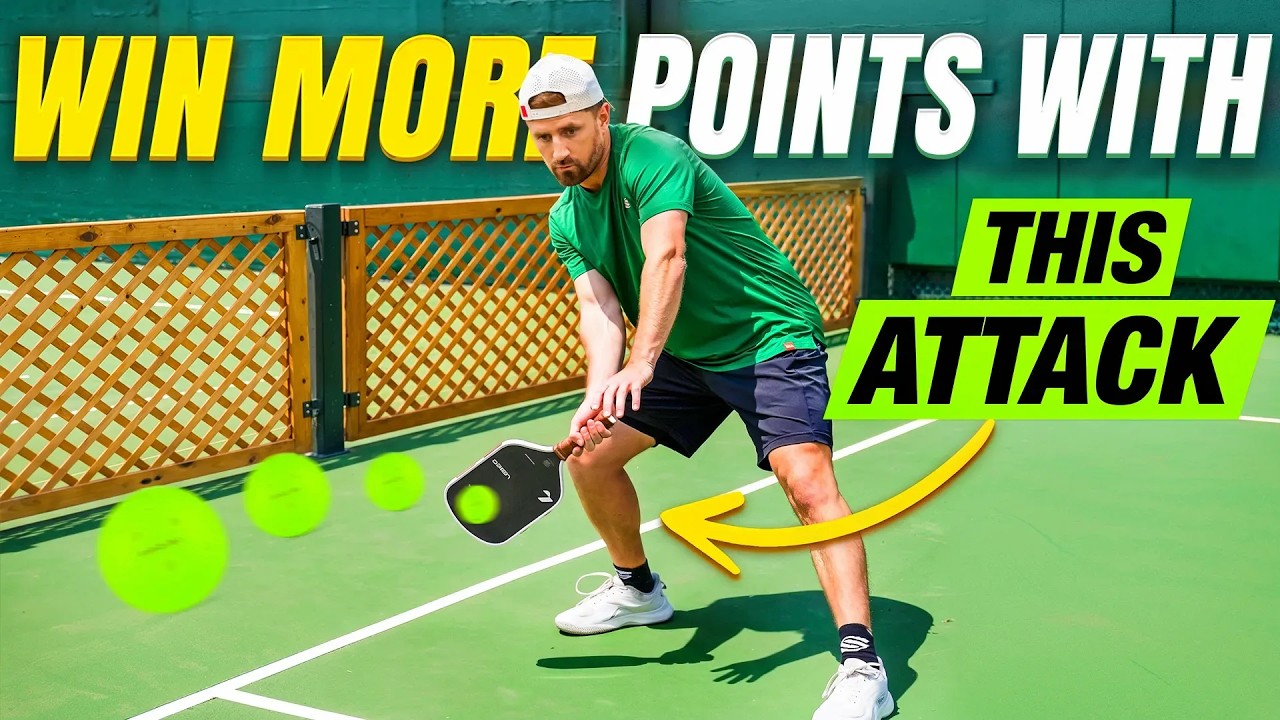
When, How, and Why to Hit a Speed-Up Off the Bounce in Pickleball
Most players pull the trigger on a speed up off the bounce at the worst possible moment. Here is the full breakdown of when to go, how to prep, and how to disguise it like the pros.
 The Dink PickleballThe Dink Media Team
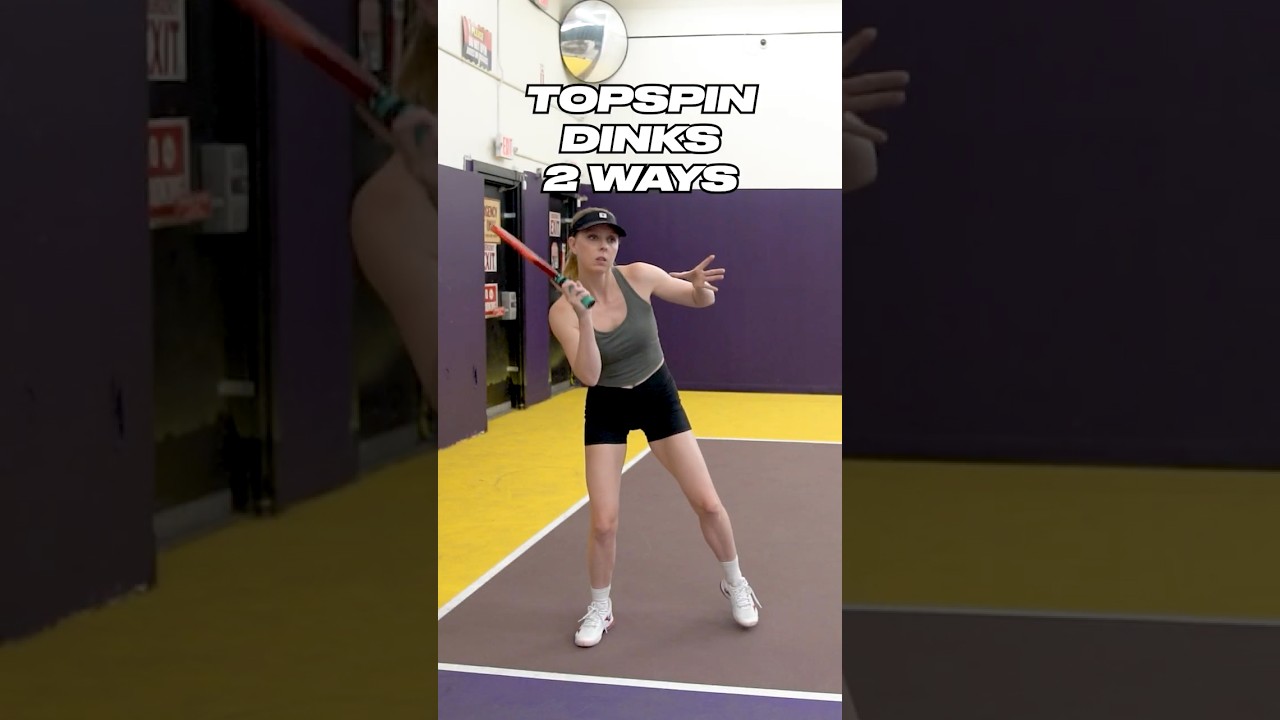
Myth 4: Every Shot Needs Spin
Adding spin to every shot increases your swing speed, your grip pressure, and your margin for error all at once. Stack those mechanics together and you create mistakes, not advantages.
The real goal for every shot you hit is that it should be unattackable. Sometimes the simplest, most boring dink does that better than any spin shot.Ben Johns is the perfect example here.
He can do everything with a ball, but his base game is simple, consistent, and deeply effective precisely because it does not overcomplicate every exchange.
Simple and boring is not weak pickleball. It is disciplined pickleball.
Dinking with intention means earning your attacks rather than forcing spin on balls that do not need it.
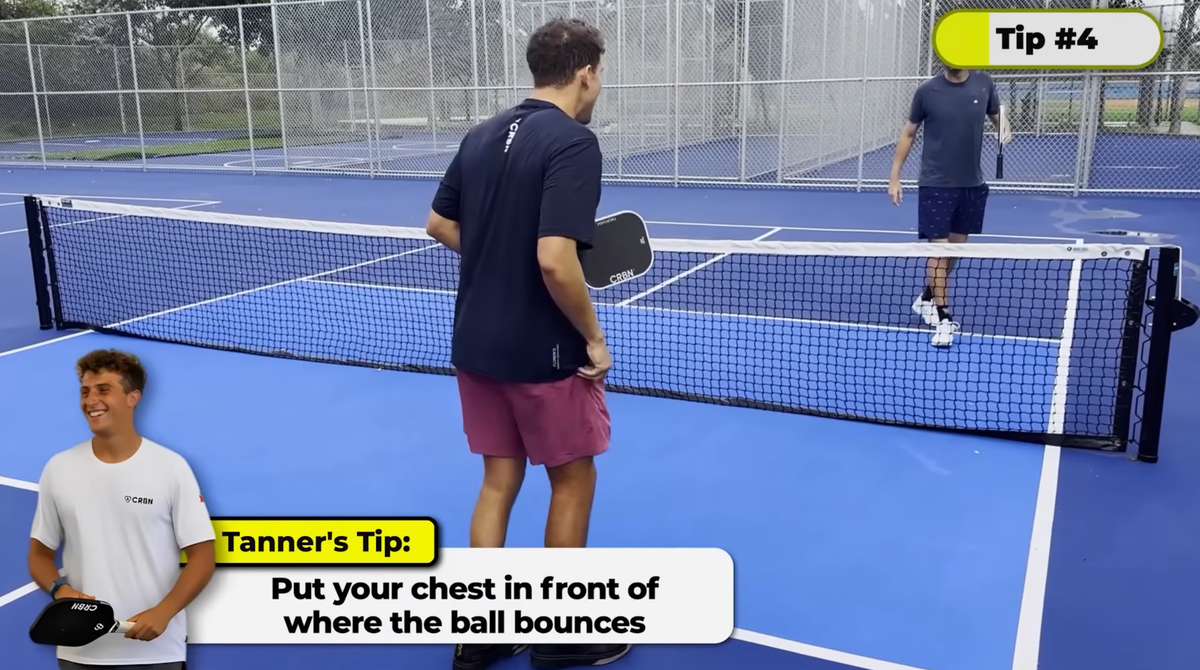
Pickleball Kitchen Line: 6 Skills to Become Unattackable
Tanner Pickleball breaks down how six simple adjustments in positioning and awareness can make you nearly impossible to attack at the kitchen line
 The Dink PickleballThe Dink Media Team
Is Pickleball Just Mini Tennis?
No. The two sports share a net and a scoring system, but the strategy, pace, and mechanics are fundamentally different.
Calling pickleball mini tennis causes players to bring the wrong instincts to the court.
Tennis rewards aggressive groundstrokes.
In pickleball, those same aggressive strokes often create unforced errors because the court is smaller and the kitchen neutralizes power attacks. Pickleball is a game of patience and construction.You build points, wait for a high ball, and then attack.
The finesse side of pickleball, the soft game, the resets, the controlled dinks, is where points are actually won.
Tennis players transitioning to pickleball often struggle for exactly this reason.
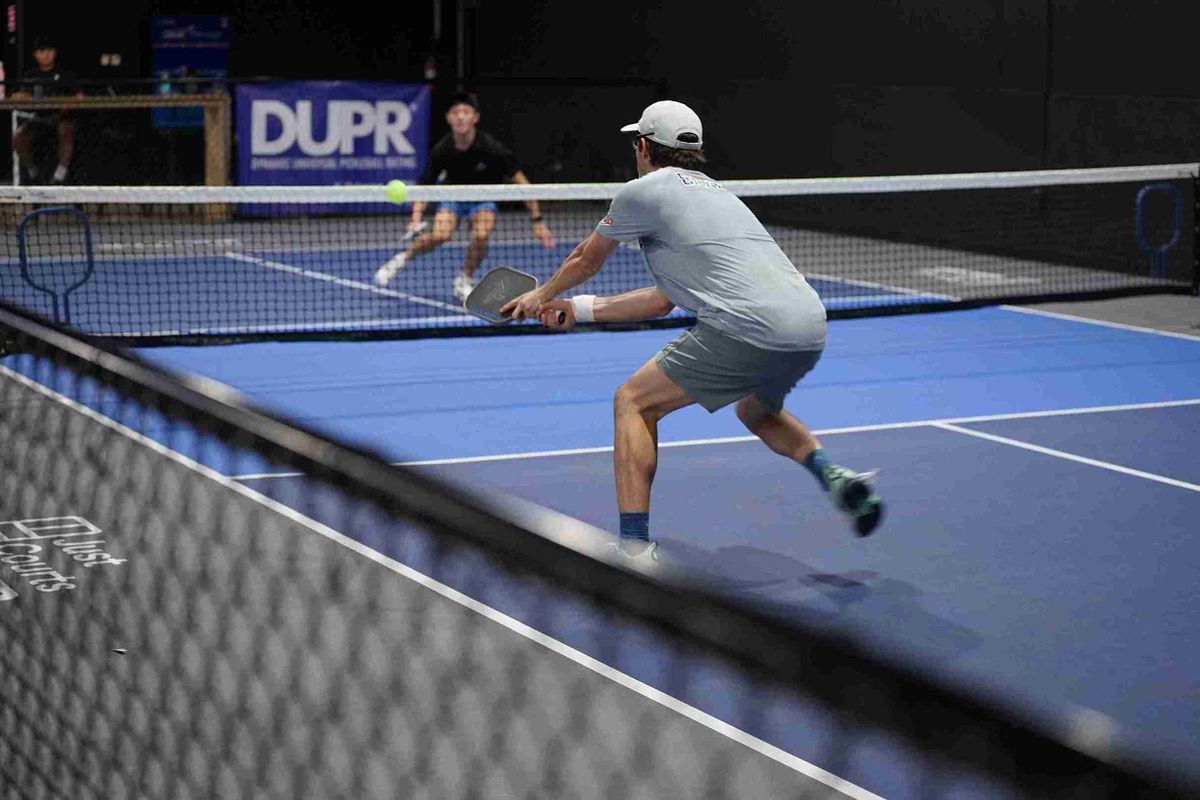
Pickleball vs Tennis: 9 Key Differences to Know
Pickleball vs tennis isn’t just a debate about noise complaints — the two sports differ in court size, scoring, serve mechanics, and strategy in ways that surprise even experienced athletes. If you’re a tennis player thinking about making the switch, here’s exactly what you need to know.
 The Dink PickleballThe Dink Media Team
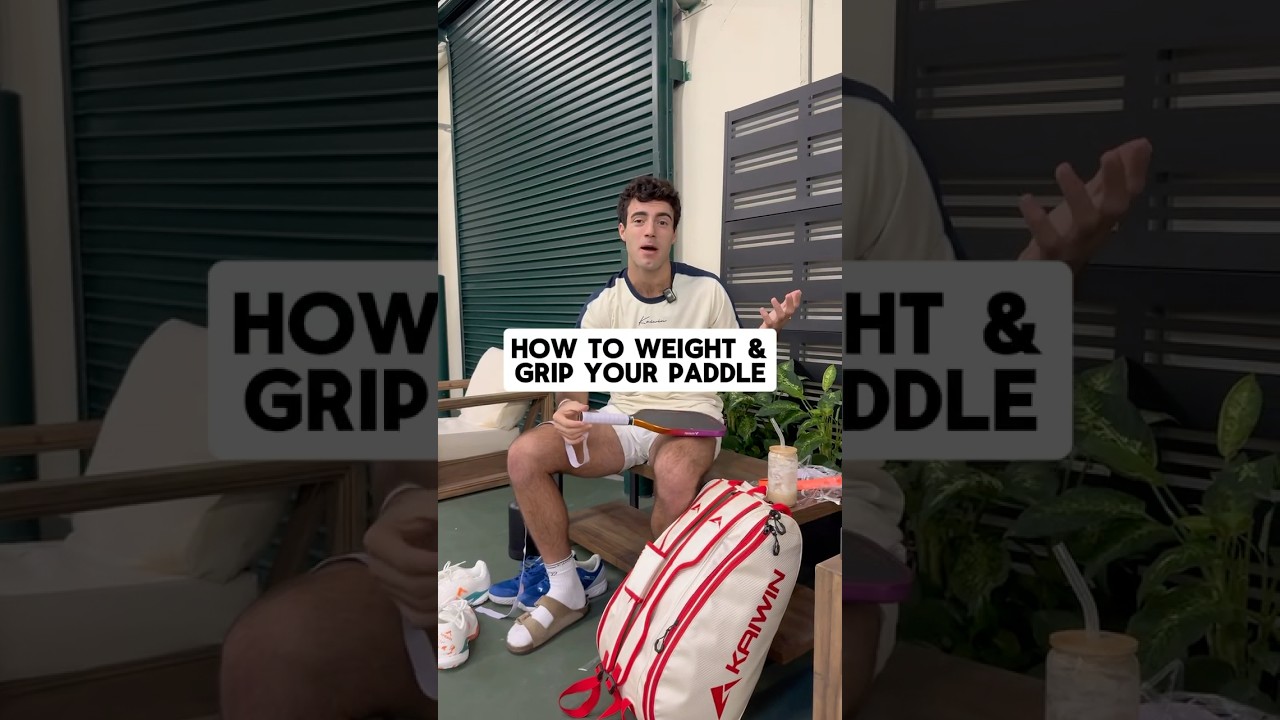
Does Paddle Weight Actually Matter?
Yes, significantly. The idea that paddle weight is irrelevant is one of the more damaging myths for players trying to find a setup that works for them.
Here is a quick breakdown of how weight placement changes paddle behavior:
- Weight at the throat adds stability, great for defensive players who want a solid feel on resets
- Weight at the 10 and 2 o'clock positions increases power on groundstrokes, popular with aggressive baseline players
- No added weight gives you quicker hands and faster reactions at the net, but can lead to overgripping
A paddle that is too light can actually cause tennis elbow. When the paddle feels light, you tend to squeeze harder and swing faster to compensate.
That tension is what wrecks your arm over time.
The right way to figure out your setup is to play with the paddle as-is first. Then try lead tape at the 10 and 2 position. Then try it at the throat. Then combine them.It is trial and error, but it is worth doing right. For a full breakdown, this guide on paddle setup, grip, and lead tape covers exactly how to approach it.
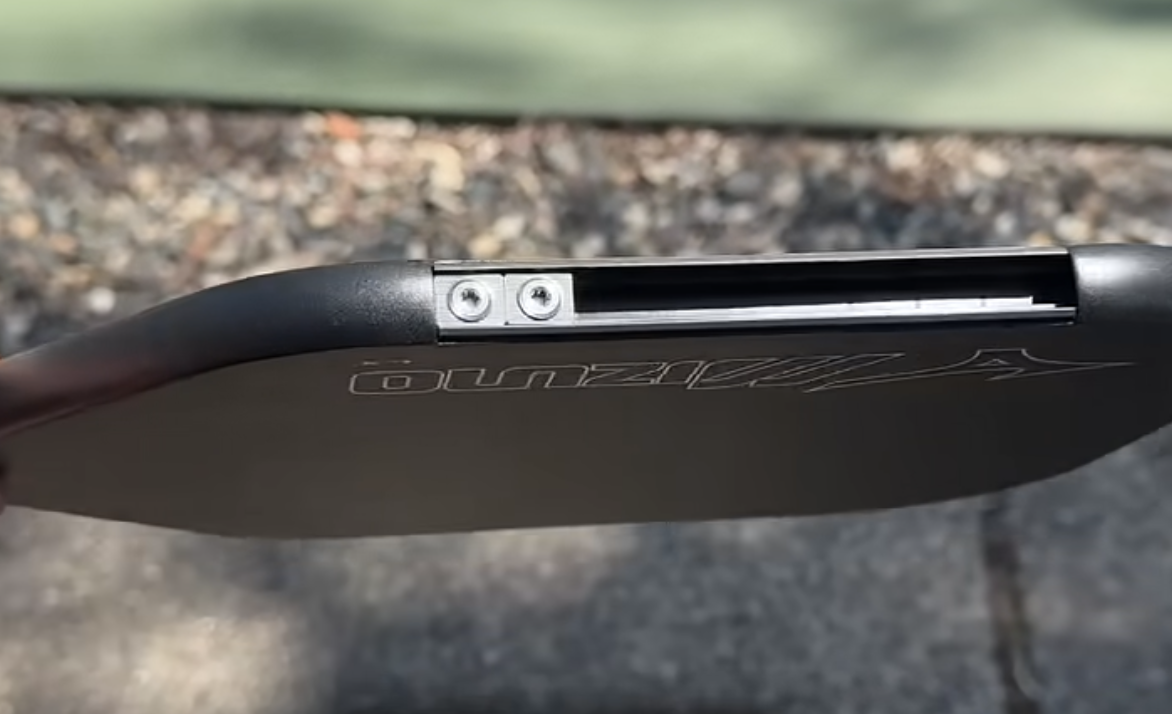
Mizuno’s Adjustable Weight Paddle: Game-Changer or Gimmick?
Mizuno dropped its first-ever pickleball paddle, and it comes with an innovative feature: an adjustable weight system built right into the frame.
 The Dink PickleballThe Dink Media Team
What About Adding Weight to a Paddle You Already Own?
Lead tape is the easiest and cheapest way to experiment with paddle balance without buying a new paddle.
Most players never try it and miss out on a meaningful performance difference.Here is the recommended sequence for testing lead tape:
- Play with your paddle in its stock configuration for a few sessions
- Add lead tape at the 10 and 2 position and notice how it changes power and swing feel
- Remove that tape and add weight at the throat to test stability and control
- Try both placements together and compare against the baseline
- Settle on the configuration that reduces errors and feels most natural at pace
There is no one-size-fits-all answer. Your age, strength, and playing style all affect what weight distribution actually helps you.
Make sure you are starting with a legitimate paddle before adding anything, since counterfeit paddles behave inconsistently even with lead tape.
Pickleball Paddle Setup: Grip, Weight and Lead Tape Tips
Most players never think about their pickleball paddle setup beyond which model to buy. The right grip layers and lead tape placement can change how stable and consistent your paddle feels on every ball.
 The Dink PickleballThe Dink Media Team
Myth 7: There Is an Age Limit for Getting Better
There is no age restriction on improvement in pickleball.
This one matters more than people admit because a lot of older players self-select out of real training before they ever see what they are capable of.With proper mechanics, proper guidance, and focused practice, players at every age improve.
The game genuinely rewards experience, patience, and shot selection over raw athleticism.
Seniors who focus on kitchen line control can neutralize players who are physically faster or stronger.The sport is built for longevity. Use that to your advantage instead of assuming your ceiling is fixed.
Pickleball for Seniors: Tips and Strategies That Work
Pickleball for seniors isn’t about running down every ball. It’s about strategy, positioning, and knowing exactly where to be before the point even starts.
 The Dink PickleballThe Dink Media Team
Myth 8: Good Sportsmanship Is Optional
This one is not about strategy, but it matters for the culture of every court you play on. When a ball hits the net and falls over for a lucky winner, acknowledge it.
A small gesture to your opponents goes a long way.
Competitive play and good sportsmanship are not opposites.
Respecting your opponents is what keeps open play, recreational games, and tournaments enjoyable for everyone involved.Bad habits on the court include how you behave between points, not just how you hit the ball.
Play hard, compete fully, and still be a person your opponents want to share the court with again.
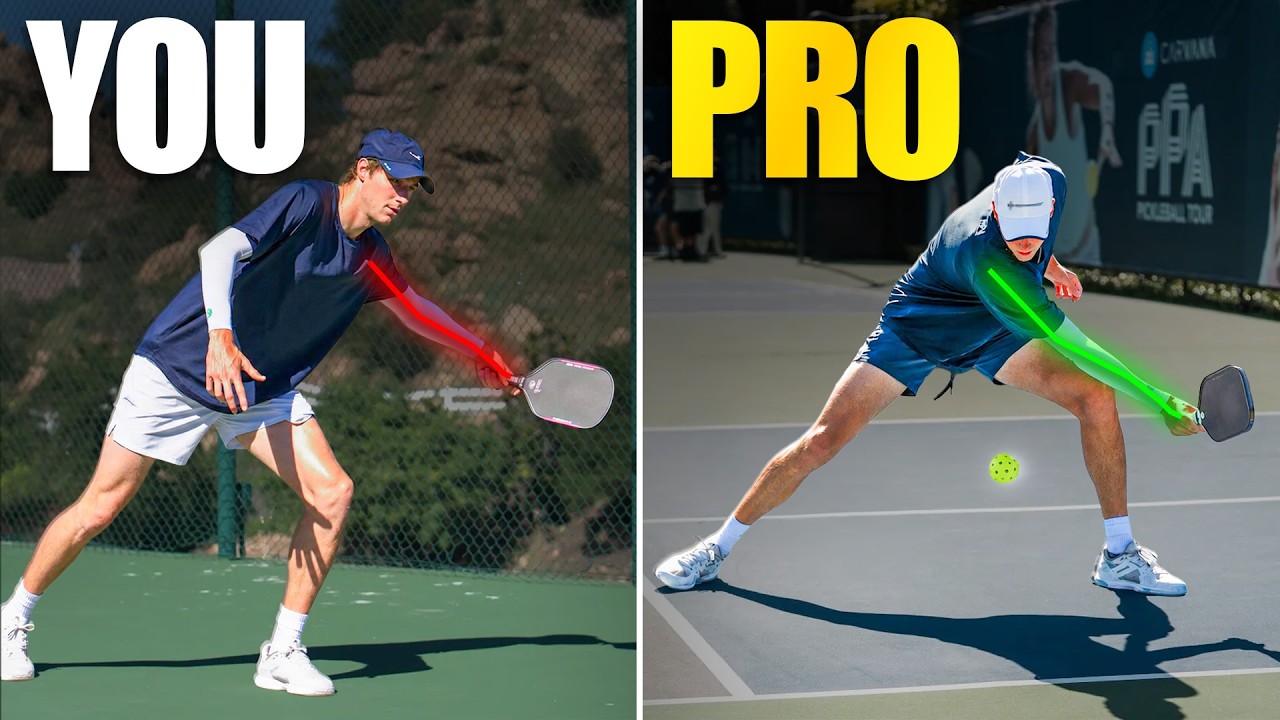
5 Things Every Pro Pickleball Player Does Differently
Most amateur players already know the shots. What they’re missing is how pro pickleball players actually think, move, and position themselves during a point. These five habits are the difference.
 The Dink PickleballThe Dink Media Team
The Bigger Picture: Stop Playing on Bad Information
Most of these myths spread because they sound right. Power feels effective. Forehands feel strong.
Spin feels advanced. But pickleball rewards the player who understands what actually creates pressure on the other side of the net.
Forcing your opponent to hit below the net, moving with your partner, keeping shots unattackable, and getting your paddle setup dialed in are the real building blocks.Fixing your misconceptions is faster than grinding more reps on the wrong fundamentals.
If any of these myths sound familiar from your own game, that is your starting point. Pick one, fix it this week, and watch what changes.
💡
Heads up: hundreds of thousands of pickleballers read our free newsletter.
Subscribe herefor cutting edge strategy, insider news, pro analysis, the latest product innovations and more.
Frequently Asked Questions
Is the third shot drop always better than a drive in pickleball?
Not always, but the drop is better in most situations because it forces your opponent to contact the ball below the net, making them lift it and giving you a weak return to attack. Drives work when you have enough topspin to keep the ball low and your opponent is out of position. Without those conditions, the drop gives you a higher margin for success.
Why is adding spin to every pickleball shot a mistake?
Adding spin increases your swing speed, grip pressure, and overall mechanical complexity, which raises your error rate. The better goal is to make every shot unattackable, which is often achieved with a simple, well-placed ball rather than heavy spin. Spin should be a tool you use selectively, not a requirement on every contact.
Does paddle weight really affect pickleball performance?
Yes, and the placement of that weight matters just as much as the total amount. Weight at the throat adds stability for resets and defensive play, while weight at the 10 and 2 position boosts power on drives. A paddle that is too light can cause players to overgrip and overswing, which leads to arm injuries over time.
Should the stronger player always take the forehand side in doubles?
Not necessarily. The real key is that both players move together and cover the court as a unit rather than one player dominating with their forehand. Overcommitting to forehands leaves large gaps on your side of the court that good opponents will find and exploit every time.
Can you stand in the kitchen in pickleball?
Yes, you can stand in the kitchen whenever you want. The only rule is that you cannot volley the ball while standing in the kitchen. Stepping in early to take a short ball before it drops low is actually a smart offensive move, as long as you step in with control so you can recover quickly without foot faulting.
Anuncie Aqui / Advertise Here
Sua marca para o mundo Pickleball! / Your brand for the Pickleball world!




 English (US) ·
  Portuguese (BR) ·