
 English
  Spanish
  Portuguese
  German
  Italian
  Japanese
  French
  Polish
  Russian
  Netherlands
  Hungarian
  Turkish
  Videos
  Thedink Pickleball

The topspin dink and roll dink look almost identical at the start, but one small difference in follow-through changes everything. Here is how to use both weapons at the kitchen line.
If you have been working on your topspin dink but still feel like your dinking game has only one gear, you are probably missing a second weapon that lives in the exact same swing.
Most players treat the forehand dink as one shot.
It is actually two, and knowing when to use each one is what separates players who win dink battles from players who just survive them.
This breakdown comes from Cori Elliott on YouTube, who laid out the mechanics and situations for both shots in a way that makes it easy to feel the difference and apply it immediately.Love pickleball? Then you'll love our free newsletter. We send the latest news, tips, and highlights for free each week.
Why These Two Shots Feel Almost Identical (Until They Don't)
The topspin dink and the forehand roll dink share the same foundation. That is exactly what makes them so effective when used together.
Your opponent cannot tell which one is coming until the follow-through gives it away. And by then, it is too late for them to adjust.Here is where both shots start the same:
- Footwork: Get behind the ball. Do not reach. Being in position early is what gives you the choice between these two shots in the first place.
- Paddle path: Both shots start low and move high. You are brushing the ball, not pushing it. That upward motion is what creates spin and keeps the ball controlled over the net.
- Contact point: You are hitting slightly on the outside of the ball on both shots. That brush is what generates the topspin that makes the ball dip and stay inside the kitchen.
The only thing that separates them is what happens after contact. That single variable is everything.
What Is the Topspin Dink, Exactly?
The topspin dink is your consistent, crosscourt weapon.
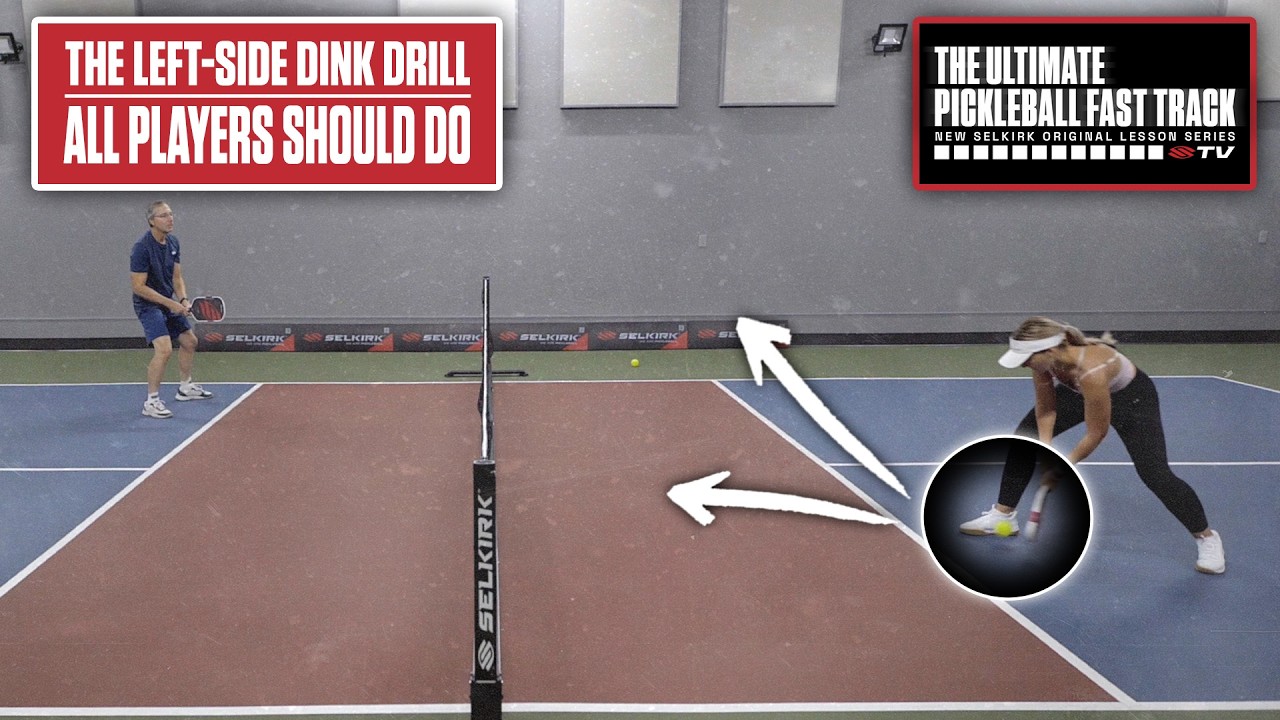
Think of the follow-through as a U shape or a rainbow that ends near your ear on the same side of your body as your paddle.
You are not crossing the body. You finish on the same side you started.The arc of the swing creates topspin, and that topspin pulls the ball down into the kitchen after it clears the net.
This is the shot you should be hitting most of the time.
It is reliable, it keeps the ball low, and it gives you margin for error because the spin does the work of bringing the ball down.
A clean 3-step progression is the fastest way to lock that motion in.
If your dinking has been inconsistent, check your follow-through first. A lot of players cut the swing short or push through flat.Why your forehand dink fails often comes down to exactly this issue.
💡
Need some new pickleball gear? Get 20% off select paddles, shoes, and more with code THEDINK at
Midwest Racquet SportsHow Is the Roll Dink Different?
The forehand roll dink finishes cross-body, toward your opposite shoulder.
That is the one change. Same low-to-high path, same outside brush on the ball, but now the arm swings across instead of curving back to the same side.
That cross-body finish puts more pace and weight on the ball. It is aggressive by design.The roll dink is not a shot you hit constantly. It is a shot you earn. You use it when you notice something specific happening on the other side of the net.
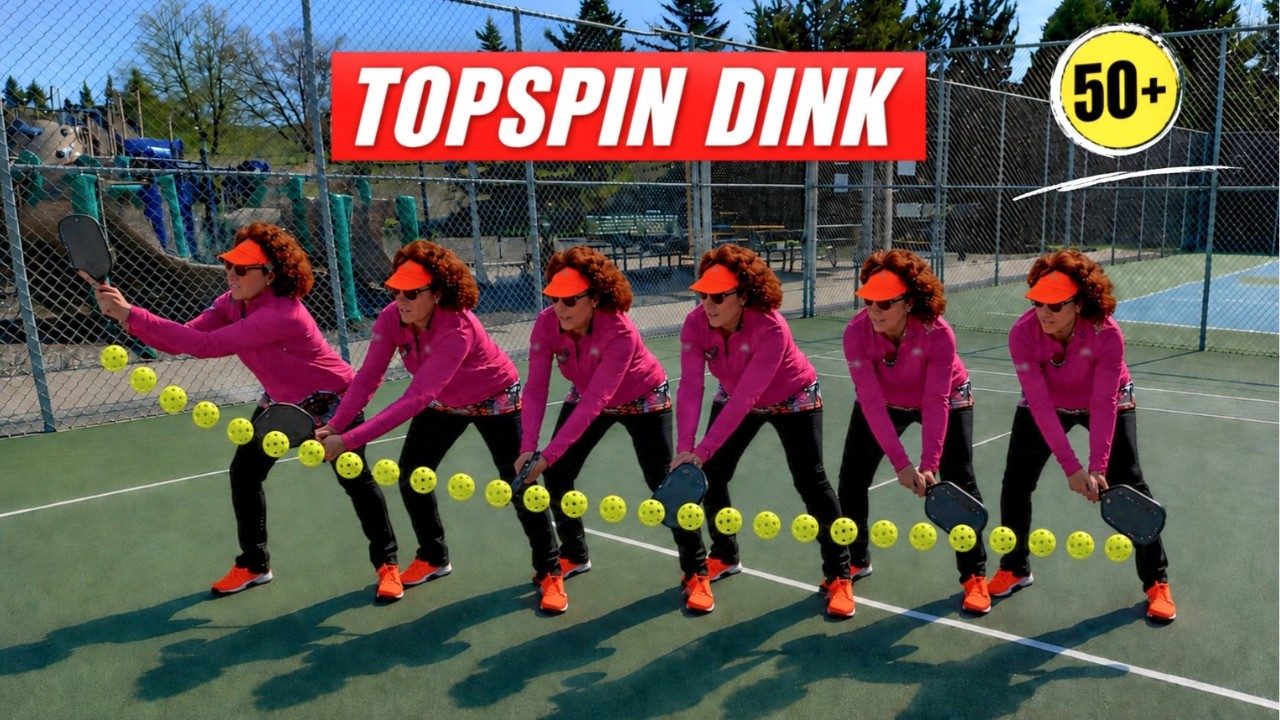
Master the Backhand Roll Dink: 3 Keys for Seniors
The backhand roll dink is one of pickleball’s trendiest shots, but it’s also one of the most misunderstood. Here are the three specific things you need to fix to make this shot reliable and consistent.
 The Dink PickleballThe Dink Media Team
When Should You Actually Use the Roll Dink?
This is where most players go wrong. They either never use the roll dink, or they use it randomly and wonder why it keeps flying long.
The roll dink works best in three specific situations:
- Your opponent is pinching the middle. If they are cheating toward the center, the angle to the open sideline is there. The cross-body finish on the roll dink sends the ball exactly where they are not.
- There is open space on the court. Any time you see a gap, the roll dink lets you drive the ball into that space with more pace than a standard topspin dink would produce.
- Your opponent is not fully set at the kitchen line. If they are still moving in or recovering from the previous shot, the added pace punishes them before they get balanced. That read is one of the four key strategies separating modern pickleball from rec-level pickleball.
Notice that all three situations require you to read something first. You are not rolling because you feel like it. You are rolling because the court is telling you to.
This is exactly the kind of intentional approach that separates good dinking from great dinking.Dinking with intention means earning your attacks, not forcing them.
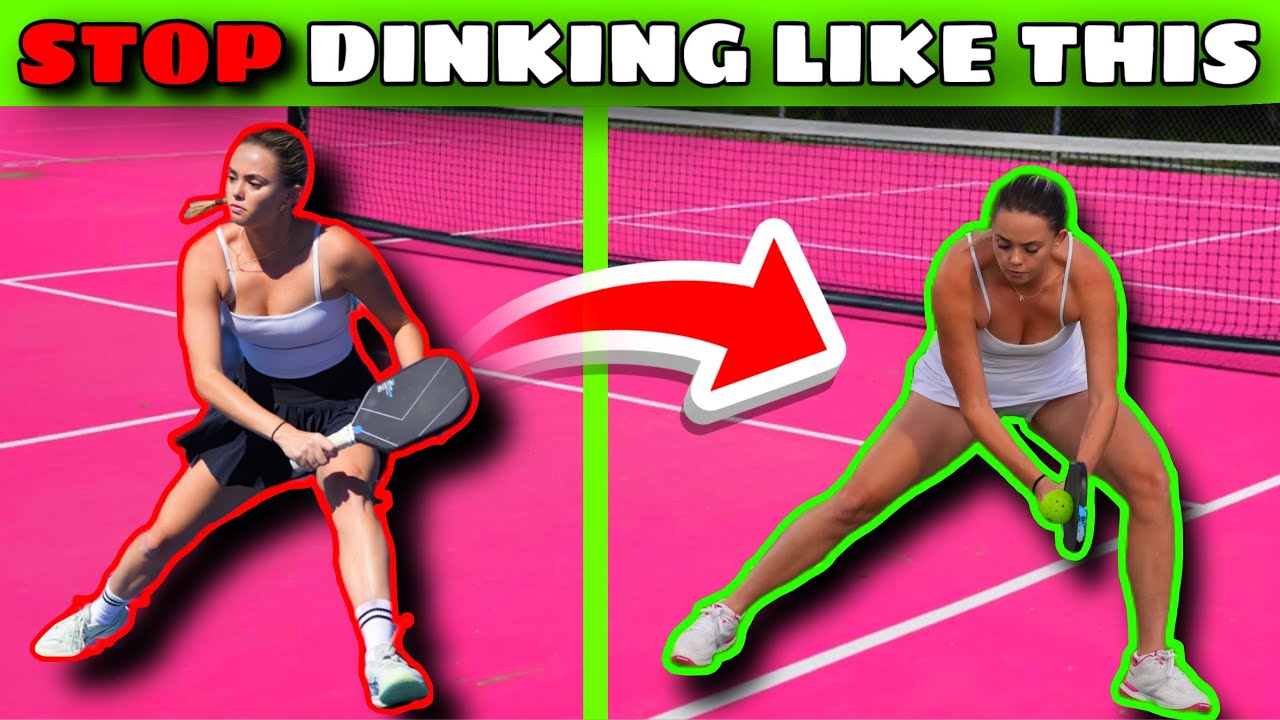
Perfect the Pro-Level Backhand Dink: Slice vs. Two-Handed Roll
The slice keeps you in rallies when you’re under pressure. The two-handed topspin roll lets you take control and push your opponent back.
 The Dink PickleballThe Dink Media Team
What Does "The Ball Is Dead" Actually Mean?
Cori Elliott uses the phrase "when the ball is dead" to describe the perfect moment for a roll dink.
This is worth breaking down because it is a concept a lot of players have not put a name to.
A dead ball is one that arrives with very little pace, very little spin, and sits up in a hittable position. It is not bouncing aggressively. It is not low and skidding.It is just sitting there, practically asking to be attacked.
When you get a dead ball at the kitchen, you have more time and more control.
That is when you can load up on the roll dink and put real weight on it without the risk of rushing the shot.
Compare this to a fast, low ball coming at your feet. That is not a roll dink situation. That is a reset situation.Knowing the difference keeps you from making costly errors.
A good reset drill builds that recognition fast, and the 12 drills worth running this season cover the rest of the gaps.
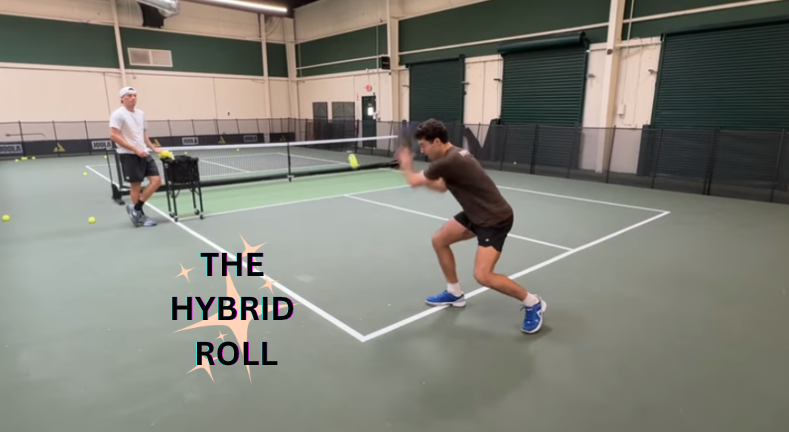
Master the Hybrid Roll: Advanced Third-Shot Drop
Having this shot in your arsenal is typically worth three points per game, a massive advantage when you’re playing to 11
 The Dink PickleballThe Dink Media Team
The Follow-Through Is the Whole Game
Here is the simplest way to remember both shots:
- Topspin dink: Same side finish. Paddle ends near your ear on the paddle side. U or rainbow shape. Crosscourt consistency.
- Roll dink: Opposite side finish. Paddle crosses toward the opposite shoulder. More pace. Used when the opponent is out of position or the ball sits up dead.
The footwork is the same. The start of the swing is the same. The contact is the same.
Only the follow-through changes.
That similarity is not a coincidence. It is what makes these two shots work as a combination, because your opponent prepares for one and gets the other.
Pros have been leaning harder on spin variation ever since they abandoned the slice shot as a default.Think about how Anna Leigh Waters uses variety at the kitchen line. She does not just dink.
She builds pressure by mixing pace and angle until an opening appears. Winning a crosscourt dink battle is about exactly this kind of variation, not power.
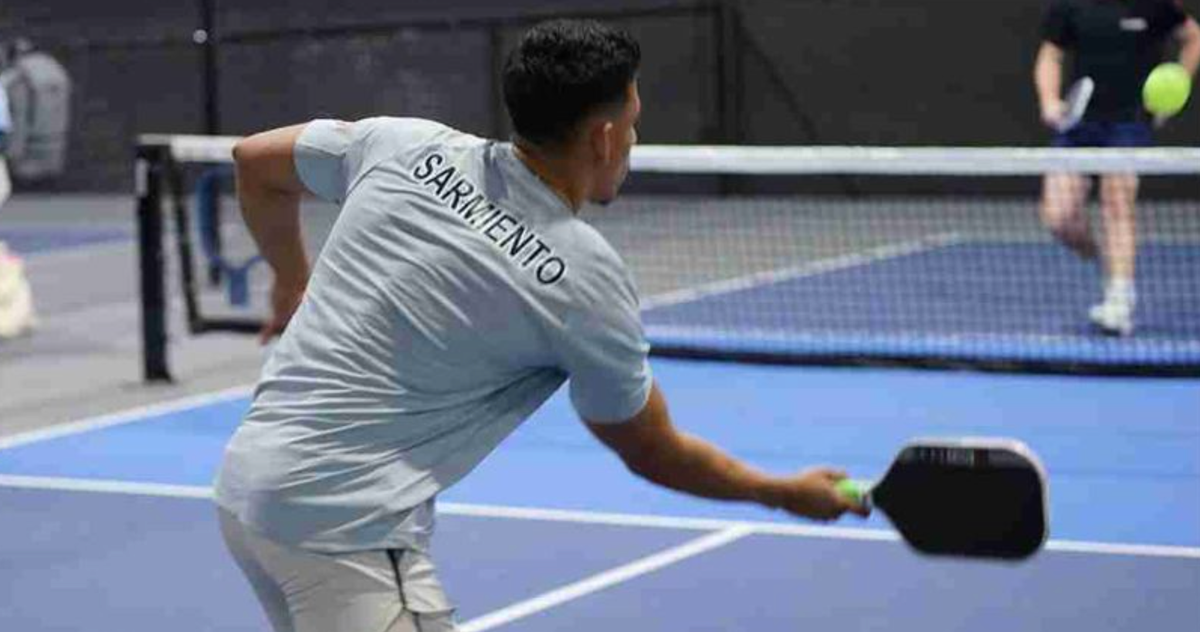
How to Hit a Forehand in Pickleball: Grip & Swing
Knowing how to hit a forehand in pickleball is the foundation for every aggressive shot in your arsenal. Master the grip, swing path, and follow-through and you’ll own the baseline.
 The Dink PickleballThe Dink Media Team
How Do You Practice This Without Confusing Yourself?
Start by ingraining the topspin dink follow-through until it is automatic. Same side, rainbow shape, ear finish. Hit it until you do not have to think about it.
Once that is locked in, add the roll dink in short practice bursts. Work with a partner and have them call out "roll" randomly during a dink rally.That forces you to switch follow-throughs on the fly, which is exactly what happens in a real match.
You are not practicing two separate shots in isolation. You are practicing the read and the switch. That is the real skill.
There are several dink types worth knowing, and building fluency between them is what makes your kitchen game genuinely hard to defend.It also sits near the top of the essential shots worth mastering this year.
If you want to sharpen the mechanics further, fixing your dinking technique to stop popups pairs perfectly with this work.
Popups happen when the low-to-high path breaks down, which is the same path both of these shots depend on.
How to Hit a Backhand Topspin Dink in Pickleball
The backhand topspin dink is one of the most practical shots in mixed doubles pickleball. Master this essential technique to keep your dinks low and your opponents on their heels.
 The Dink PickleballThe Dink Media Team
Why Most Players Only Use One of These Shots
The honest answer is habit. Most players fall into a dinking pattern early and never challenge themselves to break out of it.
They dink crosscourt, they dink crosscourt again, and they wait for the other person to make a mistake.
That is a passive strategy, and at higher levels it will get you picked apart.The roll dink forces your opponent to respect both directions and both paces.
When they do not know whether you are going to float a topspin dink or drive a roll dink across your body, they cannot settle into a comfortable position.
That uncertainty is the real weapon.
If you are working on building more weapons at the kitchen, winning a dink battle comes down to three specific steps pros rely on, and that 4-step system puts the rest of your point construction in order.Your footwork also matters more than people realize here. If you are late to the ball, you lose the option to choose your follow-through.
A lateral movement drill that fixes your footwork fast gives you the position you need to actually pick your shot.
And if you keep popping balls up during dink exchanges, two specific fixes stop the popup habit.
The topspin dink keeps you in the rally. The roll dink ends it.Use them both, read the court before you choose, and watch how much more pressure you put on every opponent you face at the kitchen line.
It is one of the shots you need before 2026 if 5.0 is the goal.
💡
Heads up: hundreds of thousands of pickleballers read our free newsletter.
Subscribe herefor cutting edge strategy, insider news, pro analysis, the latest product innovations and more.
Frequently Asked Questions
What is the difference between a topspin dink and a roll dink in pickleball?
The topspin dink finishes on the same side of the body as the paddle, ending near the ear in a U or rainbow shape. The roll dink finishes cross-body toward the opposite shoulder, which adds more pace and aggression to the shot. The start of both swings is identical, which is what makes them hard for opponents to read.
When should I use the roll dink instead of the topspin dink?
Use the roll dink when your opponent is pinching the middle, when there is open space on the court, or when the ball arrives with very little pace and sits up dead. It is an attacking shot, not a consistency shot, so you need to see a clear opportunity before using it. If you roll randomly, you will generate errors instead of winners.
Why does the follow-through matter so much in dinking?
The follow-through determines the pace, direction, and spin on your dink. A same-side finish creates controlled topspin that pulls the ball into the kitchen. A cross-body finish adds pace and changes the angle, which is what makes the roll dink a genuine threat.
How do I practice switching between the topspin dink and the roll dink?
Lock in the topspin dink follow-through first until it requires no conscious thought. Then add roll dink reps by having a partner call out the shot type randomly during live rallies. Practicing the switch under pressure is more valuable than drilling each shot separately.
Can beginners use the roll dink or is it only for advanced players?
Beginners can learn the roll dink, but it makes sense to build the topspin dink first since that is your bread-and-butter consistency shot. Once your standard dink is reliable and your footwork is solid, adding the roll dink becomes straightforward because the mechanics are nearly the same. Trying to learn both at once before the foundation is in place usually leads to doing neither well.
Anuncie Aqui / Advertise Here
Sua marca para o mundo Pickleball! / Your brand for the Pickleball world!




 English (US) ·
  Portuguese (BR) ·