
 English
  Spanish
  Portuguese
  German
  Italian
  Japanese
  French
  Polish
  Russian
  Netherlands
  Hungarian
  Turkish
  Videos
  Thedink Pickleball

"The Lifetime Pro 48 stood out right away. It snapped back into a round shape very fast, almost before it even left the cinder block."
John Kew is known for his highly technical approach to pickleball paddle reviews. And lately, he's been upping the ante, experimenting with a high-speed camera.
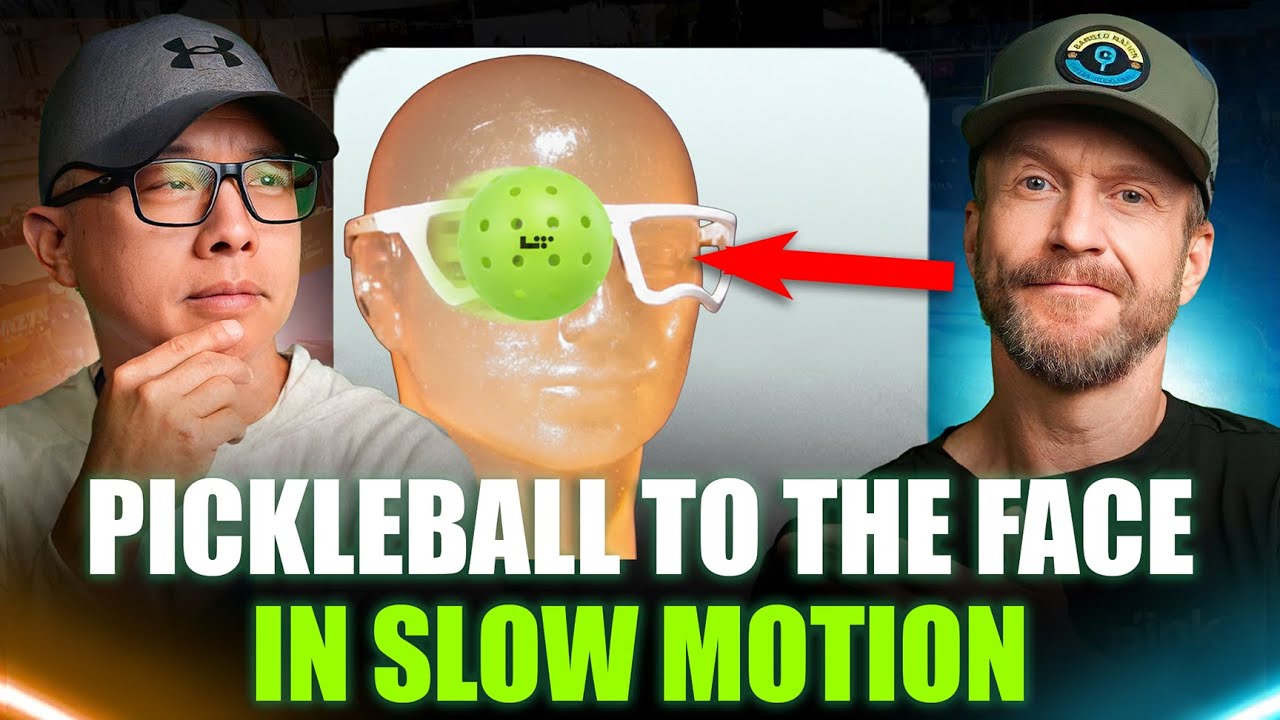
He looked a protective eyewear first:
Slow Motion Video Shows Pickleball Protective Eyewear Exploding on Ball Contact
Even at realistic speeds around 40 mph, some frames shatter into sharp shrapnel, the lenses pop out, and the shock wave transfers directly to the eye socket
 The Dink PickleballThe Dink Media Team
Then he turned to the ball itself.
"Instead of hitting balls into a paddle, I fired balls at a cinder block at 70 mph," he said in a recent newsletter. "This let us see how the ball itself reacts, without the paddle changing what’s happening."
His goal was straightforward:
- How much does the ball squish?
- How fast does it go back to being round?
- Does it stay out of shape long enough to cause weird bounces later?
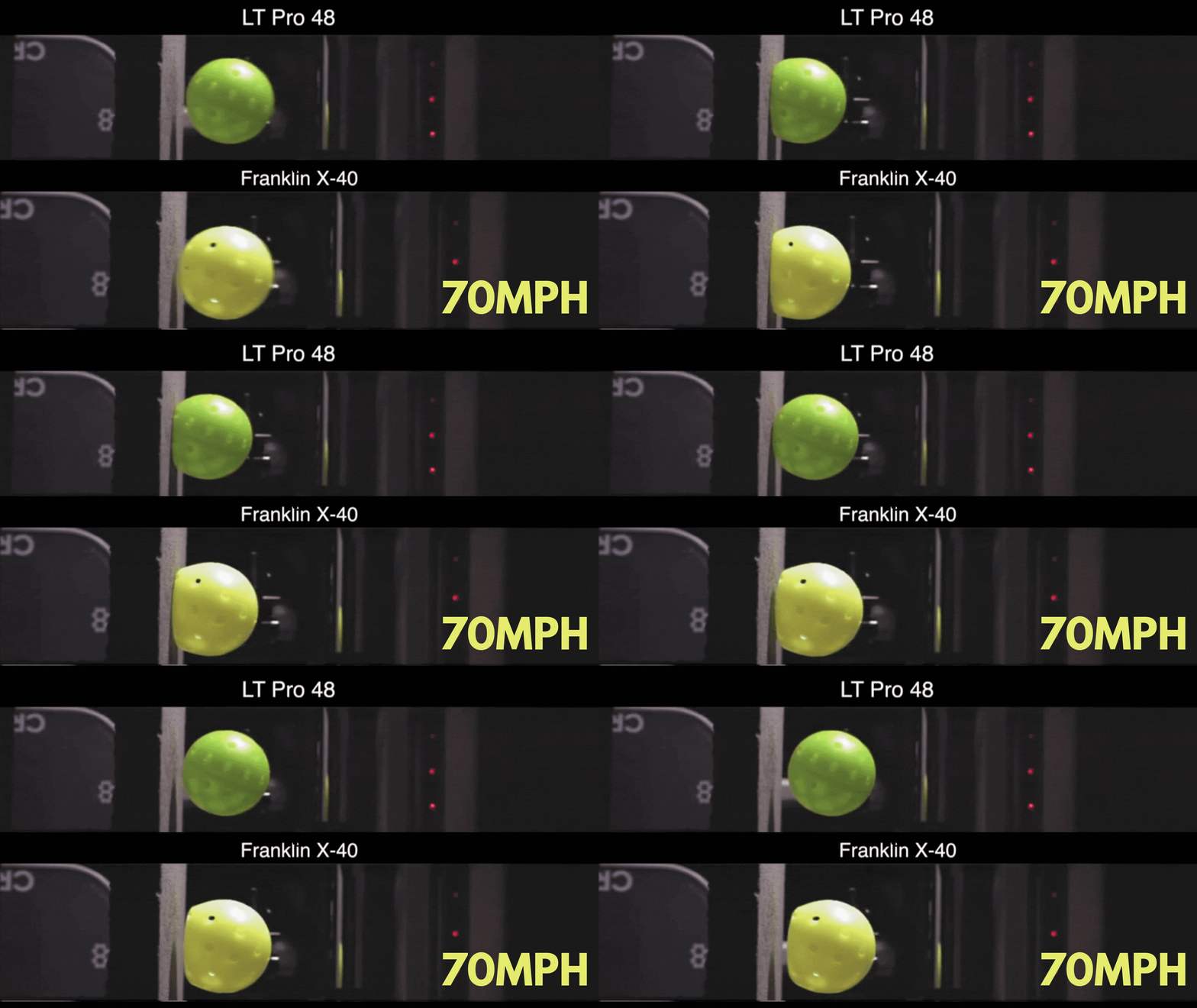
Here are a few observations he recorded:
- The Lifetime Pro 48 stood out right away. It snapped back into a round shape very fast, almost before it even left the cinder block.
- The Franklin X-40 did show a flat spot when it hit, but it eventually goes back to round, unlike some other balls that keep a flat spot for longer. That faster recovery helps explain why the X-40 usually feels more predictable during play.
"Balls like the Vulcan VPro Flight flattened more, took longer to recover, and sometimes stayed a little out of shape," he noted. "That flat spot can hang around long enough to create strange hops later in a game."
He looked at a few others as well. For more deep pickleball insights like this, check out John's website and podcast:
Anuncie Aqui / Advertise Here
Sua marca para o mundo Pickleball! / Your brand for the Pickleball world!


 English (US) ·
  Portuguese (BR) ·