
 English
  Spanish
  Portuguese
  German
  Italian
  Japanese
  French
  Polish
  Russian
  Netherlands
  Hungarian
  Turkish
  Videos
  Thedink Pickleball

One theme runs through every shot Connor demonstrates: keep your backswing small – a lot of players think power comes from a big swing, but that's backwards
Connor Garnett, the founder of Twoey Nation and a top pickleball pro, just spent an hour breaking down the five essential two-handed backhand shots you need to master.
If you've been struggling with your backhand or wondering why some players make it look so effortless, this masterclass from Friday Pickleball has all the answers.
Love pickleball? Then you'll love our free newsletter. We send the latest news, tips, and highlights for free each week.
The Five Shots That Matter
Connor walks through five distinct two-handed backhand shots that form the foundation of a complete game, and mastering all five gives you the versatility to handle any situation on the court.
- The basic drive: your go-to power shot with compact mechanics and hip-driven rotation.
- The speed-up: an aggressive follow-up that catches opponents off guard when they expect a softer shot.
- The drop: a delicate touch shot that requires patience and precise paddle control.
- The counter: a defensive stroke that turns incoming pace into your own offensive opportunity.
- The slice: a specialty shot with side spin that adds variety and keeps opponents guessing.
Generate Effortless Power in Pickleball Through Proper Body Rotation
The unit turn is simple in concept but transformative in practice – it means rotating your hips, shoulders, and non-dominant arm together as one unit, rather than isolating your arm for power
 The Dink PickleballThe Dink Media Team
Compact Is King
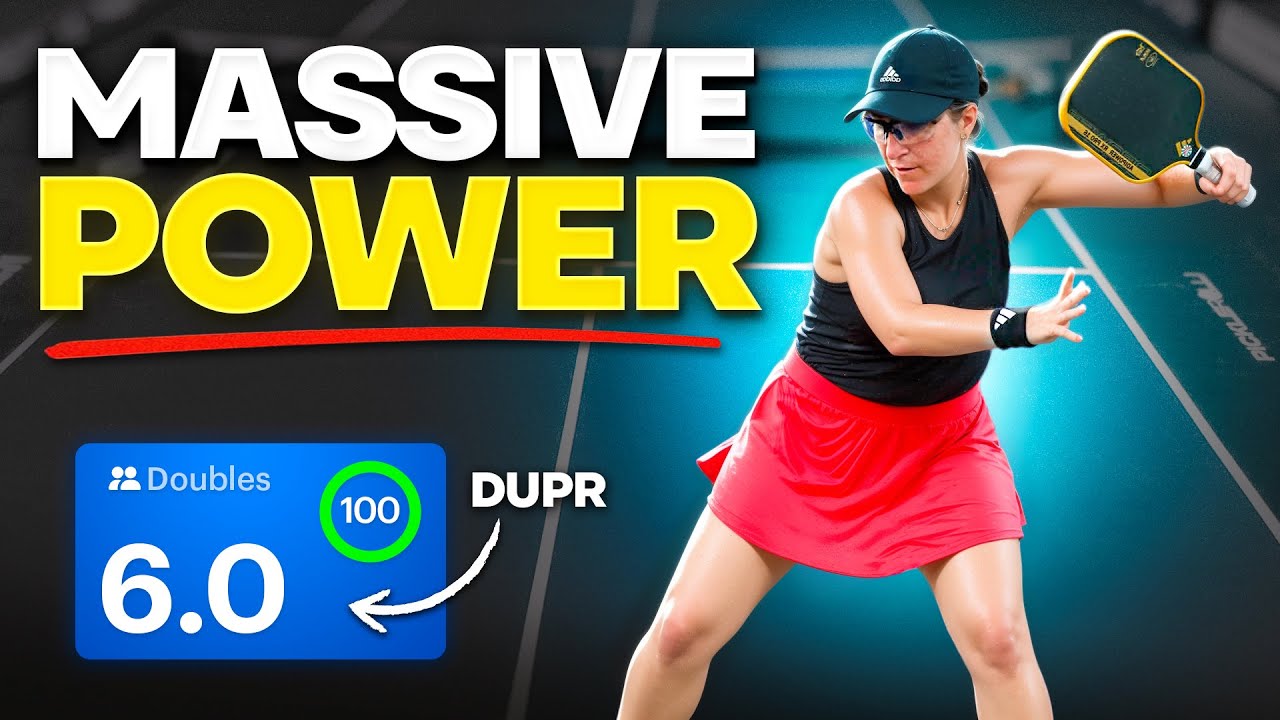
One theme runs through every shot Connor demonstrates: keep your backswing small. A lot of players think power comes from a big swing, but that's backwards.
The real engine is your hips and core. Your arms should follow along, not lead the charge. When you keep your paddle in front of you and let your lower body do the work, you get more control, more consistency, and honestly, more power.
You should always be able to see your paddle. If it disappears behind you, you've gone too far.
The Hip Is Your Secret Weapon
Connor emphasizes the left hip as the primary driver of your two-handed backhand.
Start with your paddle tip below your wrist, let your left hip come out, and then your arms follow naturally.
You're not muscling the ball; you're rotating through it.This sequencing matters because it keeps your stroke efficient. The difference is subtle but game-changing, especially when you're tired late in a match.
How to Defend with Two Hands Just Like the Top Pickleball Pros
This two-handed approach gives you the control and stability needed to lift balls cleanly, especially when they’re coming at awkward angles or bouncing low
 The Dink PickleballThe Dink Media Team
Speed-Ups Aren't About Deception
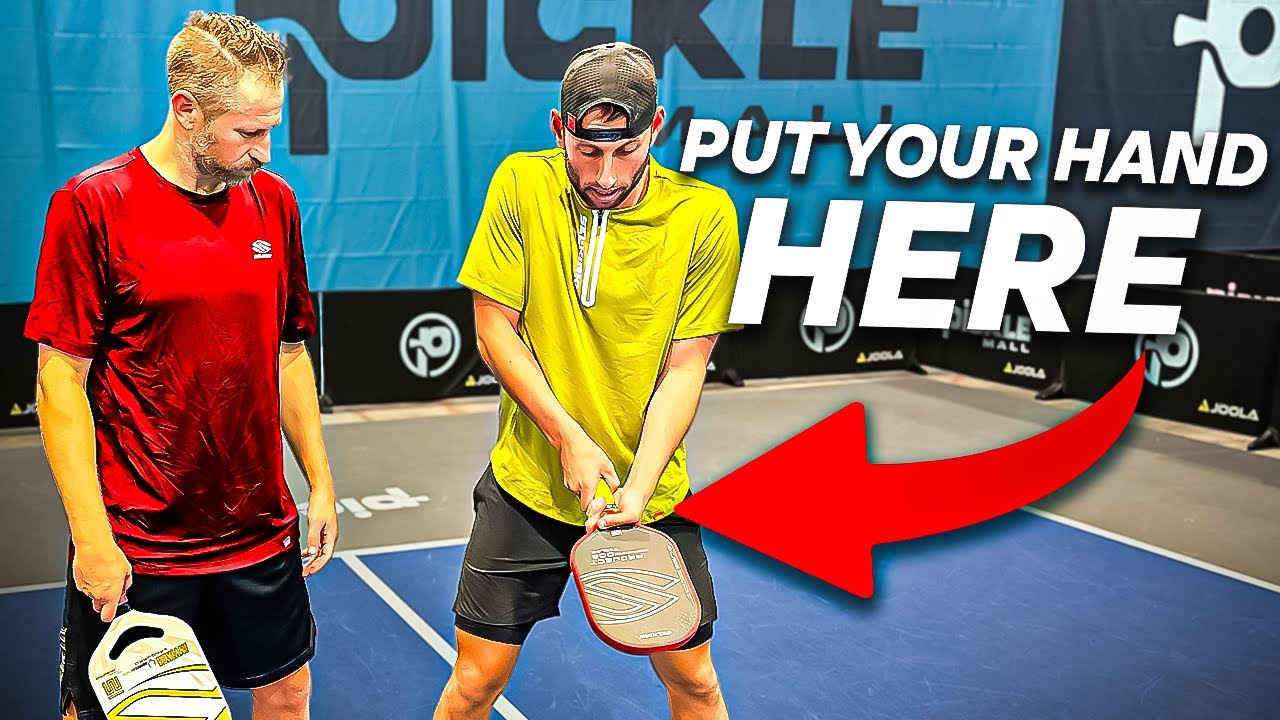
A speed-up doesn't need to look different from your regular shot. In fact, the best speed-ups look almost identical until the moment of contact.
What matters is spot, pace, and spin. You can hit the same target at two different speeds, or you can vary your placement. If your opponent can't cover all the angles and speeds you're capable of, they're in trouble.
The real key is getting back to your ready position immediately after you hit it, because at higher levels, the ball's coming back.
8 Essential Fixes to Become a Threat in Pickleball Doubles
You can have the best strokes on the court, but if you and your partner aren’t moving as one unit and covering the right areas, you’ll get picked apart.
 The Dink PickleballThe Dink Media Team
Drops Require Patience
The drop shot is where touch becomes everything.
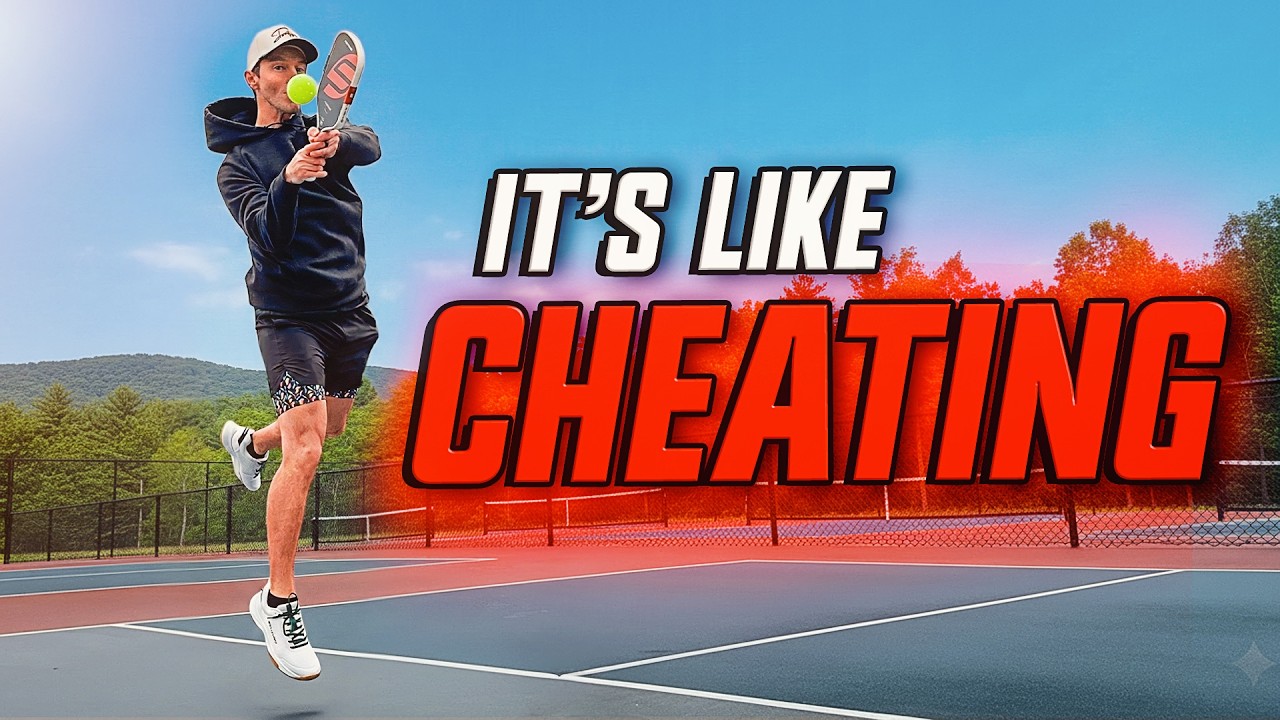
Connor's biggest coaching point: let the ball drop onto your paddle instead of hitting it at its peak.
This gives you more time to control the shot and more margin for error. Pair that with a little carve around the ball, keep your body still, and lead with the paddle tip. The result is a soft, controlled shot that lands just over the net.
Pros hit drops incredibly close to the net. Your margin is probably just a few inches above the net. Anything higher is attackable.
Four Amateur Pickleball Habits Sabotaging Your Game
Your pickleball game might be better than you think, but four sneaky amateur habits could be holding you back from reaching the next level.
 The Dink PickleballThe Dink Media Team
The Counter Is About Timing
When you're defending and need to turn the tables, the counter is your weapon.
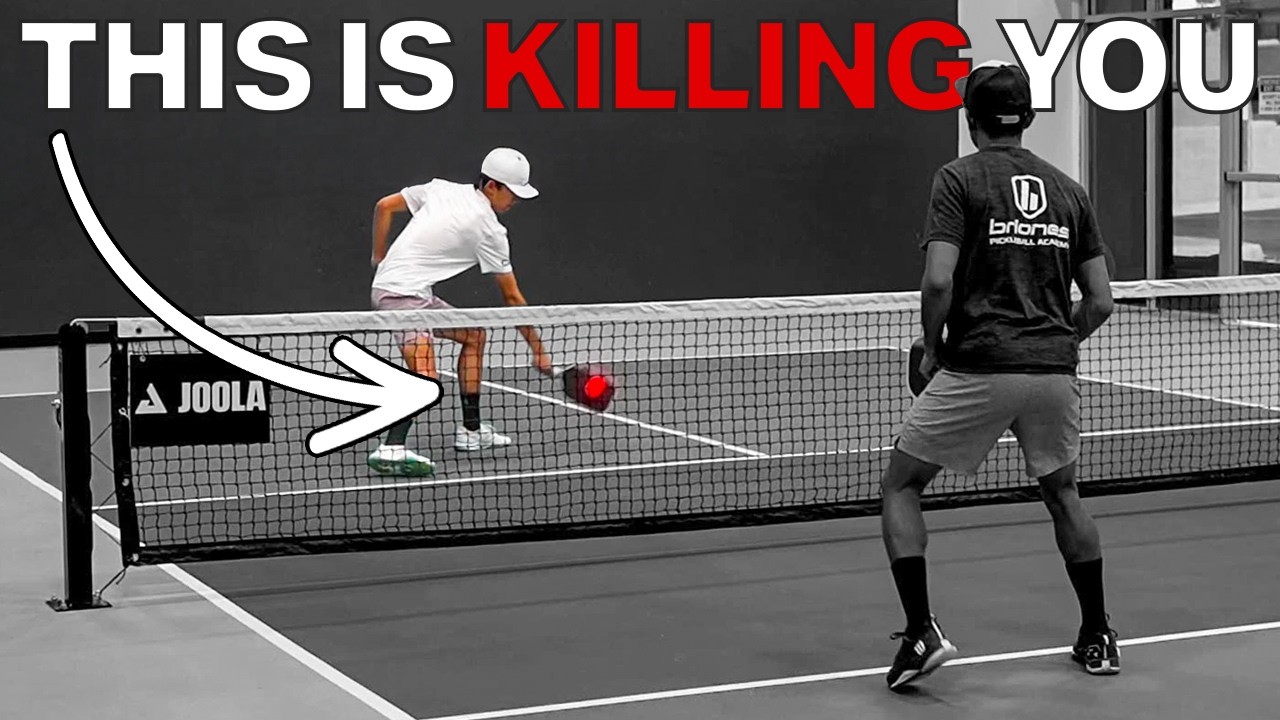
You don't need a big backswing here either. A compact counter with good footwork and hip rotation is way more effective than a wild swing.
Plant your front foot, then swing. That simple sequence keeps you balanced and ready for whatever comes back. And remember: you're pushing the ball through, not trying to rip it.
Heads up: hundreds of thousands of pickleballers read our free newsletter. Subscribe here for cutting edge strategy, insider news, pro analysis, the latest product innovations and more.
Feel It Before You Perfect It
Toward the end of the session, Connor makes a point that applies to all five shots. He'd rather see you hit a slightly imperfect shot slowly and controlled than a technically perfect one at full speed.
Why? Because you need to develop feel for the shot first. Once you understand how the paddle interacts with the ball, you can add pace and power. But if you're just swinging hard and hoping, you'll never build consistency.
Anuncie Aqui / Advertise Here
Sua marca para o mundo Pickleball! / Your brand for the Pickleball world!


 English (US) ·
  Portuguese (BR) ·