
 English
  Spanish
  Portuguese
  German
  Italian
  Japanese
  French
  Polish
  Russian
  Netherlands
  Hungarian
  Turkish
  Videos
  Thedink Pickleball

Your opponent relies on reading small changes in your movement, grip, and paddle position to anticipate your shots. Eliminate those tells and you're in control.
The speed-up shot is one of pickleball's most dangerous weapons, but only if your opponent doesn't see it coming.
Troy Akin, a pickleball instructor and content creator, breaks down five simple steps to disguise this lethal shot and start winning more points at the net.
Love pickleball? Then you'll love our free newsletter. We send the latest news, tips, and highlights for free each week.
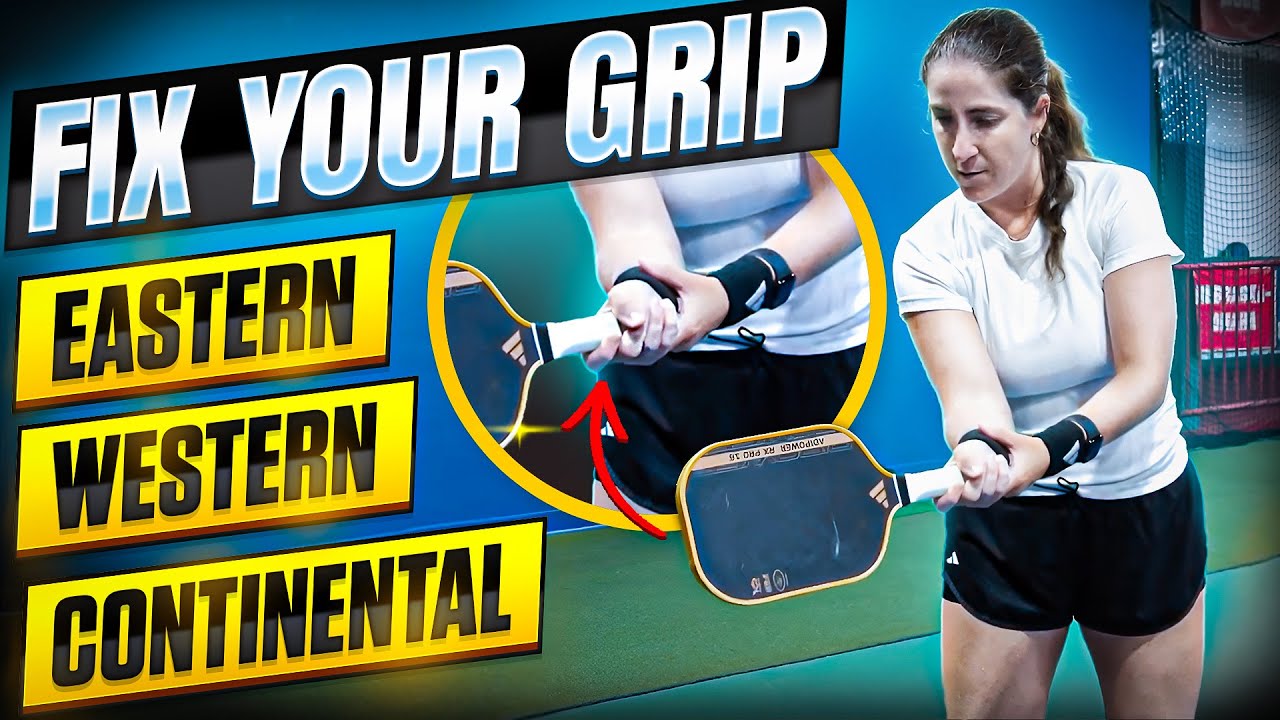
1. Keep Your Grip Consistent
The first giveaway most players make is changing their grip right before hitting a speed-up. Your opponent watches your hands closely during dinking rallies, and any shift in grip pressure or hand position signals what's coming.
The solution is simple: maintain the same grip throughout your dinking motion, whether you're hitting a soft dink or an aggressive speed-up. This consistency removes a major visual cue that telegraphs your intentions.
The Three Pickleball Grips (& When to Use Them): Continental, Eastern & Western
Whether you’re crushing forehands from the baseline or executing delicate volleys at the kitchen line, your grip determines what’s possible.
 The Dink PickleballThe Dink Media Team
Footwork is another dead giveaway. If you adjust your feet differently for a speed-up, your opponent will pick up on it immediately. Keep your footwork identical to your standard dinking pattern.
Stay balanced, maintain your court position, and move the same way you would for any other shot. When your feet stay consistent, your opponent has no warning that an aggressive shot is about to come their way.
3. Use a Compact, Controlled Backswing
Many players load up with a bigger backswing when they're about to hit a speed-up, and that's exactly what gives them away. Keep your backswing compact and controlled, just like you would for a regular dink.
The power should come from your core rotation and timing, not from a big arm swing. A short, controlled backswing is much harder for your opponent to read and leaves them scrambling to react.
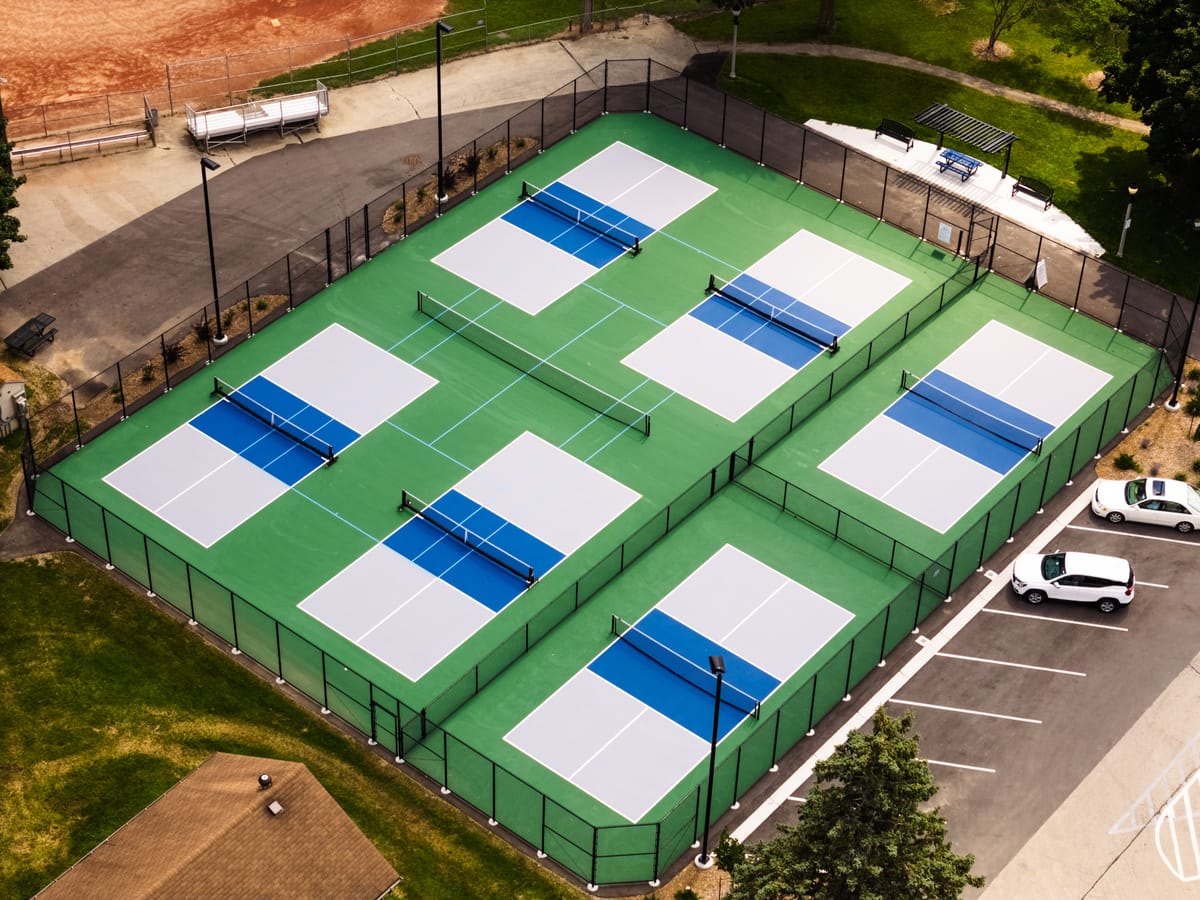
The $25M Construction Co. Building Communities Nationwide, One Pickleball Court at a Time
In a sport obsessed with paddles, pros, and prize money, America Sports Construction is focused on something more foundational: the literal ground beneath the game.
 The Dink PickleballAlex E. Weaver
4. Maintain a Neutral Paddle Position
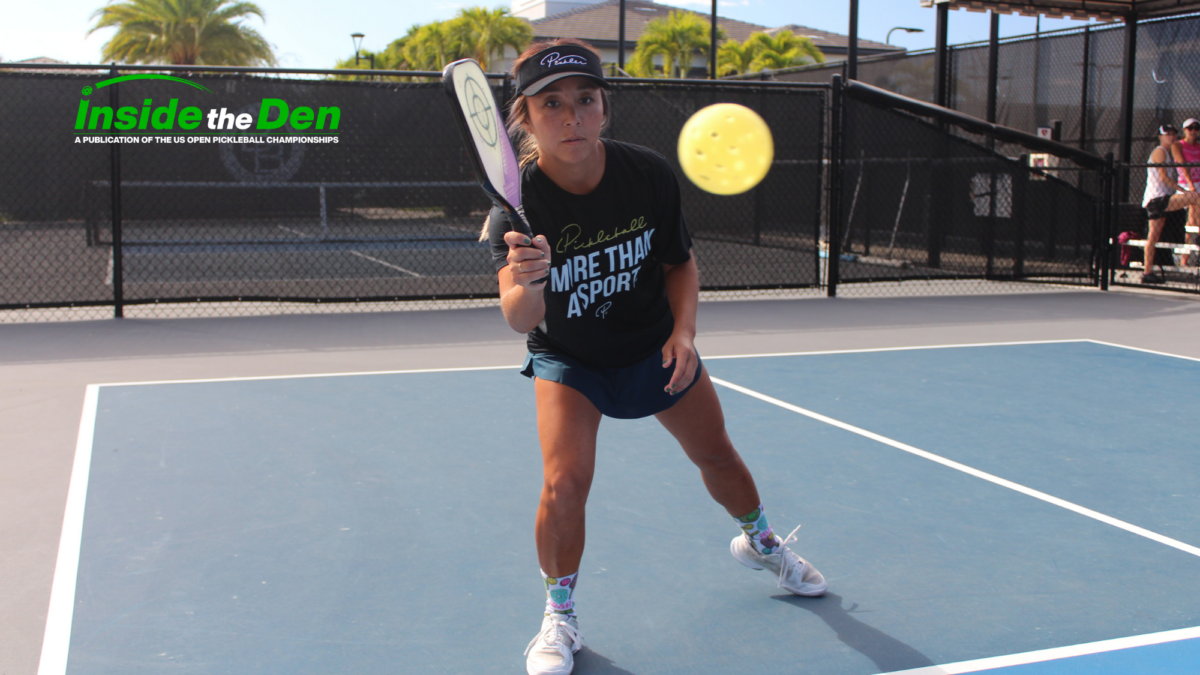
Your paddle position before the shot is critical. Many players raise their paddle higher or angle it differently when they're about to hit an aggressive shot. Keep your paddle in the same ready position throughout your dinking rally.
This visual consistency is crucial for keeping your opponent off balance and unable to anticipate what's coming next.
7 High-IQ Adjustments to Stop Playing Reactive Pickleball
When you combine smart decision-making with solid fundamentals, you’ll see immediate improvements in your win rate.
 The Dink PickleballThe Dink Media Team

5. Execute with Smart Timing and Placement
Finally, timing and placement are what separate a disguised speed-up from one that gets blocked easily. Hit your speed-up when your opponent is slightly out of position or when the ball is at the right height. Use placement to your advantage by aiming for the sidelines or deep into the court.
The element of surprise combined with good placement makes this shot nearly impossible to defend.💡
Need some new pickleball gear? Get 20% off select paddles, shoes, and more with code THEDINK at Midwest Racquet Sports
The Real Edge: Consistency Wins
The common thread running through all five steps is consistency. Your opponent relies on reading small changes in your movement, grip, and paddle position to anticipate your shots. When you eliminate those tells, you force them to react rather than prepare.
The speed-up becomes truly lethal when it arrives as a complete surprise.
Anuncie Aqui / Advertise Here
Sua marca para o mundo Pickleball! / Your brand for the Pickleball world!


 English (US) ·
  Portuguese (BR) ·