
 English
  Spanish
  Portuguese
  German
  Italian
  Japanese
  French
  Polish
  Russian
  Netherlands
  Hungarian
  Turkish
  Videos
  Thedink Pickleball

Learn how to dink in pickleball step-by-step with expert tips for beginners to advanced players. Master 5 dink types (topspin, slice, reset, volley, short hop), advanced NVZ strategy, 30-day drills, and fix common mistakes fast. Updated June 2026 with pro trends.
If you've spent more than five minutes on a pickleball court, you've probably heard the classic advice: work on your kitchen game.
That advice is right. In pickleball, the non-volley zone line, often called the kitchen line, is where control, patience, and touch matter most.
A dink is a soft shot that arcs over the net and lands in your opponent's kitchen, helping you slow the rally and create better opportunities to win the point.
Whether you're learning how to dink in pickleball for the first time or trying to dink better under pressure, this guide breaks the shot down step by step for every level.
You'll also discover the true dink meaning pickleball enthusiasts need to know, the 5 essential types of dinks pros use, and what is dinking in pickleball at its core.
If you want the full picture of where this skill fits in today's game, modern pickleball strategy for 2026 is required reading alongside this guide.
Love pickleball? Then you'll love our free newsletter. We send the latest news, tips, and highlights for free each week.
What Is a Dink in Pickleball?
A dink is a soft, controlled shot hit from near the kitchen line that lands in the opponent's non-volley zone.
The goal is not to force a winner right away, but to take pace off the rally and make your opponents hit upward from a difficult position.
Players use dinks to reset the point, create errors, and set up better attacking chances later in the rally.
If you want to understand how to dink in pickleball correctly, start by thinking of it as a touch shot, not a swing.
Understanding the 2025 USA Pickleball rule changes also helps clarify exactly what is and isn't legal at the kitchen line.
Key Characteristics of a How to Dink in Pickleball Shot
- Soft, Underhanded Execution: Hit with a controlled, gentle touch using a smooth pendulum motion
- The Mandatory Bounce: You must let the ball bounce in your kitchen before executing a standard dink
- Strategic Landing Zone: Lands safely in the opponent's kitchen, ensuring it remains low and unattackable
- Defensive Neutralization: A perfect dink forces your opponent to hit the ball upward, completely eliminating their ability to execute a hard, downward smash
What is dinking in pickleball? At its core, dinking is the advanced tactic of playing soft shots near the net after a bounce.
It serves a dual purpose: offensively, it pulls opponents out of position and forces them forward; defensively, it neutralizes their volley advantages and resets the rally.
💡
Need some new pickleball gear? Get 20% off select paddles, shoes, and more with code THEDINK at
Midwest Racquet SportsDinking Basics: The Foundation of Kitchen Play
The best dinks start with simple fundamentals.
A relaxed continental-style grip is commonly used because it helps players keep the paddle face stable and adjust quickly at the net.
Stay low with bent knees, keep your paddle in front of your body, and avoid standing flat-footed.
Your contact should be compact and controlled, with very little backswing.
If you're trying to improve your pickleball footwork and touch at the same time, focus on ball control before placement.
Understanding the right grip for dinking is half the battle. Your grip pressure directly affects how much control you have over the ball at the kitchen line.
Getting a handle on the three pickleball grips and when each applies will help you find the right feel faster.
The kitchen line is where points are decided. Build your foundation here first, and everything else becomes easier.How to Dink in Pickleball: A Step-by-Step Guide
Learn how to dink in pickleball step by step, from proper grip and footwork to advanced strategy and drills that help every level improve at the kitchen line.
 The Dink PickleballThe Dink Media Team
How to Dink in Pickleball: Step-by-Step
Step 1: Get Into a Ready Position
Start with your knees bent, feet slightly wider than shoulder-width apart, and your weight balanced on the balls of your feet. Keep your paddle up in front of your body so you can react quickly to short balls and fast exchanges.
A good ready position makes the rest of the shot easier. If your paddle starts low or your stance is upright, you'll struggle to control the ball cleanly. This applies whether you're dinking from the forehand or backhand side.
Step 2: Use Soft Hands
Your grip should stay relaxed, not tight. A looser grip helps absorb the ball and prevents pop-ups, which is one of the most common mistakes players make when learning how to hit a dink shot.
Think "guide the ball" instead of "hit the ball." The softer your hands are, the easier it is to keep the ball low over the net. Players working toward the 5.0 skill level will tell you that soft hands are the single biggest separator between good and elite kitchen play.
Step 3: Keep the Swing Short
A dink does not need a big stroke. Use a short, compact motion with minimal backswing and a calm follow-through. The paddle should move smoothly rather than sharply.
If you're trying to figure out how to dink better, one of the simplest fixes is to reduce motion. Big swings create big errors. That's true at every level of the game.
Step 4: Move Your Feet First
Good footwork matters more than arm strength. If the ball is wide or short, take small adjustment steps to get behind it before contact.
Do not lunge unless you absolutely have to. Players who move their feet well are much more likely to hit stable dinks and avoid floating the ball up. The 2 essential pickleball techniques you're missing at the kitchen line covers this in detail and is worth a read alongside this guide.
Step 5: Aim for a Low Arc
Your dink should clear the net with just enough height to land safely in the kitchen. A lower, controlled arc makes it harder for your opponent to attack.
Cross-court dinks are often the safest option because they give you a longer diagonal target and slightly more margin for error. This is the starting point every beginner should commit to before exploring straight-on or body dinks. Pairing this approach with the 6 essential pickleball shots to master for 2026 gives you the full toolkit you need.
How to Dink Consistently in Pickleball: Technique Fixes
Learning how to dink consistently in pickleball is the single fastest way to stop losing rallies you should be winning. This guide breaks down the exact technique fixes for forehand and backhand that most players overlook.
 The Dink PickleballThe Dink Media Team
The 5 Essential Types of How to Dink in Pickleball
Professional pickleball players do not just hit the same soft shot repeatedly.
They manipulate the ball using five distinct variations depending on their positioning, the ball's trajectory, and their strategic intent.
1. The Topspin Dink (Offensive)
When to Use: Use this when you are well-positioned and catch the ball at its apex, the highest point of its bounce.
Key Technique: Brush up on the back of the ball using a low-to-high motion. The resulting topspin causes the ball to dip quickly over the net and accelerate immediately after it bounces, catching opponents off guard.
2026 Pro Stat: According to 2025-2026 PPA tournament data, topspin dinks accounted for 42% of offensive dink shots at the professional level.
2. The Slice Dink (Tricky/Offensive)
When to Use: Ideal when the ball is slightly outside your ideal contact zone and you want to apply pressure.
Key Technique: Employ a high-to-low-to-high cupping motion. This creates backspin, causing the ball to skid low across the court upon bouncing, which forces the opponent to get incredibly low to return it. This is precisely why professional pickleball players reconsidered the slice shot in 2025 and how they evolved their use of it at the highest level.
3. The Lift / Reset Dink (Defensive)
When to Use: This is your go-to shot when you are out of position, scrambling, or pulled wide by an aggressive opponent.
Key Technique: Focus entirely on control. Use an open paddle face to gently absorb the incoming pace, ensuring the ball bounces deep in the opponent's kitchen to force an upward return.
4. The Pressurized Volley Dink (Offensive)
When to Use: Executed when the ball is traveling high enough at or above net level, allowing you to strike it before it bounces.
Key Technique: Take the ball cleanly out of the air. Generate the subtle movement entirely from your shoulder rather than your wrist to maintain strict placement control.
2026 Trend: Taking dinks out of the air increased 35% in 2025-2026, reducing opponent reaction time by 0.3-0.5 seconds.
5. The Short Hop Dink (Emergency)
When to Use: Use this emergency shot when a ball lands directly at your feet and catches you by surprise.
Key Technique: Drop low, open your paddle face, and let the paddle absorb the ball's pace right as it rises off the ground, effectively "bumping" it safely back over the net.
The Spin Formula to Remember
Court Situation | Recommended Technique | Strategic Benefit |
When Stretched Wide | Slice | Best for defensive lift dinks; buys time to recover |
When Jammed Close to Body | Flat | Safest technique; minimizes errors when cramped |
When You Have Time & Position | Topspin | Perfect for aggressive push dinks; forces errors |
Pickleball Dinking 101: Small Swings, Big Results
You’re not trying to hit winners from the kitchen. You’re trying to create situations where your opponent makes a mistake or gives you a ball you can attack
 The Dink PickleballThe Dink Media Team
How to Dink Better by Level
How to Dink in Pickleball as a Beginner
If you're new, focus on consistency first. Your job is to keep the ball in play and learn control before trying to force angles or speed.
Start with cross-court dinks because they are generally easier to manage.
Use a relaxed grip, keep your body balanced, and aim for a simple, soft ball that lands in the kitchen.
If you are learning how to dink in pickleball, this is the foundation you need.
Avoid the common trap rec players fall into of trying to attack too early in a rally before you've earned the right ball.
Beginner Target: Sustain 10-20 consecutive dinks without missing.
Pickleball Dinking Technique: The Complete Beginner’s Guide
This guide breaks down everything you need to know about proper dinking form, grip, stance, and drills to dominate at the kitchen line.
 The Dink PickleballThe Dink Media Team
Intermediate: Adding Placement to Your Dink Game
Once you can sustain a rally, start adding placement. Aim at your opponent's backhand, feet, or middle space between partners in doubles.
Those targets create hesitation and weak replies.
This is also the stage where you should learn how to hit a dink shot with variation.
A softer, lower ball is useful, but changing direction and height can help you control the pace of the exchange.
Mixing in the occasional drop shot technique from mid-court will also keep opponents from camping the kitchen line.
Intermediate Target: Hit 8/10 shots to specific targets (backhand toe, forehand toe, center).
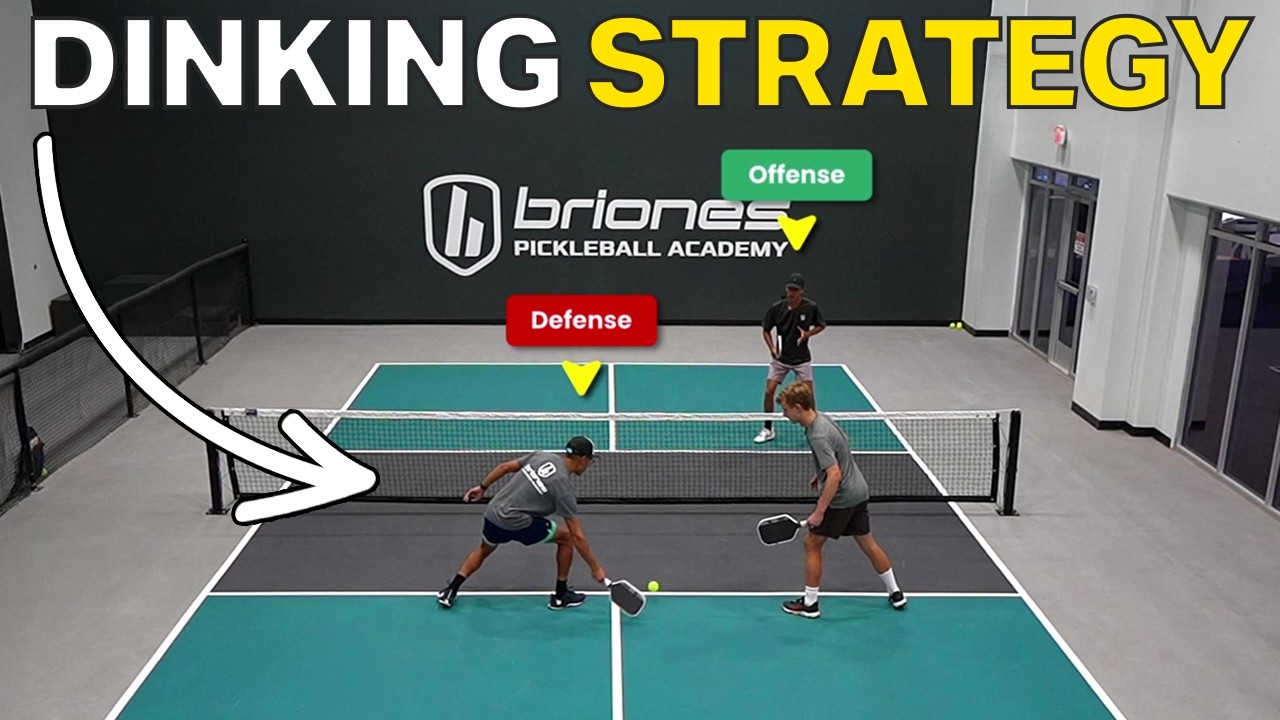
Master Dink Placement: The Secret to Controlling the Kitchen Line
When you’re at the kitchen line, your goal is simple: make your opponents uncomfortable
 The Dink PickleballThe Dink Media Team
How to Dink Better at the Advanced Level
At higher levels, dinking becomes strategic. Advanced players use dinks to create pressure, disguise attacks, and force opponents into uncomfortable contact points.
According to USA Pickleball, elite pickleball is increasingly defined by soft-game dominance at the kitchen line.A strong advanced player can mix in speed changes, eraser-soft dinks, and occasional volley dinks to keep opponents guessing.
This is where how to dink better becomes less about mechanics and more about pattern recognition and timing.
Understanding the four key strategies to winning in 2026 will sharpen the chess match that happens during long kitchen exchanges.
Advanced Target: 30-50 shot dink rallies with 3+ spin changes.
Beginner vs. Advanced Dinking Comparison
Skill Level | Trajectory | Spin Usage | Rally Length | Strategy |
Beginner (1.0-2.5) | High (4-5 ft) | None | 2-4 shots | Hit to center, no variation |
Intermediate (3.0-3.5) | Medium (3 ft) | Occasional | 5-10 shots | Target backhand mostly |
Advanced (4.0-4.5+) | Low (<2 ft) | Constant topspin/slice | 15-30+ shots | 81 combos, move opponents |
Pro (5.0+) | Ultra-low (1 ft) | Mixed spin + side spin | 30-50+ shots | Twoey roll, aggressive volley dinks |
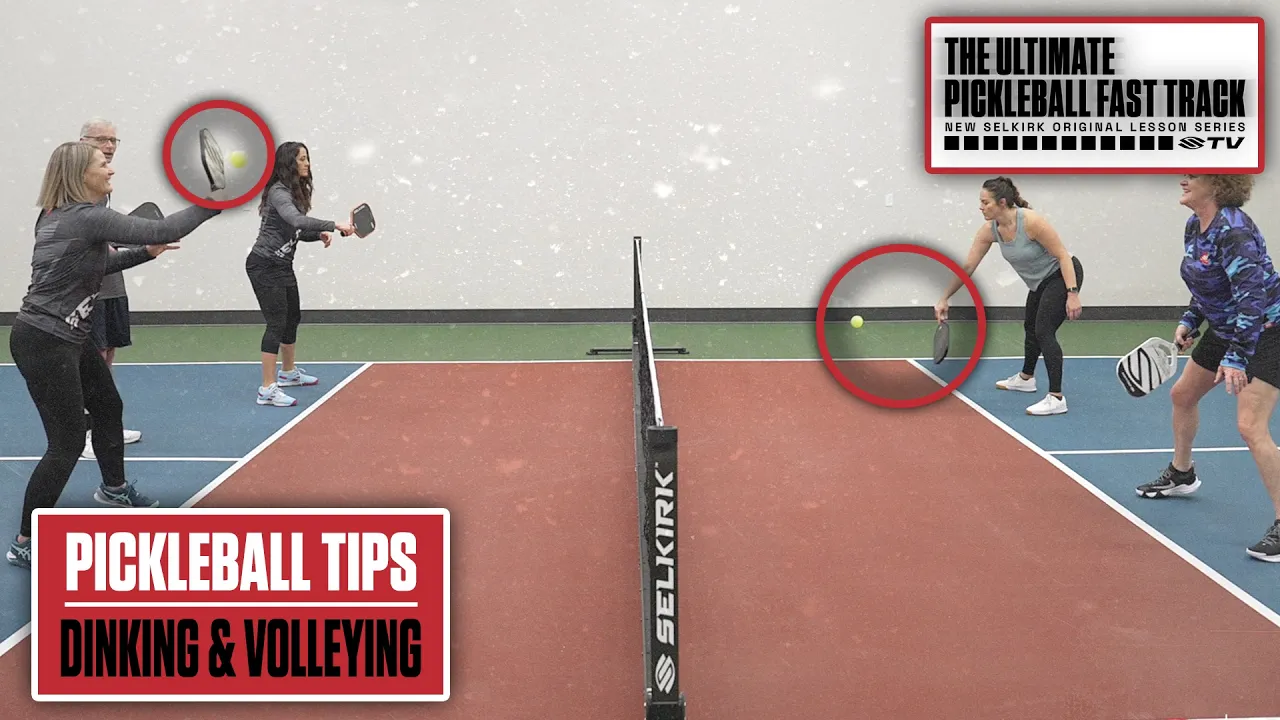
Advanced Pickleball Dinking: Pro Techniques for Kitchen Control
Pickleball dinking isn’t about power—it’s about precision and control. Master the fundamentals that separate beginners from competitive players.
 The Dink PickleballThe Dink Media Team
2026 Pro Dinking Trends: What Top Players Are Doing Now
The professional landscape has evolved in 2026. Here's what you're seeing at PPA and APP events.
Trend 1: The "Twoey" Backhand Roll Dink
- World #9 James Ignatowich and Catherine Parenteau popularized this around-the-ball motion
- Imparts side spin + topspin combination
- Creates unpredictable bounce that even pros struggle to read
- Watch: Mastering the Aggressive Dink with Catherine Parenteau
Trend 2: Aggressive Crosscourt Slice Dominance
- 67% of pro dink rallies now feature slice pulled wide crosscourt (2026 PPA stats)
- Forces opponent to hit from their backhand toe while moving laterally
- Follow it with topspin down the center between both players
Trend 3: Volley Dink Before Bounce
- Taking dinks out of the air increased 35% in 2025-2026
- Reduces opponent reaction time by 0.3-0.5 seconds
- Requires perfect shoulder-driven technique (no wrist!)
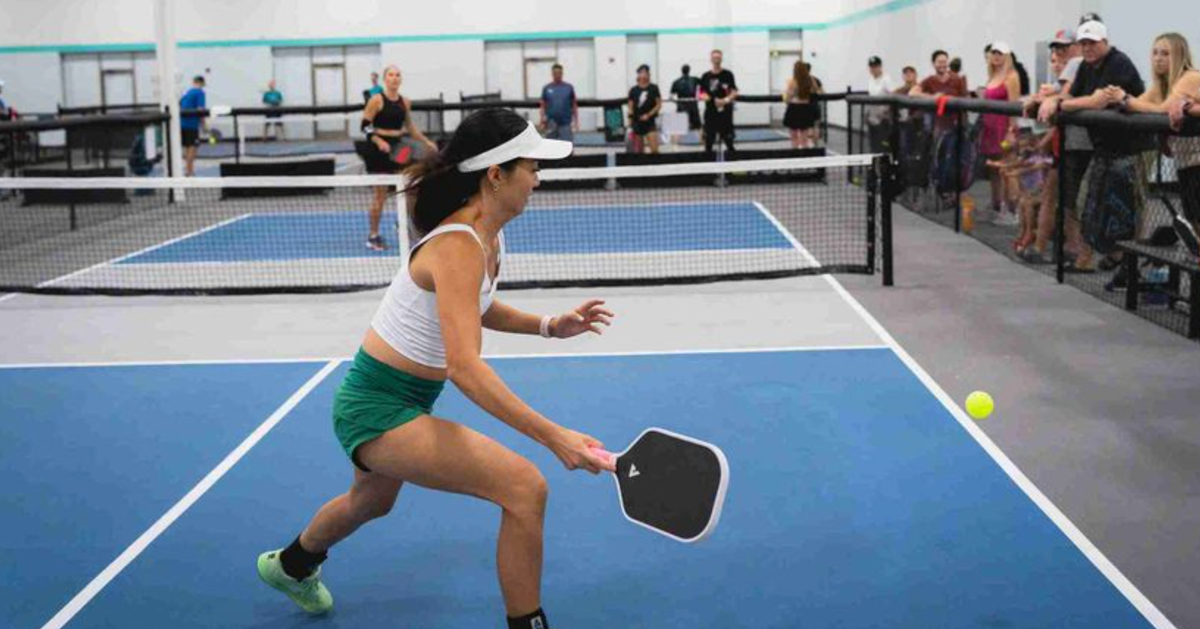
How to Win Dinking Rallies in Pickleball
Knowing how to win dinking rallies in pickleball separates reactive players from players who actually control the point. This guide breaks down the placement targets, patience principles, and attack triggers that make dinking a genuine weapon.
 The Dink PickleballThe Dink Media Team
Common Dinking Mistakes
Pro Tip: When stretched wide, always use slice dinks.
The backspin creates a lower bounce that forces opponents to scoop upward, giving you time to recover position.
5 Common Dinking Mistakes (And How to Fix Them)
Mistake 1: Flicking the Wrist
- Bad: Wrist movement creates inconsistent paddle angle
- Fix: Lock wrist, hinge entirely from shoulder
Mistake 2: Hitting Before the Bounce (When Not Volleying)
- Bad: Volleying from kitchen = loss
- Fix: Wait for bounce unless you're outside NVZ
Mistake 3: Too High Trajectory
- Bad: Ball arcs above shoulder height = attackable
- Fix: Keep trajectory under 3 feet; ball should dip quickly
Mistake 4: Standing Flat-Footed
- Bad: Can't adjust to ball placement
- Fix: Use lateral shuffle-steps; stay on toes
Mistake 5: Predictable Pattern
- Bad: Always dinking to backhand = opponent anticipates
- Fix: Mix 81 combinations; attack forehand when they expect backhand
One of the biggest mistakes is using too much arm. A big swing usually sends the ball too high or too deep.
Another common issue is standing too upright, which makes it harder to control the paddle face.
Players also tend to reach instead of moving their feet. That causes off-balance contact and weak control.
If you want to improve how to hit a dink in pickleball, clean up your footwork before you worry about fancy placement.
The physical side of net play also extends to grip and mechanics, which is why pickleball mechanics for seniors covers these exact issues for players at every athletic stage.
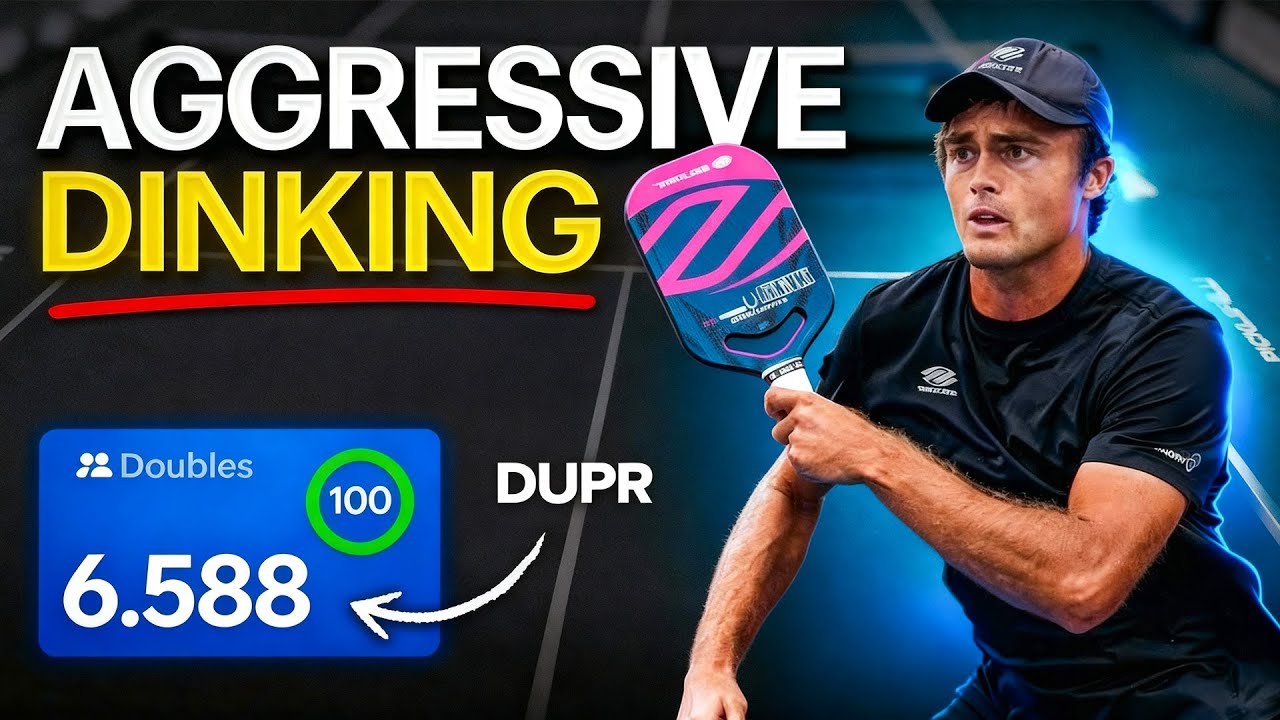
Avoid These 3 Deadly Mistakes to Master Aggressive Dinking
The aggressive dink isn’t about overpowering your opponent. It’s about creating pressure through placement, using deception to keep them guessing, and understanding when to attack versus when to reset
 The Dink PickleballAlex E. Weaver
Drills to Practice How to Dink in Pickleball
Cross-Court Dink Rally Drill
Stand cross-court with a partner and dink only cross-court for 20 to 50 balls. Focus on keeping the ball low, soft, and controlled. This drill is one of the easiest ways to build touch and rhythm, and it directly mimics real match situations.
Pair it with simple wall drills if you don't always have a partner available. Solo repetitions build the same muscle memory. The 12 drills you need to play your best pickleball in 2026 includes a full progression you can run alongside this drill.
Target Zone Drill
Place targets in the kitchen and try to hit the same zone repeatedly. Start with the middle of the court, then move to the backhand side, feet, and sideline area. This helps you learn how to dink better with purpose instead of just returning the ball.
Intentional practice like this separates players who improve fast from those who plateau. The repetition here directly mirrors what the pros use to sharpen placement before tour events.
Reset and Recover Drill
Have a partner feed you slightly tougher balls so you can practice soft resets from the kitchen line. Your goal is to absorb pace and send the ball back low. This helps players who are learning how to hit a dink shot under pressure maintain control when the pace picks up.
Resets are where dinking and defense overlap. Get comfortable here and your entire kitchen game becomes harder to crack.
5 Pickleball Drills That Will Transform Your Game in 2026
Five simple yet powerful pickleball drills can completely reshape how you play. These mechanics focus on consistency, footwork, and positioning to help you see immediate results on the court.
 The Dink PickleballThe Dink Media Team
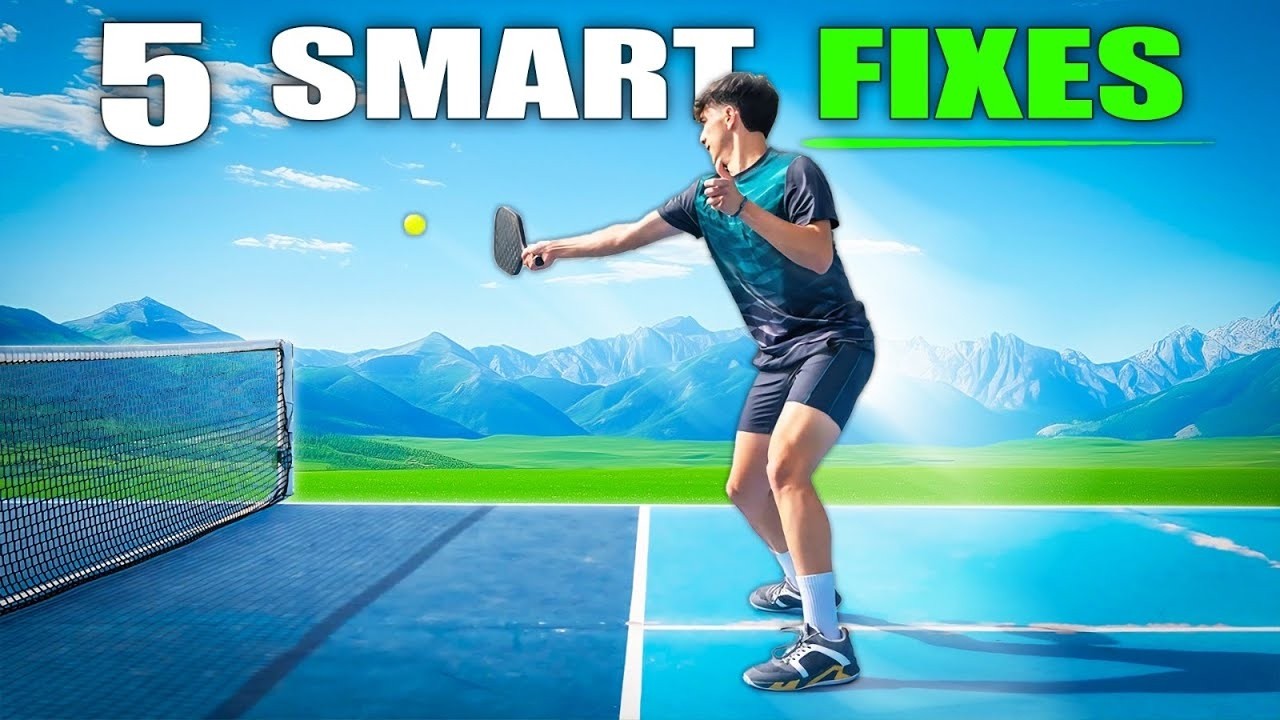
30-Day Advanced Dinking Drill Program
Week 1-2: Consistency Foundation
- Drill: "Protect the Castle" (10 mins/day)
- Partner dinks; your goal: 20 consecutive returns without error
- Target: 40+ consecutive by Week 2
Week 3-4: Placement Precision
- Drill: "Toe Target" (15 mins/day)
- Place targets at opponent's backhand toe, forehand toe, center
- Hit 10 shots per target; aim for 8/10 accuracy
Week 5-6: Spin Mastery
- Drill: "Spin Switch" (20 mins/day)
- Alternate topspin → slice → topspin → slice in same rally
- Goal: 15-shot rally with 3 spin changes
Week 7-8: Competitive Application
- Drill: "Dink-Only Matches" (30 mins/day)
- Play games where ONLY dinks allowed (no volleys, no powers)
- Forces pure technique under pressure
This drill block, paired with the simple 4-step system to win more pickleball games in 2026, gives your practice sessions a clear purpose and a measurable finish line.
The 12 Pickleball Drills You Need for Your Best Game in 2026
You can’t just show up and hit balls – you need a plan, and that plan should build progressively from simple to complex
 The Dink PickleballThe Dink Media Team
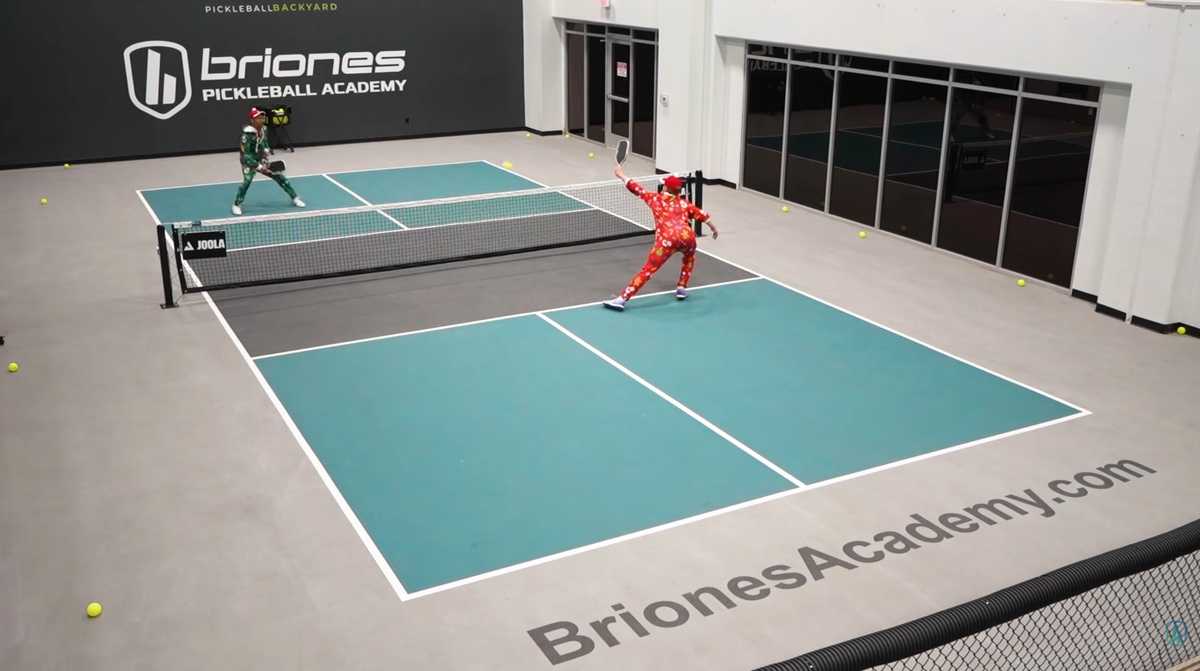
When to Use a Dink
Use a dink when you want to slow the point down, neutralize your opponent's attack, or create a better ball for later in the rally.
Dinks are especially useful during long kitchen exchanges, also called dink rallies pickleball, and when you and your opponent are both near the non-volley zone line.
A dink is not always meant to win the point immediately. Sometimes the smartest shot is the one that buys you time and puts pressure on your opponent to make the first mistake.
According to ESPN, the soft game has become the defining separator between mid-level and elite pickleball players.Knowing how to attack from the kitchen line is equally important, because you need to recognize when to stop dinking and go on offense.
Core Strategic Principles for Kitchen Dominance
Principle | Explanation |
Be Patient | A perfectly placed setup dink is just as valuable as a flashy winner. Avoid taking high-risk shots out of impatience |
Make the Ball Unattackable | Keep your trajectory low. If your opponent tries to attack a well-placed, low dink with power, they'll drive it into the net or out |
Force Movement | Aim directly at your opponent's feet. Forcing them to scramble disrupts balance and compromises their next return |
Take the Ball Out of the Air | Volley incoming dinks before they bounce. Cuts down opponent's reaction time by 0.3-0.5 seconds |
Crosscourt > Straight | Crosscourt dink pickleball is safer: lowest part of net + wider margin for error |
Slice Wide, Topspin Center | Slice dink wide crosscourt, then follow with heavy topspin down center between both players |
Pickleball Dink Rallies: When to Change Direction for Tactical Advantage
If you’re stuck in a crosscourt dink exchange and things aren’t going your way, it might be time to redirect that ball to the middle of the court and reset the rally in your favor.
 The Dink PickleballThe Dink Media Team
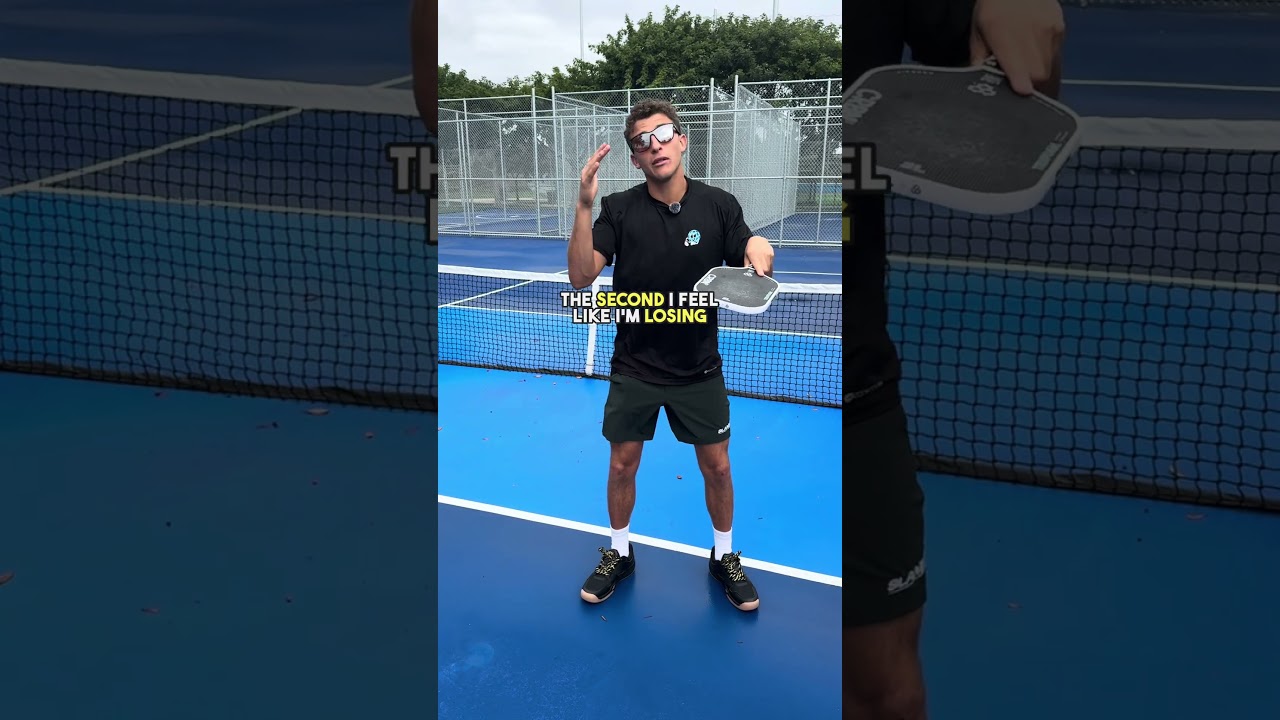
Key Takeaways
- Keep your grip relaxed so you can control the ball better
- Use your feet to get into position instead of reaching
- Cross-court dinks are usually the safest starting target for beginners
- Good dinking is about touch, balance, and patience, not power
- Drills help you learn how to hit a dink shot consistently in real match conditions
- Pair your dink practice with essential shots to master for 2026 for a more complete kitchen-game skill set
- A simple system like the 4-step approach to winning more games puts your dinking skills in a bigger strategic context
💡
Heads up: hundreds of thousands of pickleballers read our free newsletter.
Subscribe herefor cutting edge strategy, insider news, pro analysis, the latest product innovations and more.
Frequently Asked Questions
What Is the Easiest Way to Learn How to Dink in Pickleball?
Start with a relaxed grip, a short paddle motion, and cross-court targets. Keep the ball soft and low before trying anything fancy. Consistent cross-court dinking in practice builds the touch and rhythm that make every other dink variation easier.
What Is a Dink in Pickleball?
A dink is a soft shot hit after a bounce from the kitchen that arcs smoothly over the net and lands directly within the opponent's kitchen, making it completely unattackable. It is the most important shot for controlling pace at the kitchen line.
What Does "Dink" Mean in Pickleball?
The term "dink" means a soft, controlled non-volley zone shot designed to land deep in the opponent's kitchen, effectively forcing them to hit the ball upward and preventing an aggressive attack.
What Is a Dink Shot?
A dink shot is a delicate, precise shot taken near the net after a ball bounces. It can be hit straight across the net or angled crosscourt, landing safely inside the opponent's non-volley zone.
How Do You Dink Better Fast?
Focus on footwork, paddle control, and repetition. The quickest improvement usually comes from reducing swing size and improving contact balance. Drill the cross-court rally until soft hands feel automatic, then add placement.
What Is the Difference Between a Dink and a Drop Shot in Pickleball?
A dink is typically played near the kitchen line, while a drop shot is hit from a deeper court position and lands softly in the non-volley zone. Both are soft shots, but they serve different purposes and are used from different parts of the court. The drop is designed to get you to the kitchen; the dink is what you do once you're there.
How Do You Hit a Dink Shot Without Popping It Up?
Use soft hands, keep your paddle face controlled, and avoid swinging too hard. The ball should be guided over the net, not struck with pace. A pop-up almost always traces back to grip tension or a swing that's too big, not a lack of power.
How Do You Dink in Pickleball Correctly?
Dink correctly by: (1) letting the ball bounce in your kitchen, (2) using a 45° open paddle face, (3) swinging from the shoulder with a stiff wrist, (4) keeping trajectory under 3 feet, and (5) landing the ball deep in the opponent's kitchen.
What Is the Difference Between a Dink and a Volley in Pickleball?
A dink is hit after a bounce from the NVZ and lands in the opponent's NVZ. A volley is hit before the bounce and is forbidden from the kitchen. Dinks are soft; volleys can be powerful.
Can You Dink from Outside the Kitchen in Pickleball?
Yes, you can dink from outside the NVZ, but advanced players typically dink from within the kitchen for better control. The key is the ball must bounce in your kitchen before you hit a standard dink.
When Should You Stop Dinking and Attack?
Attack when you get a ball that sits up above net height and you have time and position to drive it with control. Dinking forces your opponent to hit upward, and that's the ball you're waiting for. Patience in a dink rally pickleball is the setup; the speed-up is the payoff.
Why Is Dinking Effective?
Dinking is incredibly effective because it controls the overall pace of the game, forces opponents to move out of their comfortable positioning, and completely eliminates their ability to hit hard, aggressive overhead volleys.
Anuncie Aqui / Advertise Here
Sua marca para o mundo Pickleball! / Your brand for the Pickleball world!




 English (US) ·
  Portuguese (BR) ·