
 English
  Spanish
  Portuguese
  German
  Italian
  Japanese
  French
  Polish
  Russian
  Netherlands
  Hungarian
  Turkish
  Videos
  Thedink Pickleball

Getting hit with a hard hit ball at your body in pickleball isn't bad luck, it's a strategy your opponents picked on purpose. Here's how to handle a hard hit ball at your body before it costs you the point, plus the drills that make bangers stop targeting you altogether.
You know the feeling. A banger on the other side of the net sees you creeping forward, squares up, and rips one straight at your sternum.
That's the whole scouting report on how to handle a hard hit ball at your body in pickleball: most players don't handle it at all.
They flinch, they turtle up, and the point's over before their paddle's even up, the same way they'd lose to a well-placed power shot they never learned to read.
Here's the thing. Getting hit isn't the problem. Getting hit unprepared is.
The best players in the sport treat a body shot the same way they treat a well-timed swing volley: as a shot with a counter, not a surprise.
Once you learn to read it, the ball that's supposed to end the rally becomes the ball that flips it.
Love pickleball? Then you'll love our free newsletter. We send the latest news, tips, and highlights for free each week.
What Actually Happens When a Ball Rockets at Your Body?
A body shot is exactly what it sounds like: a hard-hit ball aimed at your chest, hip, or shoulder instead of open court.
Players call it a "body bag" when it works, a favorite weapon of the banger strategy that leans on pace over placement, and the term shows up in search bars right alongside actual pickleball rules questions.
Here's the part beginners always get wrong.
A ball that hits you is dead on contact, no matter where it hits or whether it would have landed in or out.
USA Pickleball removed the old "above the shoulders" exception years ago, and the 2026 official rulebook still counts any live ball touching a player, their clothing, or their paddle hand as an automatic loss of rally.
That rule is exactly why bangers target your body. They're exploiting a guaranteed point.
How to Handle a Hard Hit Ball at Your Body: Read It Before It's Hit
The direct answer is footwork, not bravery.
You handle a hard hit ball at your body by turning your shoulder into the shot, closing off a bad body position before contact instead of after, the same low, athletic base that shows up in every good pickleball stance.
Watch the swing, not the ball. Bangers telegraph almost everything.
A big backswing and an open paddle face at the kitchen line means the ball is coming fast and it's coming at you, the same tell a hard drive gives away.
The split second you see that windup, pivot your lead shoulder toward the net and shorten your grip. You're not trying to hit a winner.
You're trying to survive the exchange.
How to Handle a Hard Hit Ball at Your Body With Better Paddle Position
This is the definition-style piece a lot of players skip.
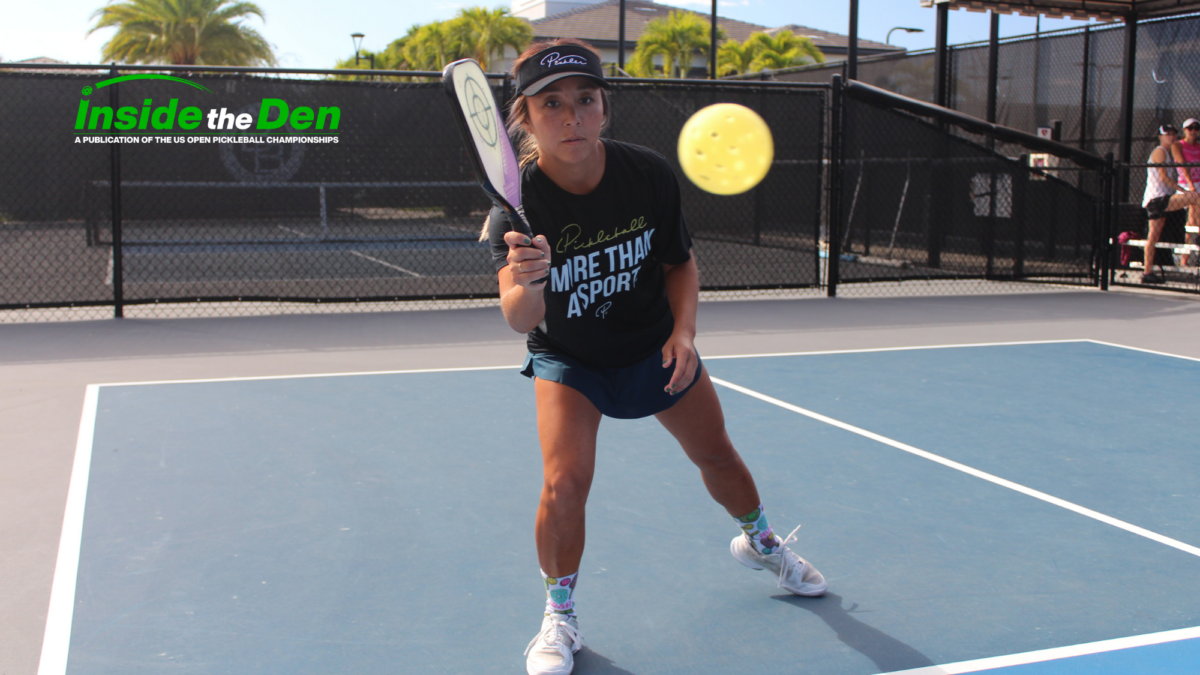
A "ready position" in pickleball means your paddle sits up around chest height, tip up, elbows soft, in the neutral zone between forehand and backhand volley.
From that position, blocking a hard hit ball at your body is a five-inch adjustment, not a full swing.
Players who drop their paddle to their hip between shots are the ones who get body bagged over and over, exactly what returning a smash cleanly avoids.
💡
Need some new pickleball gear? Get 20% off select paddles, shoes, and more with code THEDINK at
Midwest Racquet SportsWhy Does the Body Shot Even Work as a Strategy?
Because it removes your options. A ball aimed at open court gives you a forehand or a backhand and time to choose.
A ball aimed at your body takes both away, the same logic behind when to target an opponent's weak spot instead of just hitting hard.
That's the whole point of a banger strategy, and it's most effective in doubles when neither partner wants to cross into the other's lane, exactly the gap that smart T and sideline placement closes.
The mental side matters just as much as the physical one.
Players who've been body bagged once tend to start backing up, which hands the kitchen line to the other team for free.
Don't do that. Hold your ground and treat the next fast ball as information, not a threat.
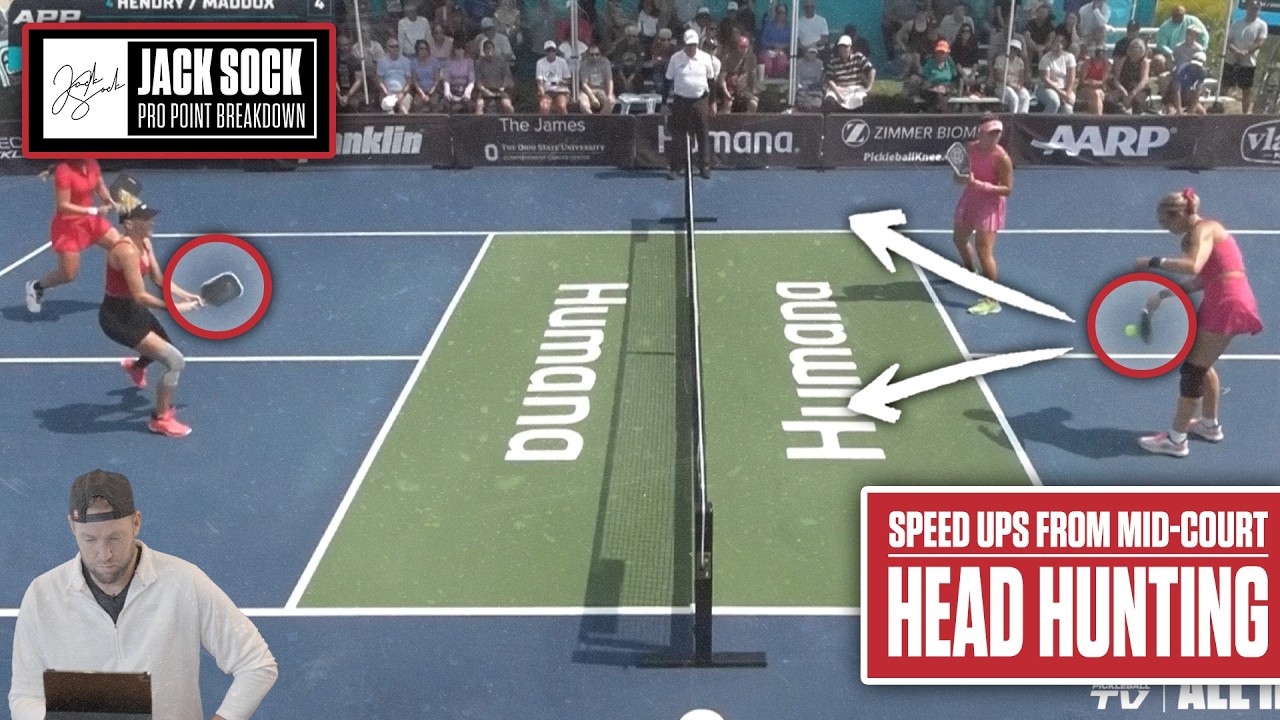
How to Defend Against a Body Bag in Pickleball
The key is to let the ball do some of the work for you. Rather than generating your own power, you’re redirecting the incoming pace back toward your opponent.
 The Dink PickleballThe Dink Media Team
Handling It in the Transition Zone Changes Everything
The transition zone, also called no-man's land, is where the body shot does the most damage, and it's also where you're most likely to face one.
You're moving forward, your paddle is low from your last groundstroke, and a fast ball at your hip catches you mid-stride.
The fix is to stop moving the instant you see the banger load up.
Plant your feet, get your paddle back to chest height, and let the ball come to you instead of closing distance into it, the same footwork principle behind good court coverage in doubles.
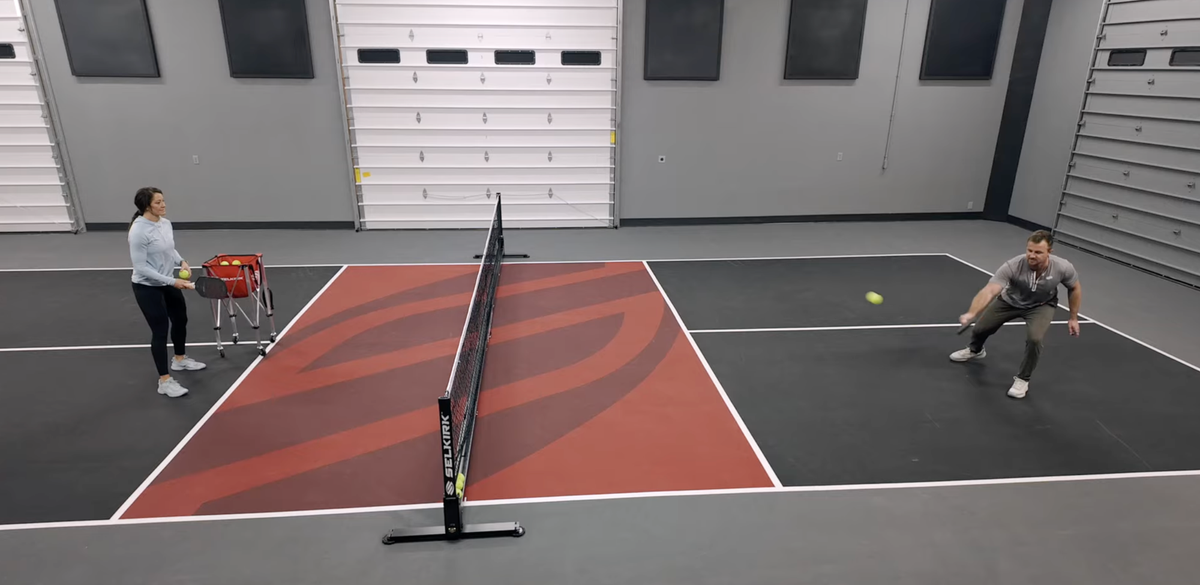
Master the Pickleball Transition Zone: Attack or Reset
The best players in the world aren’t just comfortable in the transition zone – they actively use it to their advantage
 The Dink PickleballThe Dink Media Team
Turning Defense Into Offense: The Reset Counter
A clean block only survives the rally. A reset wins it back.
When a hard-hit ball catches your paddle face, soften your grip on contact and let the paddle absorb pace, so the ball drops short into the kitchen instead of popping up for an easy put-away.
That's the same soft-hands skill behind it's better to reset, and it works off a body shot as well as a drive.
Sports science backs up why this feels so hard in real time.
Fast net exchanges often demand a response inside 400 milliseconds, near the physiological limit for a visually-triggered reaction, according to a 2025 study on reaction time in fast-paced racket sports in the Journal of Sports Sciences.
That's not an excuse. It's why drilling this specific read matters, the same logic behind the attack or reset decision matrix top players run on every fast exchange.
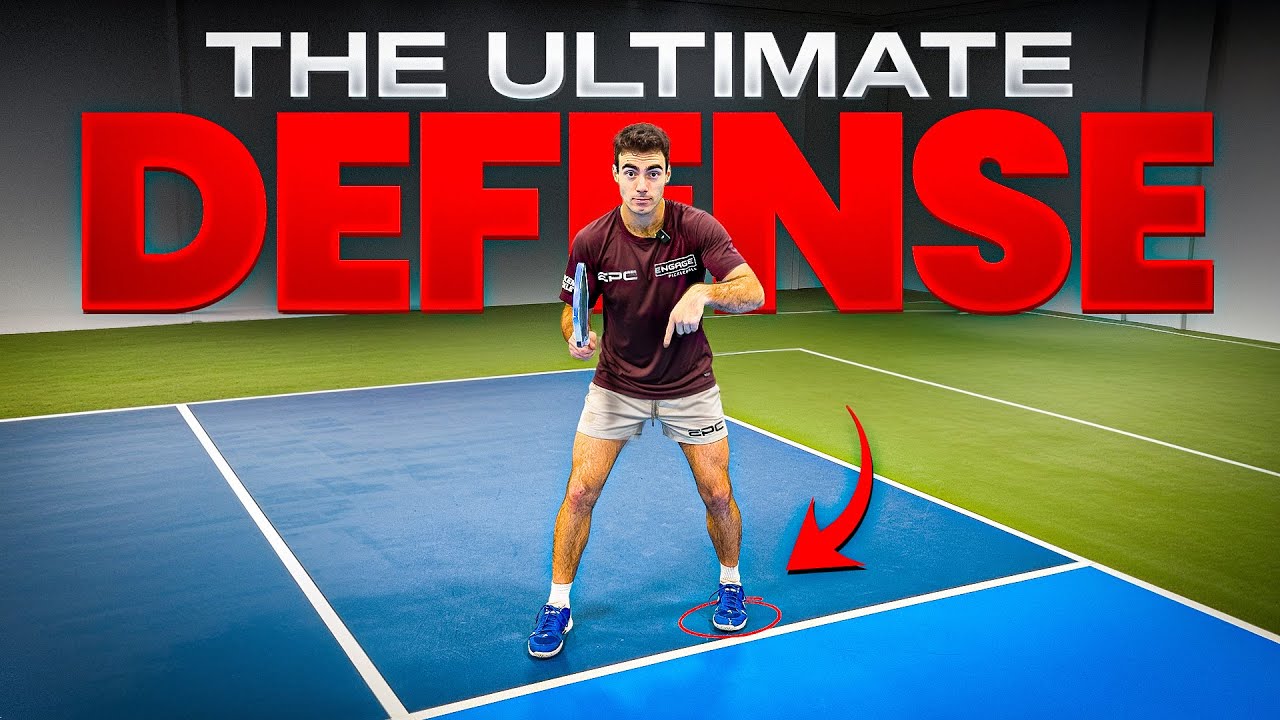
The Pivot Trick: How to Quickly Turn Defense Into Offense in Pickleball
A well-timed pivot lets you turn into the shot, maintain your balance, and hit an aggressive return instead of a defensive block.
 The Dink PickleballThe Dink Media Team
Drills to Handle a Hard Hit Ball at Your Body Every Time
You don't fix this by thinking about it during a match.
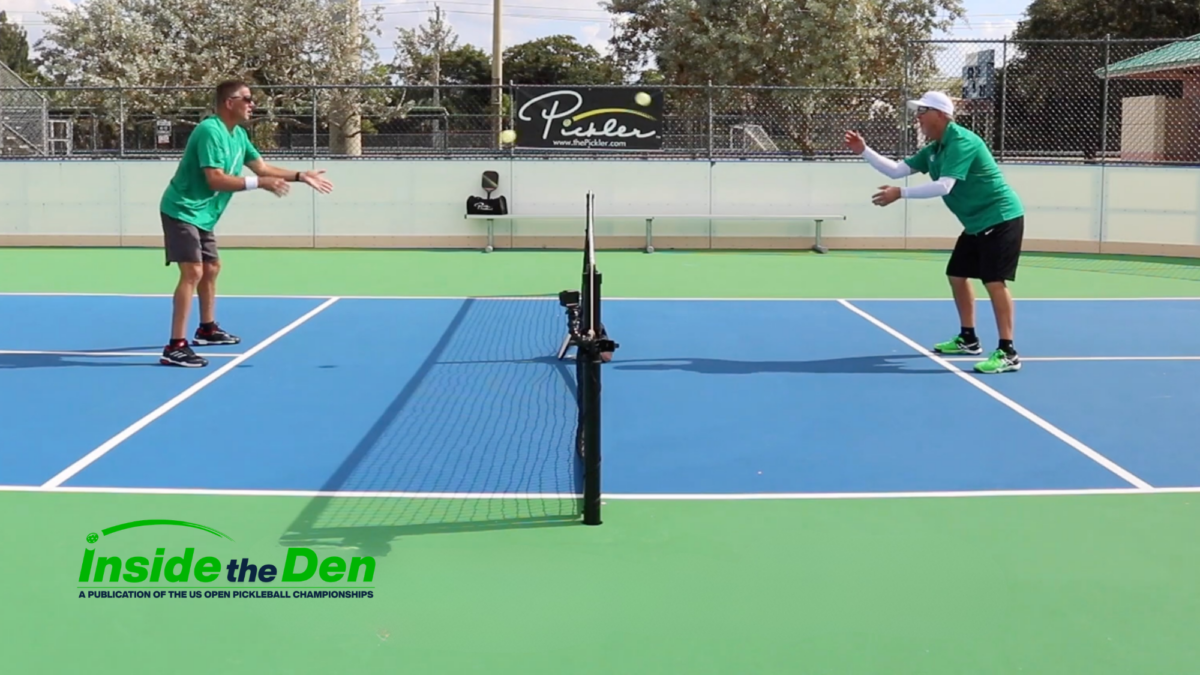
You fix it in practice, with a partner feeding balls on purpose, the same way serving near the kitchen only gets consistent through reps.
- The chest-height feed drill. Partner feeds ten balls directly at your sternum from the kitchen line. Your only job is a clean block back to their feet, no offense allowed.
- The lateral pivot drill. Same feed, but alternate hip and shoulder targets so you're training the turn, not just the paddle position.
- The reset-only drill. Same feed again, but every ball has to land inside the kitchen. This trains the soft hands that turn a block into a real reset, the same touch that makes responding to the perfect drop look easy.
- The transition-zone version. Do all three drills while walking forward from the baseline, since that's when a hard hit ball at your body actually shows up in a match, the same 1-2 punch rhythm good court positioning depends on.
Fifteen minutes of this twice a week changes how bangers see you. They can still hit hard. They just stop getting free points off it.
Pair it with time on positioning yourself at the kitchen and the body shot stops being a weapon at all.
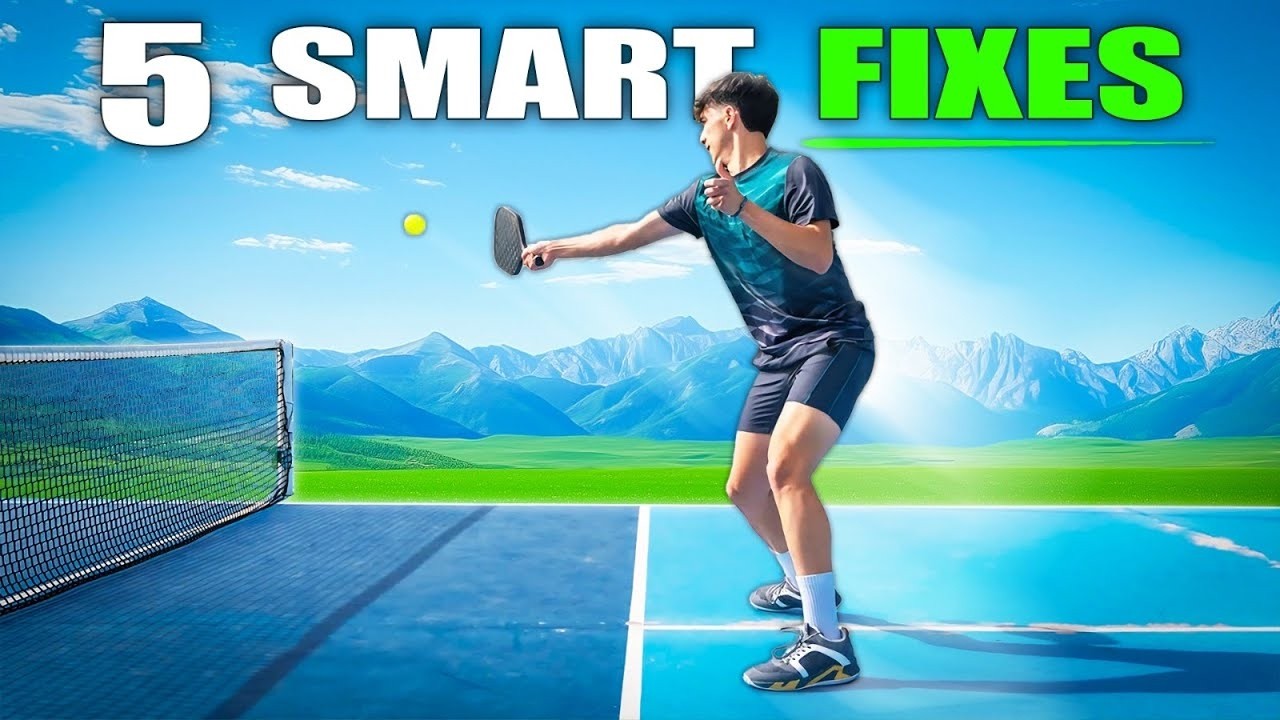
5 Pickleball Drills That Will Transform Your Game in 2026
Five simple yet powerful pickleball drills can completely reshape how you play. These mechanics focus on consistency, footwork, and positioning to help you see immediate results on the court.
 The Dink PickleballThe Dink Media Team
Key Takeaways
- A ball that touches any part of your body is a dead ball and an automatic loss of rally, especially in doubles when confusion over who covers the middle leaves your body exposed.
- Handling a hard hit ball at your body starts with a chest-high ready position, not fast reflexes alone, though the fastest hands in the game certainly don't hurt.
- Turning your shoulder into the shot beats squaring up to it, straight from mid-court pickleball fundamentals.
- A soft-handed reset does more damage to a banger's strategy than a hard block, since it takes away the next put-away, the same untouchable defense pros lean on.
- Drill the exact scenario, chest-height feeds from the kitchen line, until the reaction becomes automatic instead of a panic.
💡
Heads up: hundreds of thousands of pickleballers read our free newsletter.
Subscribe herefor cutting edge strategy, insider news, pro analysis, the latest product innovations and more.
Frequently Asked Questions
Is it a fault if the ball hits you in pickleball?
Yes. If a live ball touches any part of your body, your clothing, or anything you're carrying, the rally ends immediately in favor of the other team. This holds true regardless of whether the ball would have landed in bounds, which is exactly why letting your paddle do the work matters as much on defense as it does on offense.
Why do opponents keep hitting the ball at my body?
Because it works. A body shot removes your forehand and backhand options at once and forces an awkward swing that usually sails long or pops up for an easy finish. Players who stand tall with their paddle low are the easiest targets, so fixing your ready position is a big step toward becoming unattackable.
What's the difference between blocking and resetting a hard hit ball?
A block simply survives the exchange by returning the ball somewhere safe. A reset goes further by softening your grip on contact so the ball drops into the kitchen, which takes away the other team's chance at an immediate put-away and can flip the point back in your favor.
Should I back up if someone keeps targeting my body?
No. Backing off the kitchen line hands your opponents the most valuable court placement on the court for free. Hold your position and treat the next fast ball as a read, not a reason to retreat.
Can I use my body to block the ball in pickleball?
You can move out of the way, but you cannot intentionally use your body to stop or redirect the ball as part of a legal shot. Only the paddle face may contact the ball for it to remain in play, which is exactly why focusing on strengths, not weaknesses beats trying to out-muscle a banger.
Anuncie Aqui / Advertise Here
Sua marca para o mundo Pickleball! / Your brand for the Pickleball world!




 English (US) ·
  Portuguese (BR) ·