
 English
  Spanish
  Portuguese
  German
  Italian
  Japanese
  French
  Polish
  Russian
  Netherlands
  Hungarian
  Turkish
  Videos
  Thedink Pickleball

Here's how to hit a forehand third shot drop in pickleball, from the grip you're probably getting wrong to the paddle angle that keeps it in the kitchen. Once this shot clicks, your transition game changes for good.
If you want to know how to hit forehand third shot drop pickleball shots that actually die in the kitchen instead of floating up for a smash, you're in the right place.
This is the shot that separates players who dink for a living from players still getting stuck in no man's land after every serve return.
Love pickleball? Then you'll love our free newsletter. We send the latest news, tips, and highlights for free each week.
What Is a Third Shot Drop, Anyway?
A third shot drop is the soft, arcing shot the serving team hits on the third shot of the rally, designed to land in the opponent's kitchen (the non-volley zone) so the serving team can advance to the net.
The goal isn't power. It's placement. You're trading pace for time, buying yourself a path to the net instead of a free swing.
Here's the thing: most players learn the backhand version first because it feels more natural off a return.
The forehand third shot drop is trickier.
You've got more paddle face to control and a bigger swing to tame, which is exactly why so many players avoid it and just drive everything instead.
Why the Forehand Third Shot Drop Is the Shot Everyone's Chasing
Because it works. A clean forehand third shot drop takes away your opponent's best weapon: the put-away volley at the net.
Land it soft and low in the kitchen, and there's nothing to attack. You've turned an offensive rally into a neutral one, on your terms.
Think of it this way. Every point in doubles pickleball is a fight for the kitchen line.
The team that gets there first, under control, wins more points than the team stuck at the baseline hitting up on everything.
A reliable forehand third shot drop is your ticket out of the backcourt.
Honestly, the forehand version also gives you more disguise.
You can hide a drop and a drive behind nearly identical setups, which is a problem for anyone trying to read your shot early.
💡
Need some new pickleball gear? Get 20% off select paddles, shoes, and more with code THEDINK at
Midwest Racquet SportsHow Do You Actually Hit a Forehand Third Shot Drop?
You hit a forehand third shot drop by softening your grip, opening the paddle face slightly, contacting the ball out in front of your body, and lifting through with a short, low-to-high swing that lands the ball just over the net and into the kitchen.
Get any one of those four pieces wrong, right off your return of serve, and the shot either sails long or nets.
Get Your Grip Right First
Start with a continental or slightly modified eastern grip, not the tight forehand grip you'd use to crush a drive. A death grip kills touch. Loosen up, especially in your fingers, so the paddle can absorb pace instead of adding to it.
If you're still dialing in your overall grip, check your serve grip too. A lot of players use one grip for power shots and never adjust for the soft game, and it shows up first on the third shot drop.
Find the Right Paddle Angle
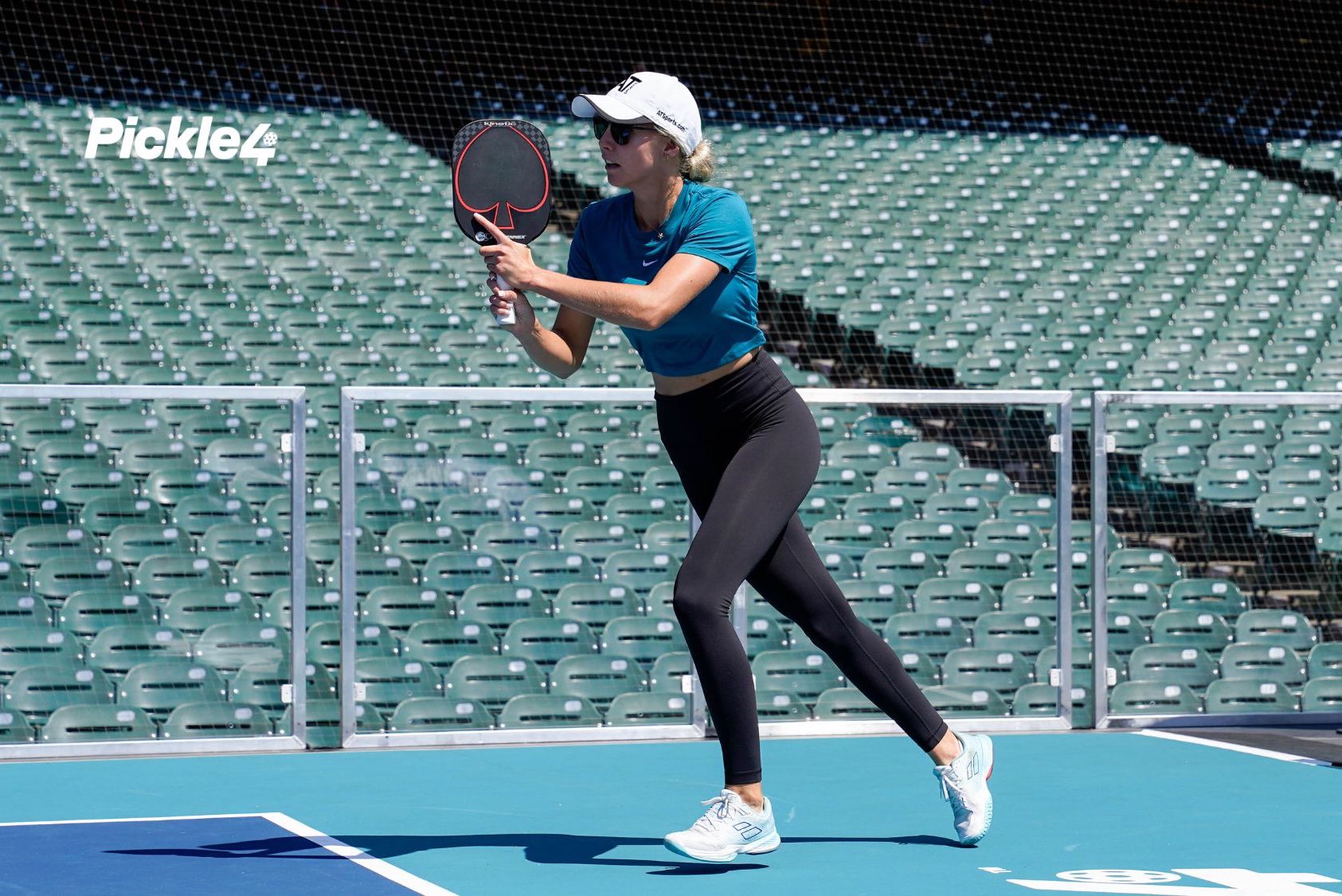
Open your paddle face slightly, somewhere around 10 to 15 degrees. That angle gives the ball just enough loft to clear the net without adding speed. Too flat, and you'll drive it into the net. Too open, and you'll pop it up for an easy put-away.
Backspin helps here, but it's not required. A little underspin makes the ball sit down faster once it lands, which is why learning backspin control is worth your practice time even if you never use it on every drop.
Move forward as your opponent's return is in the air, not after it bounces. You want to meet the ball out in front, ideally around waist height, with your weight moving into the shot instead of leaning back. Late footwork is the number one reason forehand third shot drops turn into pop-ups.
Split step, plant, and swing. That rhythm matters more than raw hand speed, and movement-based drills build it faster than live play ever will. Players who rush the footwork almost always rush the paddle face too.
Third Shot Drop Pickleball: 3rd Shot Guide
The 3rd shot pickleball play is the most important shot you’ll hit on every single rally. This step-by-step guide breaks down the mechanics, common mistakes, and drills to help 3.0 to 4.0 players master it fast.
 The Dink PickleballThe Dink Media Team
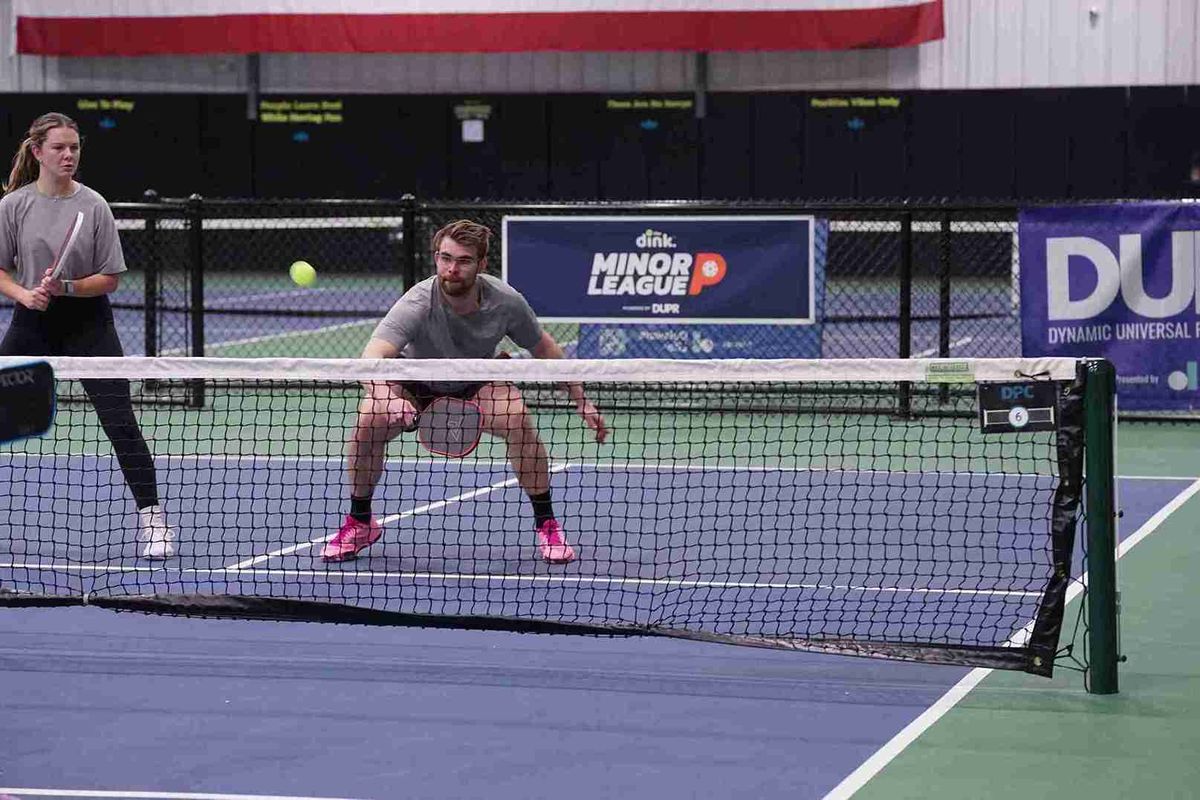
The Third Shot Drop vs the Third Shot Drive: When to Use Which
Use the drop when you need time to get to the kitchen and the drive when you can end the point immediately.
A third shot drive is faster and more aggressive, but it only works when the return is weak, high, or short enough to attack.
Most returns at any level above beginner don't qualify.
Here's the honest breakdown.
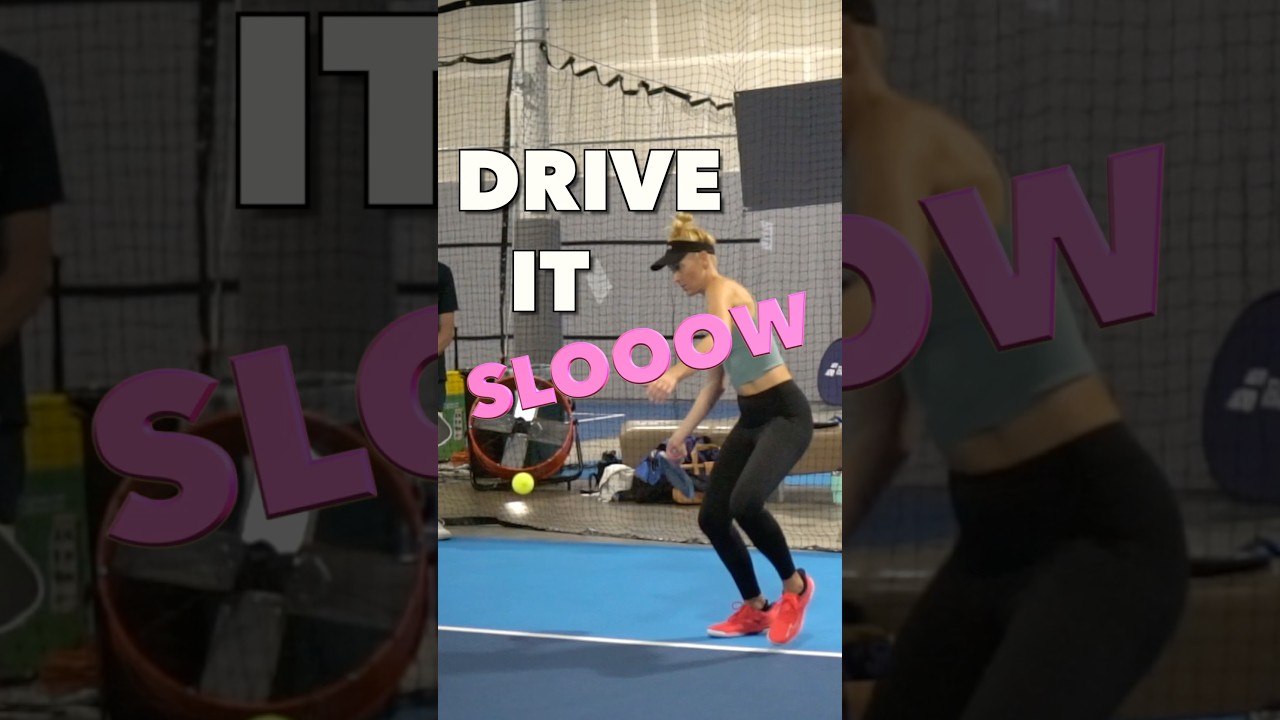
Opponents deep, moving well, return with depth? Drop it. Return short, sitting up, landing near the middle?Drive it. Mixing both keeps opponents guessing, and disguise is half the battle either way.
The mistake most club players make is defaulting to the drive because it feels more comfortable.
Comfortable and correct aren't the same thing, especially once your doubles positioning starts breaking down under pressure.
Third Shot Drop vs Drive in Pickleball: Make the Right Call
The third shot drop vs drive pickleball debate isn’t about picking a favorite, it’s about reading the rally and choosing the shot that actually works. This guide breaks down when to drop, when to drive, and how to stop guessing on ball three.
 The Dink PickleballThe Dink Media Team
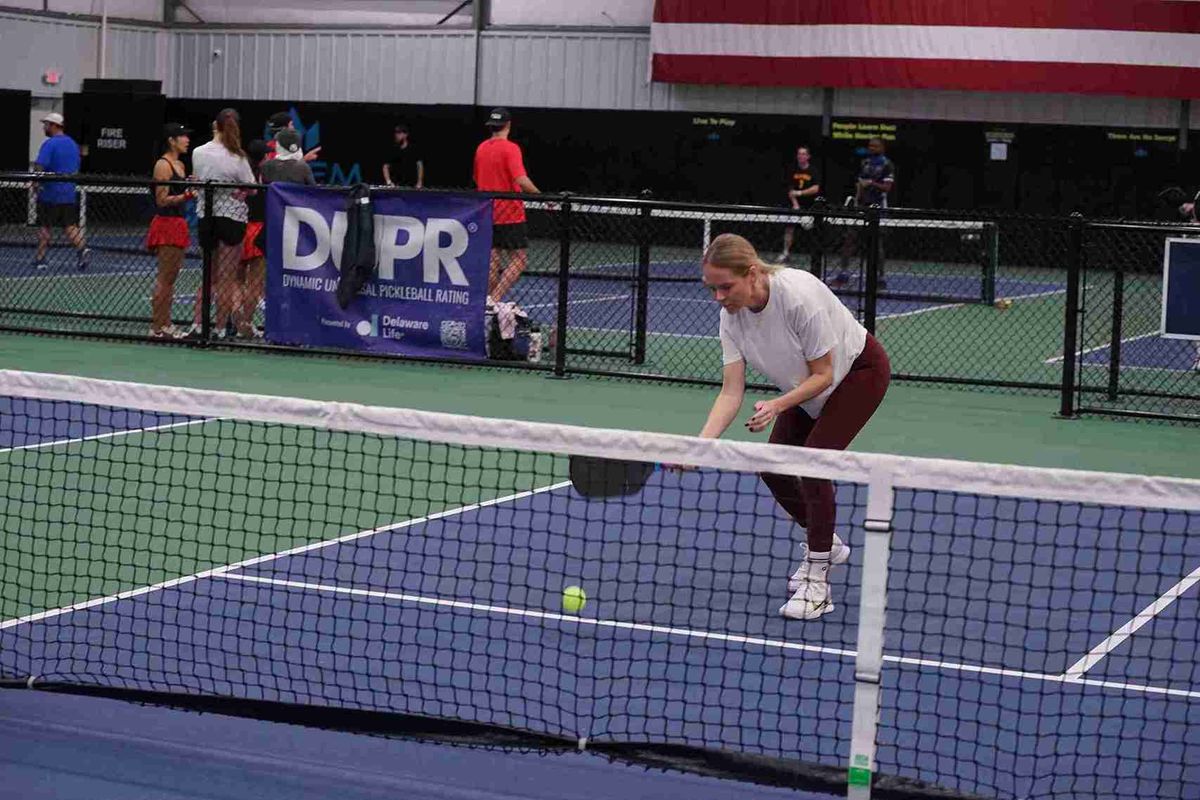
Common Mistakes That Wreck Your Forehand Third Shot Drop
A forehand third shot drop usually breaks down for one of four reasons: too much grip pressure, a flat paddle face, late footwork, or trying to muscle the shot instead of lifting it.
Fix the mechanics first, then worry about the strategy around it.
- Gripping too tight. Tension kills feel. Your hand should feel loose enough to adjust mid-swing.
- Standing too far back. If you're not moving forward off the bounce, you're always reacting late.
- Overswinging. This shot needs lift, not the full-swing power you'd bring to a putaway. A short, controlled motion beats a big backswing every time.
- Ignoring the reset option. Sometimes the drop isn't there. Knowing how to reset the point instead of forcing a bad drop saves way more rallies than people realize.
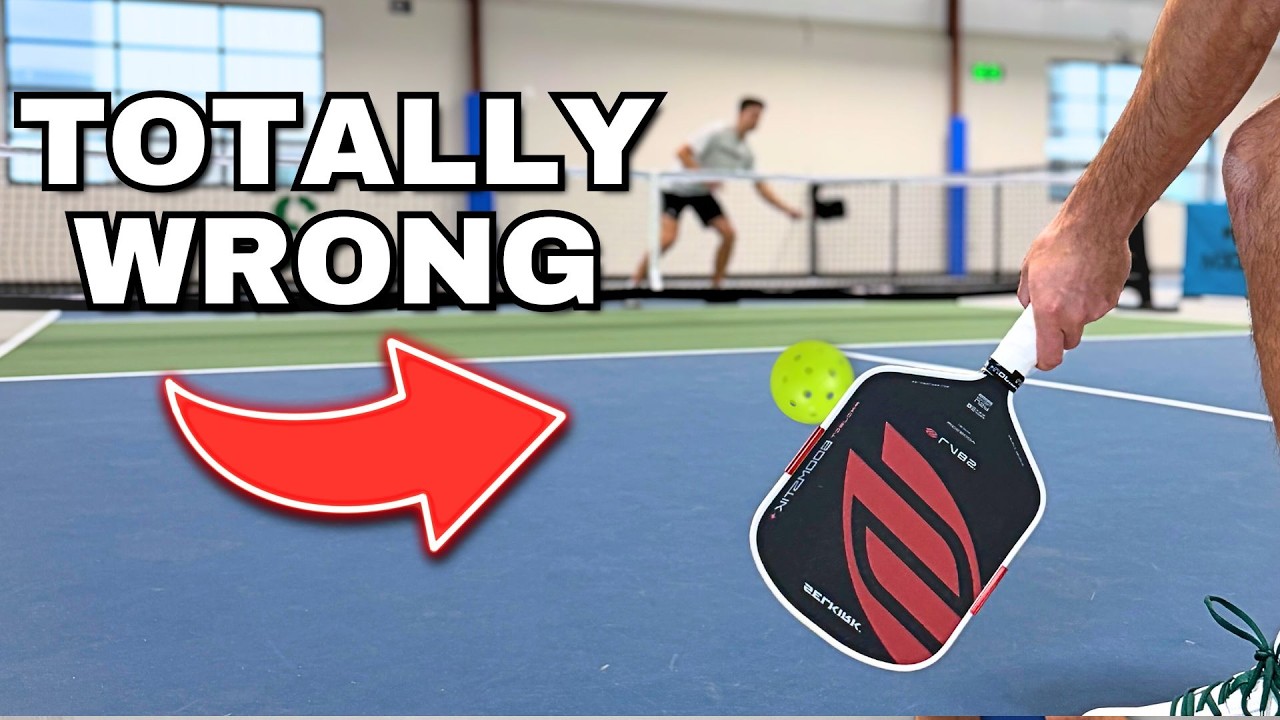
Simplifying the Third Shot Drop: Fix These 5 Common Mistakes
The third shot drop becomes consistent when players stop overthinking mechanics and focus on smart positioning and progression
 The Dink PickleballThe Dink Media Team
Drills to Groove Your Forehand Third Shot Drop
The fastest way to fix your forehand third shot drop is repetition from a feed, not just live play.
Live points don't give you enough reps at the exact contact point and paddle angle you're trying to build.
- Shadow swings first. Ten reps with no ball, focusing only on grip pressure and paddle angle. Let the paddle do the work instead of your arm.
- Fed drops from the baseline. Have a partner feed returns so you can focus purely on the drop, not the return itself.
- Target zones. Place a towel or cone in each corner of the kitchen and aim for it on every rep.
- Live third shot only. Play out points that start on the serve return, so the drop happens under real pressure.
If you train alone, solo drills built around a wall or ball machine can still build the feel you need.
Pair that with a shot selection drill so you're not just grooving mechanics in isolation, you're also learning when to actually pull the trigger on the drop versus the drive.
Once the drop is landing consistently, work on what comes next. A great third shot drop that leads into a sloppy transition to the kitchen line still loses the point.
Pair this shot with sharper fourth shot coverage, and you've built a complete transition game, not just one good shot.
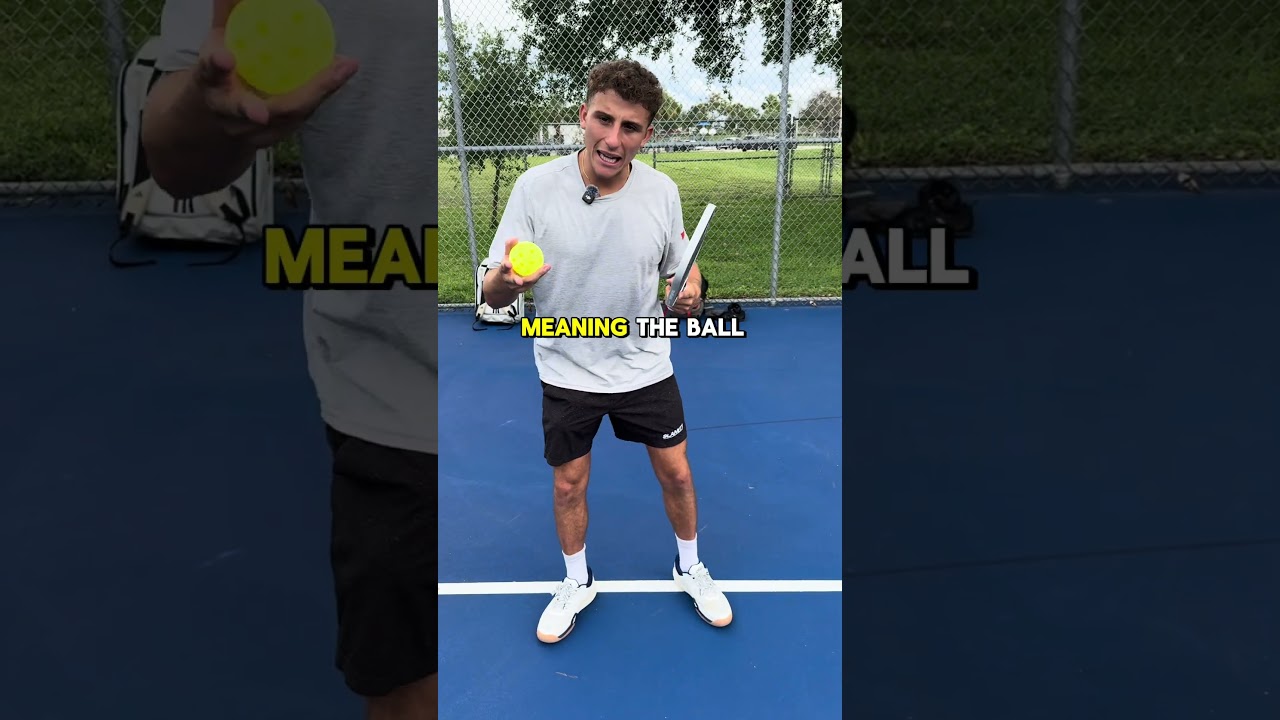
Demystifying the Third Shot Drop: 3 Simple Tips from a Pro
A pro pickleball player reveals the three most common mistakes that are sabotaging your third shot drop. Here’s what you need to fix to improve consistency and control.
 The Dink PickleballThe Dink Media Team
Key Takeaways
- A forehand third shot drop is a soft, arcing shot hit on the third ball of the rally to land in the kitchen and buy time to advance.
- Success depends on four things: a relaxed grip, an open paddle face, early footwork, and a short lifting swing.
- Use the drop when your opponent's return has depth. Use the drive when the return is short or weak.
- The most common breakdown points are tight grips, late footwork, and overswinging.
- Repetition from a feed builds the shot faster than trying to learn it only in live play.
💡
Heads up: hundreds of thousands of pickleballers read our free newsletter.
Subscribe herefor cutting edge strategy, insider news, pro analysis, the latest product innovations and more.
Frequently Asked Questions
What's the difference between a forehand and backhand third shot drop?
The mechanics are similar, but the forehand version involves a bigger paddle face and more swing to control, which makes grip pressure and paddle angle even more important. Many players find the backhand drop easier at first because the compact swing naturally limits pace.
How high should the ball bounce over the net on a third shot drop?
Aim for a ball that clears the net by a few inches and drops fast, peaking no higher than waist level. A shot that arcs too high gives opponents time to attack it before it lands.
Why does my forehand third shot drop keep popping up?
A pop-up almost always means your paddle face is too open, your grip is too tight, or you're contacting the ball too late. Slow your swing down, soften your grip, and build better paddle control through dedicated reps rather than live points alone.
Can beginners learn the forehand third shot drop, or should they start with the drive?
Beginners can and should start learning the drop early, since it's the shot that builds the transition game every doubles team needs. Starting with drives only delays learning the touch and paddle control that simple repetition drills help build early.
Do I need a specific grip to hit a good forehand third shot drop?
Most coaches recommend a continental grip or a slightly modified eastern grip for better touch, rather than a tight forehand grip built for power. The exact grip matters less than keeping your hand relaxed through contact.
Anuncie Aqui / Advertise Here
Sua marca para o mundo Pickleball! / Your brand for the Pickleball world!




 English (US) ·
  Portuguese (BR) ·