
 English
  Spanish
  Portuguese
  German
  Italian
  Japanese
  French
  Polish
  Russian
  Netherlands
  Hungarian
  Turkish
  Videos
  Thedink Pickleball

Learning how to hit a slice in pickleball starts with grip, paddle angle, and swing path, not raw arm speed. This guide breaks down the mechanics, the drills, and the exact moments a slice wins you the point.
If you want to know how to hit a slice in pickleball, stop thinking about power and start thinking about angle.
The paddle face does the work, not your shoulder.
That single shift, opening the face and brushing down through the ball instead of muscling it, is the difference between a slice that dies at your opponent's feet and one that sails long.
Here's the thing about spin in this sport.
Everybody obsesses over topspin drives and rollers, treating every decision between a drive and a drop on the fifth shot like the only choice that matters, but the players who win 20-plus shot rallies lean on backspin too.
A well-placed slice pickleball shot skids low, sits up slower than a flat ball, and steals your opponent's timing.Love pickleball? Then you'll love our free newsletter. We send the latest news, tips, and highlights for free each week.
What Is a Slice in Pickleball, Actually?
A slice is a shot hit with backspin, produced by an open paddle face brushing under and across the ball at contact.
No secret grip, no exotic swing.Most players lump every spin shot together with the banana-angle spin shots they see the pros hit, but this is one specific kind of spin: backspin.
Backspin makes the ball rotate backward relative to its flight path, the opposite of the topspin most players learn first.
Why does that matter on a pickleball court? Because backspin changes how the ball behaves after the bounce.
A topspin ball jumps forward off the court. A sliced ball tends to stay lower and slower, thanks to friction between the plastic surface and the court.
That's extra hesitation for your opponent, especially anchored on the T near the sideline in doubles waiting to read your next move.
According to a 2025 biomechanics review published via ResearchGate, ball rotation rate predicts post-bounce trajectory change more strongly than exit velocity.
Spin beats speed when it comes to disrupting a read.How to Hit a Slice in Pickleball: Grip and Paddle Angle First
Start with your grip.
Most players already use a continental grip for volleys and resets, and it happens to be the easiest grip for slicing since it naturally opens the paddle face.
If you're still gripping the paddle like a frying pan on every shot, that's costing you more than just spin.Open the paddle face to somewhere between 20 and 35 degrees relative to vertical. Too flat, and you're hitting a regular shot with a weird wrist angle.
Too open, and the ball pops up into an easy put-away.
The sweet spot feels almost too open at first. Trust it anyway.The same open-face principle shows up in proper backhand volley mechanics, so if you already have that shot down, half the battle of how to hit a slice in pickleball is won.
Here's the catch. A slice lives or dies on your setup footwork, not your arm.
Get your paddle-side foot slightly forward and your weight moving downward through contact, not upward.
Good footwork here overlaps heavily with the court coverage habits doubles teams drill on the fourth shot.
Players who lift through the shot turn a nice, low slice into a lazy popup. Think of it this way: you're carving under the ball, not lifting it.
💡
Need some new pickleball gear? Get 20% off select paddles, shoes, and more with code THEDINK at
Midwest Racquet SportsThe Swing Path Behind Every Clean Slice
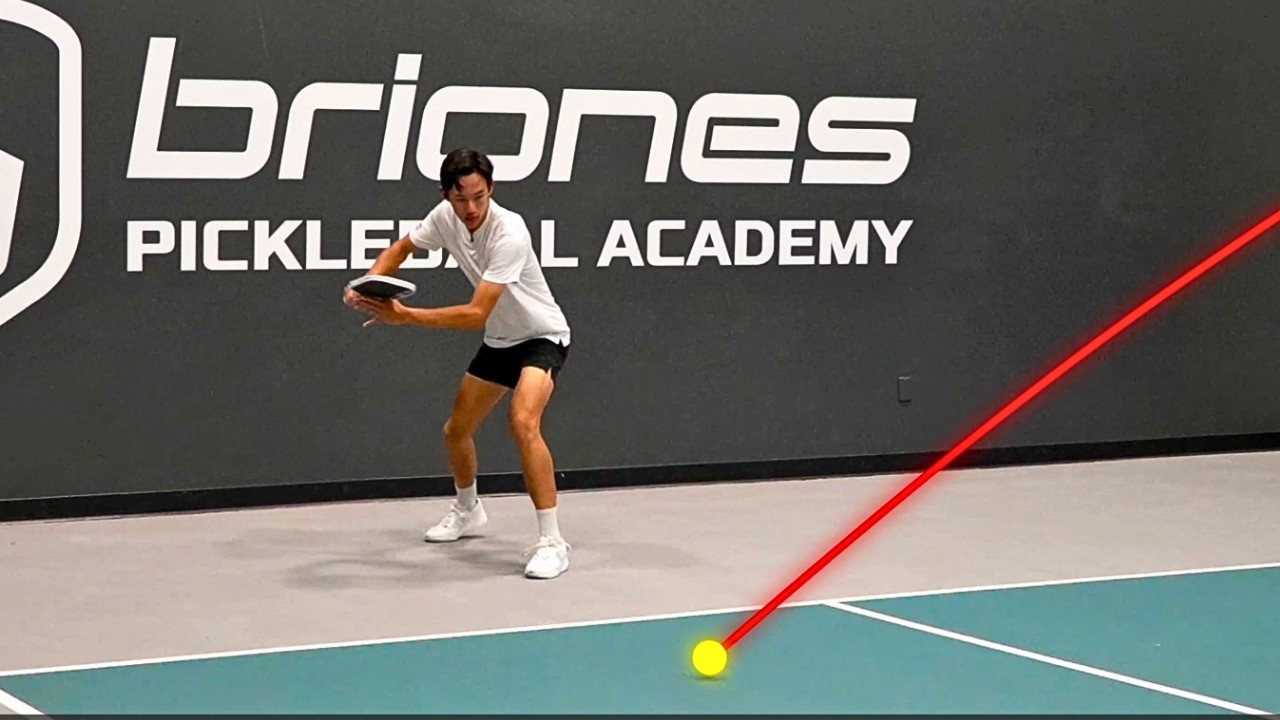
Once your grip and stance are set, the swing itself is short and controlled.
Not a full backswing, a compact, high-to-low path that brushes the back and bottom of the ball.
Contact point stays out in front of your body, never behind it.
Players who've put in reps on their backhand fundamentals tend to pick up the backhand slice faster, since the compact path is nearly identical.
That compact path matters most on the return of serve, where there's no time for a big backswing.
Plenty of players trace their whole backhand development back to a handful of key influences, and the slice is usually the last piece they add.
Learning how to make the most of your return of serve and layering in a slice gives you a return that lands deep and skids low, pinning your opponent behind the baseline before the point starts.
Pair that with smart footwork on where you're actually returning serve from and you've got a return that's genuinely hard to attack.
Slicing the Dink Without Popping It Up
The riskiest place to slice is at the kitchen line, and it's also where the shot pays off the most.
A soft, sliced dink stays low enough that your opponent can't attack it, but only if you resist the urge to add pace.
Study how the pros use a slice dink and you'll notice the same pattern every time: short paddle path, soft hands, patience.
If your dinks keep popping up, dialing back the backspin mechanics before adding pace usually fixes it.
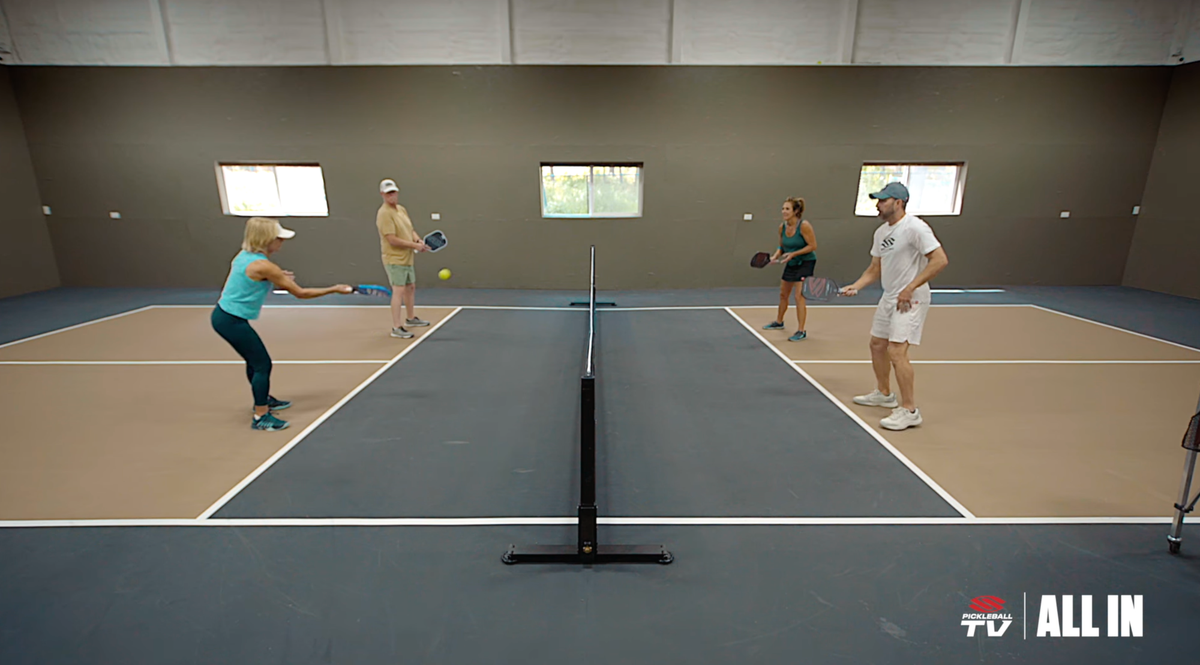
Pickleball Dinking 101: Small Swings, Big Results
You’re not trying to hit winners from the kitchen. You’re trying to create situations where your opponent makes a mistake or gives you a ball you can attack
 The Dink PickleballThe Dink Media Team
When Should You Actually Reach for the Slice?
Honestly, not on every shot. A slice earns its keep in three specific moments: neutralizing a hard drive, resetting the pace of a fast rally, and disguising a shot at the kitchen line.
Compare that to a flat drive, which is built for pace and pressure, not deception.
If you're in a fast exchange and getting overpowered, a slice reset buys you time to get back to a neutral position, the same logic behind making your third shot genuinely difficult to attack instead of a soft feed.
If you're already in control at the net, a slice dink keeps your opponent from teeing off.Knowing the difference between the five core shots every player should own and knowing when to pull each one out are two different skills, and the slice is usually the one players learn last and use worst.
Is a slice serve legal in pickleball? Yes, with a catch.USA Pickleball's rulebook permits spin generated by paddle-to-ball contact during the serve, but prohibits imparting spin using your hand or fingers before or during the toss.
A legitimate slice serve, brushed at contact, sets up the same low, skidding bounce you'd want on a defensive return of a slice, and it's fair game under the rules.
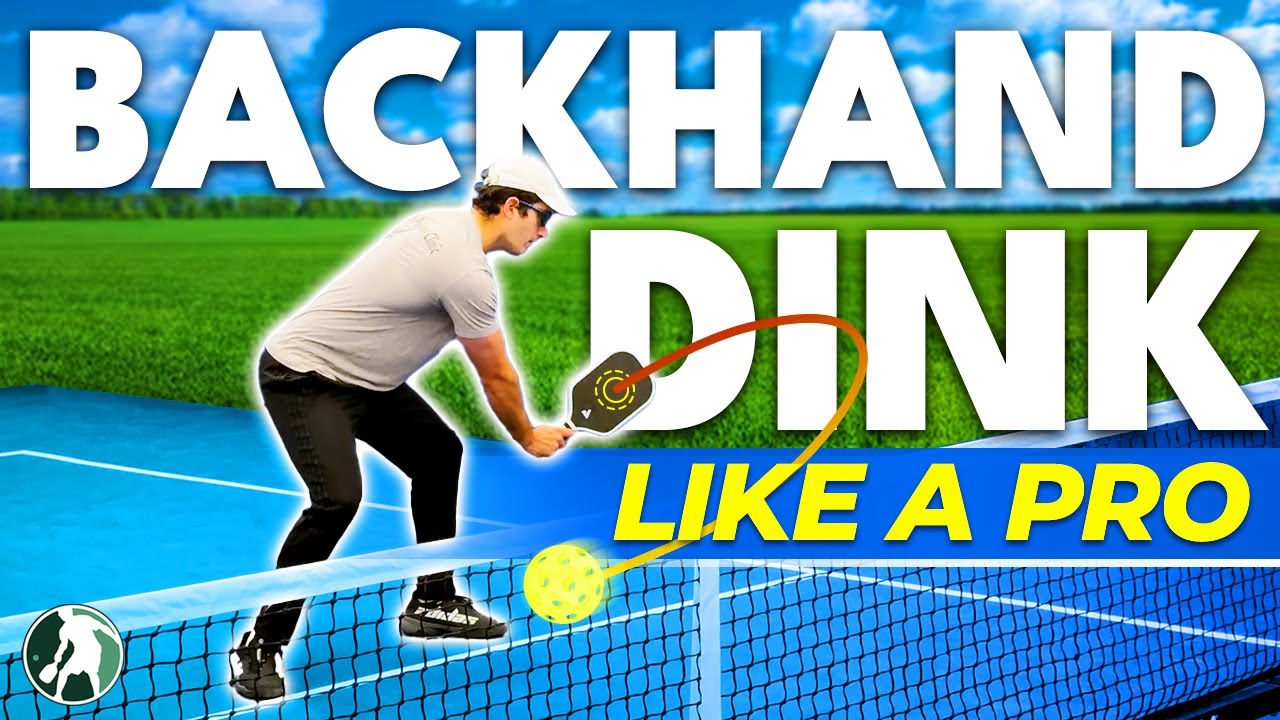
Perfect the Backhand Slice Dink with These 3 Essential Tips
When you’re locked in a tight dinking battle, this shot is your insurance policy
 The Dink PickleballThe Dink Media Team
Common Mistakes That Wreck Your Slice
The most common error is over-rotating the wrist.
A slice is a paddle-face adjustment, not a wrist flick, and players who flick end up with wild, unpredictable spin.
If you're grooving the routine shots that make up 90 percent of a match, the slice needs to feel just as automatic, not like a special-occasion shot.
The second mistake is speeding up the swing to compensate for a shot that feels "soft." Resist that. A slice is supposed to feel unhurried.
The third mistake is footwork related. P
layers lunge at the ball instead of getting their body behind it, which is the same issue that shows up whenever someone's making a good shot from bad positioning.
Fix your feet first. The paddle face will follow.
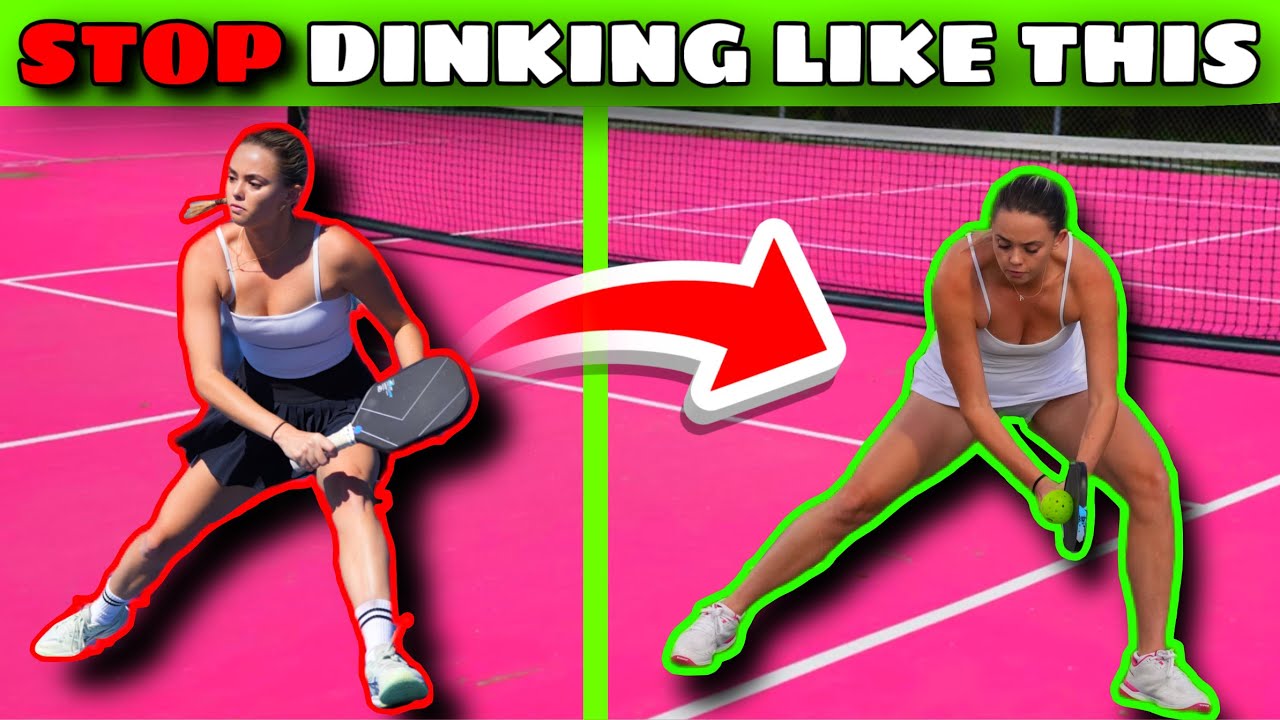
Perfect the Pro-Level Backhand Dink: Slice vs. Two-Handed Roll
The slice keeps you in rallies when you’re under pressure. The two-handed topspin roll lets you take control and push your opponent back.
 The Dink PickleballThe Dink Media Team
Drills to Make How to Hit a Slice in Pickleball Second Nature
You won't own this shot from reading about it. Here's how to actually groove it:
- Wall reps. Stand eight feet from a wall and hit 20 slow slices in a row, focused only on paddle angle and contact point.
- Slice-only dinking. Run one of the toughest dinking drills out there, but require every single dink to carry backspin. It slows the whole drill down, which is the point.
- Return reps under pressure. Have a partner feed hard serves while you focus purely on a controlled slice return, not a winner.
- Shot-selection scrimmage. Play games where you're not allowed to hit a flat shot, forcing you to choose slice, topspin, or a drive on purpose instead of by habit, similar to the decision-making drilled in advanced shot-selection training.
Players like the ones featured in unconventional dinking breakdowns didn't get there by accident.
They drilled the boring reps until the shot became instinct, and they drilled it from proper position at the kitchen line, not from a scramble.
A quick 2026 participation report from the Sports & Fitness Industry Association shows pickleball's core participant base is skewing more competitive year over year, which tracks with what's happening on courts everywhere.
Casual dinking rallies, the kind you can drill with a simple figure-8 footwork pattern, are giving way to players who actually understand spin, and a slice is one of the fastest ways to close that gap against better opponents.
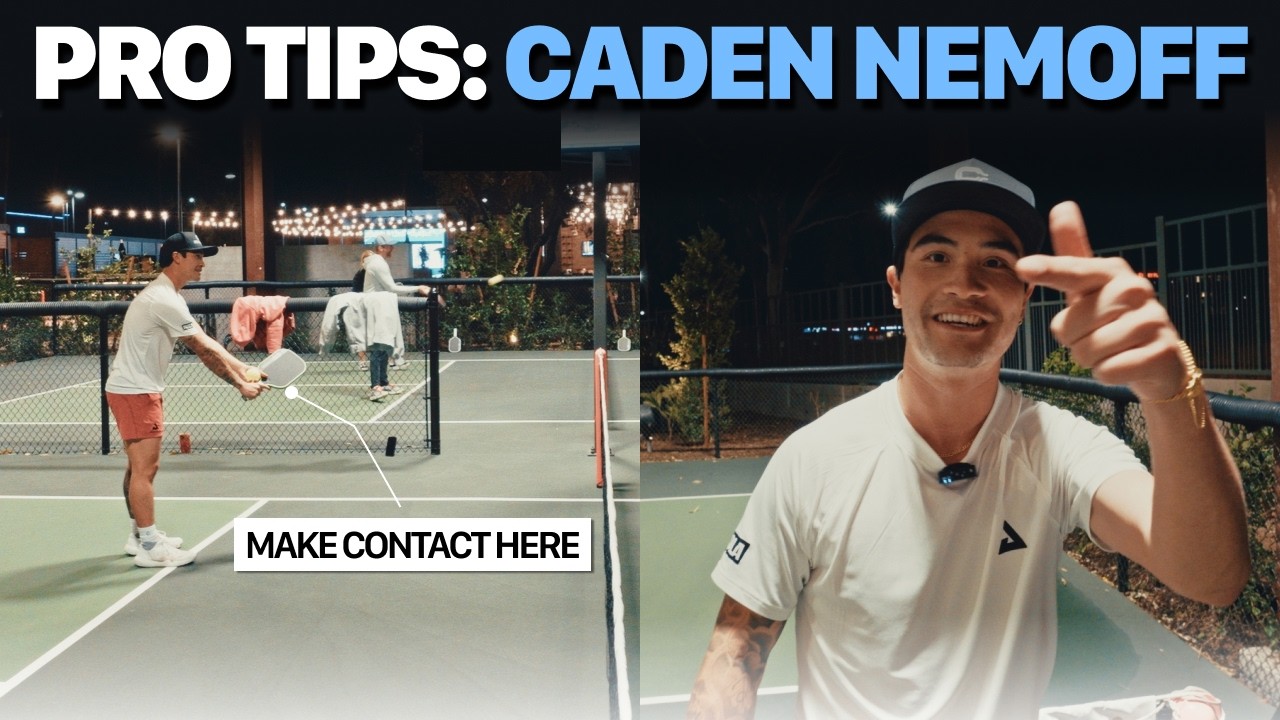
The Pickleball Slice Dink: Lessons from a PPA Pro
Fixing your backhand slice dink comes down to compact swings, proper contact point, and footwork
 The Dink PickleballThe Dink Media Team
Key Takeaways
- Learning how to hit a slice in pickleball comes down to an open paddle face brushing down and through the ball, not extra arm speed.
- Backspin makes the ball sit up slower and skid lower after the bounce, disrupting an opponent's timing.
- The continental grip, a short high-to-low swing path, and downward footwork are the three mechanical pillars.
- Use a slice to neutralize pace, reset a fast rally, or set up a shot your opponent can't handle, not on every single shot.
- Slice serves are legal as long as spin comes from paddle-to-ball contact, not hand or finger manipulation during the toss.
💡
Heads up: hundreds of thousands of pickleballers read our free newsletter.
Subscribe herefor cutting edge strategy, insider news, pro analysis, the latest product innovations and more.
Frequently Asked Questions
How do you hit a slice in pickleball without popping it up?
Keep the paddle face open between 20 and 35 degrees and move your body weight downward through contact instead of lifting. Popups almost always come from an over-opened face or an upward swing path, not from a lack of spin.
Is a slice serve legal in pickleball?
Yes. USA Pickleball allows spin generated at paddle-to-ball contact during the serve motion, the same advanced serve mechanics players use near the kitchen on other serve variations. What's not allowed is spinning the ball with your hand or fingers before or during the toss itself.
What's the difference between a slice and a chop shot?
A slice is a controlled backspin shot with a compact, high-to-low path meant for accuracy and disguise. A chop is a more extreme, often defensive version with a steeper downward angle, closer to resetting a point you're losing than dictating one.
Why does my slice keep going in the net?
Nine times out of ten, that's a paddle face that's too closed at contact or a swing path that's dipping too far down before you reach the ball. Open the face slightly more and focus on brushing through the ball at a consistent height, the same way you'd fix power shots that keep sailing long or sinking short.
Can beginners learn how to hit a slice in pickleball early on?
Yes, though most instructors recommend building a solid flat and topspin game first. Once your grip and paddle control are consistent, learning how to hit a slice in pickleball is a matter of a few focused practice sessions rather than months of relearning your swing.
Anuncie Aqui / Advertise Here
Sua marca para o mundo Pickleball! / Your brand for the Pickleball world!




 English (US) ·
  Portuguese (BR) ·