
 English
  Spanish
  Portuguese
  German
  Italian
  Japanese
  French
  Polish
  Russian
  Netherlands
  Hungarian
  Turkish
  Videos
  Thedink Pickleball

The short hop is one of the most underrated skills separating good players from high-level competitors. Master this essential short hop pickleball technique to transform your midcourt game and handle pressure in transition.
The short hop in pickleball is one of the most underrated skills in the sport, yet it's also one of the biggest differences between good players and high-level competitors.
If you've ever felt uncomfortable in the midcourt or rushed on faster balls, this is the skill that will completely change your game.
Love pickleball? Then you'll love our free newsletter. We send the latest news, tips, and highlights for free each week.
Why the Short Hop Matters More Than You Think
Here's the thing: the short hop is your best weapon for getting from the baseline to the kitchen line. When the ball bounces, it loses pace.
That means you're taking a slower ball than if you tried to volley it out of the air, which gives you more time to set up your next shot and control the point.
According to APP pro and top content producer Richard Livornese, amateurs struggle with this ball more than any other. But once you get the technique down, it becomes one of the easiest shots in your arsenal.
The key is understanding that the short hop isn't about power or athleticism. It's about precision, positioning, and wrist control.
The Two Zones Where You'll Use the Short Hop
When you're working on your short hop pickleball technique, you need to understand that there are really two main zones where this shot matters most: the deep zone and the up zone.
- The deep zone is when you're further back from the net, typically around the baseline or mid-court area.
- The up zone is when you're already close to the kitchen line.
Both require slightly different approaches, but the fundamental mechanics remain the same.
The difference between these zones affects how much arm motion you use.
- In the up zone, you'll have almost no arm movement because you're so close to the net.
- In the deep zone, you can afford slightly more motion, but it should still be compact and controlled.
Win the Transition Zone: The Modern Pickleball Guide to Midcourt Aggression
While traditional coaching has long emphasized getting to the kitchen line as quickly as possible, modern pros are turning midcourt aggression into unexpected offensive opportunities
 The Dink PickleballThe Dink Media Team
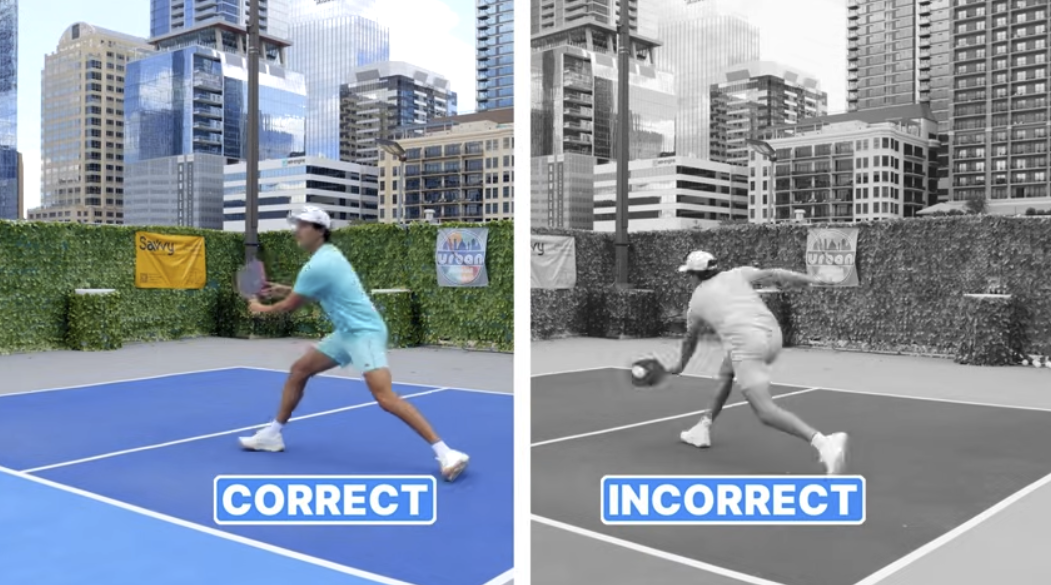
Mastering the Backhand Short Hop
The backhand short hop is where many players start because it's often more natural for defensive positioning. To hit this shot correctly, you need to focus on two key elements:
- Your grip
- Your wrist angle
Your grip matters, but not as much as you'd think. Whether you use an eastern or continental grip, the real magic happens with your wrist.
When the ball is on your feet or behind you, your wrist should be straight or slightly bent, almost creating a cup with the paddle. When the ball is further in front of you, you'll press your wrist forward instead.
Here's what separates good players from great ones: you preset your wrist before you hit the ball. This is the name of the game for the backhand short hop.
💡
Need some new pickleball gear? Get 20% off select paddles, shoes, and more with code THEDINK at
Midwest Racquet SportsYou're not moving your wrist during the shot. Once you set it, it stays locked in place. All the motion comes from your shoulder, not your arm or elbow.
When you're in the deep zone, get low, position your paddle almost touching the ground, and then either block or push through as the ball bounces. The simpler you keep it, the fewer errors you'll make.
If the ball is coming hard, you're just blocking it with minimal movement. If it's soft, you might push through slightly, but again, all from the shoulder.
In the up zone, your target changes slightly. You'll generally aim toward your opponent's left foot because they could potentially Ernie you (hit around the net post). From the back zone, you have more space, so you can be a bit more aggressive with your placement.
Perfect the Backhand Slice Dink with These 3 Essential Tips
When you’re locked in a tight dinking battle, this shot is your insurance policy
 The Dink PickleballThe Dink Media Team
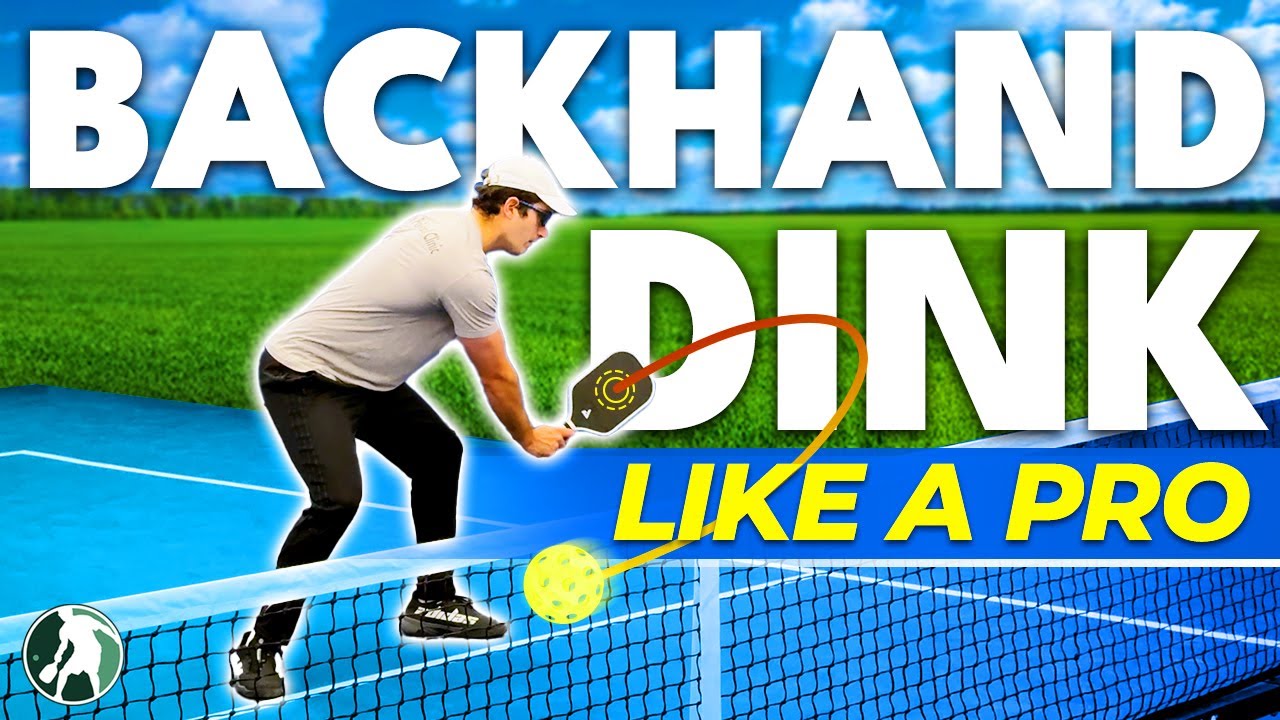
What About the Forehand Short Hop?
The forehand short hop requires a slightly different mindset. The biggest mistake players make on the forehand is getting lazy.
Because most of us are more comfortable with our forehand, we tend to just leave the paddle out there without engaging properly. Don't fall into that trap.
On the forehand, your wrist flexion works similarly to the backhand, but your body positioning is different. You want to be semi-closed rather than open stance.
This orientation makes it much easier to hit the short hop effectively and maintain control.
When you take the ball in front, your paddle drops and your wrist comes out. As you come back, your wrist rotates backward.
This gives you a large zone where you can successfully hit the shot, anywhere from well in front of you to slightly behind. Having this large zone is what makes the short hop pickleball technique so applicable to real match situations.
One critical rule: never try to go inside out on the forehand short hop. When you open up your paddle face to change direction dramatically, the ball runs off your paddle.
Instead, keep your paddle face into the court. If you're on the left side of the court, hit to the right side. If you're on the right side, hit to the left. This keeps the ball in play and prevents those frustrating errors.
Your Forehand Dink Needs Work: Here’s a 5-Minute Fix from a Pickleball Pro
Sometimes the biggest pickleball improvements come from small, focused adjustments rather than a complete overhaul
 The Dink PickleballThe Dink Media Team
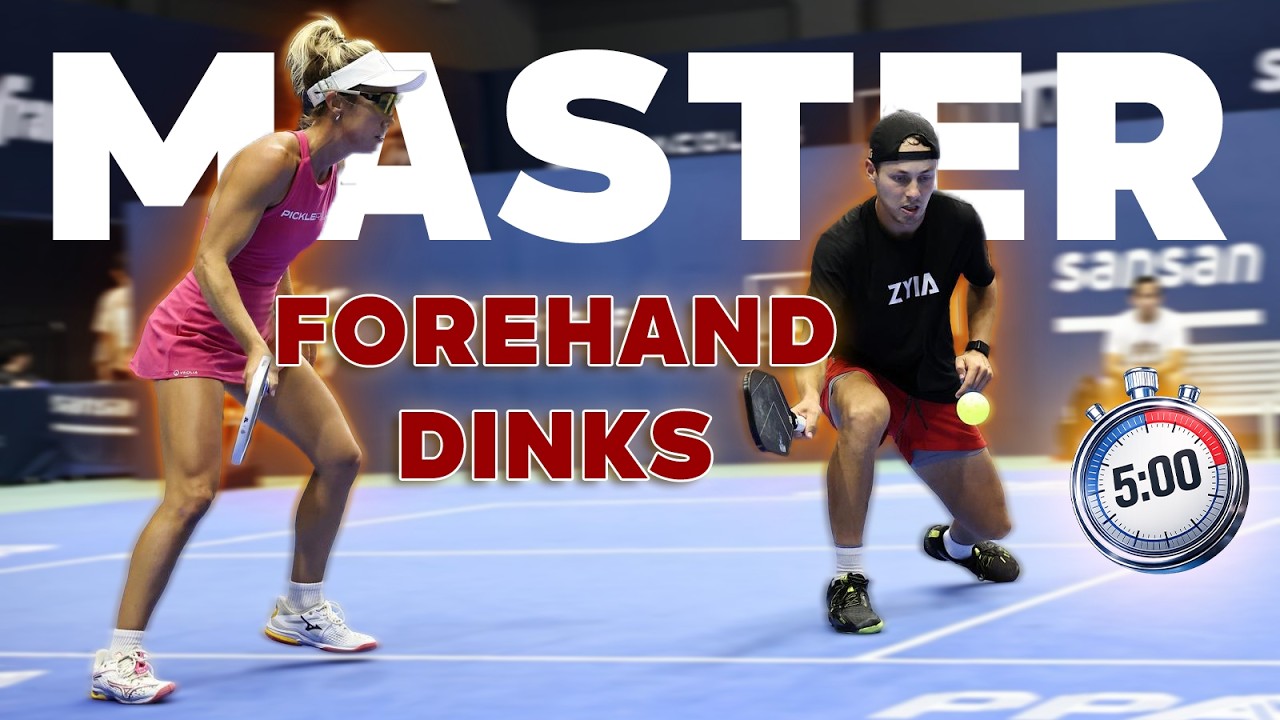
The Pace Problem: When to Short Hop and When to Slice
Here's something that catches a lot of players off guard: short hopping a slow ball is actually harder than short hopping a fast ball. When the ball comes in with pace, you have something to work with. When it's soft and floaty, you lose that reference point.
This means you should be selective about when you use the short hop. If the ball is really soft, consider slicing it instead.
If it's medium to heavy pace, that's your sweet spot for the short hop pickleball technique. Anything that isn't really soft is fair game for a short hop.
Also, be aware of ball placement. If the ball lands too far in front of you, you might need to break your wrist more than ideal, which makes the shot harder to control.
You're really only looking to short hop when the ball is close to your feet or just slightly in front.
💡
Heads up: hundreds of thousands of pickleballers read our free newsletter.
Subscribe herefor cutting edge strategy, insider news, pro analysis, the latest product innovations and more.
Direction Control: The Safety-First Approach
When you're hitting the short hop, direction matters.
The safest play is almost always to keep the ball in front of your opponent, ideally toward their left foot (if you're right-handed). This keeps your paddle face closed and gives you maximum stability.
Never change direction unless you absolutely have to. If you need to keep the ball away from an aggressive opponent, go to the middle of the court rather than trying to hit a sharp angle.
The middle is much safer because you don't have to open up your paddle face nearly as much.
This principle applies to both the backhand and forehand short hop.
- On the backhand, if your opponent hits the ball to your right side, you'd prefer to hit it back to their left foot.
- On the forehand from the left side of the court, you're going to the right side of the court.
Keep it simple, keep it safe, and let the short hop do the work of getting you into the kitchen.
Pickleball Dink Rallies: When to Change Direction for Tactical Advantage
If you’re stuck in a crosscourt dink exchange and things aren’t going your way, it might be time to redirect that ball to the middle of the court and reset the rally in your favor.
 The Dink PickleballThe Dink Media Team
The Wrist Preset: The Secret Sauce
If there's one thing to take away from understanding the short hop pickleball technique, it's this: presetting your wrist is everything. Every short hop can't be hit with the same wrist angle.
The further in front the ball is, the more broken your wrist needs to be. The further back, the more cocked.
Your wrist goes back and forth depending on where the ball is, but here's the critical part: once you set it, it doesn't move during the shot.
You're never flicking or moving your wrist as you make contact. Same thing with your elbow. All the motion comes from your shoulder on both sides.
This is what makes the short hop such a reliable shot once you master it. You're not trying to generate power or create spin.
You're just meeting the ball with a preset angle and letting the bounce do the work. Get low, stay in front with a closed face, and the short hop pickleball technique becomes an easy shot.
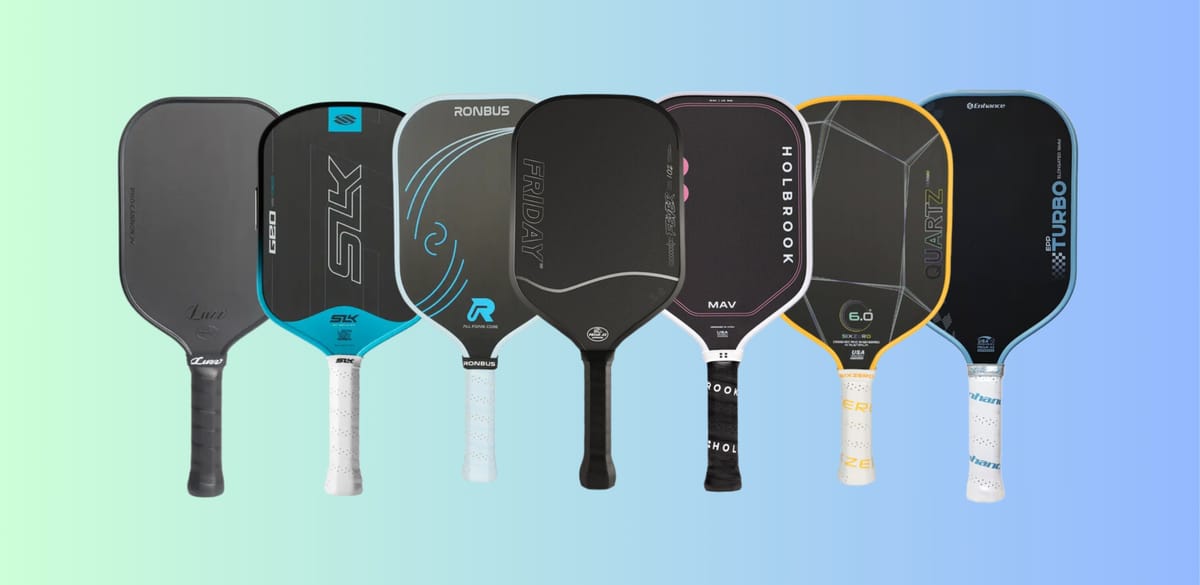
Cheap Pickleball Paddles: 7 Best Under $100
Reputable brands like Selkirk, Holbrook, Enhance, Six Zero, and more now offer high-tech paddles under the $100 mark.
 The Dink PickleballAlex E. Weaver
Putting It All Together in Match Play
The short hop in the midcourt will get you into the kitchen. It will handle off-pace balls. It will handle hard balls. And It gives you versatility through the transition zone that's essential for leveling up your game.
Start by practicing with a partner who can vary the pace, height, and spin. Don't worry about making every shot.
Focus on the technique:
- Get low
- Preset your wrist
- Keep your paddle face closed
- Let your shoulder do the work
Once the mechanics become automatic, you'll find yourself using the short hop pickleball technique in matches without even thinking about it.
Heads up: hundreds of thousands of pickleballers read our free newsletter. Subscribe here for cutting edge strategy, insider news, pro analysis, the latest product innovations and more.
Frequently Asked Questions
What's the difference between a short hop and a volley?
A short hop is hit after the ball bounces, while a volley is hit before the bounce. The short hop is often easier because the ball loses pace when it bounces, giving you more time to react and control the shot.
Can I use the short hop from anywhere on the court?
The short hop is most effective in the transition zone between the baseline and the kitchen line. You can technically use it anywhere, but it's most valuable when you're trying to move forward and take control of the point.
How do I know if I'm presetting my wrist correctly?
Your wrist should feel locked in place before you hit the ball. If you're moving your wrist during the shot, you're doing it wrong. Practice in front of a mirror or have someone film you to check your form.
What if the ball is too close to my feet?
If the ball lands extremely close to your feet, you might need to slice it instead of attempting a short hop. The short hop pickleball technique works best when you have a few inches of space to work with.
Generally yes, especially when you're learning. Aiming for the left foot (for right-handed players) keeps your paddle face closed and reduces the risk of errors. As you improve, you can expand your target areas.
Anuncie Aqui / Advertise Here
Sua marca para o mundo Pickleball! / Your brand for the Pickleball world!


 English (US) ·
  Portuguese (BR) ·