
 English
  Spanish
  Portuguese
  German
  Italian
  Japanese
  French
  Polish
  Russian
  Netherlands
  Hungarian
  Turkish
  Videos
  Thedink Pickleball

Most of the time in transition, you're working from low to high, placing the ball into the kitchen rather than trying to end the point immediately. Patience here pays off.
The transition zone is where pickleball matches are won and lost.
It's that awkward middle ground between the baseline and the kitchen line, and most players treat it like a minefield. Coach Jess from Athena Pickleball breaks down four tactical mistakes that are costing you points in this critical area, and more importantly, how to fix them.
Love pickleball? Then you'll love our free newsletter. We send the latest news, tips, and highlights for free each week.
1. Rushing Through the Zone (And Losing Your Balance)
The biggest mistake players make in transition is moving too fast. You're sprinting to the net like your life depends on it, but that speed works against you. When you're rushing, you can't make solid contact with the ball, and you're vulnerable to anything your opponent throws at you.
The fix is the split step. As you move through transition, you need to pause and reset your feet just before your opponent hits the ball. Think of it like hopscotch: step forward, then jump both feet to either side. This creates a soft knee position where your weight is balanced and you're ready to react.
You're not trying to be fast; you're trying to be stable. Hit a reset or counter from a balanced position, and you'll control the point instead of scrambling.
Four Amateur Pickleball Habits Sabotaging Your Game
Your pickleball game might be better than you think, but four sneaky amateur habits could be holding you back from reaching the next level.
 The Dink PickleballThe Dink Media Team
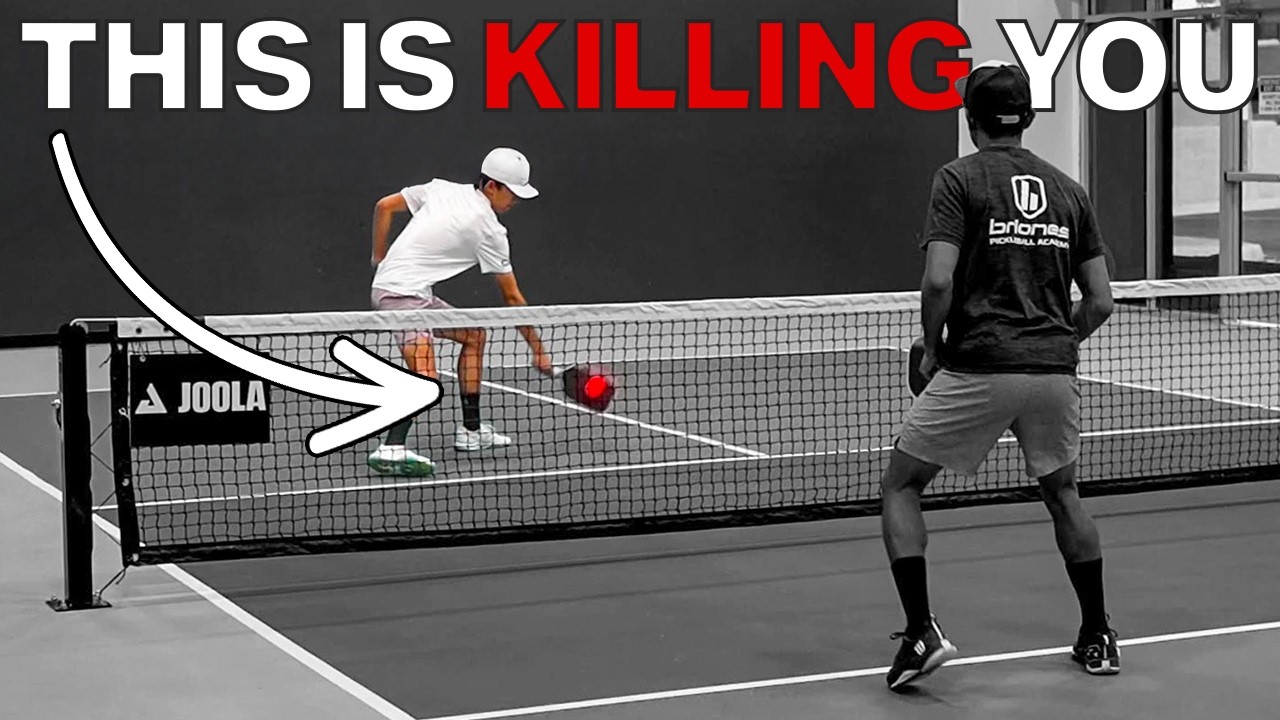
2. Hitting a Good Reset and Then Just Watching It
You finally get that perfect reset into the kitchen. The ball lands softly at your opponent's feet. And then you just stand there admiring your shot like you've already won the point. That's a missed opportunity.
If you hit a reset and stay back, you're stuck in the same position when the ball comes back.When you hit a good reset, that's your green light to move forward. The whole point of resetting in transition is to neutralize the ball so you can advance to the kitchen line.
Recognize that a good reset is a cue to move in with your partner. Often, that next ball will be something you can attack. Don't waste the work you just did.
3. Forcing Offense When You Should Be Dropping
Here's where a lot of 3.5 players go wrong: they see a ball in transition and immediately try to speed it up or attack it. The result? Either the ball goes out by a mile, or it comes back hard and low, right at your feet.
The key is understanding ball height.
If the ball is low through transition, your job is to drop it into the kitchen, not attack it. You can reset it out of the air or off the bounce, but keep it soft. If the ball comes higher, that's when you look to attack.
Most of the time in transition, you're working from low to high, placing the ball into the kitchen rather than trying to end the point immediately. Patience here pays off.
The Critical Kitchen Line Skill Most Rec Pickleball Players Are Missing
By attacking the ball in the air, you’re stealing time from your opponents and shifting the dynamic of the rally in your favor
 The Dink PickleballThe Dink Media Team
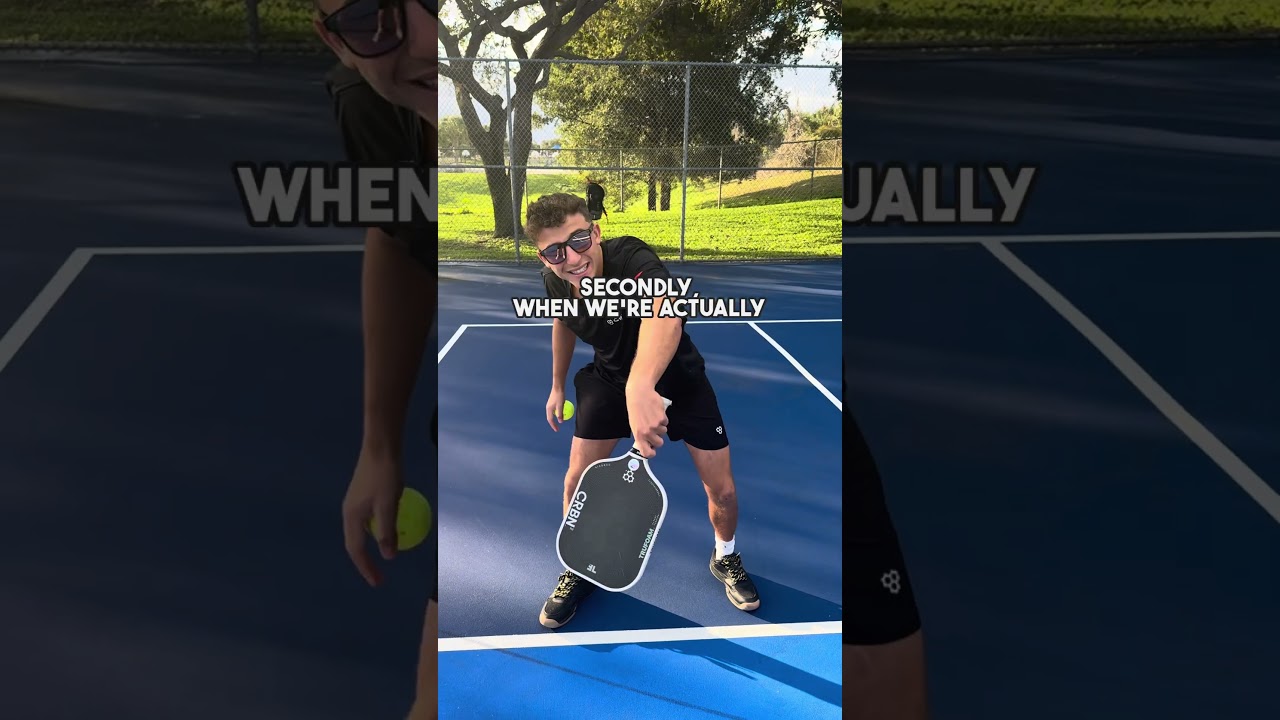
4. Ignoring What Your Opponent Is Doing
You're so focused on getting through transition that you're not watching your opponent's paddle. That's a huge mistake. The height and position of their paddle tells you everything you need to know about what's coming next.
If their paddle is up high, they're hitting down, so prepare to reset. If their paddle is low and they have to hit up, that's a green light to move forward and look for an attack. If their paddle is central, expect a ball with forward trajectory that you might reset.
Beyond that, pay attention to forehands and backhands. A forehand naturally goes across the body, so the ball is more likely to come middle or cross-court. A backhand is harder to redirect up the line, so it usually goes across the body too. Watch the pros; they're reading these cues constantly. You should be too.
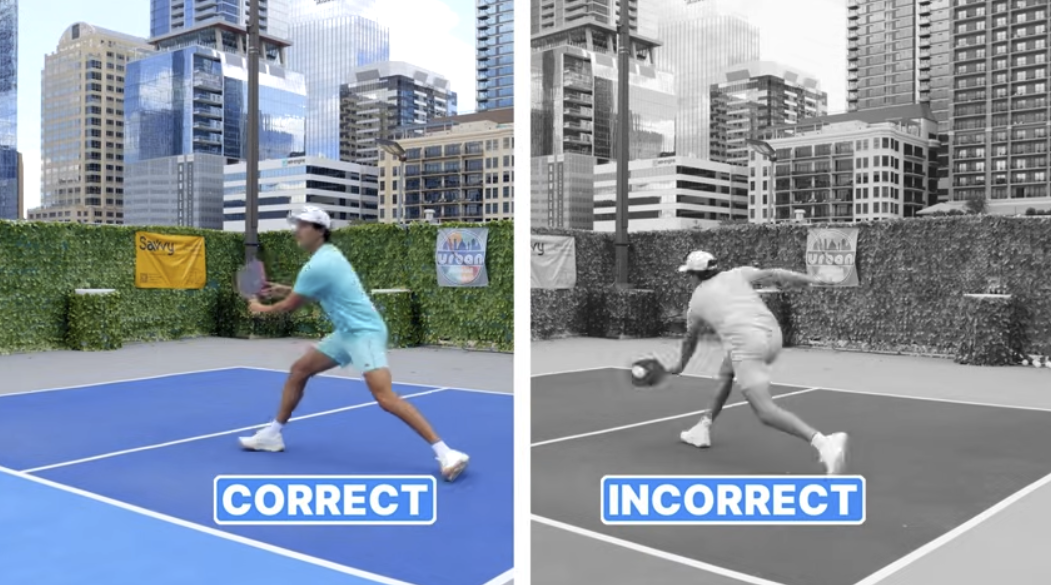
Win the Transition Zone: The Modern Pickleball Guide to Midcourt Aggression
While traditional coaching has long emphasized getting to the kitchen line as quickly as possible, modern pros are turning midcourt aggression into unexpected offensive opportunities
 The Dink PickleballThe Dink Media Team
Anuncie Aqui / Advertise Here
Sua marca para o mundo Pickleball! / Your brand for the Pickleball world!




 English (US) ·
  Portuguese (BR) ·