
 English
  Spanish
  Portuguese
  German
  Italian
  Japanese
  French
  Polish
  Russian
  Netherlands
  Hungarian
  Turkish
  Videos
  Thedink Pickleball

The backhand flick is one of pickleball's most dangerous offensive weapons, but most players never master it. Mari Humberg breaks down exactly how to hit a backhand flick with proper technique, grip selection, and court positioning.
Learning how to hit a backhand flick separates casual players from serious competitors.
This shot has become increasingly important at higher levels of play, yet many players avoid it entirely because they think it's too difficult or requires exceptional strength. The truth? It doesn't.
Mari Humberg, one of the best pickleball players in the world and a PPA Tour competitor, recently broke down the exact mechanics of this dangerous shot in a comprehensive tutorial.
Her insights reveal that the backhand flick isn't about power. It's about positioning, recognition, and feel.
Love pickleball? Then you'll love our free newsletter. We send the latest news, tips, and highlights for free each week.
The Foundation: You Need to Earn the Flick First
Before you can even think about hitting a backhand flick, you need to understand when this shot actually becomes available. This is where most players get it wrong.
"The first question I ask people is: how often do you make it up to the kitchen line?" Humberg explains. If you're not consistently advancing to the net, you'll never get the high ball needed to execute this shot.
✅ The backhand flick is a bonus shot, something you add to your game only after you've mastered the fundamentals.
Here's what needs to happen first:
- You hit a good dink
- Recognize that your opponent is struggling with it
- You move forward aggressively
This positioning is critical. Many players try to flick from deep in the court, which makes the shot exponentially harder. You need to be at or near the kitchen line.
Humberg emphasizes the importance of what she calls "setting yourself up." When you hit a deep dink and your opponent sends it back, you can't just stay where you are. You need to come forward, ready to attack. This isn't about deciding before the point that you're going to flick, it's about recognizing the opportunity as it develops and being in position to capitalize on it.
Reading the Dink: The Art of Recognition
The second critical element is recognizing when you've earned a flick opportunity. Not every dink creates a flick chance, and understanding the difference is what separates elite players from everyone else.
Humberg's signature weapon is her heavy slice dink. When she hits this shot, opponents often have to get under the ball or adjust their positioning awkwardly. That's when she knows she can sneak forward and attack. But if she hits a dead dink, one that sits up nicely for her opponent, she backs up slightly and stays ready to defend.
The key insight here is constant awareness. You're not just thinking about your own shots; you're also watching your partner's dinks. If your partner hits a great dink, they've set you up to attack. You need to be ready regardless of who hit the ball.
"Don't just admire the great shot that you hit," Humberg warns. This is a common mistake. Players hit a good dink, watch it sail over the net, and by the time they realize their opponent is struggling, it's too late to move forward. You need that quick reaction, to recognize and move simultaneously.
💡
Need some new pickleball gear? Get 20% off select paddles, shoes, and more with code THEDINK at Midwest Racquet Sports
Targeting Your Attack: Five Spots to Master
Once you've earned the flick and you're in position, the next question is: where do you aim? Humberg identifies five distinct target zones for the backhand flick, and understanding these spots transforms the shot from a wild gamble into a calculated attack.
The five targets are:
- Right hip of the player in front of you
- Cross-body (middle area)
- Middle of the court
- Full cross-court angle
- Short angle
Each target creates a different problem for your opponent. The right hip forces them to cover their body. The cross-body and middle shots split the court. The full cross-court and short angle are the most difficult to defend because they require significant court coverage.
For beginners, Humberg recommends starting with just two targets: the left hip and the middle. These are the easiest to learn first and the most effective at creating uncomfortable positions for your opponent. The short angle and inside line shots are significantly harder and should come later as your feel improves.
Here's the thing: you're not trying to win the point with the flick itself. This is a setup shot.
Your goal is to hit an aggressive ball that forces your opponent into a weak position, then finish the point on the next ball. That mindset shift changes everything about how you approach the shot.
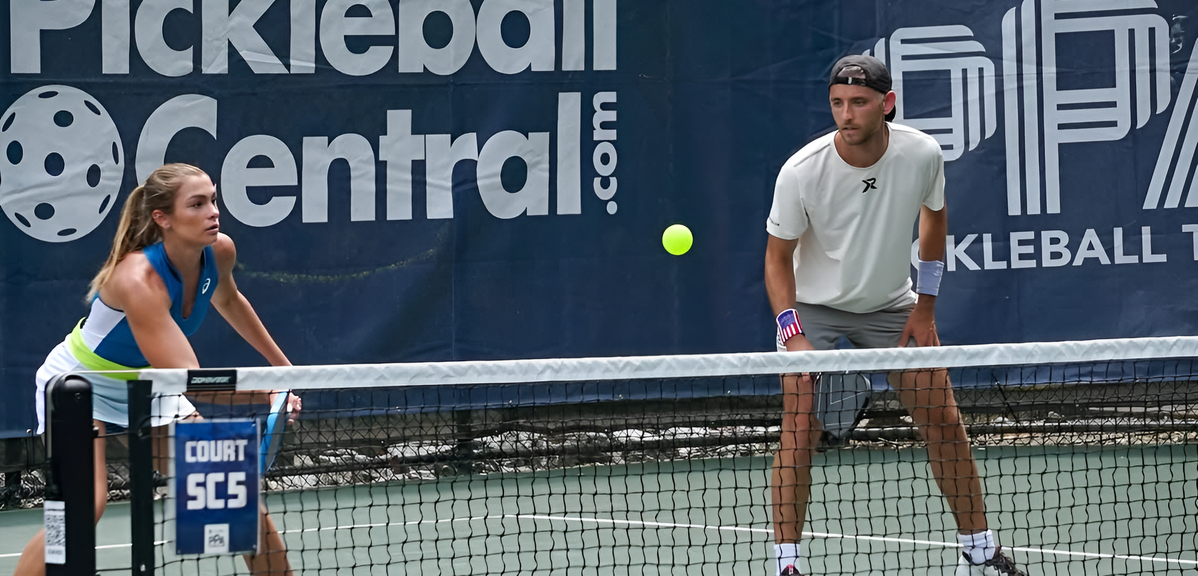
Attack the Right Spots: Win More Points in Pickleball
You can’t go to the same spot every single time you go on offense – eventually, your opponent will catch on. And make you pay for it.
 The Dink PickleballEric Roddy
Grip Selection: Start Conservative, Progress Gradually
The grip you use for your backhand flick matters more than most players realize. Different grips offer different advantages, and choosing the right one depends on your skill level and what you're trying to accomplish.
Humberg recommends three grip options, arranged from most controlled to most volatile:
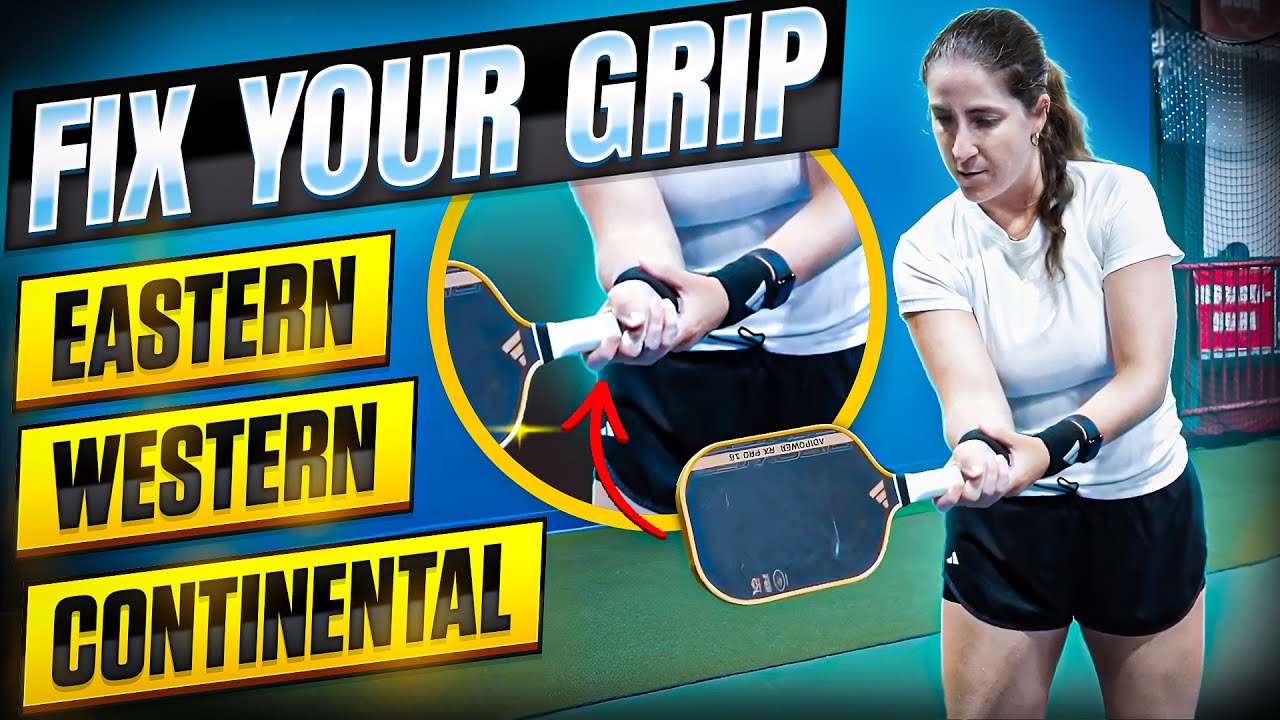
- Continental grip is the most controlled option. It allows you to vary spin and pace more effectively, giving you maximum control over the shot. This is the best starting point for new players.
- Eastern grip (or slightly between Eastern and Continental) offers more power and reach. You can hit the flick from a lower position, which is useful when the ball isn't as high as you'd like. However, this grip is more volatile and requires better feel.
- Western grip is possible but generally not recommended unless you have significant experience with the shot.
The key principle: the less skill you have, the less you should mess with volatility. Start with the continental grip and master the fundamentals before experimenting with other options. As your feel improves, you can gradually move toward the eastern grip for more aggressive attacks.
Humberg herself uses a grip between eastern and continental, giving her a balance of control and power. But she emphasizes that this comes after years of practice and thousands of repetitions.
The Three Pickleball Grips (& When to Use Them): Continental, Eastern & Western
Whether you’re crushing forehands from the baseline or executing delicate volleys at the kitchen line, your grip determines what’s possible.
 The Dink PickleballThe Dink Media Team
Flick vs. Roll: Understanding the Difference
Many players confuse the backhand flick with the backhand roll, and this confusion leads to poor technique and inconsistent results. Understanding the difference is fundamental.
- The roll uses shoulder rotation with no wrist movement. Your shoulder drives the shot, and your wrist stays relatively stable.
- The flick, by contrast, involves significant wrist movement. Your wrist flicks through the ball, generating topspin and creating that characteristic dipping motion.
This distinction matters because the two shots have different purposes.
- The roll is more of a defensive or neutral shot.
- The flick is an aggressive attack.
If you're trying to hit a flick but you're actually rolling the ball, you're not generating the topspin needed to make the shot effective.
Humberg demonstrates this clearly: the flick requires your paddle to start lower and move upward with a distinct wrist snap. The motion is quick and explosive, not smooth and flowing like a roll.
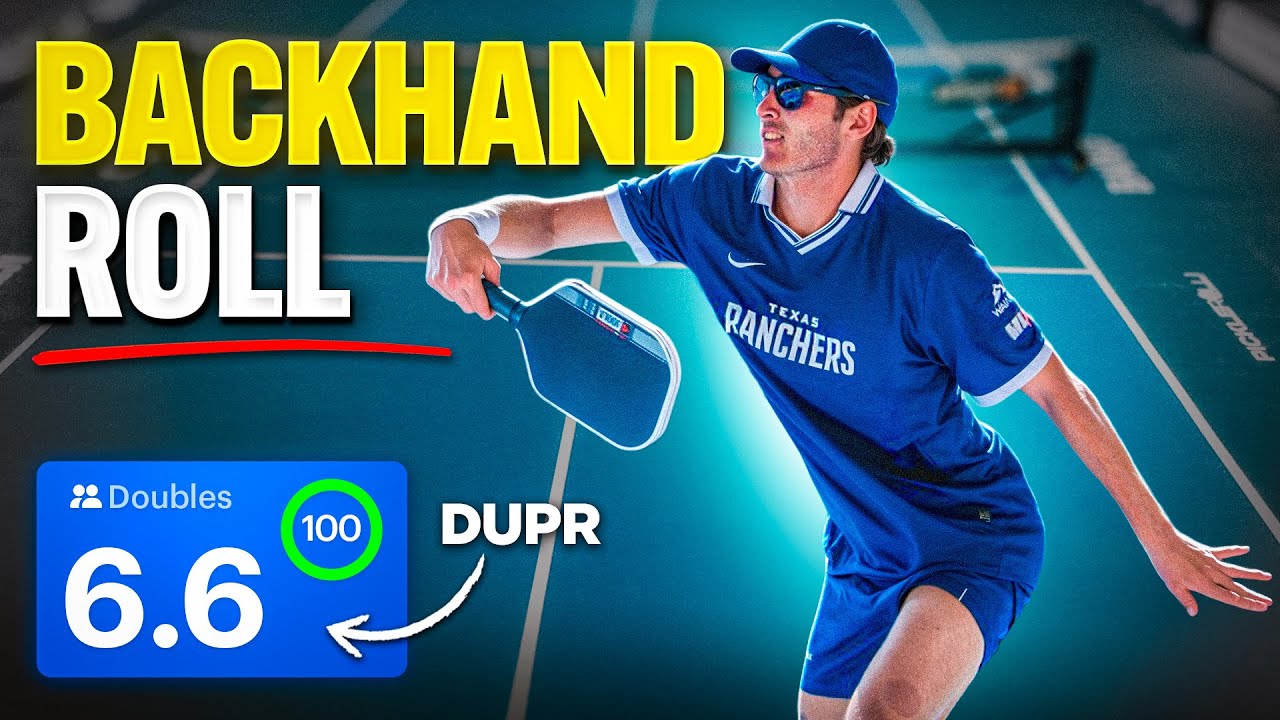
Master the Backhand Roll in Pickleball
This guide covers the exact form, positioning, and deceptive variations that make the backhand roll one of the most effective kitchen line attacks in modern pickleball.
 The Dink PickleballThe Dink Media Team
Why Women Are Adding the Flick to Their Game
Historically, the backhand flick has been more common among male players than female players. But that's changing, and Humberg explains why.
Women have traditionally relied more on two-handed shots, which limits reach and makes the flick harder to execute. Additionally, many women play further from the net, which makes attacking with a flick less practical. But as the game has evolved and players have started moving up more aggressively, more women are adding this shot to their arsenal.
Humberg is clear on one point: it's not a strength issue. "I'm not that strong," she says, and she's right. The flick requires wrist strength and feel, not raw power. She even wears a brace for wrist issues she's had since her tennis days, yet she's one of the best at executing this shot.
The barrier isn't physical capability, it's familiarity and practice. As more women see the flick being used effectively at the professional level, more are willing to invest the time to learn it.
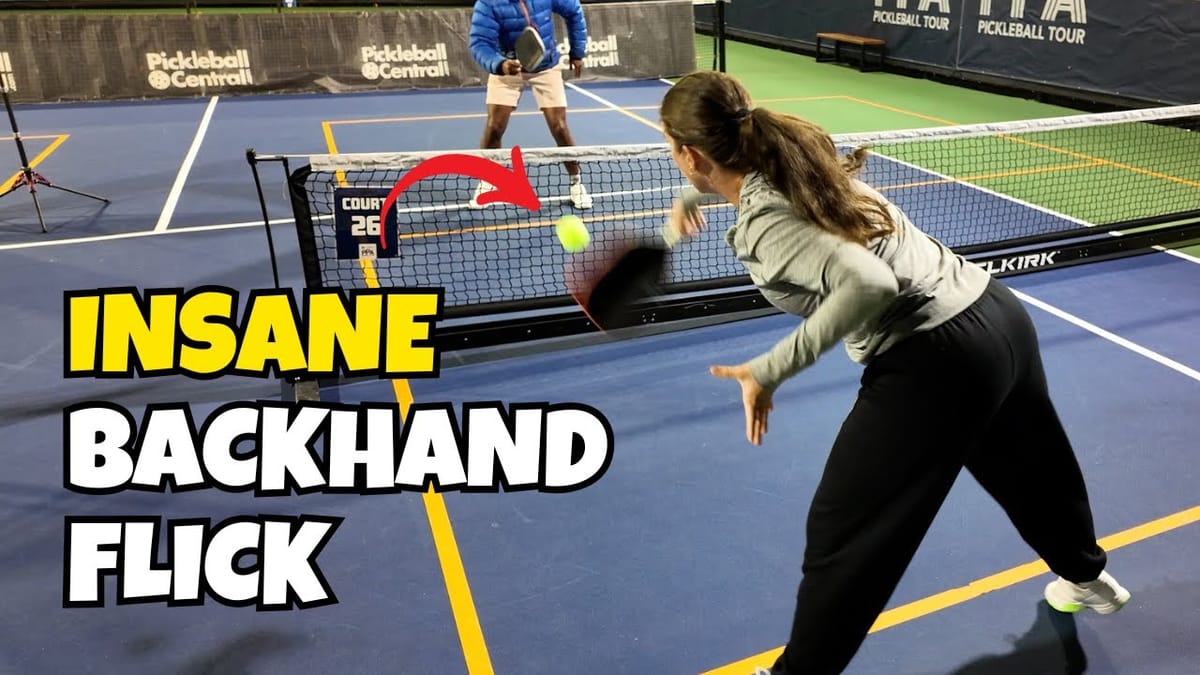
Dominate Your Friends with This Backhand Flick
Mari Humberg’s backhand flick is a precise, spin-focused shot that relies on controlled wrist motion and strategic placement to catch opponents off guard and set up winning plays.
 The Dink PickleballJason Flamm
Teaching a 10-Year-Old: What We Learned
One of the most revealing parts of Humberg's tutorial involves teaching how to hit a backhand flick to Charlie, a 10-year-old who had never attempted the shot before. The session offers valuable lessons for players of any age.
- The first breakthrough came when Humberg had Charlie practice the motion against the net itself, without a ball. This allowed Charlie to feel the proper wrist movement and understand the mechanics without the pressure of hitting a moving target. Once the motion was ingrained, adding the ball became much easier.
- The second key insight was about paddle position. Charlie initially started the flick from a roll position (paddle down), which limited her ability to generate rotation. By starting the paddle further back and diagonal, she could create more topspin and power.
- The third lesson was about reach and extension. Charlie was uncomfortable reaching out in front of her body because she was used to hitting with two hands. Humberg encouraged her to exaggerate this extension, hitting the ball way out in front. This created better leverage and more effective topspin.
By the end of the session, Charlie was hitting solid flicks with good topspin. She wasn't perfect, but she understood the fundamental mechanics. The takeaway: age doesn't matter. With proper instruction and repetition, anyone can learn this shot.
Heads up: hundreds of thousands of pickleballers read our free newsletter. Subscribe here for cutting edge strategy, insider news, pro analysis, the latest product innovations and more.
The Mental Game: Off-Pace Attacks
Here's something that separates good flick players from great ones: the backhand flick doesn't need to be powerful. In fact, hitting it at full pace can actually hurt your consistency and increase injury risk.
Humberg hits most of her flicks off-pace. This might sound counterintuitive, why would you attack with a slower shot? But it makes sense when you understand the purpose. You're not trying to hit a winner. You're trying to create an uncomfortable position that sets up your next shot.
An off-pace flick is actually harder to defend against because it disrupts your opponent's timing. They're expecting pace, and instead they get a slower ball with heavy topspin that dips into the court. This forces them to adjust, often resulting in a weak return that you can finish.
This approach is especially valuable for older players or anyone with wrist concerns. You don't need to generate power through speed; you generate it through spin and placement. Humberg demonstrates this beautifully, hitting flicks that barely clear the net but land deep in the court because of the topspin.
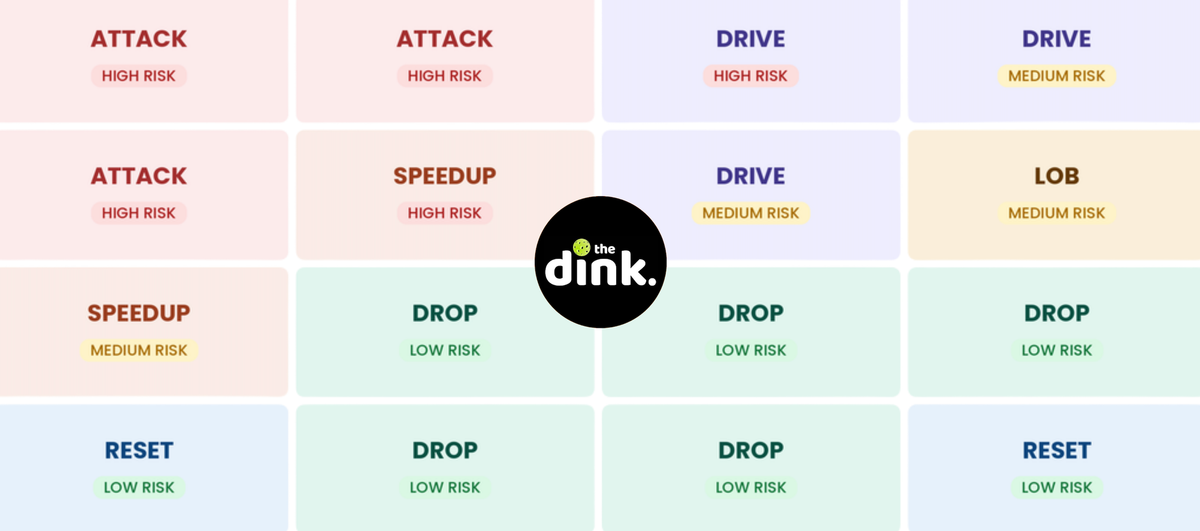
Decision Matrix: When to Attack or Reset in Pickleball
Pickleball is really all about two key factors: your court positioning and the height of the ball. This matrix decodes the game for you.
 The Dink PickleballThe Dink Media Team
Frequently Asked Questions
What's the difference between a backhand flick and a backhand roll in pickleball?
The backhand flick involves wrist movement and generates topspin, making it an aggressive attacking shot. The backhand roll uses shoulder rotation with minimal wrist movement and is more of a neutral or defensive shot. The flick dips into the court due to topspin, while the roll travels in a flatter trajectory.
Do I need to be strong to hit a backhand flick?
No. The backhand flick requires wrist strength and feel, not overall body strength. Many players with wrist issues successfully hit flicks by focusing on technique rather than power. The shot is about spin and placement, not raw power.
When should I start learning the backhand flick?
Only after you've mastered the fundamentals of dinking and court positioning. You need to be consistently reaching the kitchen line and recognizing when you've earned a high ball. The flick is a bonus shot, not a foundational skill.
What grip should I use for a backhand flick?
Start with the continental grip if you're new to the shot. It offers the most control. As your feel improves, you can experiment with a grip between eastern and continental for more power and reach. Avoid extreme grips until you have significant experience.
Can a 10-year-old learn to hit a backhand flick?
Yes. Age doesn't determine the ability to learn this shot. What matters is proper instruction, understanding the mechanics, and repetition. Starting with motion drills against the net (without a ball) helps younger players develop feel before adding the complexity of a moving target.
Anuncie Aqui / Advertise Here
Sua marca para o mundo Pickleball! / Your brand for the Pickleball world!


 English (US) ·
  Portuguese (BR) ·