
 English
  Spanish
  Portuguese
  German
  Italian
  Japanese
  French
  Polish
  Russian
  Netherlands
  Hungarian
  Turkish
  Videos
  Thedink Pickleball

Beating a higher rated pickleball player isn't about matching their power shot for shot, it's about playing a smarter, more disciplined game than they expect. This guide breaks down the proven strategies that give you the best chance of pulling off the upset.
Beating a higher rated pickleball player is not about overpowering them . It's about making them uncomfortable until they make mistakes.
That's the whole game plan, and if you keep reading, you'll understand exactly how to do it.
Want to beat higher rated pickleball player competition? Accept this first: higher-rated players are better than you in at least one area. Maybe several.
But "better" doesn't mean "unbeatable." Every pro has a weak side. Every 5.0 player has a pattern they lean on.
Every 4.5 in your Tuesday night round-robin has a backhand they're not thrilled about. Your job is to find it, exploit it, and stay patient while you do.
Love pickleball? Then you'll love our free newsletter. We send the latest news, tips, and highlights for free each week.
Why Do Higher Rated Players Keep Winning, Anyway?
The answer isn't what most people think. It's not purely speed, power, or even shot selection.
Higher-rated players win because they make fewer unforced errors. Full stop.
According to USA Pickleball's skill rating framework, the difference between a 3.5 and a 4.0 player comes down primarily to consistency and shot placement under pressure. Not raw athleticism.
In MLP Debut, Casey Diamond Makes SportsCenter Top 10 Twice
His unfathomable behind-the-back winner is an instant favorite for pro pickleball shot of the year
 The Dink PickleballAlex E. Weaver

That changes your approach entirely. If you're trying to beat a higher rated pickleball player by outgunning them, you've already lost.
The better play is to reduce your own errors, extend rallies, and let them feel the pressure of a closer match than they expected.Think about it from their side: they walked on the court expecting a win.
When you're still in the match at 7-7, their head starts doing things. That's the window you're looking for.
Check out our breakdown of how positioning affects shot quality. A lot of "bad shots" are actually bad court position in disguise.
How to Beat a Higher Rated Pickleball Player at the Kitchen Line
Get to the kitchen line first, and stay there. This is not negotiable.
The non-volley zone line is where points are won, and higher-rated players know it better than anyone.
If you let them settle into the kitchen while you're stuck in no-man's-land, you'll be lobbed, angled, and sped up until you fold.
Your transition game matters more than your power game. Every serve and return should be designed to get you to the kitchen in two shots.
Deep serves, deep returns, a reliable third shot drop, and you're in position to compete.
Once you're there, commit to the dinking exchange. Don't panic-drive when the rally gets long.
That's exactly what a higher-rated player wants: an excuse to reset the dynamic and punish your pace.
JW Johnson's unusual dinking technique is a great study in how elite players use patience as a weapon. The dink is your equalizer. Use it.
Learn to position yourself correctly at the kitchen. Your feet placement alone can take away a higher-rated player's best angles.
💡
Need some new pickleball gear? Get 20% off select paddles, shoes, and more with code THEDINK at
Midwest Racquet SportsThe Reset: Your Most Underrated Weapon Against Better Players
Here's the thing about resets: most players know what they are but almost nobody practices them until it's too late.
A reset is any shot designed to neutralize an attackable ball and bring the point back to a neutral dinking exchange.
It's not flashy. It won't get a highlight. But it might be the single most important shot for learning how to beat a higher rated pickleball player.
When a higher-rated player speeds up on you, your instinct is to counter hard. Resist it.
A reset gives you time, defuses the attack, and frustrates opponents who expect to win rallies with pace.
Resets done right start with a soft grip, a compact backswing, and a contact point in front of your body.
Practice this at the pressure zone, that mid-body zone between your knees and shoulders where pace is hardest to neutralize.
Get comfortable there, and you'll take away one of the biggest advantages a 4.5 or 5.0 player holds over you.
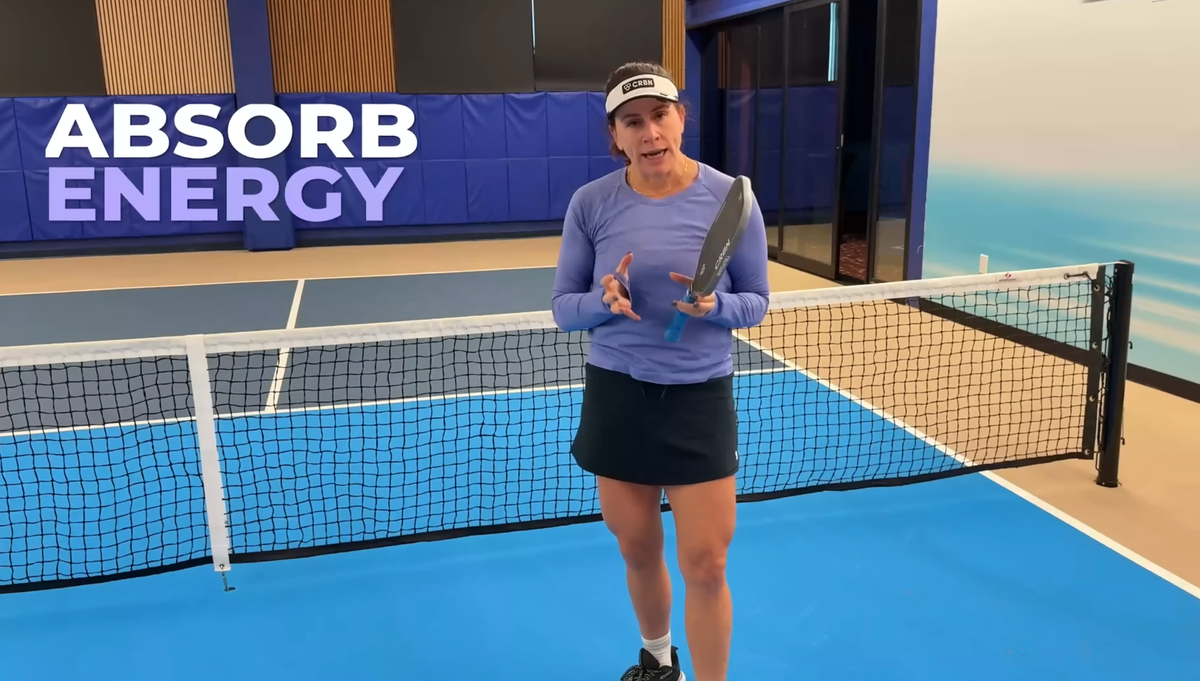
The Pickleball Reset: The One Skill That Takes You Beyond 3.5
By softening pace, controlling trajectory, and stabilizing through transition, players can use the reset to regain the kitchen and compete with stronger opponents
 The Dink PickleballThe Dink Media Team
What Shot Patterns Actually Work Against Stronger Players?
Stack your strategy around one theme: keep them moving laterally.
Higher-rated players are good at most shots, but nobody loves a ball that jams them at the hip or pulls them wide on a dead sprint.
Your best weapon isn't a harder drive. It's a better-placed one.
Here's what consistently works:
- Attack the backhand. Most recreational players, even highly rated ones, have a backhand they'd rather not use under pressure. Hit it early, note the quality of the response, and keep returning to it. Use your return slice to keep the ball low and force a weak reply.
- Use the lob when they crowd the kitchen. Better players tend to lean into the non-volley zone line aggressively. A well-disguised lob flips that aggression against them.
- Change pace deliberately. Don't just play fast or slow. Alternate. Soft dink, soft dink, sudden speed-up. Higher-rated players read patterns. Breaking rhythm is a legitimate tactic, not a lucky shot.
- Serve and return deep, every time. A short serve is a gift. A short return is worse. Advanced serve placement near the kitchen can force errors before the point even starts.
Running solo pickleball drills to ingrain these patterns is how you make them automatic under match pressure, not just things you know about.
3 Patterns That Separate Good Pickleball Players From Great Ones
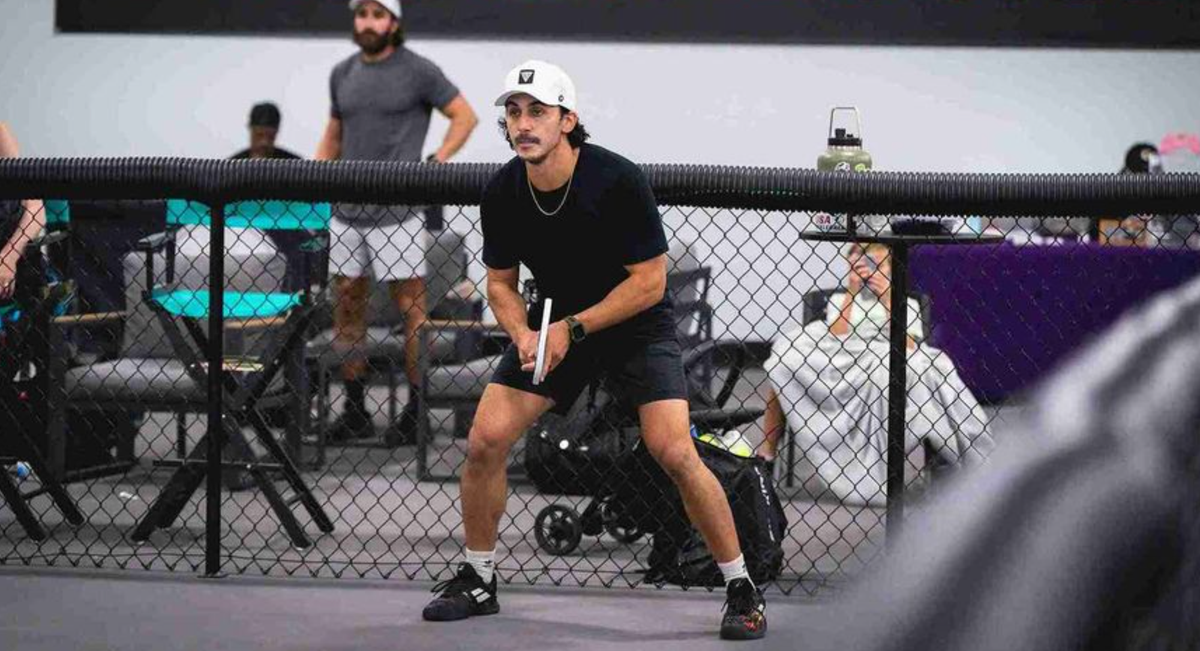
The gap between good and great pickleball players comes down to three repeatable patterns that create pressure instead of reacting to it
 The Dink PickleballThe Dink Media Team

Does Mental Game Actually Matter When You're the Underdog?
It matters more than your backhand. The biggest reason underdogs lose close matches is not skill. It's decision-making under pressure.
When you're tight, you aim for the line. When you're free, you aim for the middle. Guess which one leads to more errors.
One of the clearest patterns in upsets across pickleball: the upset winner plays their game rather than trying to match the favorite shot-for-shot.
Watch how Zane Navratil beat the Johns brothers and you'll see it immediately. Navratil didn't try to dink better than Ben Johns.
He played high-pressure, fast-transition pickleball until the Johns had to adjust to him.
That's the mindset.
Every attempt to beat higher rated pickleball player opponents comes down to this: go into the match with a clear game plan, execute it regardless of the score, and understand that a close loss is actually a win for your development.
Tight matches at higher ratings are where your game evolves fastest.
For doubles players specifically, the mental side is compounded by the need for simple team coordination. Two nervous players make twice the bad decisions.
Pickleball Mental Game: Stay Calm Under Pressure and Win
The mental game competitive pickleball demands is just as important as your backhand or your third shot drop. Learn how top players stay calm under pressure, reset after errors, and build the focus that wins matches.
 The Dink PickleballThe Dink Media Team
How to Find and Exploit Weaknesses Fast
You don't have hours of film study in a recreational match. You have three to five shots. Here's how to scout efficiently:
- Serve to both sides in the first game and note which return looks more comfortable.
- Initiate speed-ups to the backhand, then the forehand, and compare the response quality.
- Drop a short ball early in the match and see how they move forward. Some high-rated players have surprisingly weak transition footwork.
- Watch what they do when they're ahead. Comfortable players default to their favorite shot. Find it, then take it away.
Check your DUPR rating after matches like these.
Competing against higher-rated players consistently will push your number upward faster than anything else. That's the whole point of the system.
How to Read Your Opponent’s Eyes and Poach More Balls in Doubles Pickleball
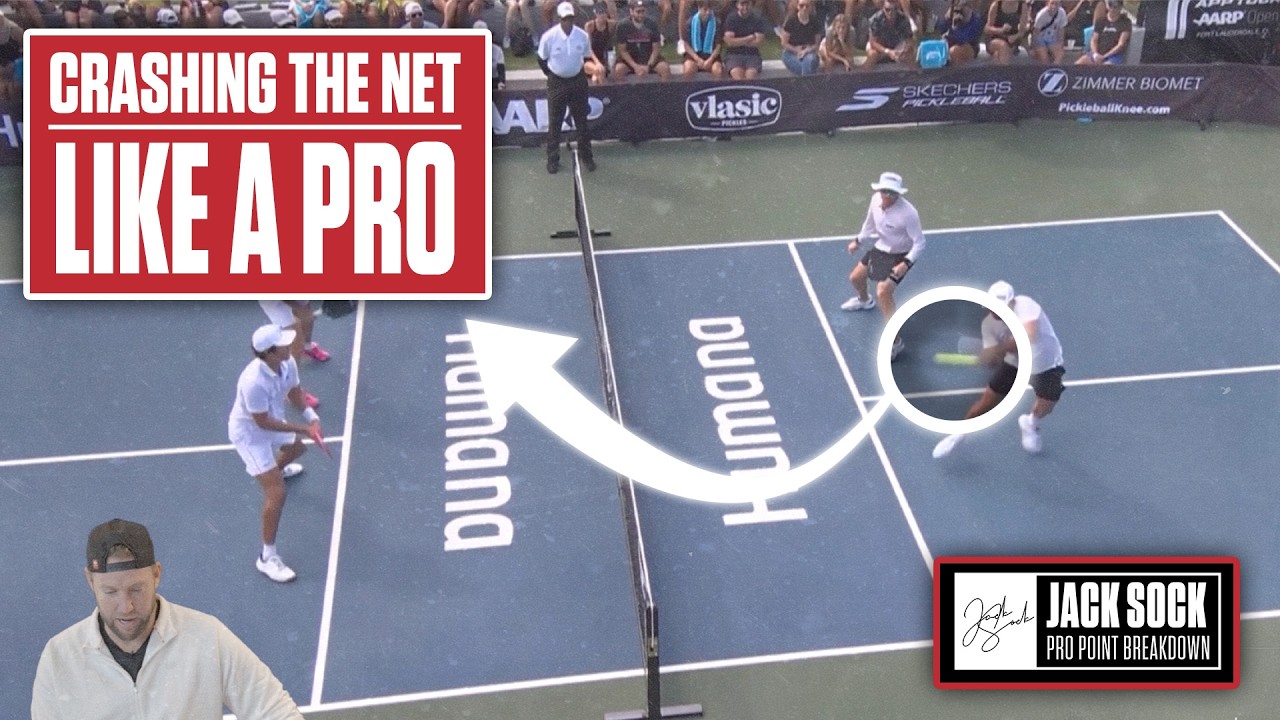
The key to winning many pickleball points isn’t just quick reflexes; it’s reading what your opponent is about to do before they do it
 The Dink PickleballThe Dink Media Team
Key Takeaways
- Target the higher-rated player's weakest shot early and return to it consistently
- Control the kitchen line ; superior positioning beats superior athleticism most of the time
- Slow the game down with resets and dinks; speed is where higher-rated players thrive
- Serve and return deep to keep pressure on from the very first shot
- Manage your mental game ; tight players make tight decisions, and tight decisions get punished
💡
Heads up: hundreds of thousands of pickleballers read our free newsletter.
Subscribe herefor cutting edge strategy, insider news, pro analysis, the latest product innovations and more.
Frequently Asked Questions
Can you really beat a higher rated pickleball player consistently?
Yes, but "consistently" is doing a lot of work in that sentence. Beating a higher rated pickleball player in a single match is absolutely achievable with the right strategy, particularly if you control the kitchen line, keep errors low, and exploit specific weaknesses. Doing it consistently requires closing the actual skill gap through deliberate practice, not just tactical adjustments.
What is the biggest mistake players make against higher-rated opponents?
Trying to match pace with a better player. Most lower-rated players get nervous, start swinging harder to end points quickly, and hand the higher-rated player easy put-aways. The better approach is to slow everything down, reset aggressively, and force them into longer rallies where consistency matters more than power.
How does DUPR rating work, and why does it matter for matchups?
DUPR (Dynamic Universal Pickleball Rating) is the most widely used skill rating system in competitive pickleball. It calculates your rating based on match results against all skill levels, weighted by opponent rating. Playing higher-rated players and keeping matches close, even in a loss, will improve your DUPR faster than beating lower-rated players repeatedly.
Should I change my game plan against a much higher-rated player?
Yes, but not radically. Start with your standard game and scout for weaknesses in the first few points. The adjustments you make should be targeted: attack a specific side, change pace at a specific moment, rather than wholesale changes that disrupt your own rhythm. Staying comfortable in your system while making surgical adjustments is the most sustainable approach.
Is it better to play up in rating to improve faster?
Absolutely. Research on skill acquisition in racket sports consistently shows that playing against superior competition accelerates development by exposing weaknesses you can't see in matched-level play. A 2025 review in the Journal of Sports Sciences on contextual interference and motor learning confirms that variable, challenging practice environments produce faster long-term gains than blocked, comfort-level practice. Playing against better players is uncomfortable by design. That's the point.
Anuncie Aqui / Advertise Here
Sua marca para o mundo Pickleball! / Your brand for the Pickleball world!





 English (US) ·
  Portuguese (BR) ·