
 English
  Spanish
  Portuguese
  German
  Italian
  Japanese
  French
  Polish
  Russian
  Netherlands
  Hungarian
  Turkish
  Videos
  Thedink Pickleball

Most players drill hands battles all wrong. Here is the exact pickleball hands battle drill that builds real speed and confidence at the kitchen line.
If you keep losing pickleball hands battles against higher-level players, the problem is almost certainly how you are practicing them.
Most recreational players spend their drilling time doing slow, cooperative volleys back and forth.
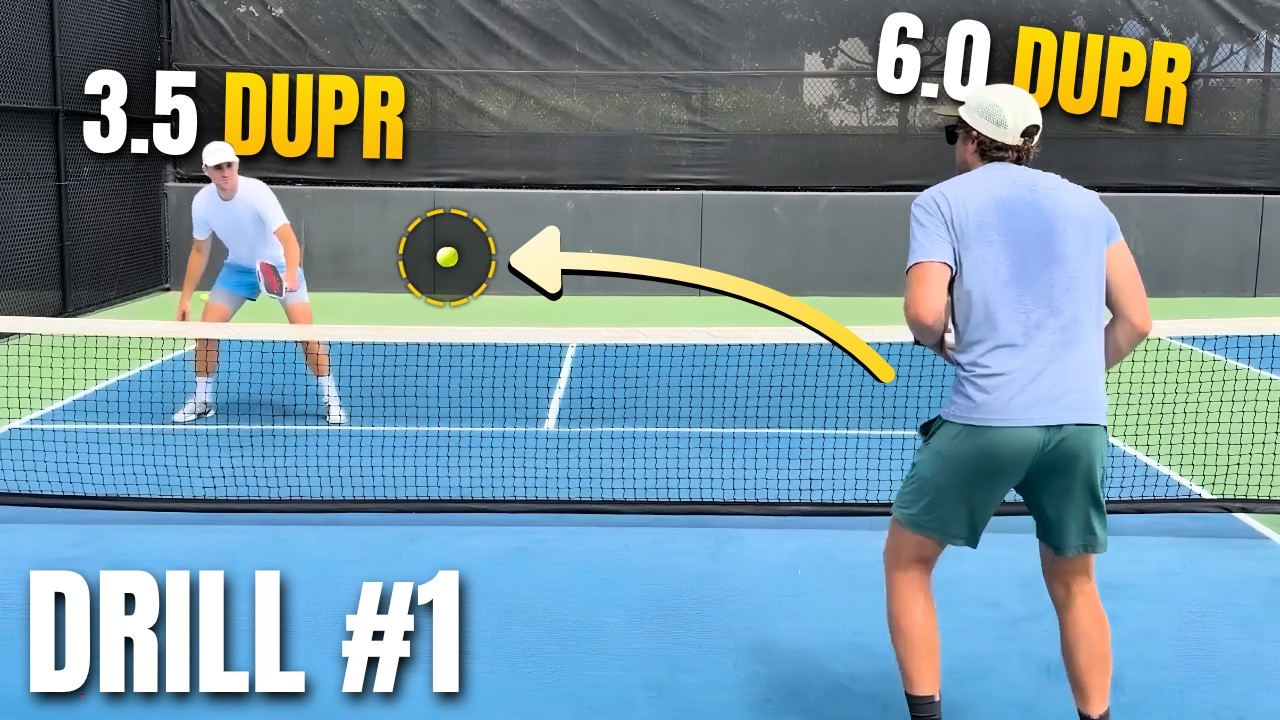
It feels productive. It is not preparing you for what actually happens in a real match.This breakdown comes from The Flying Pickle Academy on YouTube, where the coaches filmed a raw, unfiltered drill session to show you exactly what competitive hands battle training looks like in practice.
Love pickleball? Then you'll love our free newsletter. We send the latest news, tips, and highlights for free each week.
The Core Problem: Cooperative Drilling Creates False Confidence
Cooperative volley drills have a place in early skill development.
But if that is all you practice, you are training your hands for the wrong kind of exchange.
When the game speeds up against a 4.5 or 5.0 player, the ball is not coming at you with courtesy. It is coming hard, placed well, and designed to beat you.Your hands have been trained to manage soft, predictable balls. Reacting to a ball driven at your body at full pace is a completely different skill.
The fix is simple but uncomfortable: you have to practice losing before you start winning hands battles consistently.How the Flying Pickle Academy Actually Drills Hands Battles
The setup is straightforward. Two players stand 14 feet apart, which mirrors a realistic kitchen line distance in doubles play.
One player feeds a dead dink, a slow neutral ball, to start the point. That simulates the moment in a real match just before someone decides to speed things up.Then the feeding player drives the ball at full pace, and the exchange begins. Nobody is cooperating. Both players are trying to win the point.
That is the key shift. You are not keeping a rally going. You are competing inside the drill.
💡
Need some new pickleball gear? Get 20% off select paddles, shoes, and more with code THEDINK at
Midwest Racquet SportsWhy Does Starting with a Dead Dink Matter?
The dead dink start is not just a formality. It replicates the actual trigger point of a hands battle in a match.
In real games, speed-ups do not appear from nowhere. They emerge from a dinking exchange when one player decides the moment is right to attack.
If you want to know more about what pros look for before every speed-up, that context makes this drill even more effective.Starting from a dead ball forces both players to go through the full sequence: neutral ball, speed-up decision, exchange. That is exactly what happens in a point.
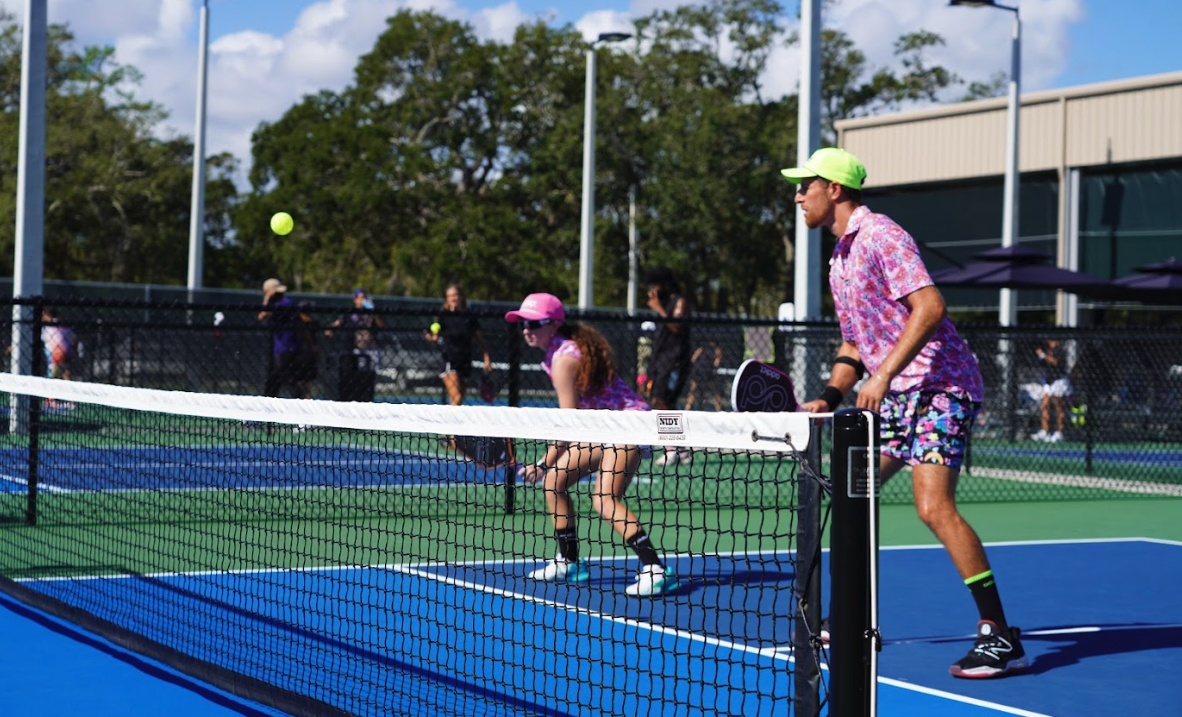
What Is a Dead Dink in Pickleball? How to Attack It
A dead dink in pickleball is essentially a gift shot from your opponent. This guide breaks down how to identify a dead dink and exactly how to attack it every single time.
 The Dink PickleballThe Dink Media Team
What You Are Actually Training
There are three specific things this drill builds that cooperative volleys simply cannot.
- Reaction speed under pressure. When someone is actively trying to beat you, your hands have to respond faster than when you are just keeping a ball in play.
- Confidence in live exchanges. Drilling cooperatively feels smooth. But smoothness does not transfer to chaos. Winning even one point in a competitive drill exchange builds a different kind of confidence than completing 50 cooperative volleys.
- Shot selection at pace. At full speed, you do not have time to think through your options. You need automatic responses, and the only way to build those is to practice at match pace.
Understanding how to volley and win hands battles starts with practicing them correctly.
The mechanics matter, but the practice environment decides whether those mechanics hold up under fire.
6 Progressive Pickleball Drills That Take You From 3.0 to 5.0
Most players want to jump straight to 5.0 skills before they have the fundamentals to support them. These six pickleball drills give you the exact progressions to build each part of your game in order.
 The Dink PickleballThe Dink Media Team
What Does Good Technique Look Like Inside This Drill?
Even in a competitive, full-pace drill, technique still matters. The difference is that technique has to work under stress, not just in controlled conditions.
A few things to focus on during the exchange:
- Keep your paddle up and in front. If you start a pickleball hands battle with your paddle low or to your side, you are already a step behind.
- Use compact swings. Big backswings kill you at close range, and the shorter the swing, the faster your reset or counter can happen.
- Place the ball, do not just survive it. The goal is to put the ball somewhere that makes your opponent's next shot harder. Good spot selection wins hands battles as much as raw speed does.
- Control your pace on the counter. Speeding up every ball is predictable. Mixing pace forces errors.
This connects directly to how speed-ups are supposed to work at the advanced level. The attack is only as good as your ability to finish or reset what comes back.
The 3-Zone Counter Technique for Winning Hands Battles at the Kitchen
Counters are point-winners. They’re aggressive shots that put your opponent on their heels. But they only work if you’re positioned correctly and thinking ahead.
 The Dink PickleballThe Dink Media Team
Is There a Wrong Way to Run This Drill?
Yes, and it is more common than you think.
The most frequent mistake is letting the drill drift back into cooperation.
One player mishits, the other slows down to help them out, and suddenly you are back to a cooperative exchange with no competitive pressure.
Keep it competitive from start to finish. If a ball is attackable, attack it. That is what your opponent will do in a match.A second mistake is drilling only with players who are slower than you. You will win most of those exchanges and feel good about it, but you will not grow.
Seek out players whose hands are faster than yours and prepare to lose a lot of short-term points for long-term gain.This is the same principle behind the fastest ways to improve at pickleball. Discomfort in practice creates comfort in competition.
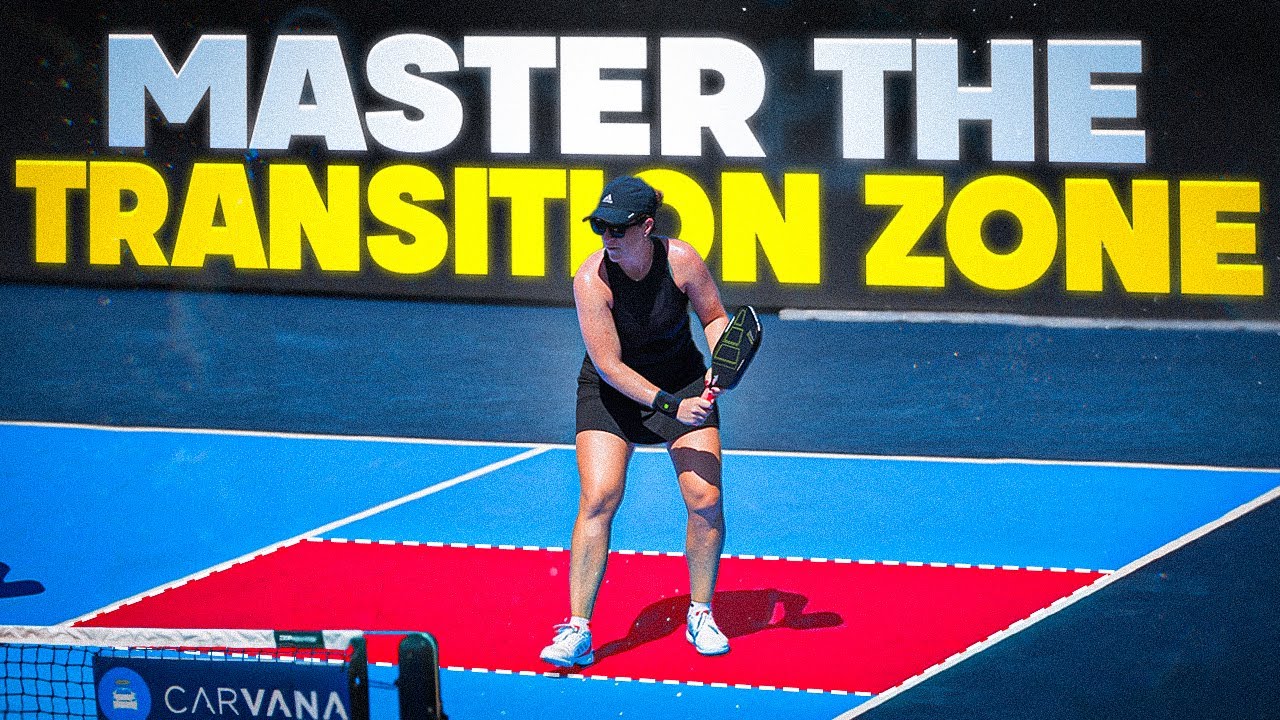
Why Most Pickleball Mistakes Come From the Transition Zone
Mari Humberg breaks down her complete transition zone drill sequence, featuring five essential drills that will transform how you move from baseline to kitchen. Master the transition zone drill and become a more complete pickleball player.
 The Dink PickleballThe Dink Media Team
Can You Add Variations to This Drill?
Once you are comfortable with the basic format, yes.
The Flying Pickle Academy showed one useful variation: after standard sets, they shifted to aerial exchanges with faster, higher balls.That variation tests a different skill set. Lower balls reward compact swings and resets, while higher balls invite attackable put-aways and overhead finishes.
Rotating between both formats in a single session gives you a more complete pickleball hands battle skill set.If you want to build the attack game that goes alongside it, understanding how to hit a forehand speed-up will make your initiation much sharper.
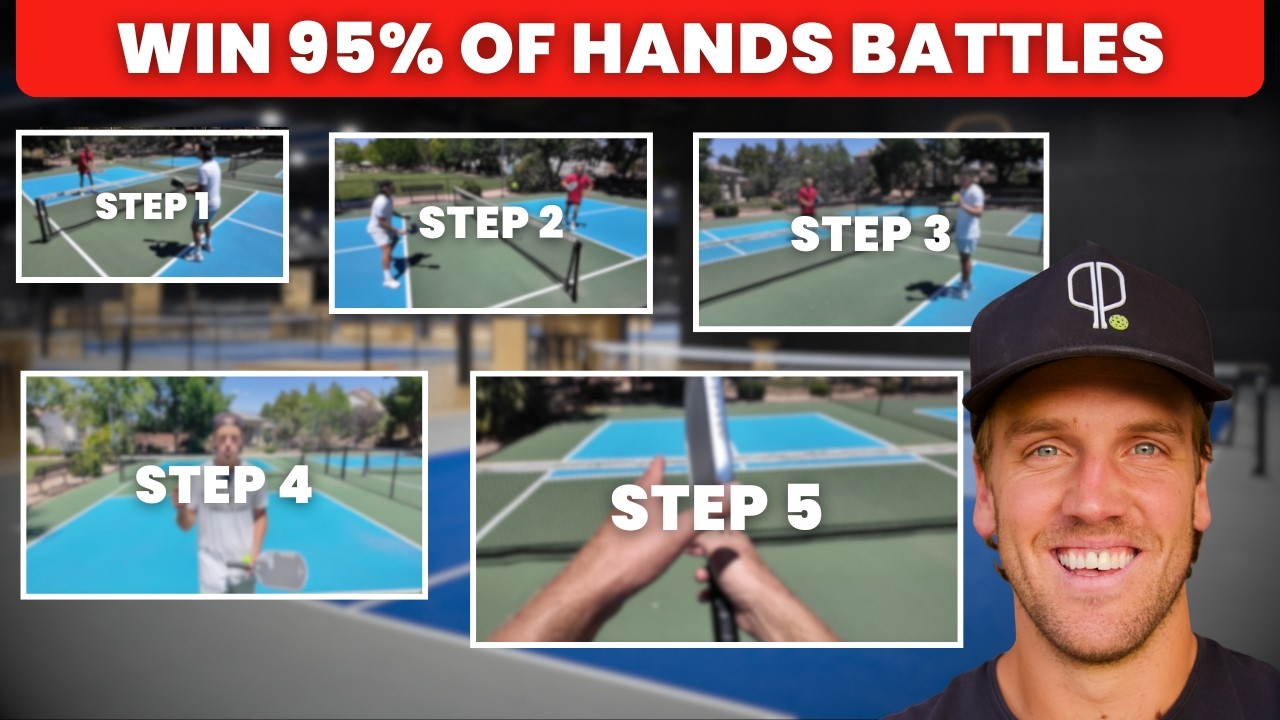
Hand Speed Drill: The 5-Step System to Win Net Battles
A hand speed drill isn’t just about moving your paddle faster—it’s about training your entire body to react with precision at the net.
 The Dink PickleballThe Dink Media Team
How Long Should a Hands Battle Drill Session Run?
Short bursts work better than long, grinding sessions for this kind of drill.
The Flying Pickle Academy ran timed sets, calling out "one more minute" to keep intensity high.
When you drill at maximum competitive intensity, your focus drops quickly.Three to five minute sets with a short rest between them beat a single 20-minute block of increasingly sloppy exchanges.
Track your wins over time. That is your feedback loop. If you are winning more exchanges after three weeks than you were in week one, the drill is working.
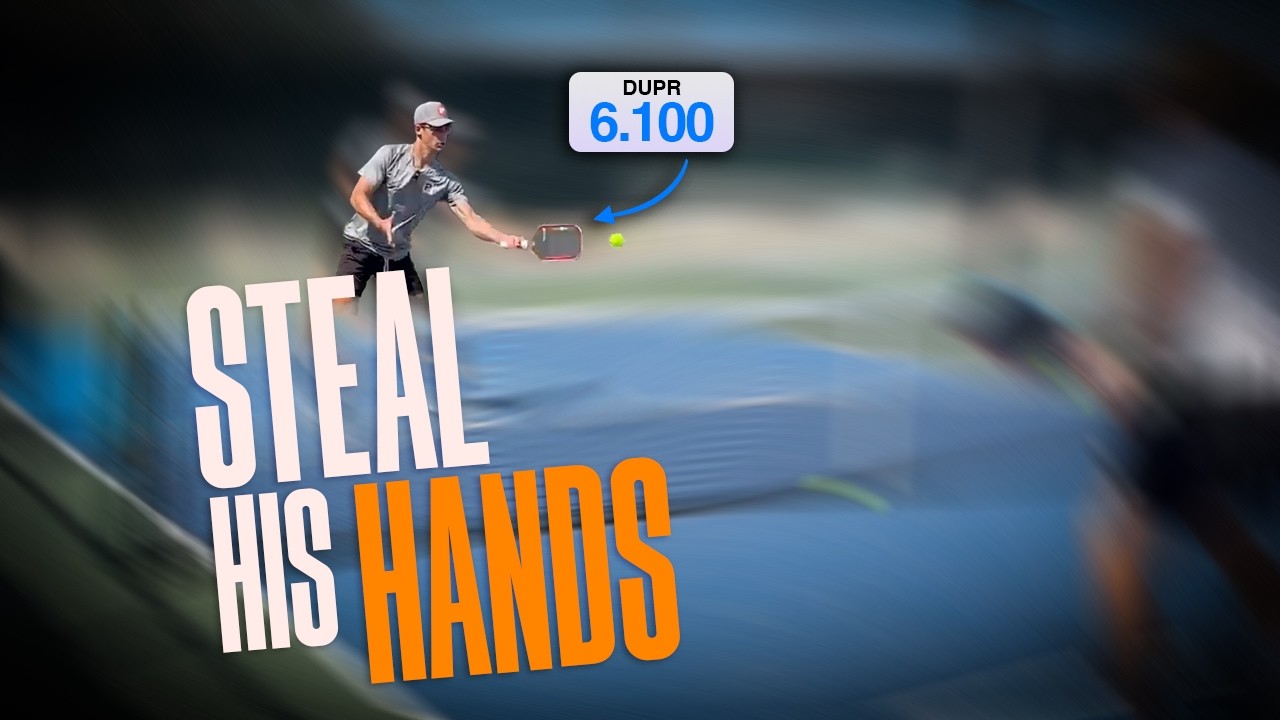
How to Build Fast Hands in Pickleball: A 4-Step Drill
Fast hands in pickleball are a skill, not a gift you are born with. Here is the exact 4-step counter drill and wall routine that took Elliot Schupp from a 2.5 beginner to the fastest hands on tour.
 The Dink PickleballThe Dink Media Team
What Separates Players Who Win Hands Battles from Players Who Don't?
It comes down to preparation, not talent. Players with fast hands in matches did not get there by accident.
They drilled competitively at match pace.
They trained their nervous system to respond automatically because they had already seen those situations hundreds of times in practice.
If you have been wondering how to win a pickleball hands battle every time, this is the honest answer: you do it by practicing the right way, repeatedly, against players who push you.The cooperative volley has its place when you are learning a new stroke.
But if winning at the kitchen line is the goal, you have to train the way the game actually plays.
Start with the dead dink. Speed it up. Compete for every single point inside the drill.
For the full picture of your net game, look at dinking with intention to understand how to earn your attacks rather than forcing them at the wrong moment.And if you are getting beaten on your backhand side, mastering off-speed counters is the strongest next step. Your hands will catch up faster than you think.
💡
Heads up: hundreds of thousands of pickleballers read our free newsletter.
Subscribe herefor cutting edge strategy, insider news, pro analysis, the latest product innovations and more.
Frequently Asked Questions
What is a pickleball hands battle?
A pickleball hands battle is a fast-paced volley exchange at the kitchen line where both players are trading hard, rapid shots with very little time between contact. These exchanges happen when one player speeds up a dink and the other counters, triggering a sequence that is decided in fractions of a second. The player with quicker reflexes, better positioning, and smarter shot placement usually wins.
How far apart should players stand when drilling hands battles?
Stand 14 feet apart when drilling hands battles. That distance closely mirrors the real spacing at the kitchen line in a doubles match and ensures the timing of the exchange is accurate to what you will face in competition.
Why are cooperative volley drills not enough for hands battle training?
Cooperative volleys train consistency at a pace and predictability that does not exist in real hands battles. When the ball comes at you at full speed with competitive intent behind it, your body needs to respond automatically. You only build that automatic response by drilling competitively at match pace.
How do you start a hands battle drill correctly?
Begin with a dead dink, a slow neutral ball fed from one player to the other. The receiving player then speeds it up at full pace, and the exchange begins with both players competing to win the point. Starting from a dead ball simulates the actual moment in a match when someone decides to attack.
How can I improve my hand speed in pickleball faster?
Drill against players whose hands are faster than yours, run competitive hands battle sets at full pace, and keep your rest periods short so every set stays intense. Two-person drills run at competitive intensity will develop your reaction speed far faster than any amount of cooperative rallying.
Anuncie Aqui / Advertise Here
Sua marca para o mundo Pickleball! / Your brand for the Pickleball world!





 English (US) ·
  Portuguese (BR) ·