
 English
  Spanish
  Portuguese
  German
  Italian
  Japanese
  French
  Polish
  Russian
  Netherlands
  Hungarian
  Turkish
  Videos
  Thedink Pickleball

Most mixed doubles pickleball points are lost before the ball is even served. Here are seven habits that turn a shaky pairing into a team nobody wants to draw.
If you have ever felt lost in mixed doubles pickleball, you are not alone. You do not know which balls are yours, you have no plan to lean on, and somewhere around 6-6 it stops being fun.
The fix is almost never a new shot. It is a handful of habits that good teams do automatically and shaky teams skip entirely.
These seven come straight from pro player Jill B, who spent two years on tour learning to love mixed before she figured them out. Steal all seven.
Love pickleball? Then you'll love our free newsletter. We send the latest news, tips, and highlights for free each week.
1. Take Control of the Communication
The single biggest lever in mixed doubles pickleball is talking, and the woman should own it.
When the woman drives the communication, she flips from a victim mindset (what ball does he not want, so I get stuck with the leftovers) to a victor mindset. Reactive becomes active.
It can be as simple as one word before every ball: "you" or "me." That is it. You do not need a signal system, you need a voice.
If none of this feels natural yet, start by learning how to communicate with your partner on the easy balls first, then build from there.
2. Give Your Partner Grace, Out Loud
Support is not just for the winners. The best teams give each other equal freedom to go for balls, and they say so.
When your partner goes for a middle high ball and misses it, the worst thing you can say is nothing, or "that was mine."That teaches them to stop going. What you want is the opposite.
So say it out loud: "That was the right ball. I love that you went for it."
You have to back your partner when it was the right decision and the wrong outcome, not only when it worked.
This is a huge part of being a better doubles partner, and it directly improves your win rate.
💡
Need some new pickleball gear? Get 20% off select paddles, shoes, and more with code THEDINK at
Midwest Racquet Sports3. Rethink What "Your Ball" Even Means
Here is a slightly controversial take: if your partner takes "your" ball, ask yourself why you weren't there first.
Most middle confusion is really a positioning problem wearing a communication costume.
If you are a step slow to the middle, the ball stops being yours, no matter what the rulebook in your head says.
Fix your movement and the arguments disappear.
If middle balls are a constant source of tension for your team, get clear on covering the middle so both players know their zone before the point starts.
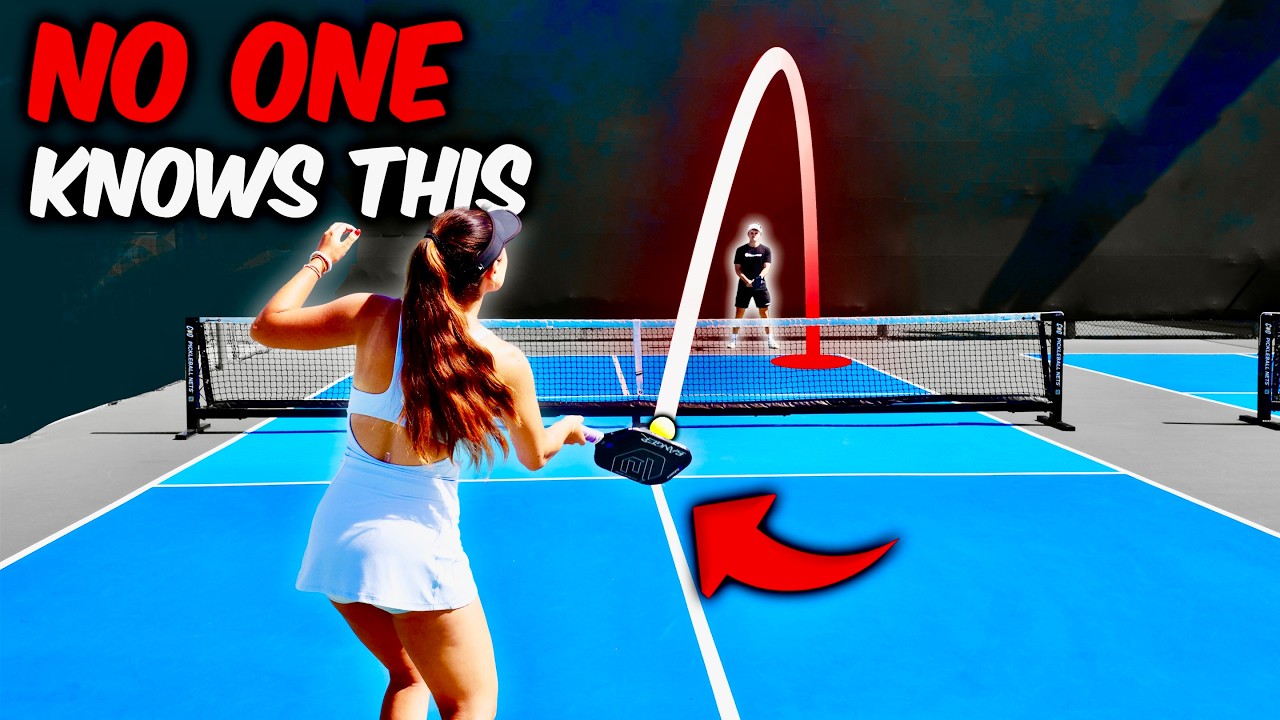
8 Pickleball Doubles Strategy Tips Nobody Talks About
Pickleball doubles is a game of angles, positioning, and reading your opponent. But there’s a gap between what coaches teach and what actually wins matches.
 The Dink PickleballThe Dink Media Team
4. Create Offense with Off-ball Movement
Great players do something even when the ball is nowhere near them. If you are the woman and you feel targeted, the easiest counter is to threaten the Erne.
You do not have to actually hit it, and you do not have to be flashy.
Move a little early so the opponents see you doing something different, and watch how many balls get funneled back to your partner instead.
This is especially strong when you have a long, athletic partner who can cover the space you vacate.
Threatening to take the ball out of the air is one of the simplest ways to build offense, and it pairs naturally with knowing when poaching helps and when it is just selfish.
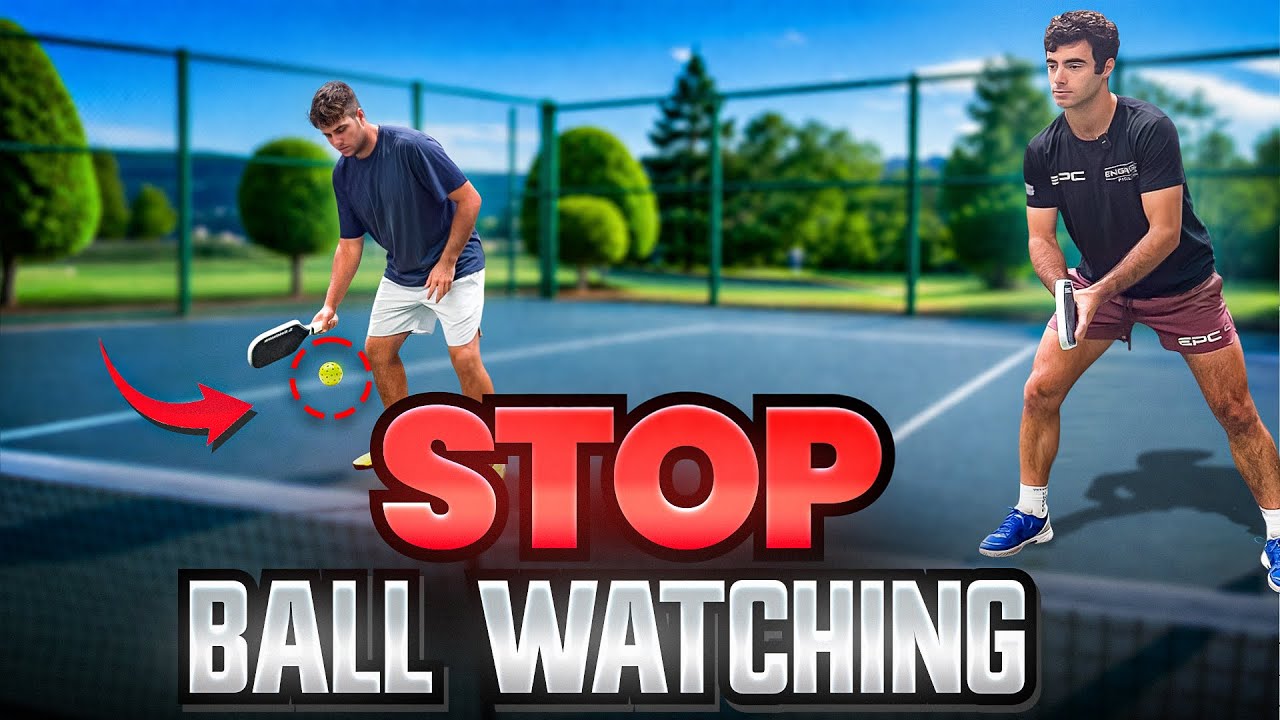
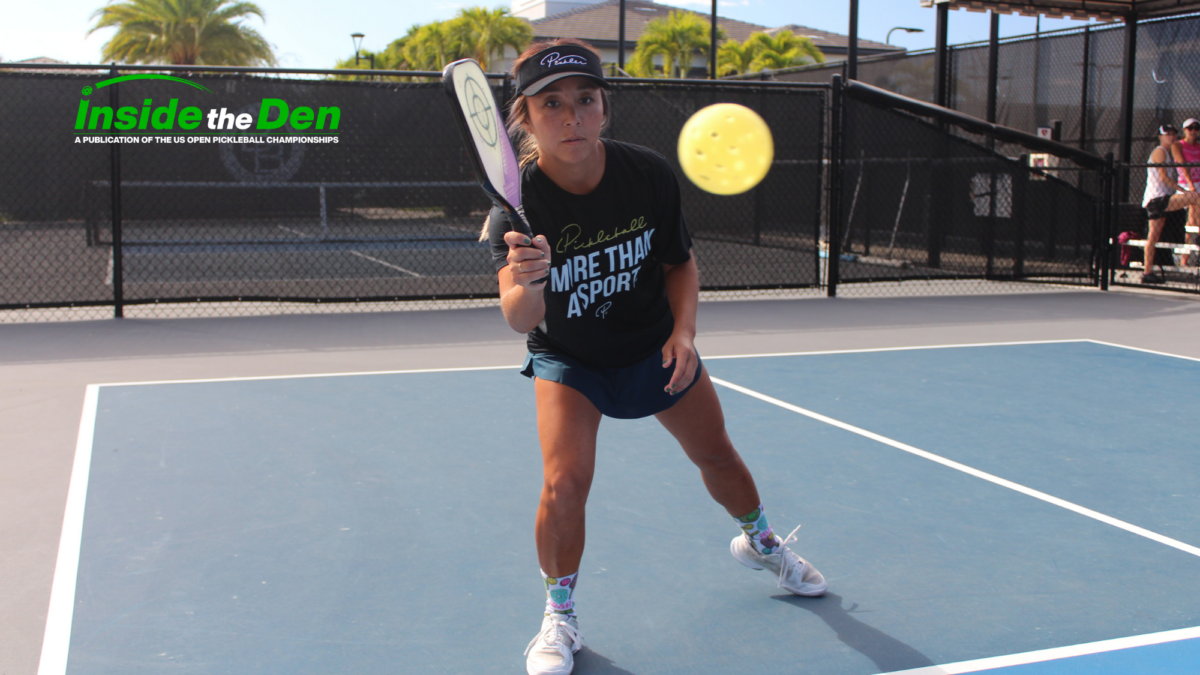
Off-Ball Positioning in Pickleball: Stop Ball Watching
Most pickleball players think the point is decided by whoever hits the ball, but at higher levels, off-ball positioning is what actually controls the court. Master this skill and you’ll transform how you play at the net.
 The Dink PickleballThe Dink Media Team
5. Keep Countering Instead of Resetting
When Jill was playing Gabe Tardio and Jorja Johnson in a Boca Raton final, her partner Andrei Daescu told her something that changed her mixed game: after surviving the first attack, keep it going.
"You want me to keep countering against Gabe Tardio?" she asked. His answer: "Absolutely."It is easy to fall into a reset, reactive, victim loop where you counter once and then immediately drop your paddle to reset the next ball. Do not.
If you can survive the first counter and stay on the very next ball, you win that point roughly seven times out of ten.
This starts with mindset, not technique.
Once the mindset is there, sharpen the tool with a few counter fixes that win more hands battles, and stop getting attacked at the kitchen in the first place.
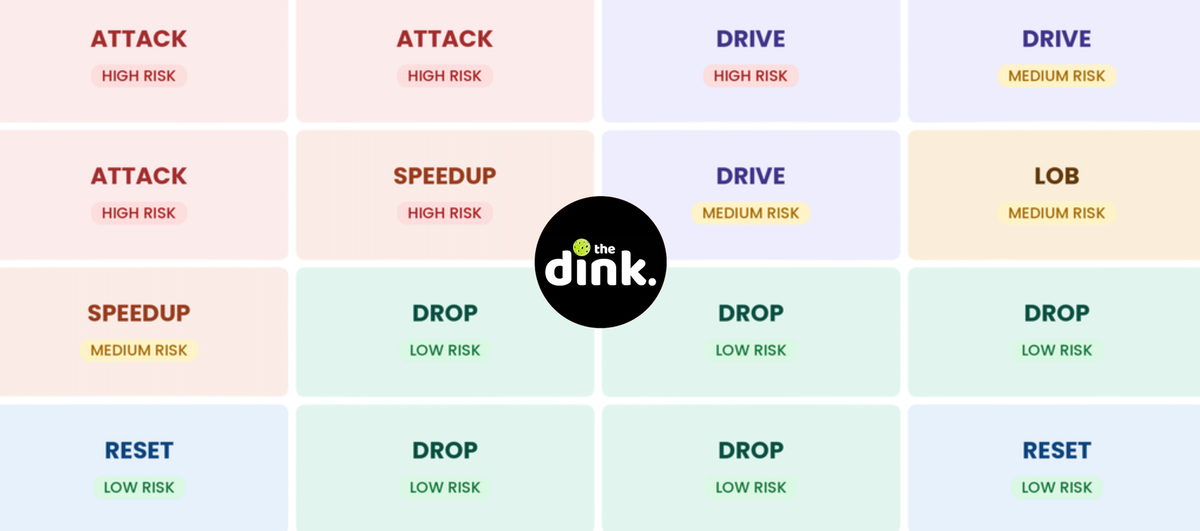
Decision Matrix: When to Attack or Reset in Pickleball
Pickleball is really all about two key factors: your court positioning and the height of the ball. This matrix decodes the game for you.
 The Dink PickleballThe Dink Media Team
6. Attack the Guy First
Here is a truth about mixed: a lot of men have great attacks and mediocre defense.
You have full agency to fire at the guy on the very first point of the match, and you can tell your partner you are going to do it.
Most guys sit in a ready position that leaves them exposed in two places, and one of them is brutal: a hard ball driven at the paddle shoulder.
Picking up a one-handed backhand off your own shoulder and getting it back down with one hand is nearly impossible.
So commit to the hard crosscourt at the man early. You are not being rude, you are being correct.
This is exactly the kind of matchup logic that separates how women's strategy differs from men's, and it belongs in every mixed doubles strategy conversation.
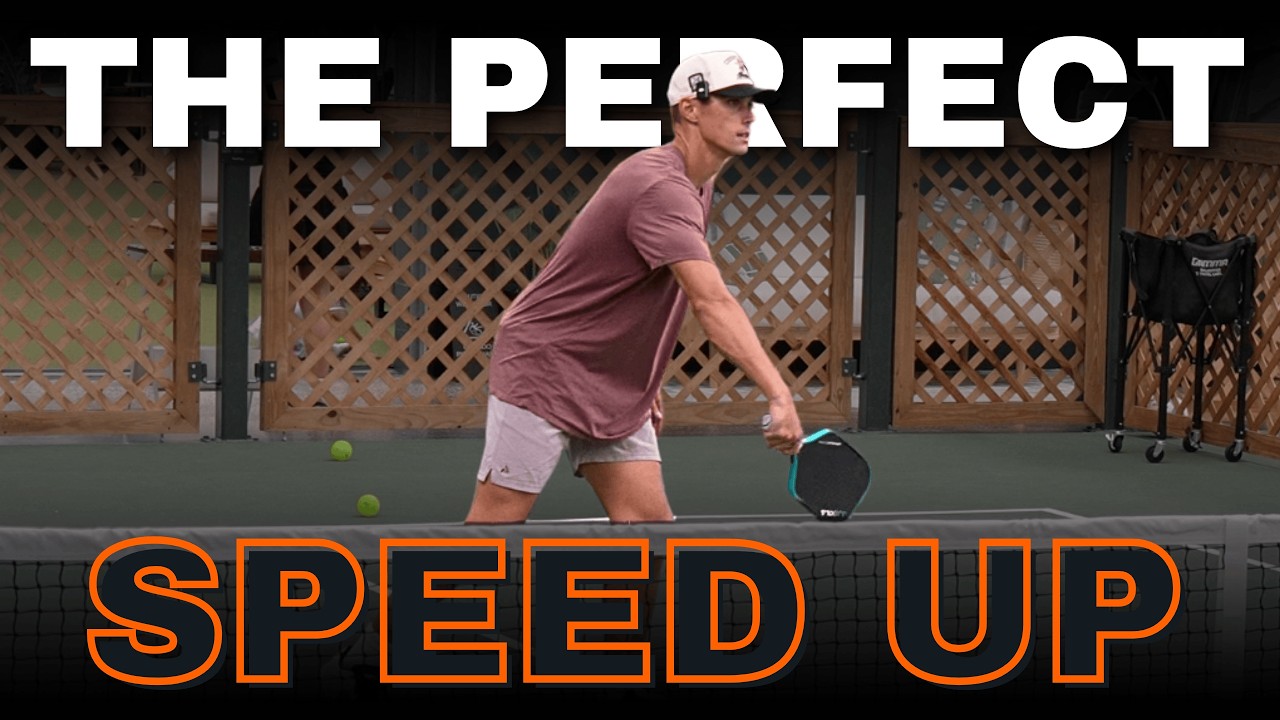
Attacking in Pickleball: 3 Things You’re Doing Wrong
Most pickleball players focus on hitting harder when they should focus on hitting smarter. Travis Rettenmaier reveals the 3 critical mistakes holding back your pickleball attack and how to fix them immediately.
 The Dink PickleballThe Dink Media Team
7. Align on a plan before the first serve
What makes a team genuinely dangerous in mixed doubles pickleball is not talent, it is alignment.
Jill runs five pre-match questions with every partner, and three of them are almost embarrassingly basic:
Where are we serving? Who are we targeting at the kitchen? Who are we attacking on our speed-ups?Answer those three together and you become a team nobody wants to play.
The reason alignment wins is that even a wrong plan can be adjusted, as long as you are both running it.
You can look at each other and say, "We have been doing the plan, is it working? No? Let's switch it."A team with no plan has nothing to adjust.
For more of these shared decisions, see these mixed doubles decisions that win more points and lock in your positioning with these key position strategies.
The One Axiom that Ties It All Together
Jill's favorite court axiom is this: every team has one person who likes it slow and one who likes it fast.
Your job is to figure out who is who, and give them the opposite.
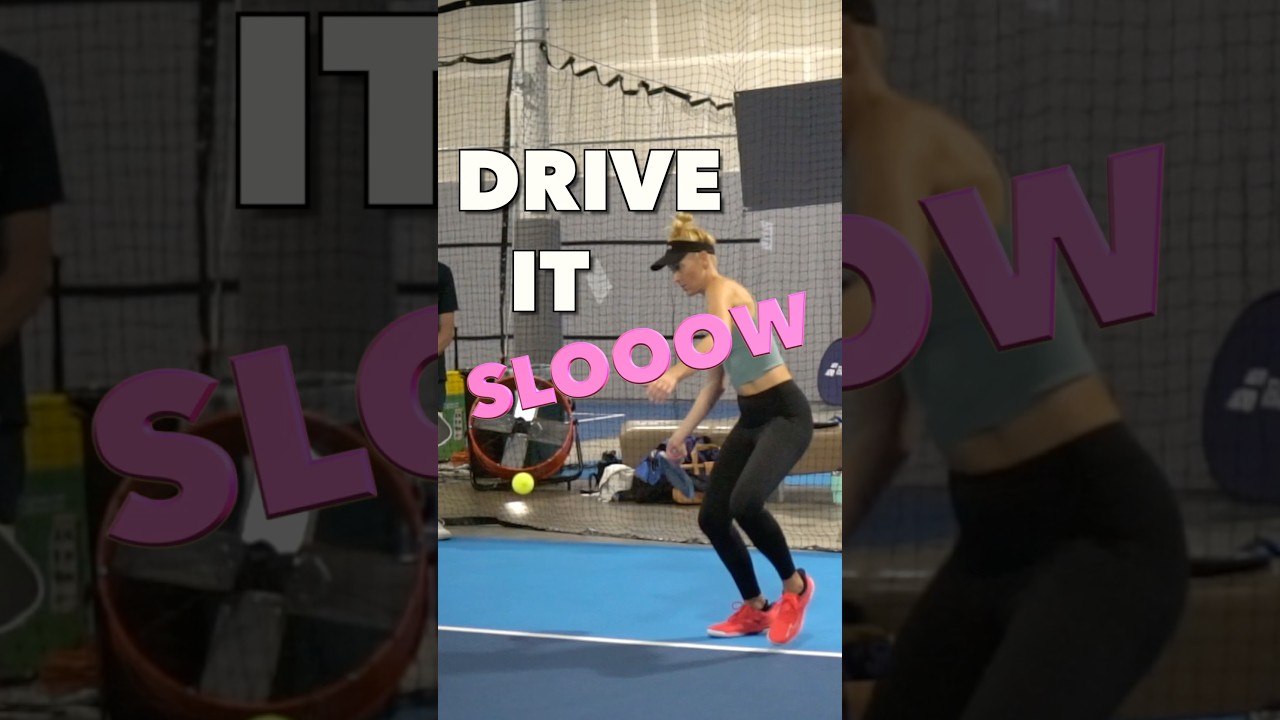
Slow it down against the banger. Speed it up against the resetter.
It works because it takes away the pace each player is most comfortable with, and it forces errors from teams that never talk about tempo.
Pace management like this is also a mental skill, which is why the best pairs treat their mental game under pressure as seriously as their dinks.
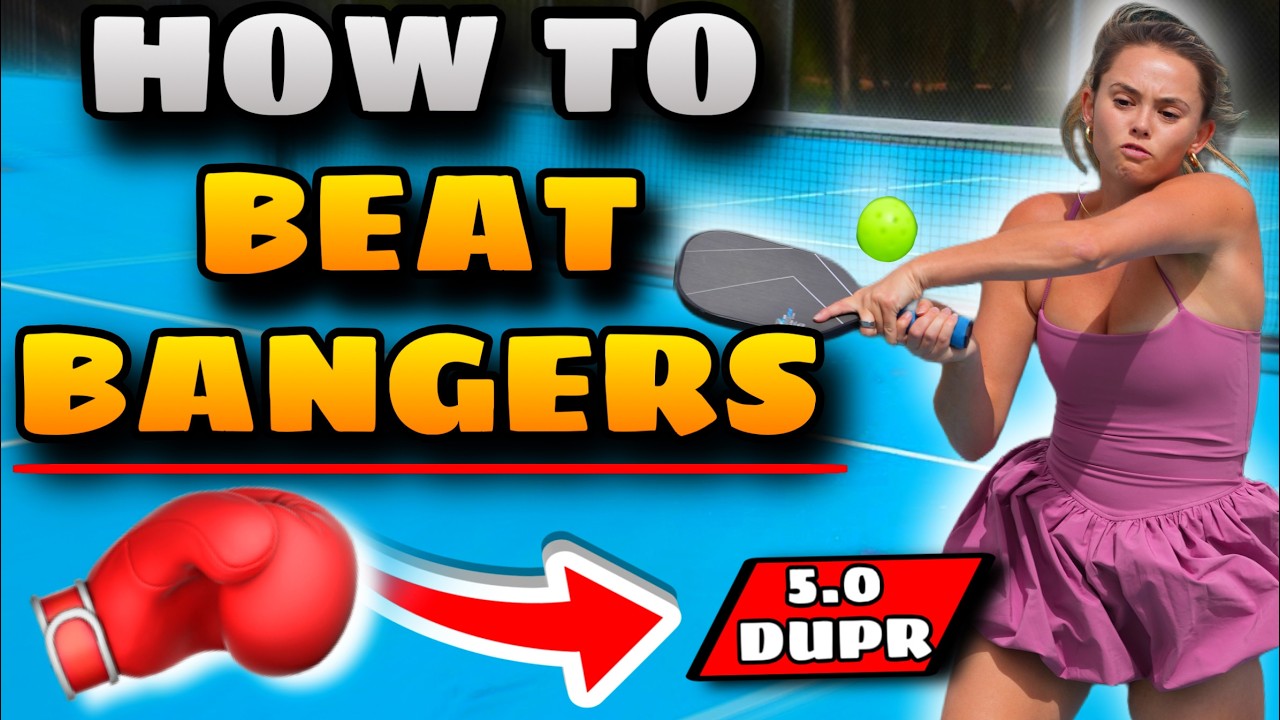
How to Beat a Banger Strategy in Picklebal
Power hitters can be frustrating, but a solid banger strategy doesn’t have to derail your game. Pro player Ava Ignatowich breaks down five tactical approaches to neutralize aggressive opponents and take control of the court.
 The Dink PickleballThe Dink Media Team
Why Mixed Doubles Feels Harder Than It Should
Mixed can feel like a different sport because the margins are human, not technical.
The pros feel it too. Jill has been through the full arc from hate to love and back again, more than once.
You can watch that same tension at the top of the game.
At the PPA Tour's Daytona Beach Open, the brother-sister team of JW and Jorja Johnson took mixed doubles gold over Andrei Daescu and Kaitlyn Christian, as Yahoo Sports reported.
And at the U.S. Open, mixed titles have gone to established pairings like Megan Fudge and Jack Munro, who were among the top players to watch this season.
Alignment and chemistry, not just firepower, decide those matches.As Jill puts it, pickleball is joy. Get these seven habits working and mixed becomes the most fun format on the court, not the most frustrating.
💡
Heads up: hundreds of thousands of pickleballers read our free newsletter.
Subscribe herefor cutting edge strategy, insider news, pro analysis, the latest product innovations and more.
Frequently Asked Questions
Who should call the ball in mixed doubles pickleball?
The woman is often in the best spot to control communication, calling a simple "you" or "me" before contested balls. Owning the call shifts a team from reacting to leftovers to actively choosing who takes each ball, which reduces middle confusion immediately.
Should you attack the man or the woman in mixed doubles?
Attack the man early, especially with a hard crosscourt at his paddle shoulder. Many male players have strong attacks but weaker defense, and a ball jammed into a one-handed backhand off the shoulder is very hard to dig out cleanly.
What is the best mixed doubles pickleball strategy for beginners?
Start with alignment. Before the first serve, agree on where you serve, who you target at the kitchen, and who you attack on speed-ups. A shared plan, even an imperfect one, beats two players guessing independently.
How do you stop feeling targeted as the woman in mixed?
Stop resetting on repeat and keep countering. If you survive the first counter and stay engaged on the very next ball, you win the majority of those exchanges. Threatening an Erne with off-ball movement also pushes opponents to redirect the ball.
Why does mixed doubles pickleball feel harder than gender doubles?
The hard parts are communication, positioning, and mindset rather than pure shotmaking. Teams that align on a plan and support each other's aggressive choices tend to outperform more talented pairs who never talk tempo or targets.
Anuncie Aqui / Advertise Here
Sua marca para o mundo Pickleball! / Your brand for the Pickleball world!





 English (US) ·
  Portuguese (BR) ·