
 English
  Spanish
  Portuguese
  German
  Italian
  Japanese
  French
  Polish
  Russian
  Netherlands
  Hungarian
  Turkish
  Videos
  Thedink Pickleball

Your fourth shot is the moment the serving team either takes over the point or gets stuck on defense. This playbook covers what to hit on every ball your opponents send back.
The fourth shot is the most overlooked ball in doubles pickleball, and it is quietly deciding your points.
You served, your opponents returned, you hit your third, and now the ball is coming back.
What you do next either walks you up to the kitchen with the point in your hands or leaves you scrambling on defense.
Most players never think about the fourth shot as its own decision. They just react.
That is the difference between the 3.5 who gets pushed around and the 4.5 who keeps taking over points.
Love pickleball? Then you'll love our free newsletter. We send the latest news, tips, and highlights for free each week.
What Is the Fourth Shot in Pickleball?
The fourth shot is the serving team's second contact: the ball you hit right after your third shot drop or drive. It is a bridge shot.
Your job is to survive whatever your opponents send back and keep advancing toward the kitchen line.
Here is the trap. The third shot gets all the coaching attention, so players pour their focus into it and then freeze on the very next ball.
But the fourth shot is where the point is actually won or lost, because it is the shot that decides whether you get to the net with control or get stuck in the transition zone.
First, Read What Your Opponents Just Did
Every fourth shot decision starts with one read: did your opponents drop the ball soft, or did they drive it hard?
That single piece of information tells you which tool to grab.
If they hit a soft ball into your kitchen, you have time and options.
If they drove it at your feet or your chest, you are in a reaction battle and your only goal is to reset and neutralize.
Reading this early, before the ball crosses the net, is what separates players who look calm from players who look rushed.
The six moves below are your responses. Learn the read that triggers each one.
- The block counter when they drive at your body
- The soft reset when the drive is low and fast
- The step flick off your forehand when you can attack out of the air
- The windshield wiper roll off your backhand side
- The out of the air decision when the ball is drifting into the kitchen
- The positioning read that beats the shake and bake
💡
Need some new pickleball gear? Get 20% off select paddles, shoes, and more with code THEDINK at
Midwest Racquet SportsHow Do You Handle a Driven Fourth Shot?
When your opponents drive the ball at you, the block counter wins: stay relaxed through the swing, then get firm exactly at contact.
The paddle stays out in front, your elbow stays roughly in the same spot, and you snap to firm right as the ball arrives.
Done well, this does two things.
It kills the pace so the ball stays low, and it hands your opponent an awkward reaction shot that usually floats up as a popup you can then attack.
Think relaxed, then firm. Not a swing, a catch that turns into a punch.This counter works best on balls between waist and chest height. Anything higher than your chest and you can usually bank on the ball sailing long, so let it go.
If the drive is screaming low and fast, forget offense and play a clean reset instead.
Absorbing pace to stop the pop up is a skill on its own, and it keeps you from feeding easy putaways.Reading an opponent's body language before they even swing buys you the split second this shot needs.
As one longtime coach put it in a Yahoo Sports column on court play, watching whether a player is loading up to attack lets you set your paddle and defend with a reset before the ball is on you.
5 Fourth Shot Decisions That Keep You in Control
The fourth shot is where rallies are won or lost. Here is how to read the ball, choose between the air and the bounce, and keep your opponents on defense.
 The Dink PickleballThe Dink Media Team
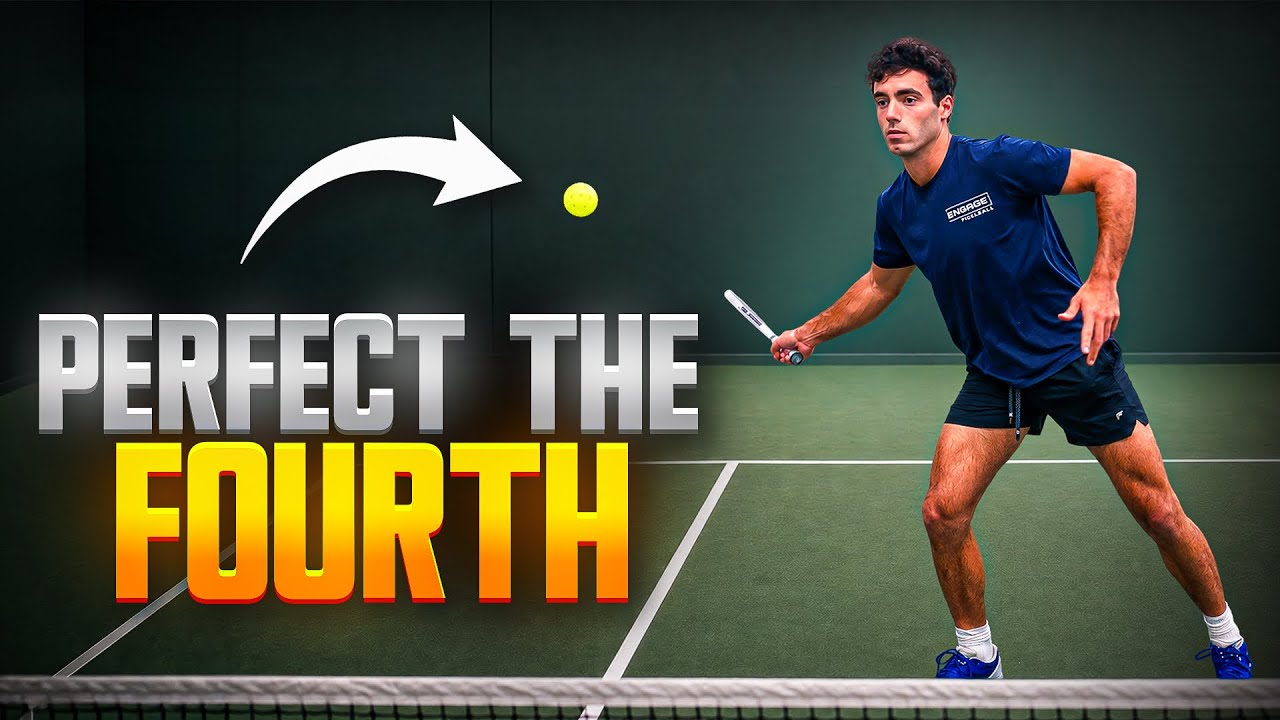
The Fourth Shot That Flips You Back to Offense
When your opponents hit a genuinely good drop, one that lands in the back third of your kitchen near your feet, the windshield wiper roll is the shot that saves you.
It uses a compact motion to brush up the back of the ball and send it back with shape while you move forward.
The mechanic is forearm open to forearm closed.
On the forehand side, this becomes a step flick: you step, create space between your legs, and flick up through contact so the ball clears with topspin and dives.
On the backhand side, it is the same idea with your off arm, a true windshield wiper brushing over the ball.
Keep the motion small and everything out in front. The point is not power.The point is that a good drop step plus this roll takes you from a defensive position back to an offensive one, and it makes it nearly impossible for your opponents to move forward on you.
This is the same logic behind sneaky fourth shot options that steal easy points at the kitchen line.
Fourth Ball Pressure: The Shot Changing Pickleball in 2026
Fourth ball pressure is the shot that separates elite players from the rest. This aggressive midcourt technique applies relentless pressure on opponents and makes it nearly impossible to establish net control.
 The Dink PickleballThe Dink Media Team
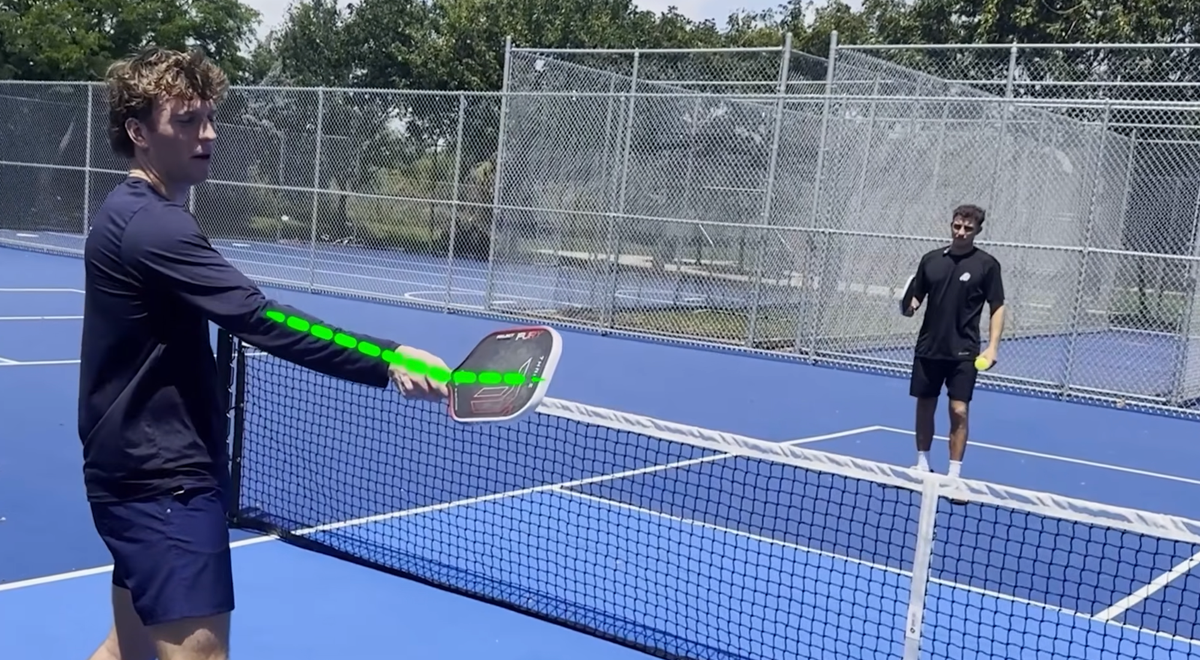
Should You Take the Fourth Shot Out of the Air?
Use this rule of thumb: take the ball out of the air only if you can create more offense than if you let it bounce.
That single question answers most fourth shot dilemmas on the spot.
Here is why it matters. A ball floating into your kitchen has an apex, a highest point.
If letting it bounce means you would have to reach down and scoop it from below net height, you have given away your attack.
But if you can step in and take it at the apex, up around chest level, you stay tall and keep the pressure on.
So the read is simple. High and drifting means step in and take it out of the air to build offense.
Low and dropping toward your feet means let it bounce, reset, and reload.
Guess wrong in the aggressive direction and you will pop it up and get punished, which is exactly how players end up getting attacked at the kitchen.
Taking the Ball Out of the Air: 3 Ways to Build Offense
Taking the ball out of the air is the quickest way to turn a passive dink rally into offense. Here is the Protect the Line drill that builds your effective range at the kitchen.
 The Dink PickleballThe Dink Media Team
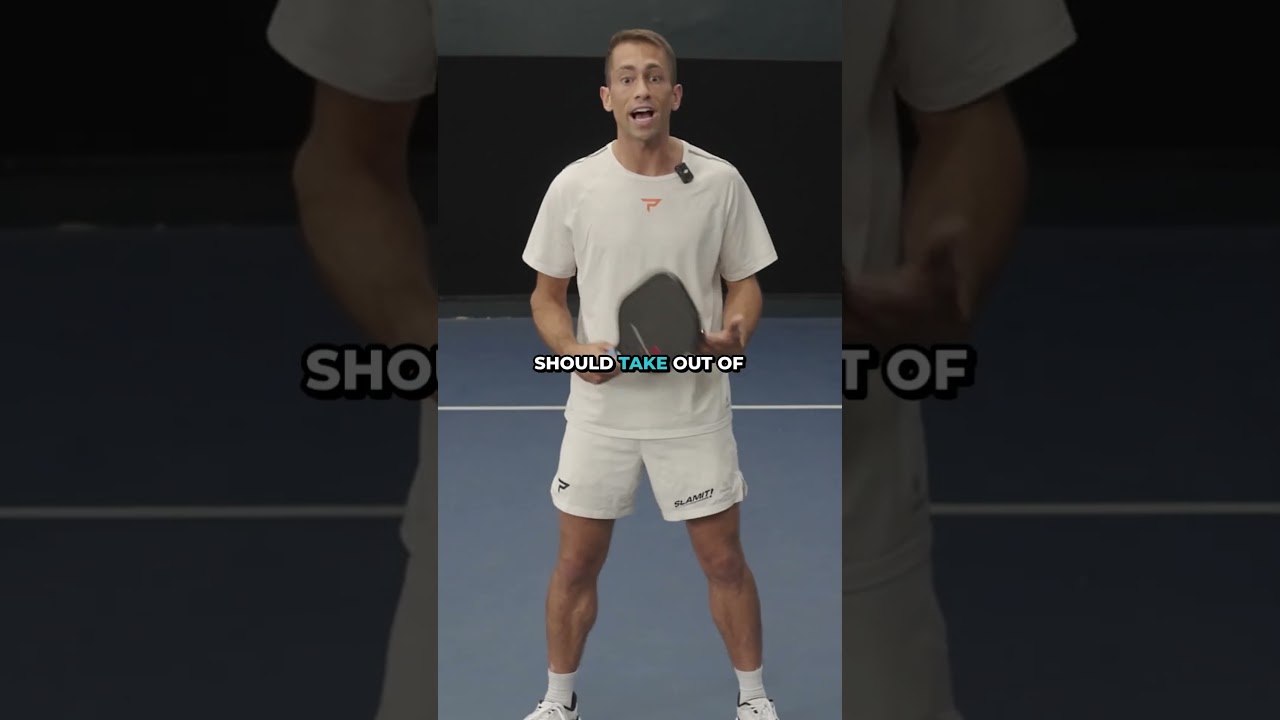
Beat the Shake and Bake Before It Starts
The most dangerous fourth shot mistake is playing it blind.
If you drive your third and then stare at your own ball, you will never see the shake and bake coming, and it will bury you.
The shake and bake works like this: one opponent drives while the partner crashes the net to pick off your next ball. Your defense is your eyes.
After you hit, immediately find the other player. Are they charging the net?
If so, your fourth shot cannot float. It has to stay low and out of the poacher's reach.
This is why the whole fourth shot conversation comes back to positioning. What you hit is always downstream of where your opponents are standing.
Read the court first, then pick the shot. That habit is also the core of knowing when to speed up versus when to hold.
Even Ben Johns wins most of his fourth balls with his eyes, not his hands, absorbing a driven ball while already reading his opponent's next move.
The Fourth Shot Drop: Shape the Rally, Win More Points
The fourth shot drop is one of the most overlooked shots in pickleball, yet it’s critical for controlling points at the net. Master this shot and you’ll immediately see improvement in your game.
 The Dink PickleballThe Dink Media Team
Drills to Make the Fourth Shot Automatic
You cannot think your way through the fourth shot in a live point. It has to be trained until it is a reflex.
Here is a simple progression you can run with one partner.
- Cooperative feed: Set a cone in the back third of the kitchen. One player feeds drives and drops at random while the other reads and responds with the right fourth shot. No scoring yet, just reps and reads.
- Target game: Now add a rule. The feeding player only wins the point if their finishing shot lands past the cone. Short balls give the point to the defender. This forces depth and honesty.
- Live to 11: Play the point all the way out. If the deep player keeps it deep, the opponent cannot transition. The moment the ball lands short, the defender gets to move up and attack.
This is the same principle behind any good pattern drill, and it feeds directly into your kitchen control once you get there.
One more truth about drilling: reps beat games when it comes to real improvement.
A Yahoo Sports feature on the sport's growth quoted a longtime ambassador making the same point, that players who plateau usually want to play more than they want to practice, while the ones who reach 4.5 and 5.0 put in the structured drilling.
The fourth shot rewards that work more than almost any other ball.
If you want more decision frameworks for this exact ball, our breakdown of fourth shot decisions pairs well with everything here.
💡
Heads up: hundreds of thousands of pickleballers read our free newsletter.
Subscribe herefor cutting edge strategy, insider news, pro analysis, the latest product innovations and more.
Frequently Asked Questions
What is the fourth shot in pickleball?
The fourth shot is the serving team's second shot, the ball you hit right after your third shot drop or drive. Its purpose is to answer whatever your opponents send back and keep you advancing toward the kitchen line with control.
Should I take the fourth shot out of the air or let it bounce?
Take it out of the air only if you can create more offense than by letting it bounce. If the ball is high enough to attack at chest level, step in, and if it is dropping low toward your feet, let it bounce, reset, and reload.
How do I defend a hard driven fourth shot?
Stay relaxed through the motion and get firm right at contact, with your paddle out in front. This block counter absorbs the pace, keeps the ball low, and often forces a popup you can attack on the next ball.
What is a shake and bake, and how do I stop it?
A shake and bake is when one opponent drives while their partner crashes the net to pick off your next ball. Beat it by finding the other player with your eyes right after you hit, and keeping your fourth shot low so the poacher has nothing easy to attack.
How do I practice the fourth shot?
Use a three step progression: cooperative feeding with a cone target in the back third of the kitchen, a target game where deep shots score, and a live game to 11 where short balls let your opponent move up. The common goal is depth, which keeps opponents pinned back.
Anuncie Aqui / Advertise Here
Sua marca para o mundo Pickleball! / Your brand for the Pickleball world!





 English (US) ·
  Portuguese (BR) ·