
 English
  Spanish
  Portuguese
  German
  Italian
  Japanese
  French
  Polish
  Russian
  Netherlands
  Hungarian
  Turkish
  Videos
  Thedink Pickleball

If you want to improve footwork off court for pickleball, the gym and your living room are more useful than you think. Off-court agility and speed training builds the lateral quickness and explosive first-step that wins rallies before you even swing.
The fastest way to improve footwork off court for pickleball has nothing to do with hitting balls.
It starts in the gym, in your driveway, or even in your living room, long before you step on the court.
The players who move best aren't the ones who just play more. They're the ones training movement on purpose.
Love pickleball? Then you'll love our free newsletter. We send the latest news, tips, and highlights for free each week.
Most players obsess over their dink, their drive, their third shot drop. Footwork? That's the thing they think just happens. It doesn't.
Poor pickleball footwork is the root cause of most unforced errors.
When you're late to the ball, you compensate with your arm. You reach. You swing off-balance. You pop it up. The ball choice wasn't wrong. The feet were.
Research published in the Journal of Sports Sciences consistently shows that movement efficiency in racket sports directly predicts shot quality, not the other way around.
The good news: court movement is a trainable physical skill. You can improve footwork off court for pickleball with specific, deliberate work.
And the 10 pickleball tips that transform your game all get sharper the moment your feet start arriving on time.
What Does "Pickleball Footwork" Actually Mean?
Before getting into training, let's define the skill. Pickleball footwork refers to the series of foot positions, weight transfers, and directional movements that get your body into the optimal hitting position for each shot.
It includes:
- The split step: a small, balanced hop timed to your opponent's contact that loads your legs for explosive lateral movement
- Lateral shuffle: side-to-side movement to track wide balls without crossing your feet
- Drop step: a backward opening step to retreat from the kitchen line
- Crossover run: used for balls that require covering longer distances fast
Most players learn these passively through court time. Court time doesn't isolate movement.
Off-court training does. You build the raw physical qualities (quickness, reactive speed, lateral power) and your on-court patterns sharpen on top of them.
💡
Need some new pickleball gear? Get 20% off select paddles, shoes, and more with code THEDINK at
Midwest Racquet SportsLadder Drills: The Foundation of Quick Feet
Agility ladders are one of the most cost-effective tools for building foot speed for pickleball. The key is doing the right patterns.
Here are three that transfer directly to court movement:
- Ickey Shuffle: two feet in, one foot out, alternating sides. Builds the lateral weight transfer pattern you use at the kitchen line.
- In-In-Out-Out (side-to-side): mimics the lateral shuffle used when tracking a wide dink or a drive down the line.
- T-Pattern: two steps in, one step back. Trains your ability to change directions quickly, which is exactly what happens when a lob goes over your head.
A 2025 review in the British Journal of Sports Medicine confirmed that agility ladder training improves reactive movement speed in court sport athletes across age groups, with gains appearing within six weeks of consistent training.
Do 10–15 minutes of ladder work three times a week, and you'll feel a difference within a month.
How to Create Pickleball Content: Advice from Chris Olson
Popular paddle reviewer Chris Olson gives some tips: Check your ego at the door, find your niche, stop striving for perfection, and just start doing it already.
 The Dink PickleballAlex E. Weaver
The Split Step: Train It Until It's Automatic
The split step is the single most important footwork mechanic in pickleball. Full stop.
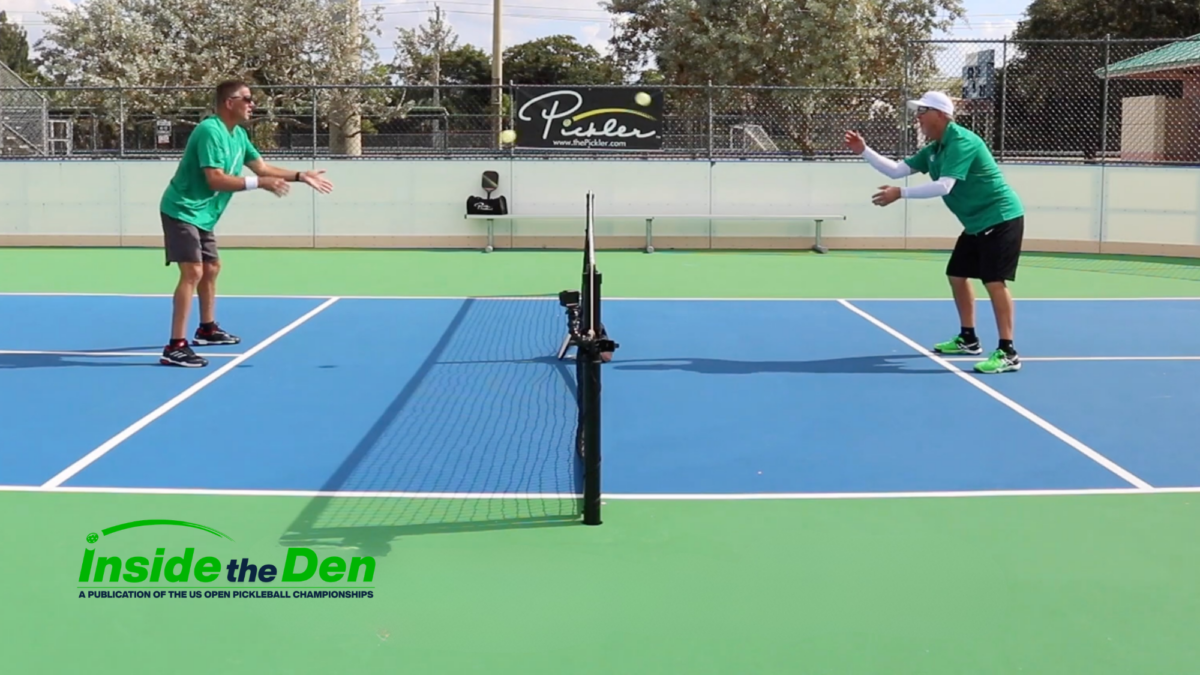
Here's what it is: a small, explosive hop you land at the exact moment your opponent makes contact with the ball. Landing in a split position (feet slightly wider than shoulder-width) loads your legs like a spring and lets you push off laterally in either direction, faster than if you were flat-footed.
The problem: most recreational players don't split step. They stand still and then react. That late start costs a full stride of court coverage on every rally.
Off-court drill: Set up a mirror or face a wall. Simulate point play with a verbal cue (have a training partner say "now" randomly). Every time you hear it, fire a split step. Do 3 sets of 20 reps. It sounds simple. After two weeks, you'll start doing it on the court without thinking.
This is also where solo pickleball drills can reinforce what you're building off court. The split step you trained at home starts firing automatically when you're rallying.
How to Improve Pickleball Footwork: 5 Pro Drills
Pickleball footwork drills are the fastest way to close the gap between your shot-making ability and your actual on-court results. Here are five drills that competitive players use to move faster, recover quicker, and stop giving away free points.
 The Dink PickleballThe Dink Media Team
Does Lateral Speed Training Really Translate to the Court?
Yes, and the mechanism is clear.
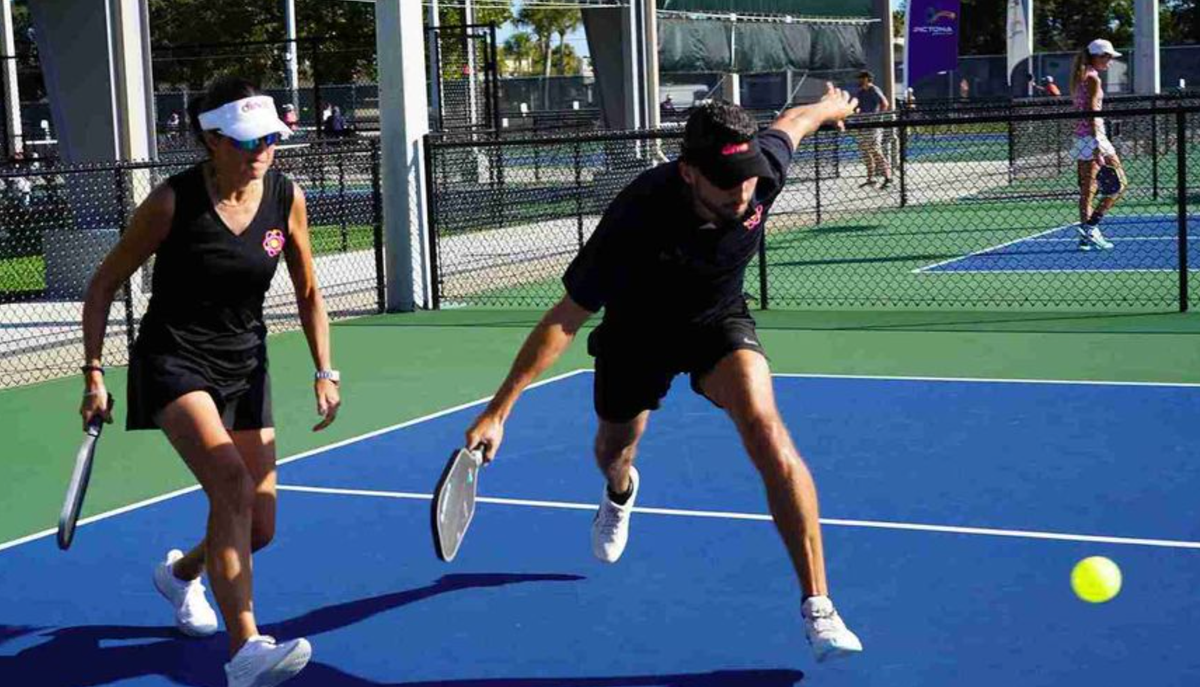
Off-court resistance training for lateral movement increases hip abductor and adductor strength, the primary movers in sideways court coverage.
Lower body exercises for explosive pickleball legs like lateral band walks and side-lying clam shells build exactly the muscles that power a lateral shuffle.
A study from NSCA's Strength and Conditioning Journal (2025) found that lateral resistance band training improved side-to-side movement speed by 14% in recreational court sport athletes over eight weeks.
That's not marginal. That's half a court covered.
Add these three moves to your routine:
- Lateral band walks: loop a resistance band above your knees, shuffle sideways 15 steps each direction. 3 sets.
- Lateral box step-overs: step over a low box laterally as fast as possible. Builds hip drive and foot clearance.
- Skater bounds: explosive single-leg lateral leaps, landing softly on the opposite foot. The most direct simulation of a shuffle recovery.
Pair this with contrast training for pickleball to convert strength into speed.
Every serious effort to improve footwork off court for pickleball should include lateral resistance work as a foundation.
Pro Speed-Up Strategy: Master the Kitchen Line Attack Like a 5.0+ Player
Connor Garnett shows that winning kitchen battles isn’t about raw power, but about positioning, psychology, and reading opponents in real time
 The Dink PickleballThe Dink Media Team
Cone Drills and Reaction Training: Where Speed Meets Decision-Making
Raw foot speed only matters when it's paired with the right reaction. Pickleball doesn't give you time to think.
You see the ball leave your opponent's paddle and you have roughly 400–600 milliseconds to move and strike.
Research from Human Kinetics journals indicates that trained court sport athletes make directional decisions roughly 30% faster than untrained players because they recognize visual cues earlier, not because they run faster.
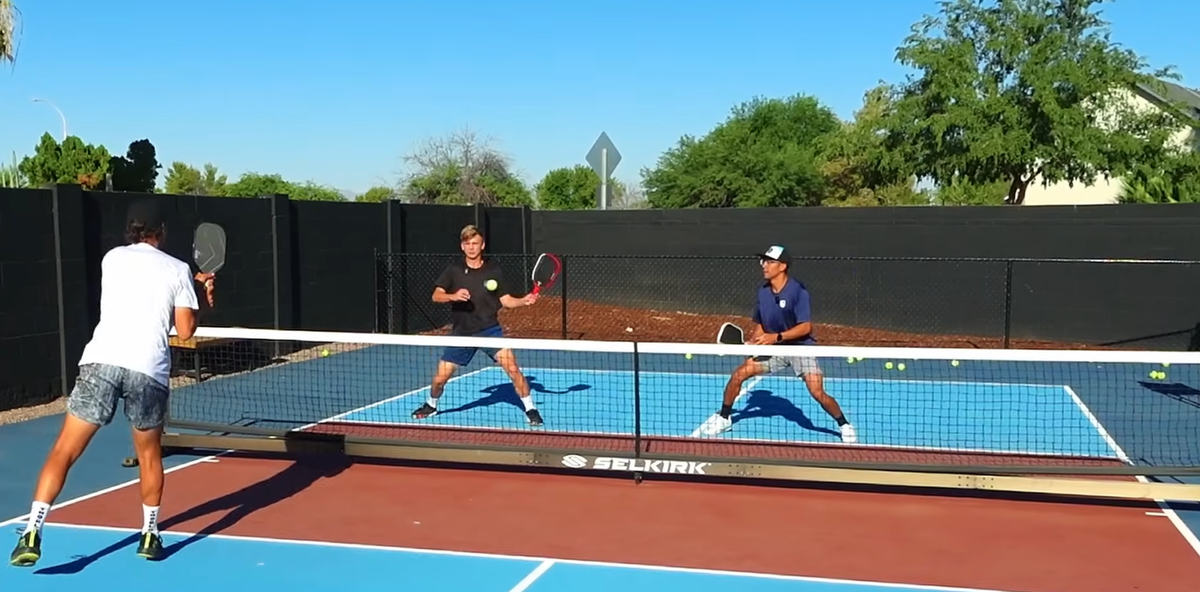
Partner cone drill: Set up four cones in a 5-foot square. Stand in the center.
A partner points to a cone randomly. You shuffle to that cone, touch it, and return to center. 3 rounds of 30 seconds on, 30 seconds off.
No partner? Use a reaction ball. Drop it, chase it. It forces your feet to fire before your brain finishes processing.Connect this to your pickleball training routine so reaction work gets consistent reps.
The 12 Pickleball Drills You Need for Your Best Game in 2026
You can’t just show up and hit balls – you need a plan, and that plan should build progressively from simple to complex
 The Dink PickleballThe Dink Media Team
How Do You Build Explosive First-Step Quickness for Pickleball?
First-step quickness separates players who get to the ball early from those who always feel rushed.
You build it with plyometric training, not cardio. These three moves do the most work:
- Box jumps (low box, 12–18 inches): Teaches explosive hip extension. Land softly, reset, repeat. 4 sets of 5.
- Broad jumps: One explosive horizontal jump from both feet. Builds the forward thrust of a split-step push-off.
- Medicine ball lateral throws (against a wall): Stand sideways, load through your hips, throw a med ball laterally. Catches the rotational power pattern of wide-ball retrieval.
These patterns appear in everything you need to enhance your pickleball training. Train explosive, not just aerobic, and your first step gets measurably faster.
One note on joints: if your knees are taking a beating, dial back impact and add prehab.
The bulletproof your knees guide covers the exercises that protect the joint while building strength around it.
The Pickleball Speedup: Pro Secrets to Win Points
The pickleball speedup is one of the most misunderstood shots in the game, but it’s also one of the most powerful when executed correctly. Pro player Ava Ignatowich breaks down exactly how to hit speedups, when to use them, and the triangle concept that separates amateurs from advanced players.
 The Dink PickleballThe Dink Media Team
Here's a realistic weekly structure for players who want to train pickleball movement without making it a second job. Three days per week, non-consecutive:
Day | Focus | Time |
Day 1 | Ladder drills + lateral band work | 20 min |
Day 2 | Reaction cone drills + split step practice | 15 min |
Day 3 | Plyometrics (box jumps, broad jumps) + skater bounds | 20 min |
Always warm up before training. Anna Bright's warm-up method is a three-minute sequence used by a top-10 pro that fires up hips and ankles before movement work.
After six weeks, test your court coverage against a baseline. You'll notice it. Your opponents will too.
For more court-based reinforcement, the figure-8 drill and the fridge and toaster drill are perfect bridge drills, done on court, but they reinforce the footwork patterns you've built off it.
The wall drills for pickleball are another efficient solo option when court time is limited.
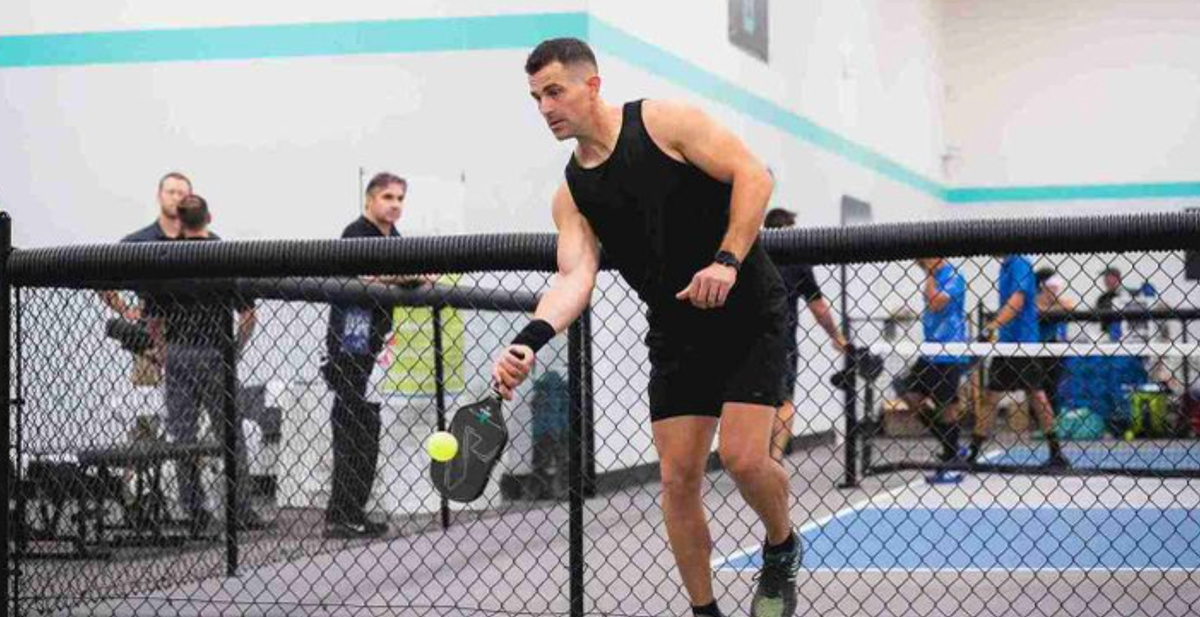
Pickleball Serve Footwork Stance: Load & Weight Transfer
Your pickleball serve footwork stance is the foundation of every point you start: get it wrong and no amount of arm swing will save you. This guide breaks down exactly how to set your feet, load your hips, and transfer weight for a serve that’s both powerful and repeatable.
 The Dink PickleballThe Dink Media Team
The Carry-Over: What Better Footwork Changes On Court
When you improve footwork off court for pickleball, everything downstream improves too. When your feet arrive early, you hit from balance.
When you hit from balance, your shot selection expands. You stop hitting survival balls and start hitting intentional ones.
The mid-court pickleball tips that feel impossible when you're scrambling become manageable when your feet are on time.
The 4th shot tips and court coverage apply the same principle to doubles positioning. Train the feet. Everything else levels up with them.
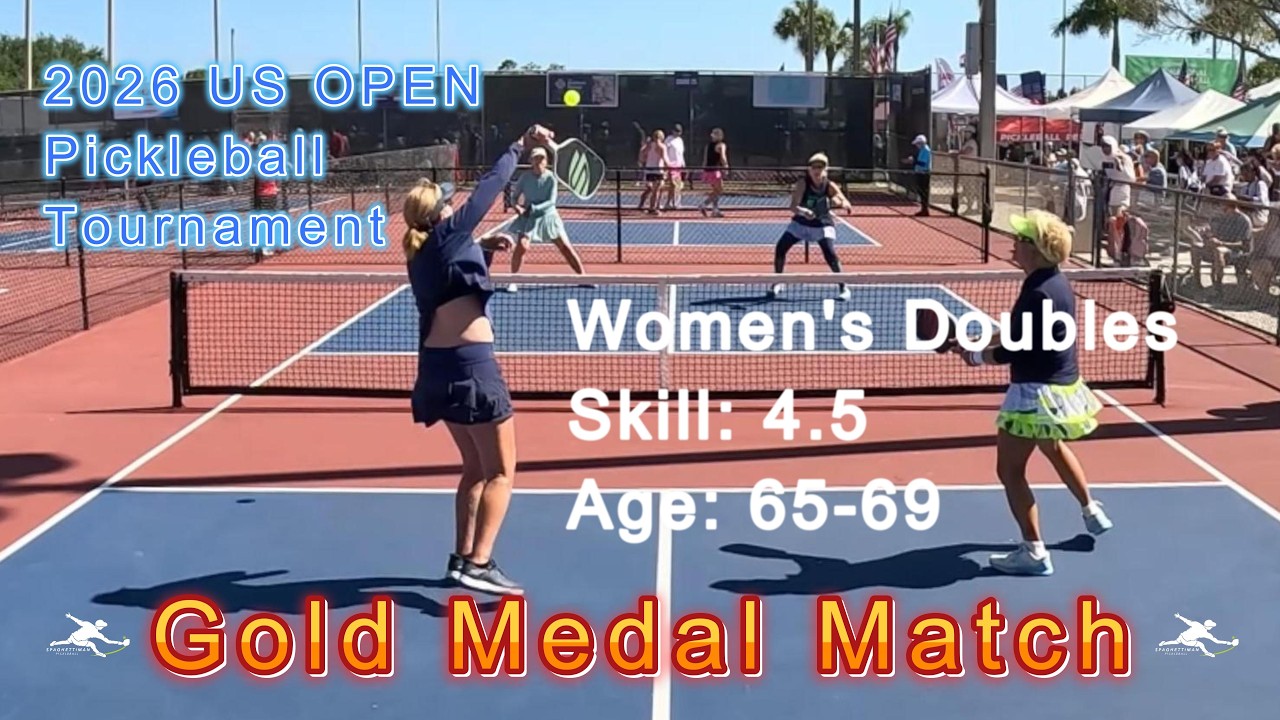
Pickleball Mechanics for Seniors: Grip, Footwork & Net Play
If your footwork is sharper, your grip is more efficient, and your positioning is smarter, you can compete at any age.
 The Dink PickleballThe Dink Media Team
Key Takeaways
- Off-court agility and speed training directly transfers to better pickleball court movement
- The split step is the single most important footwork mechanic to train
- Ladder drills, resistance band work, and lateral shuffles are the highest-ROI off-court exercises
- Reaction time and quickness are trainable, not fixed traits
- Consistency off court compounds fast: 3 sessions per week produces measurable results within 4–6 weeks
💡
Heads up: hundreds of thousands of pickleballers read our free newsletter.
Subscribe herefor cutting edge strategy, insider news, pro analysis, the latest product innovations and more.
Frequently Asked Questions
How long does it take to improve pickleball footwork off court?
Most players notice improvement within four to six weeks of consistent off-court training. Research from the Journal of Strength and Conditioning Research shows that lateral agility improves significantly after six to eight weeks of structured training, three sessions per week. The split step tends to become automatic even faster, sometimes within two weeks, because it's a timing skill as much as a physical one.
What are the best off-court exercises to improve pickleball footwork?
The highest-ROI off-court exercises for pickleball footwork are lateral band walks, agility ladder drills (especially the Ickey Shuffle and in-in-out-out patterns), skater bounds, and split step practice with a reaction cue. These directly target the hip strength, foot speed, and reactive movement patterns used during court play. Plyometrics like box jumps and broad jumps build the explosive first-step power that makes early court positioning possible.
How do I improve footwork off court for pickleball without any equipment?
You don't need equipment to improve footwork off court for pickleball. Lateral shuffles across your living room, split step practice timed to audio cues, broad jumps on a soft surface, and direction-change cone drills (using water bottles or shoes as markers) all build court movement effectively. Consistency matters more than gear. Three focused sessions per week of 15–20 minutes each are enough to drive real improvement.
Is agility training the same as speed training for pickleball?
Not exactly. Speed refers to how fast you move in one direction. Agility refers to your ability to change direction quickly and efficiently. Pickleball demands both, but agility is the more specific skill because the game constantly requires directional changes at the kitchen line, in the transition zone, and during overhead recovery. Both qualities are trainable off court, and the best programs build them together rather than treating them as separate.
Can older players improve pickleball footwork with off-court training?
Absolutely. Footwork and reactive speed are trainable at any age, though the approach may need adjusting. Older players benefit from lower-impact agility work (ladder drills without jumping), resistance band lateral training, and balance-focused exercises that reduce injury risk while still building court movement. The pickleball fitness for seniors guide covers exactly how to structure this kind of training safely and effectively.
Anuncie Aqui / Advertise Here
Sua marca para o mundo Pickleball! / Your brand for the Pickleball world!



 English (US) ·
  Portuguese (BR) ·