
 English
  Spanish
  Portuguese
  German
  Italian
  Japanese
  French
  Polish
  Russian
  Netherlands
  Hungarian
  Turkish
  Videos
  Thedink Pickleball

Professional pickleball player Ashley Griffith breaks down five essential strategies to help you stop getting attacked and feel more confident during rallies. From keeping the ball low to improving your footwork, these techniques will transform how opponents pressure you on the court.
If you constantly feel like opponents are speeding everything up at you, pressuring you, or forcing bad balls, you're not alone.
The difference between advanced players and everyone else often comes down to one thing: they're really hard to attack.
Learning how to stop getting attacked in pickleball isn't about hitting harder or moving faster.
It's about making smarter decisions and positioning yourself so your opponents have fewer opportunities to put you away.
Ashley Griffith, a professional pickleball player on the PPA Tour, breaks down exactly how to become way less attackable and instantly feel more confident during rallies.
Here are the five strategies that separate the players who control the court from those who spend rallies on their heels.
Love pickleball? Then you'll love our free newsletter. We send the latest news, tips, and highlights for free each week.
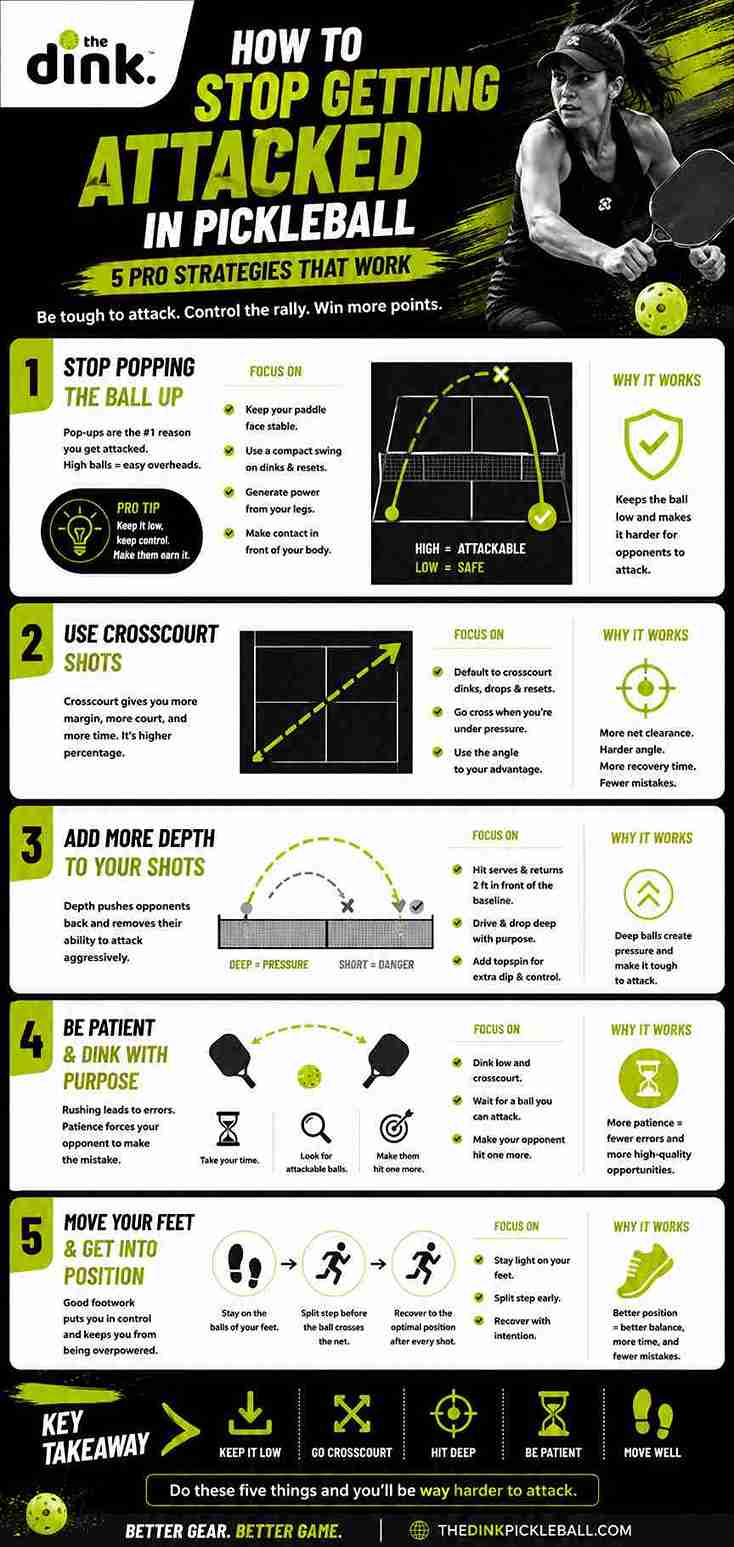
1. Stop Popping the Ball Up in a Pickleball Attack Situation
The number one way you're going to get attacked in pickleball is by popping the ball up.
When you hit a pop-up, the point is usually over before it even gets interesting. So how do you prevent this?
First, keep your paddle face stable. If you're not keeping it stable and sturdy, you can easily turn it upward, which is where most pop-ups come from.
The second mistake is having too big of a swing on soft shots like dinks and resets.
When you have a big swing on these control shots, you often give the ball too much and pop it up.
Here's the thing: you want to get power through your legs, not through huge swings on the ball.
That's where things become uncontrollable and end up flying on you. Your contact point matters too.
When you're hitting the ball out in front, you're early and you're stable.
But when your contact point is behind you and you're reaching, that's another huge reason you hit a lot of pop-ups.
Understanding this one spot that forces the most pop-ups in pickleball can immediately clean up your ball control.
Remember that the higher the ball is, the easier it is to attack.In pickleball, you want to be getting the ball below shoulder height to limit those attacks.
The second it gets higher than that, it's an overhead or a volley down at your feet that's really easy to put away.
The fix: Stop popping the ball up by prioritizing hand speed and paddle positioning over a big swing every single time.
2. Use Crosscourt Shots to Prevent a Pickleball Attack
When you hit the ball crosscourt, you have way more net margin because the middle of the net is a lot lower than straight down the line.
You also have a lot more court space because when you're hitting at a diagonal, you have extra feet in depth that you wouldn't have going down the line.
The angle is also harder to attack coming from crosscourt than directly at someone.
It gives you way more recovery time, and the crosscourt dink and drop is just overall a lot safer.
When Ashley Griffith first started playing pickleball, she would go down the line a lot.
But she slowly realized that the crosscourt shot is so underutilized because it's just a lot more high percentage.
When you hit a lot more high percentage shots, you're way less attackable.Hitting a crosscourt drop or a crosscourt dink is one easier to make and two harder to attack.
If you're under pressure or just not feeling confident in a certain shot, whether it's a forehand or a backhand, going cross is going to be so much more high percentage and consistent.
This works on anything too. It can be on a reset, a dink, a drop, or a drive.
If you want to see exactly how to execute the perfect crosscourt attack, the mechanics are straightforward once you understand the geometry.
It's a great spot to mix in, and you can still be aggressive when hitting it.
💡
Need some new pickleball gear? Get 20% off select paddles, shoes, and more with code THEDINK at
Midwest Racquet Sports3. Add More Depth to Your Shots to Neutralize a Pickleball Attack
Hitting short balls without depth is a huge reason you get attacked in pickleball.
Good depth puts so much pressure on your opponent and makes it so much harder for them to hit a return, a drive, or a third shot off of a deep, hard ball.
Griffith has personally been working on this a lot because she notices when she plays a player that hits deep balls, it's so much harder to attack and create.
She's really worked on hitting hard deep serves about two feet in front of the baseline. Hard deep returns should also be about two feet in front of the baseline.
If you're hitting a drive or a hard third, you want it to be right two feet in front of the baseline too.
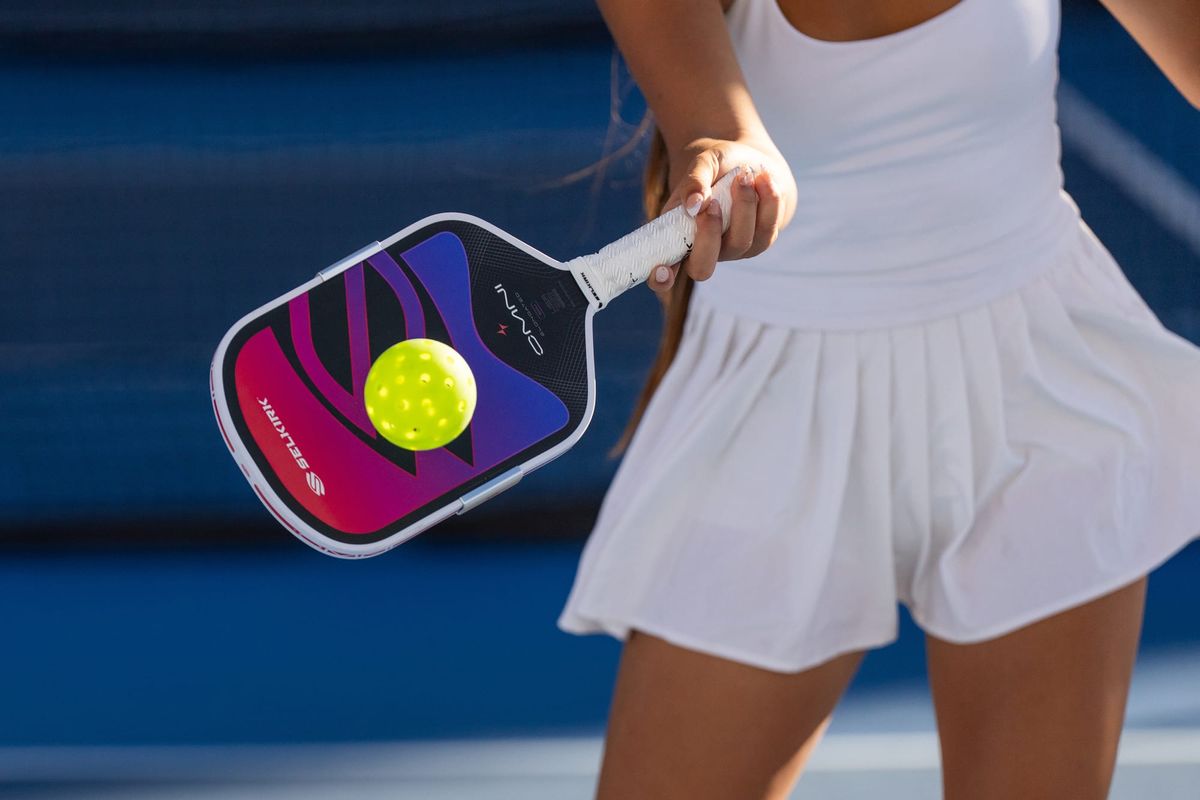
Photos: Selkirk Omni Debuts as Successor to the Boomstik
An all-court, full-foam paddle that will debut in a range of shapes and colors.
 The Dink PickleballAlex E. Weaver
This gives you a lot of protection to start the point, get to the net, do what you need to do, and not be on defense.
The first thing you need to do to have depth is hit hard with good solid speed.
But you also want to have a good shape on the ball because hitting hard without spin isn't going to push them back as much.
Understanding why depth is key in a pickleball return gives you the strategic context behind this shot selection.
Focus on having good topspin, good brush up on the ball, and good solid pace on your shots.A great way to practice this is by simply practicing hitting hard shots all the time. Short balls are going to get attacked. Deep balls keep you neutral.
If you want to sharpen your ball-flight control, learning how to hit a heavy topspin drive in pickleball will add the shape and penetration that makes your depth shots far more effective.
6 Pickleball Shots Shaping the Future of the Game
The pickleball shot landscape is evolving fast, and the players who master these six techniques will have a serious competitive advantage. From the two-handed backhand to the off-the-bounce combo, here’s what you need to know to stay ahead in 2026.
The Dink PickleballThe Dink Media Team
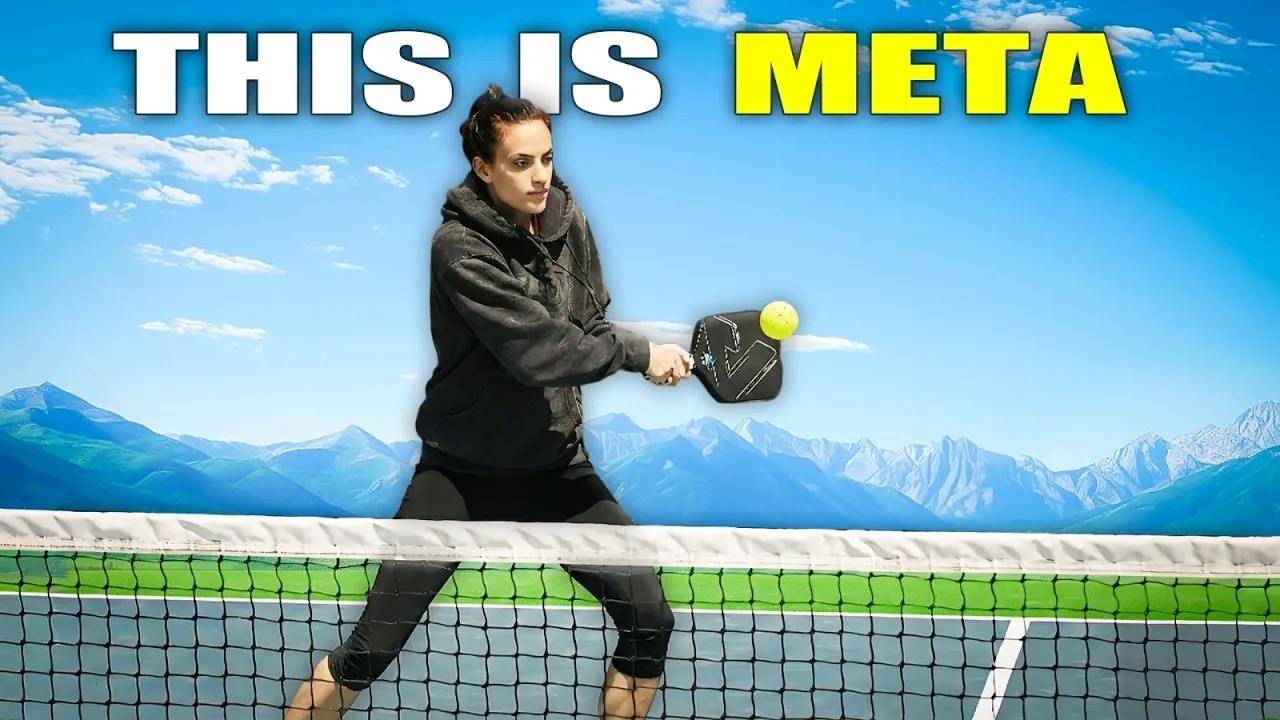
How Does Topspin Help You Avoid Getting Attacked?
Topspin forces the ball to dip as it crosses the net, making it harder for your opponent to take a high aggressive swing.
A ball with heavy topspin and good depth lands deep, bounces high off the baseline, and creates a rushed response.
That rushed response is exactly the kind of unattackable situation you want to manufacture.
Pair topspin with depth and your opponent's pickleball attack window closes fast.
Mastering Pickleball Topspin: 5 Common Mistakes and How to Fix Them
By maintaining a stable face and letting the path of the paddle create the spin, you widen your margin for error and maximize consistency
The Dink PickleballThe Dink Media Team
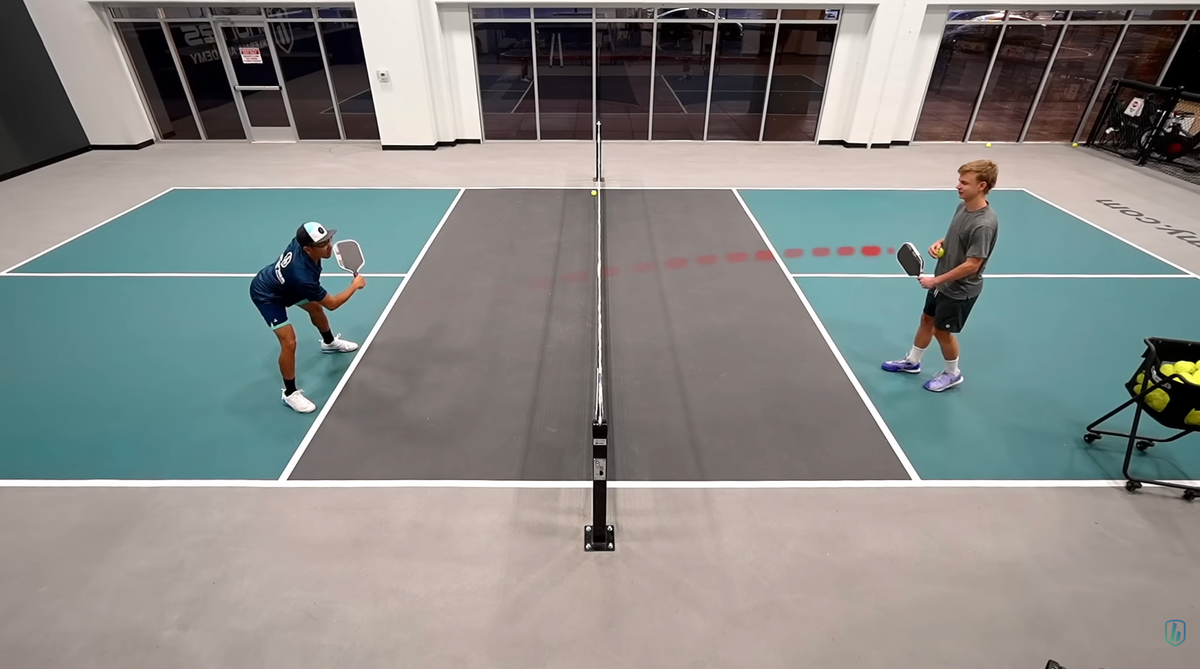
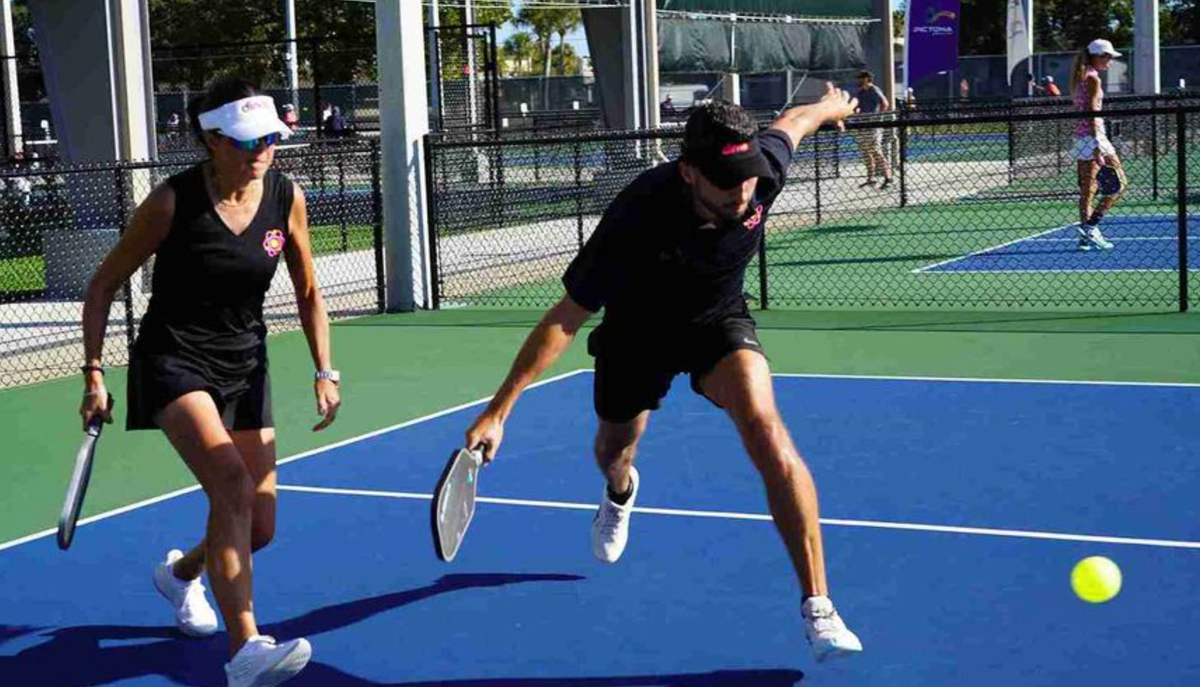
Better footwork has a huge correlation with not getting attacked in pickleball.
Usually when you're off balance and not getting stable and set for the shot, you're hitting an attackable ball.
So how can you have better footwork and get in better position to avoid attacks?
The first thing is having a good ready position. This doesn't just mean having your paddle up and being ready. It means getting low and being up on your toes.
Griffith notices that amateurs are often in a ready position but super flatfooted. When you're up on your toes, it allows you to spring off and move quicker.
Flatfooted is just a lot harder to burst off into the shot.Use small adjustment steps rather than just doing one large reaching step. You can do lots of tiny steps to get to the ball.
Never hit falling backwards. You want to at least be neutral or falling forward into your shot. That also goes along with staying balanced when you hit.
Working on perfecting your pickleball posture is foundational here, because balance and footwork are inseparable in the modern game.
Another thing that goes along with this is recovering back after you hit the shot.
Many amateur players hit and end up off one side of the court without rushing back to get back to the middle.
You have to remember to recover and get back into your ready position when you're going to hit the next ball.
If your body keeps betraying you on attacking situations, consider how much stopping stupid shots and letting balance change everything actually moves the needle.
How to Improve Pickleball Footwork: 5 Pro Drills
Pickleball footwork drills are the fastest way to close the gap between your shot-making ability and your actual on-court results. Here are five drills that competitive players use to move faster, recover quicker, and stop giving away free points.
The Dink PickleballThe Dink Media Team
What Ready Position Actually Means in Pickleball
The ready position isn't just a posture, it's a launch pad.
Your weight should be on the balls of your feet, your paddle should be up and in front, and your eyes should track the ball at all times.
Amateurs tend to settle flat-footed and upright between shots, which adds a half-second delay to every reaction.
That half-second is all a skilled opponent needs to turn your neutral ball into a pickleball attack.
5. Be Ready for the Next Ball to Shut Down the Pickleball Attack
This correlates directly to footwork, but there's a lot of other things you can do to be ready for the next ball as well.
You want your paddle to be up in front. Griffith notices a lot of amateur players not doing this.
You have to have a good solid ready position, not just in the legs, but also paddle being up and just looking forward and looking at the ball being engaged.
You want to be following the ball in the point even if it's not coming to you so you can be super ready when it does come to you.
Another thing is you don't want to be admiring your shots. We're all guilty of this.
You hit a great shot, you think it's a winner, you're looking at it, it's great, then they get the ball back and you lose the point.
You have to not admire your shots till the ball bounces twice and the point is over.Always stay ready because in pickleball there are crazy gets and crazy net cords.
The big thing to focus on is anticipation, which goes along with watching the ball and watching your opponents.
This is something a lot of amateur level players don't do. As a pro, Griffith is definitely doing this. She's trying to read and react.
If you start to work on watching where the ball contacts and watching if they're falling back or running forward, you can anticipate and be a lot more ready.
That habit is exactly what how to anticipate every shot like a pickleball pro breaks down in detail.
Developing that skill also connects directly to the rope rule and the simple positioning secret to stop ball watching, a concept worth studying if your attention drifts mid-rally.
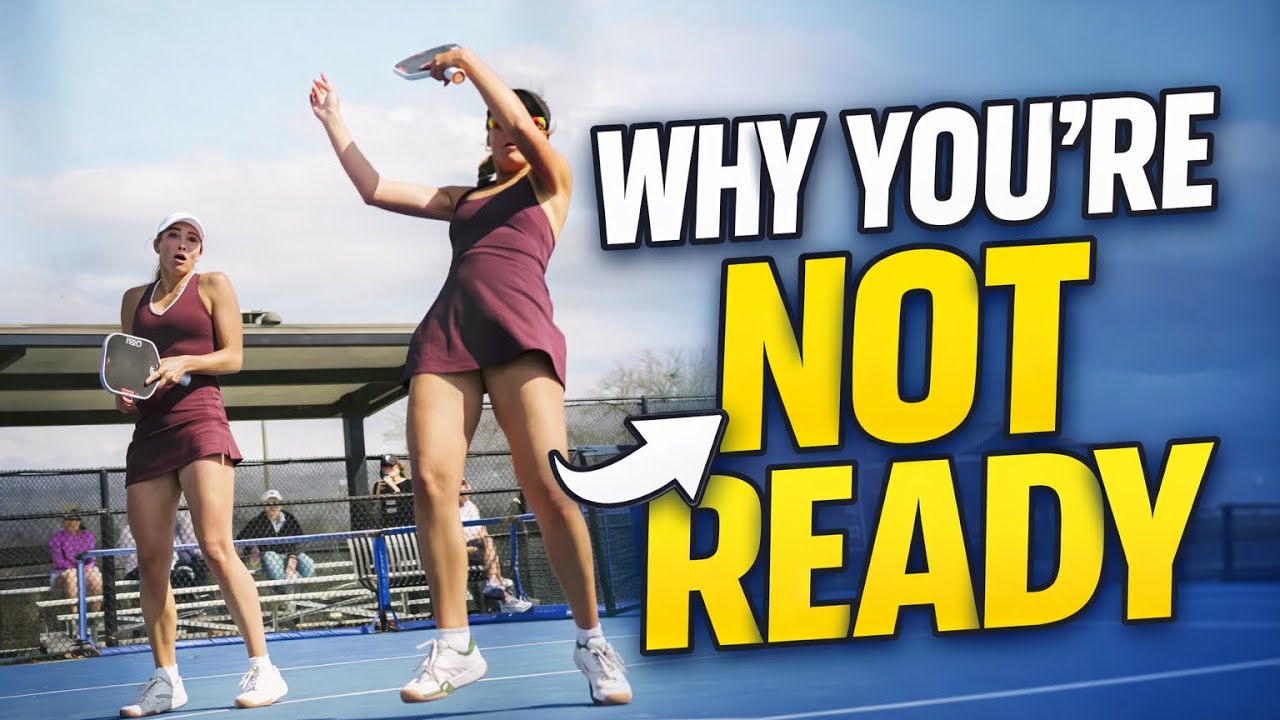
Pickleball Ready Position: Why You’re Never Ready For Shot
Your ready position is the foundation of every defensive play in pickleball. Master this fundamental technique and you’ll react faster, defend better, and win more points.
The Dink PickleballThe Dink Media Team
Putting It All Together: How to Stop Getting Attacked in Pickleball
If you want to become less attackable in pickleball, you want to keep the ball low and stop popping it up over the net.
You also want to use crosscourt for more recovery time and margin. Focus on adding more depth to all of your shots.
Use better footwork so you can stay balanced and recover quickly, and be mentally engaged to be ready for the next shot.
If you're serious about leveling up your overall game, the 12 drills you need to play your best pickleball in 2026 gives you a structured practice roadmap built around exactly these concepts.
If you can do those five things consistently, you're going to feel way more stable in rallies and make it much harder for opponents to put pressure on you.These strategies are going to make you way less attackable and allow you to feel more confident and aggressive so you can start being the one that's attacking in points.
For a complete overview of offensive patterns and when to flip the script, check out the dos and don'ts of attacking in pickleball and learn where to attack your opponent in pickleball when it's your turn to apply pressure.
Want to put this all into a cohesive game plan?
A simple 4-step system to win more pickleball games in 2026 ties together shot quality, positioning, and mental engagement into one actionable framework.
💡
Heads up: hundreds of thousands of pickleballers read our free newsletter.
Subscribe herefor cutting edge strategy, insider news, pro analysis, the latest product innovations and more.
Frequently Asked Questions
What's the Most Common Reason Players Get Attacked in Pickleball?
Popping the ball up is the number one way players get attacked in pickleball. When the ball goes above net height, your opponent has an easy opportunity to hit an overhead or a volley down at your feet that's nearly impossible to defend. Keeping the ball low and stable is the foundation of becoming less attackable.
How Can I Improve My Depth on Serves and Returns?
Hit hard deep serves and returns about two feet in front of the baseline. Focus on having good topspin and brush on the ball, not just speed. Practicing hard shots consistently will help you develop the feel for depth and penetration that keeps opponents neutral instead of on the attack.
Why Is Crosscourt Hitting Safer Than Down-the-Line Shots?
Crosscourt shots have more net margin because the middle of the net is lower than straight down the line. You also have extra court space when hitting diagonally, which gives you more recovery time. The angle is also harder for your opponent to attack compared to a shot hit directly at them.
What's the Connection Between Footwork and Getting Attacked in Pickleball?
When you're off balance and not stable, you hit attackable balls. Good footwork means staying up on your toes in your ready position, using small adjustment steps, and recovering back to the middle after each shot. This stability allows you to hit solid, controlled shots that are harder for opponents to attack.
How Do I Stay Mentally Ready During Long Rallies?
Follow the ball in the point even if it's not coming to you, keep your paddle up in front, and don't admire your shots until the point is over. Anticipation is key, so watch where your opponent contacts the ball and read their body language. This mental engagement keeps you ready for anything they hit.
Anuncie Aqui / Advertise Here
Sua marca para o mundo Pickleball! / Your brand for the Pickleball world!



 English (US) ·
  Portuguese (BR) ·