
 English
  Spanish
  Portuguese
  German
  Italian
  Japanese
  French
  Polish
  Russian
  Netherlands
  Hungarian
  Turkish
  Videos
  Thedink Pickleball

Wisdom beats athleticism in pickleball. Coach Jess reveals three proven pickleball strategies that help experienced players win against younger, faster opponents through smart placement and court control rather than raw power.
If you've ever stepped on a pickleball court and felt outmatched by someone half your age, you're not alone.
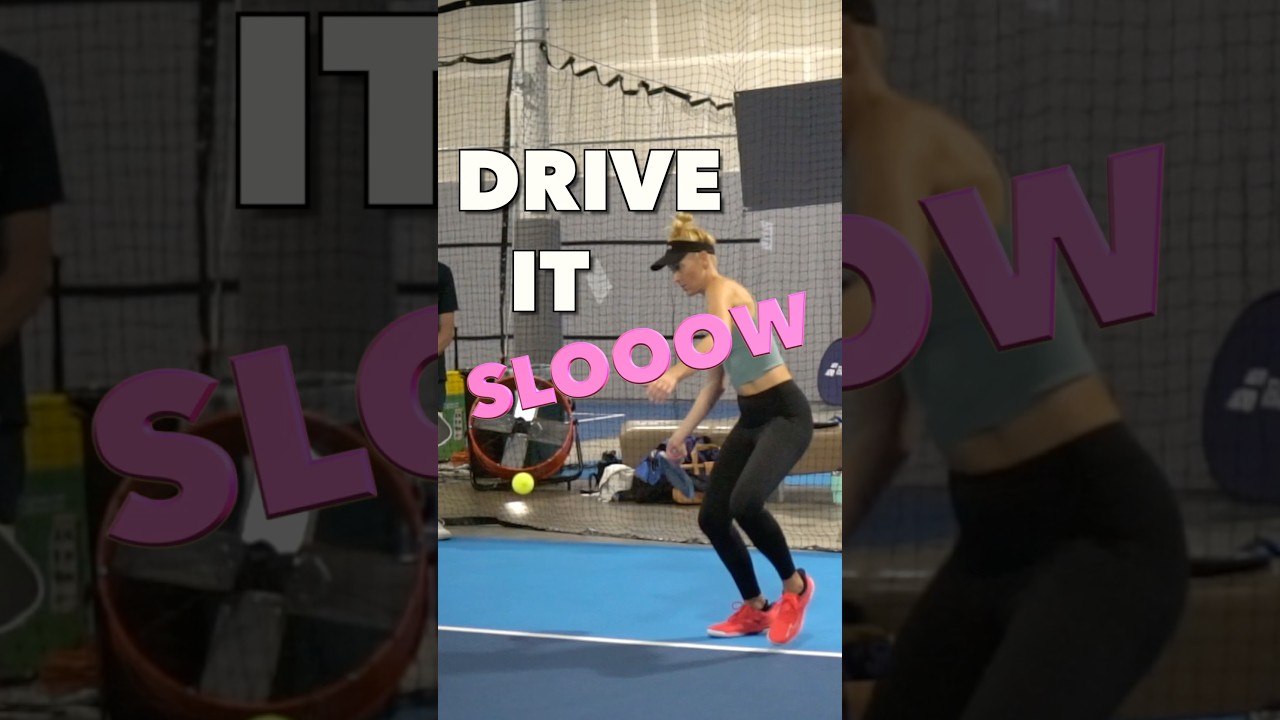
The instinct is usually the same: hit harder, move faster, try to overpower them. But pickleball strategy tells a different story. According to Coach Jess from Athena Pickleball, a 48-year-old open-level player who regularly competes against opponents significantly younger, the real weapon isn't your arm strength—it's your brain.
"If you keep trying to overpower younger players, you're playing the wrong game," Coach Jess explains in a recent video breakdown.
Instead of chasing athleticism, experienced players can lean into what they do best: placement, patience, and court intelligence. The result? A completely different approach to pickleball strategy that levels the playing field.
The Chess Match Mentality: Why Placement Beats Power
Here's the thing about younger players: they've got reflexes, speed, and the ability to generate power from almost any position. What they often lack is the understanding that pickleball isn't a game of raw athleticism. It's a chess match.
Coach Jess emphasizes a fundamental principle: make your opponents hit up. When you can get the ball at their feet, you create opportunities. You build points. You take control of the rally rather than hoping to bulldoze your way through it.
"Finding their feet equals attackable balls," Coach Jess says. "And engineering attackable balls means you win more."
The demonstration is simple but powerful. When a ball comes in low and soft, requiring an upward swing, it's inherently more difficult to handle than a ball at chest height. This isn't about power—it's about geometry and positioning. By consistently placing balls low, you force your opponent into a reactive position where they have fewer options.
This is where pickleball strategy separates experienced players from athletic ones. A younger player might hit a faster ball, but if it's at a height where you can attack it, they've already lost the point. The chess match is about controlling what your opponent can do before they even hit the ball.
Strategy #1: Make Them Hit Up (The Foundation)
The first pickleball strategy Coach Jess teaches is deceptively simple: keep the ball low. But simplicity doesn't mean it's easy to execute consistently.
When you're dinking—those soft, controlled shots at the kitchen line—your goal is to keep the ball below net height on your opponent's side. This forces them to hit upward, which means the ball will travel higher when it comes back to you. A higher ball is an attackable ball.
"It's harder because I've hit down on the ball and you have to hit up," one of Coach Jess's demonstration partners explains after receiving a low dink. "It's a more awkward position."
This awkwardness is the entire point. By making your opponent uncomfortable, you're creating the conditions for an error or a weak return. Over the course of a match, these small advantages compound. You're not trying to hit a winner on every shot—you're building points methodically.
The key here is patience. Younger players often want to speed up the ball and end the point quickly. But if you can resist that urge and instead focus on placement, you're playing to your strengths. You're controlling the tempo of the match.
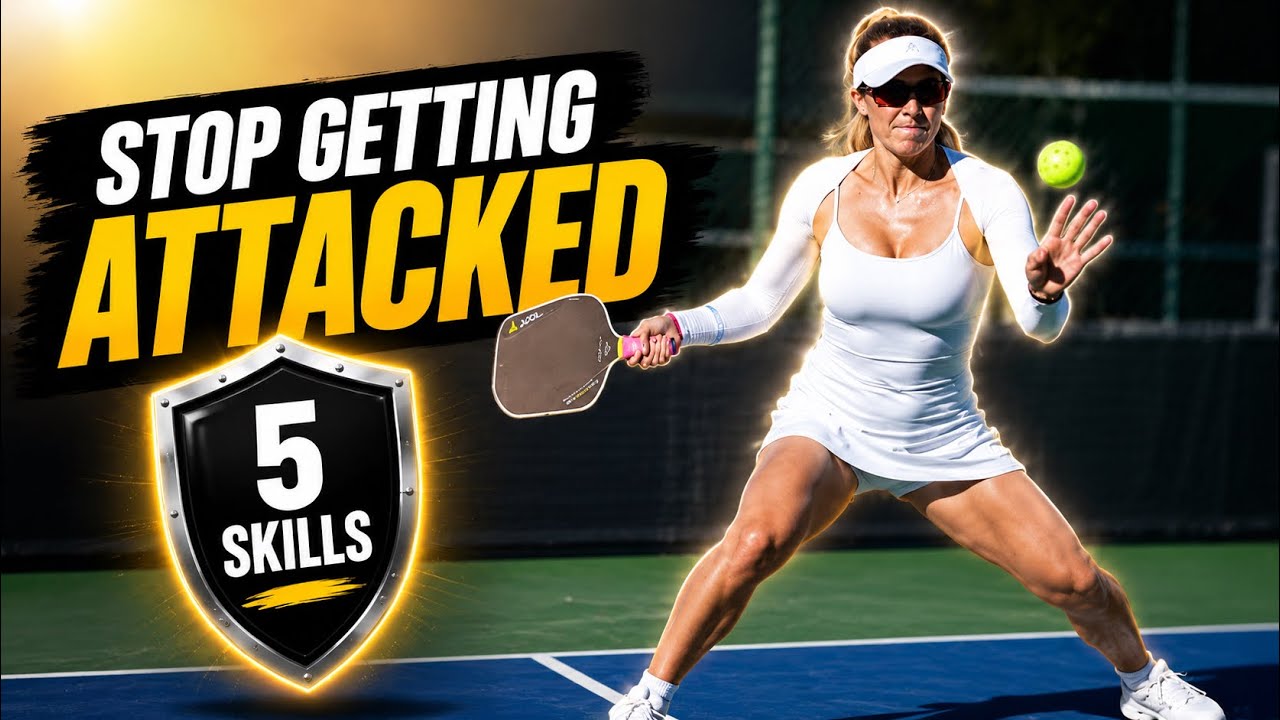
How to Stop Getting Attacked in Pickleball
Professional pickleball player Ashley Griffith breaks down five essential strategies to help you stop getting attacked and feel more confident during rallies. From keeping the ball low to improving your footwork, these techniques will transform how opponents pressure you on the court.
 The Dink PickleballThe Dink Media Team
Strategy #2: Take Time Away and Create Space
The second pickleball strategy involves a counterintuitive concept: taking time away from your opponent actually puts more pressure on them, not less.
When Coach Jess demonstrates this principle, she shows the difference between letting a dink bounce and hitting it out of the air. By taking the ball early—what's called a volley dink—she shortens the time her opponent has to react and set up for their next shot.
"I'm taking time away. I'm putting more pressure on her, so she has to move a little bit quicker," Coach Jess explains.
But there's more to this pickleball strategy than just hitting balls early. The real sophistication comes from combining time pressure with spatial pressure. By pulling your opponent wide with a dink, you open up the middle of the court. Their partner can't cover everything, and suddenly you have an opening to attack.
Heads up: hundreds of thousands of pickleballers read our free newsletter. Subscribe here for cutting edge strategy, insider news, pro analysis, the latest product innovations and more.
The pattern Coach Jess teaches involves a sequence: hit an aggressive dink to pull one opponent wide, then volley dink back to the other side to keep them off balance. Once they're split and scrambling, the middle becomes vulnerable. That's when you attack.
"Smarter players are going to open up the court, create those spaces, and then look for that time that they can attack into those open spaces," Coach Jess says.
This is where pickleball strategy becomes an art form. You're not just hitting the ball—you're orchestrating movement. You're using the court like a chess board, moving your opponents into positions where they can't defend effectively.
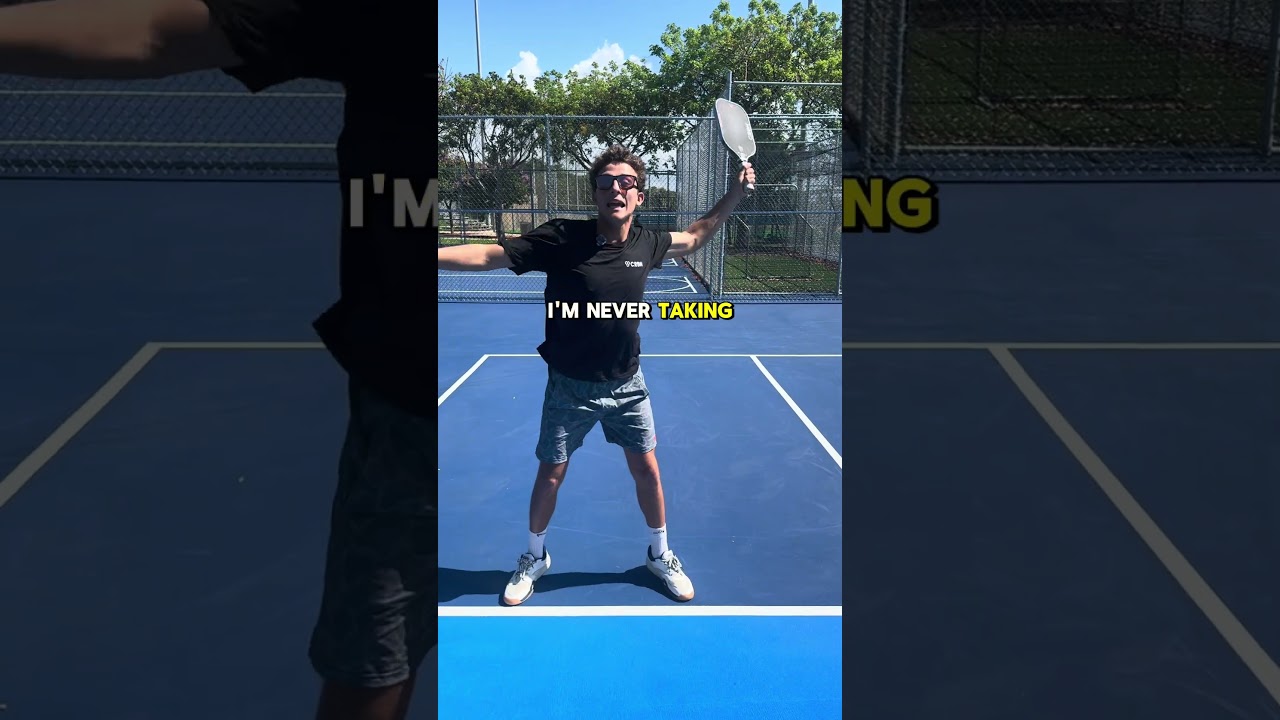
How to Hit the Forehand ‘Slap’ Shot in Pickleball
Unlike an overheard smash, the forehand slap is a compact, violent putaway motion used on balls hanging just above shoulder level.
The Dink PickleballThe Dink Media Team
Strategy #3: Control the Middle (The Underrated Weapon)
If there's one pickleball strategy that separates good players from great ones, it's understanding the power of middle balls.
"Everyone wants to hit that sexy crosscourt angled winner," Coach Jess says. "But one thing that's maybe a little less sexy but very effective is the strategy of hitting balls towards the middle."
Why are middle balls so effective? There are three reasons, according to Coach Jess:
First, a ball hit to the middle takes away your opponent's angles. If the ball comes from the middle of the court toward the middle, your opponents have limited space to work with. They can't pull you off the court the way they could if the ball came from near the sideline.
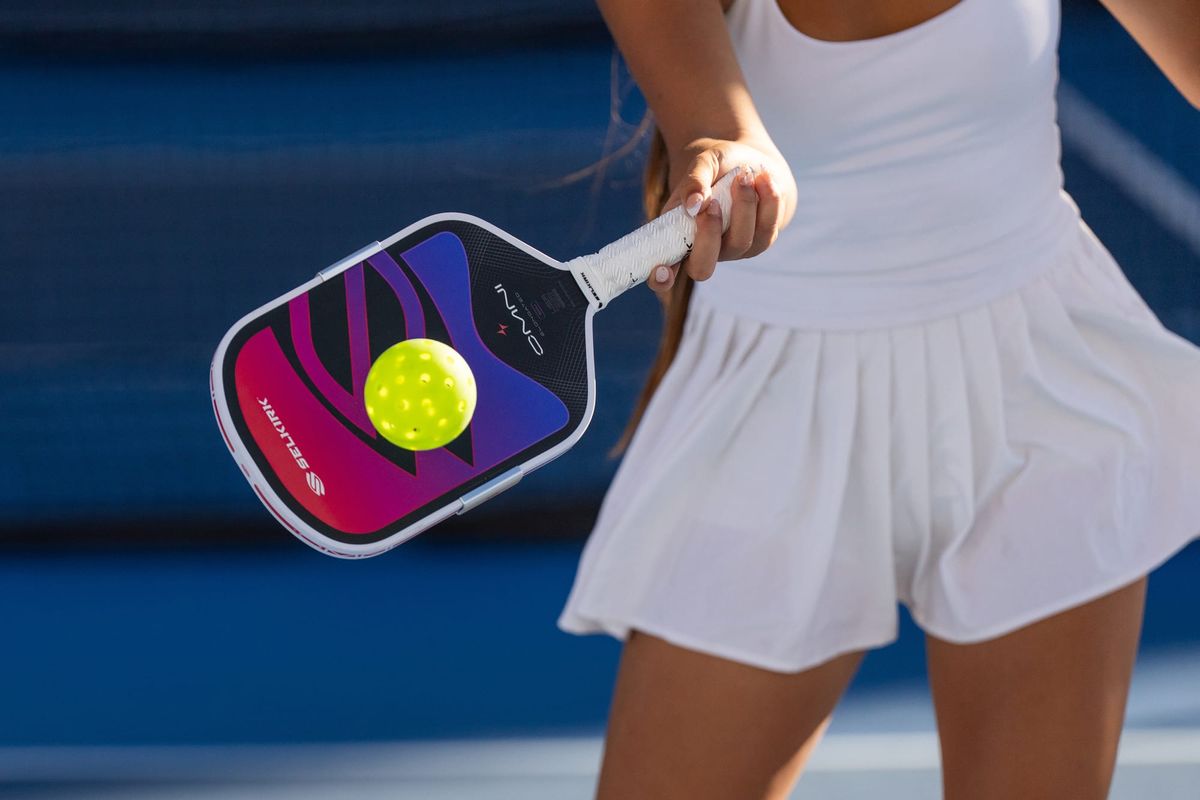
Photos: Selkirk Omni Debuts as Successor to the Boomstik
An all-court, full-foam paddle that will debut in a range of shapes and colors.
The Dink PickleballAlex E. Weaver
Second, middle balls create confusion. When a ball comes down the middle, it's not immediately clear whose responsibility it is. This communication breakdown often results in a pop-up or a weak return.
Third, middle balls find the inside foot of your opponent, which is an awkward position to hit from. "When we find the inside foot, that's generally a very hard dink to hit," Coach Jess explains. "It's something where they've got less space to get it in the kitchen with it being still effective and it's kind of an awkward position."
The phrase "middle solves the riddle" has become popular in pickleball circles for good reason. When you're feeling pressured or like you're being run over, shifting your focus to the middle is a reset button. It slows the game down, forces communication, and creates opportunities.
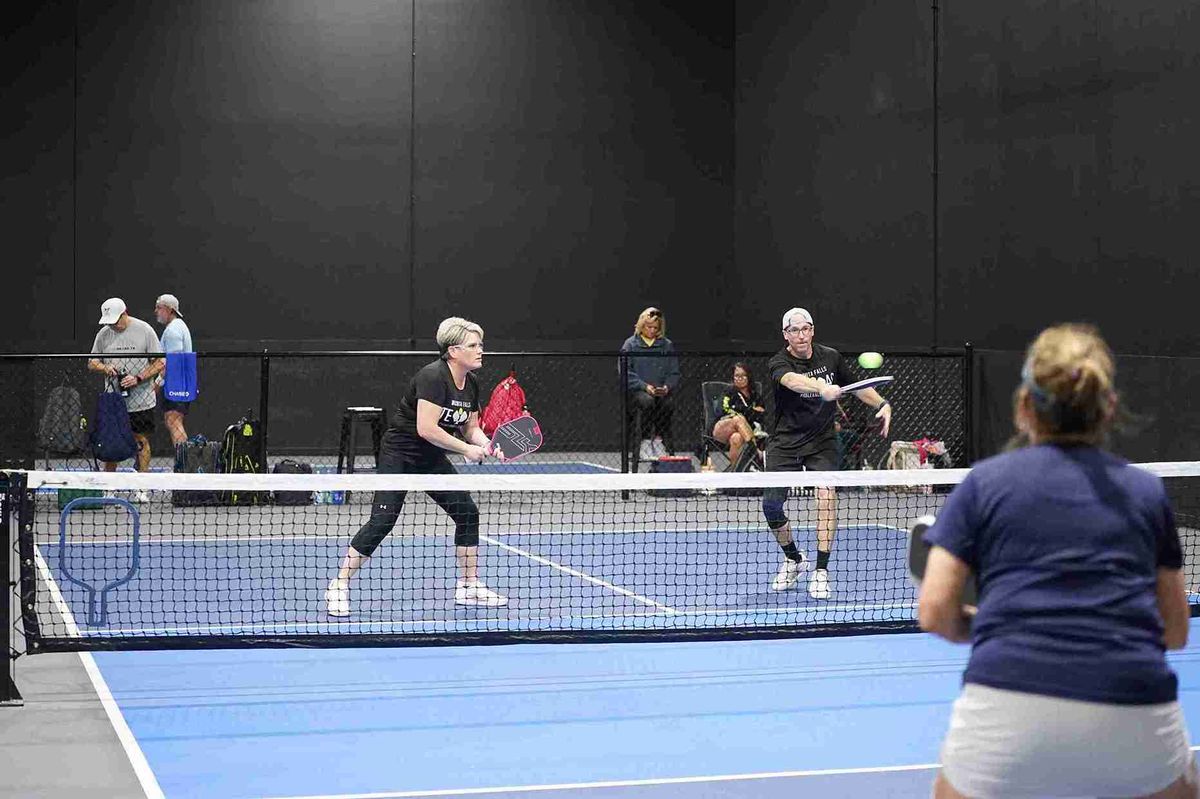
Who Covers the Middle in Pickleball Doubles?
In pickleball doubles, who covers the middle is one of the most debated questions on the court. The short answer: the player with the forehand, but the full answer is a lot more nuanced than that.
The Dink PickleballThe Dink Media Team
Putting It All Together
The three strategies—making them hit up, taking time away while creating space, and controlling the middle—aren't meant to be used in isolation. They work together as a system.
A typical point might look like this: you start by dinking low to keep your opponent in a defensive position. As they adjust, you pull them wide with a placement dink, opening up the middle. You then volley dink back to the other side, creating time pressure. Finally, when they reset the ball, you attack down the middle where they're vulnerable.
This is pickleball strategy at its finest. It's not flashy. It won't get you viral clips on social media. But it wins matches.
💡
Heads up: hundreds of thousands of pickleballers read our free newsletter. Subscribe here for cutting edge strategy, insider news, pro analysis, the latest product innovations and more.
The Mindset Shift
Perhaps the most important takeaway from Coach Jess's breakdown is the mindset shift required to play this way. You have to let go of the idea that you need to overpower your opponent. You have to embrace the role of "strategic mastermind" rather than "bully."
"The sooner that you can accept this, the more dangerous your game is going to become," Coach Jess says.
This shift is harder than it sounds. Our instinct when we're losing is to hit harder, move faster, try to force the issue. But in pickleball, that's often exactly what your opponent wants. By slowing down, thinking ahead, and playing with purpose, you take control back.
Frequently Asked Questions
What's the difference between a dink and a volley dink?
A dink is a soft shot hit from near the kitchen line that lands in your opponent's kitchen. A volley dink is when you hit the ball out of the air before it bounces, taking time away from your opponent. Both are essential to pickleball strategy, but volley dinks add an extra layer of pressure by forcing quicker reactions.
Why is hitting to the middle so effective in doubles pickleball?
Middle balls are effective because they limit angles, create confusion about who should hit the ball, and often jam your opponent's inside foot. This combination makes it harder for your opponent to hit an aggressive shot, giving you more control of the rally.
Can younger players use these strategies too?
Absolutely. These strategies work at any age and skill level. In fact, younger players who learn to play smart pickleball early will have a significant advantage as they progress. The strategies aren't about age—they're about understanding the geometry and psychology of the game.
How long does it take to master these pickleball strategies?
You can start implementing these concepts immediately, but mastery takes time. Most players see improvement in their game within a few weeks of focused practice. The key is drilling these patterns repeatedly so they become automatic during matches.
What's the best way to practice these pickleball strategies?
Drill-based practice is most effective. Set up specific scenarios: practice keeping dinks low, practice volley dinking patterns, practice hitting middle balls. Once you're comfortable with the individual elements, play points where you focus on one strategy at a time before combining them all together.
Anuncie Aqui / Advertise Here
Sua marca para o mundo Pickleball! / Your brand for the Pickleball world!



 English (US) ·
  Portuguese (BR) ·