
 English
  Spanish
  Portuguese
  German
  Italian
  Japanese
  French
  Polish
  Russian
  Netherlands
  Hungarian
  Turkish
  Videos
  Thedink Pickleball

Mari Humberg breaks down her complete transition zone drill sequence, featuring five essential drills that will transform how you move from baseline to kitchen. Master the transition zone drill and become a more complete pickleball player.
If you've ever felt uncomfortable moving from the baseline to the kitchen line in pickleball, you're not alone.
The transition zone drill is arguably the most challenging part of the court to master, but it's also the most rewarding.
Mari Humberg, a respected pickleball instructor and content creator, has developed a comprehensive drilling sequence that addresses this exact problem.
Love pickleball? Then you'll love our free newsletter. We send the latest news, tips, and highlights for free each week.
Why the Transition Zone Drill Matters More Than You Think
Here's the thing: the transition zone is where most pickleball points are won or lost.
It's the space between the baseline and the kitchen line, and it requires a specific skill set that goes beyond just hitting the ball hard or soft.
You need consistency, balance, and the ability to make quick decisions under pressure.
Mari Humberg emphasizes that this isn't just about individual performance. When you're drilling the transition zone, both players benefit.
Your partner at the net gets to work on their aggressive shot pressure, while you develop the ability to handle those attacks and transition smoothly into the kitchen.
It's a two-way street, and that's what makes these drills so effective.The transition zone drill sequence takes approximately two hours to complete fully, which tells you something important: this is serious work.
But the payoff is undeniable.
Players who commit to this drilling routine see dramatic improvements in their court positioning, decision-making, and overall game consistency.
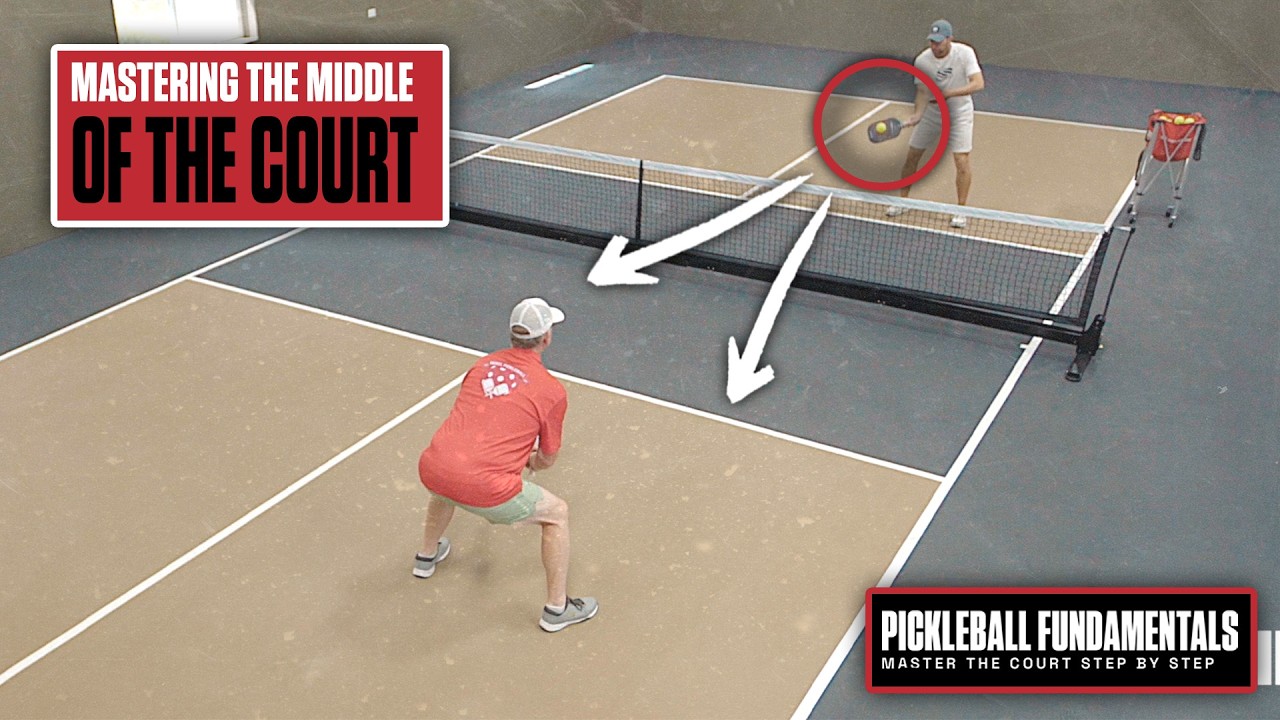
Win the Pickleball Transition Zone: Reset Shot Guide
The pickleball transition zone is where most players struggle, but mastering it separates beginners from competitive players. Learn the reset shot technique that gives you control of the middle court.
 The Dink PickleballThe Dink Media Team
The Five-Drill Transition Zone Sequence
Mari Humberg's approach breaks down the transition zone into five distinct drills, each building on the previous one.
This progression makes sense because it allows you to isolate specific skills before combining them into full-court scenarios.
1. Reset Consistency: The Foundation of the Transition Zone Drill
The first transition zone drill focuses purely on consistency from the midcourt.
You're hitting resets, which are soft shots designed to keep the ball low and force your opponent to hit up.
The goal is to hit 50 good resets in each direction (down the line and crosscourt on both sides), or spend three to five minutes working on this skill.
What makes this drill effective is the counting system.
If you miss, you don't reset to zero. You keep counting from where you were.This teaches mental resilience and prevents the frustration that comes with starting over. You're building muscle memory and confidence simultaneously.
Mari emphasizes that this drill isn't just for you. Your partner at the net is working on their aggressive shot pressure, learning how to hit winners off weak balls.
If your partner isn't fully engaged, the drill loses its value for both of you. That's why communication and mutual effort matter so much in pickleball training.
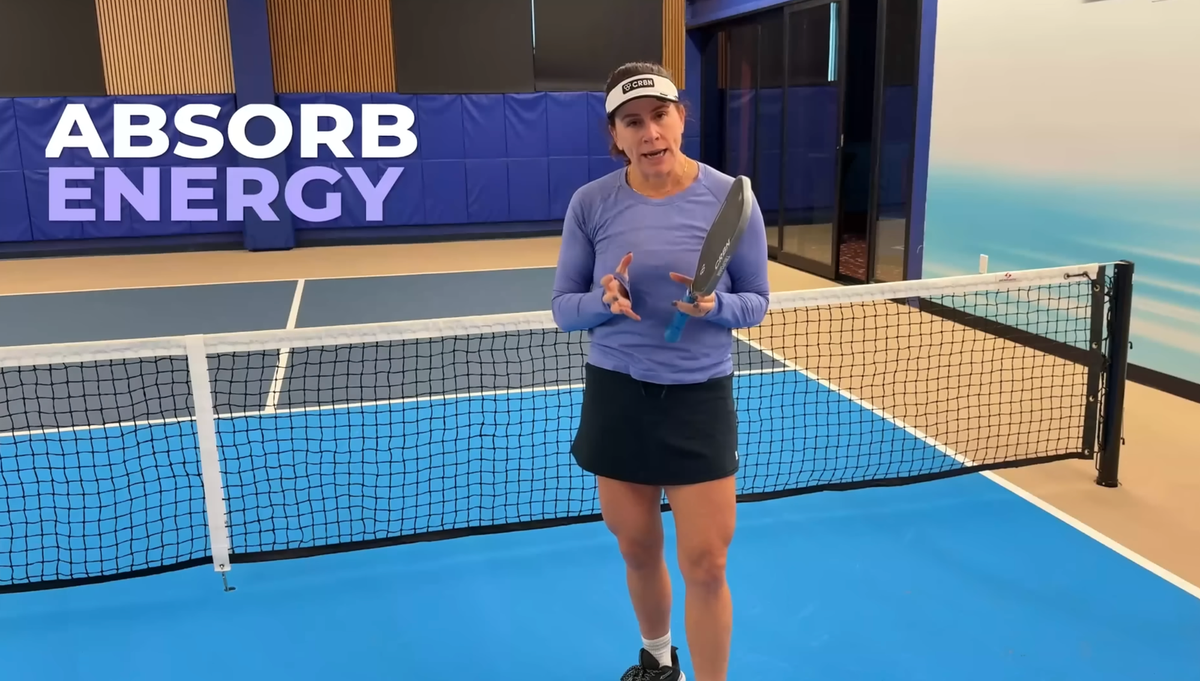
The Pickleball Reset: The One Skill That Takes You Beyond 3.5
By softening pace, controlling trajectory, and stabilizing through transition, players can use the reset to regain the kitchen and compete with stronger opponents
 The Dink PickleballThe Dink Media Team
2. Third Shot Drop Consistency: Adding Complexity to Your Transition Zone Drill
Once you've mastered reset consistency, you move to the third shot drop.
This is where things get interesting because you're now hitting from the baseline instead of the midcourt, and you're aiming for a much smaller target area.
The transition zone drill here follows the same structure: 50 good drops in each direction, or three to five minutes of focused work.
But now you're introducing variables. Mari hits both topspin and slice drops because different situations call for different techniques.
You need to be comfortable with both.
What's crucial here is defining what "good" means for you.Mari notes that her standard for a good drop might differ from yours, and that's okay. The point is to set a personal standard and hold yourself accountable to it.
This builds ownership of your game and prevents you from making excuses.
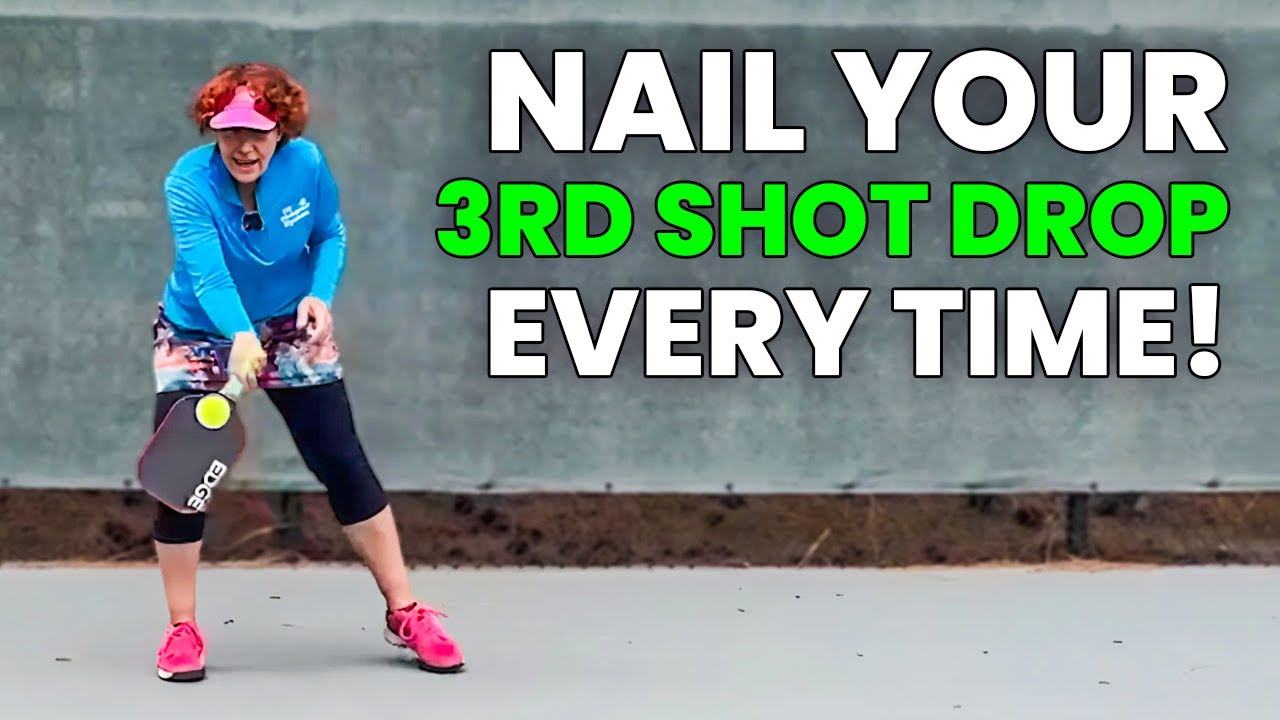
Master the Third Shot Drop: 3 Keys to Consistency
The third shot drop is one of pickleball’s most misunderstood shots. Here are three fundamental mechanics that separate consistent players from those who struggle.
 The Dink PickleballThe Dink Media Team
3. Drive and Drop Combos: When the Transition Zone Drill Gets Real
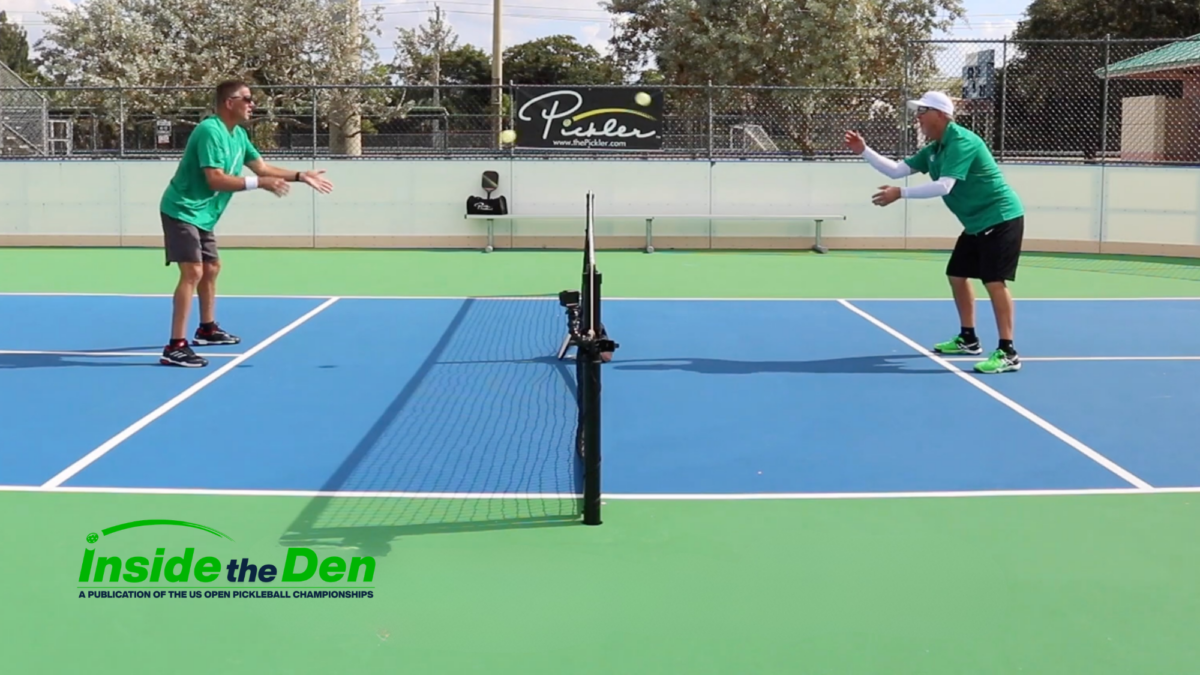
Now you're combining two different shots in sequence. You hit a drive, your partner volleys it back, you hit a drop, they volley again.
Every successful two-shot rally counts as one rep, and you're aiming for 10 to 20 of these combos.This transition zone drill is where the game starts to feel real. You're making decisions on the fly.
Do you drive or drop? What's your opponent doing? How do you respond?
Mari typically does these combos down the line rather than crosscourt because the angles work better for this particular drill.
The beauty of this drill is that it teaches you to be unpredictable while staying in control.
Your opponent can't anticipate whether you're going to drive or drop, so they have to stay ready for anything. That's exactly what you want in match play.
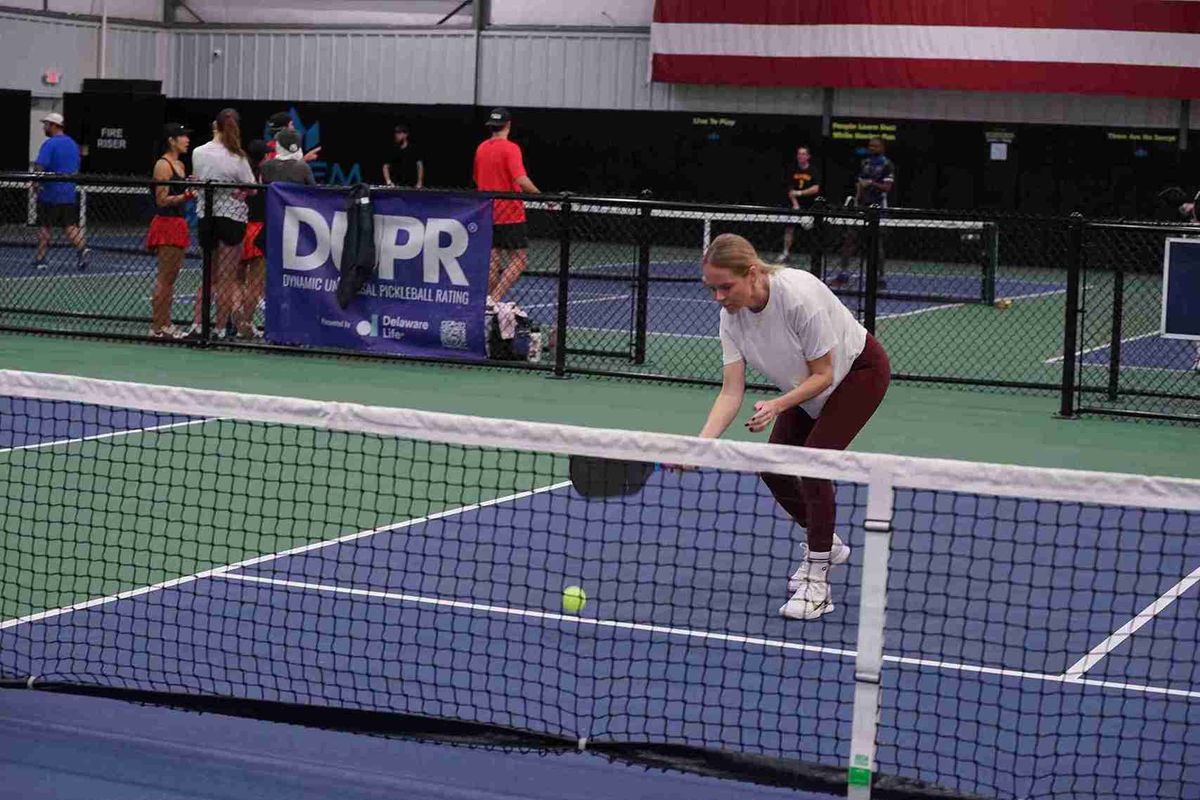
Third Shot Drop vs Drive in Pickleball: Make the Right Call
The third shot drop vs drive pickleball debate isn’t about picking a favorite, it’s about reading the rally and choosing the shot that actually works. This guide breaks down when to drop, when to drive, and how to stop guessing on ball three.
 The Dink PickleballThe Dink Media Team
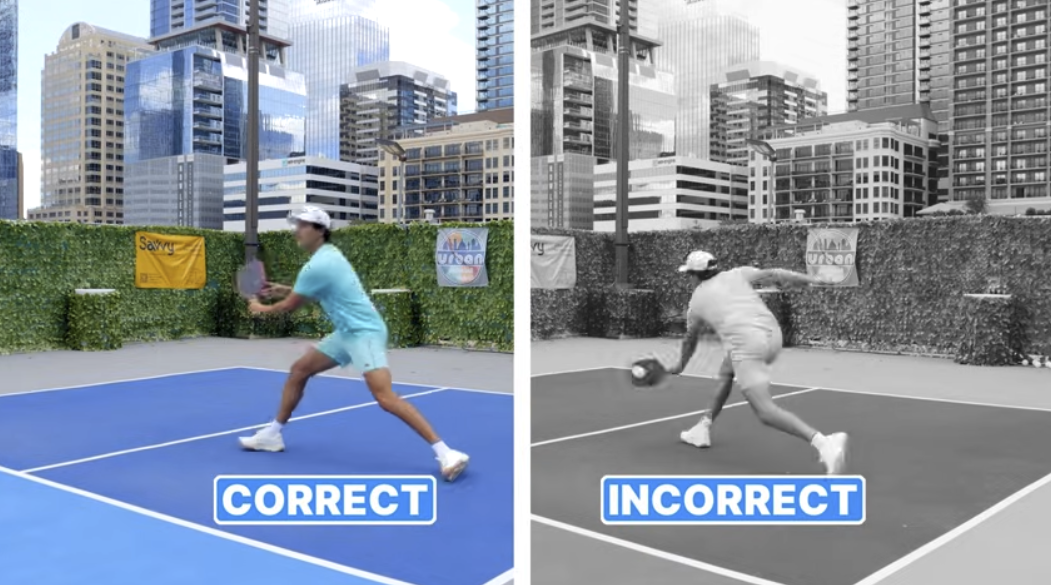
4. Full Transition: The Complete Transition Zone Drill Picture
This is where everything comes together.
You start at the baseline, your partner feeds you a ball as if they just returned serve, and you get to choose whether to drive or drop.
Your objective is to reach the kitchen line in a fully established and well-balanced position at least 10 times.
This drill is critical because it mimics actual match situations. You're not just hitting shots in isolation.
You're moving your feet, adjusting your positioning, and getting ready to play the kitchen point as soon as you arrive at the net.
The best pickleball players in the world are always at the kitchen line, and this drill teaches you why that matters.
Mari points out that even if your opponent wins the point, you still get credit for the rep if you reached the kitchen in good position.
The goal isn't to win every rally.
It's to develop the habit of transitioning smoothly and being ready to play offense from the kitchen.Win the Transition Zone: The Modern Pickleball Guide to Midcourt Aggression
While traditional coaching has long emphasized getting to the kitchen line as quickly as possible, modern pros are turning midcourt aggression into unexpected offensive opportunities
 The Dink PickleballThe Dink Media Team
5. 7/11 Variations: Game-Speed Pressure for the Transition Zone Drill
The final transition zone drill in the sequence is a modified version of the popular 7/11 game.
Mari breaks it down so that for one half of the game, you must drive third shots, and for the other half, you must drop third shots.
This forces you to isolate specific skills under game-speed pressure.
The 7/11 game is a competitive drill where you're playing actual points, but with specific constraints.
It bridges the gap between drilling and match play, which is essential for skill transfer.
You can't just drill in a vacuum and expect to perform in matches. You need to practice under pressure.
How to Speed Up From the Kitchen in Pickleball
Knowing when to speed up from the kitchen in pickleball is the difference between earning a point and handing one away. This guide breaks down the exact timing triggers, target zones, and attack patterns 3.5–4.0 players need to start winning more exchanges at the net.
 The Dink PickleballThe Dink Media Team
The Philosophy Behind the Transition Zone Drill Sequence
What separates Mari's approach from generic drilling advice is the philosophy underlying it.
She's not just throwing drills at you and hoping something sticks.
Each drill builds on the previous one, and each one serves a specific purpose in your development.
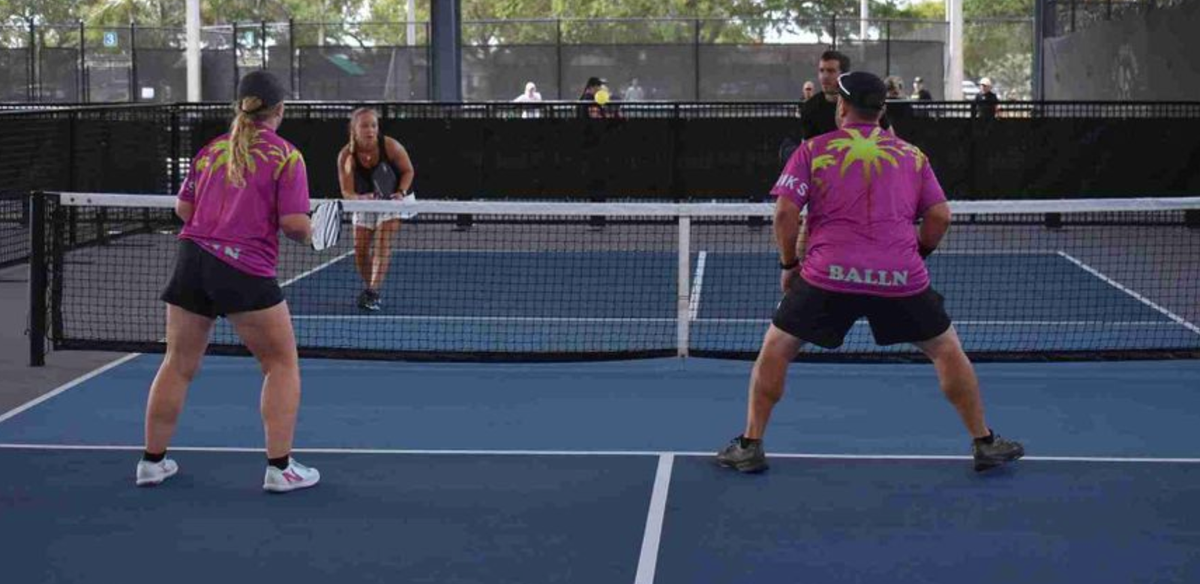
The sequence also emphasizes that drilling is a two-player activity. Too many pickleball players treat drilling as a solo endeavor, but that's a missed opportunity.
Your partner is learning just as much as you are. When you're working on transitions and midcourt positioning, they're working on aggressive shot pressure.
When you're working on drops, they're working on handling those drops and hitting winners.
Mari also stresses the importance of consistency over perfection. She didn't start out hitting 50 perfect resets in a row. It took hours and hours of reps.
The same will be true for you. The key is showing up, putting in the work, and trusting the process.
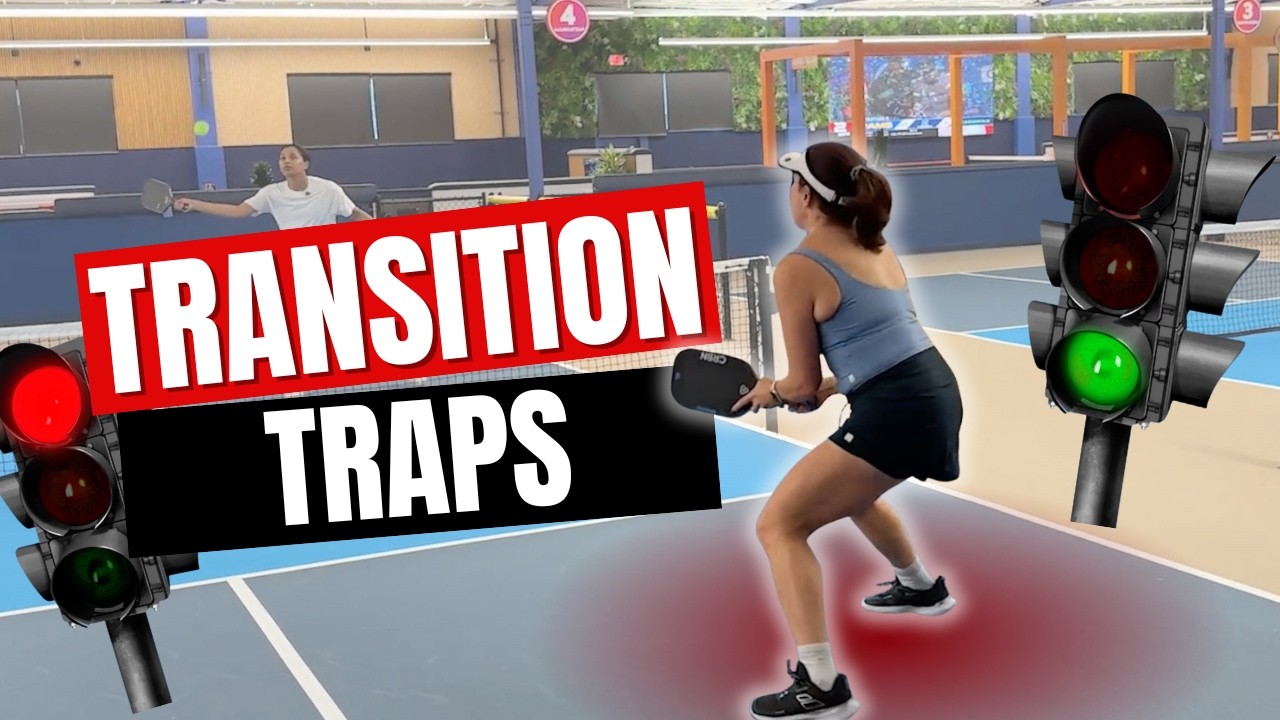
Intermediate Pickleball Strategy: Four Transition Zone Traps to Avoid
Most of the time in transition, you’re working from low to high, placing the ball into the kitchen rather than trying to end the point immediately. Patience here pays off.
 The Dink PickleballThe Dink Media Team
How to Implement the Transition Zone Drill in Your Own Training
If you're serious about improving your pickleball game, the transition zone drill sequence is worth incorporating into your practice routine.
You don't have to do all five drills in one session. You could focus on one or two drills per practice and rotate through them over the course of a week.
The time commitment is real. Mari spends two hours every morning on this drilling sequence, but that's because she's a professional instructor.
You might spend 30 to 45 minutes on a modified version and still see significant improvements. The key is consistency and intentionality.
Start with the reset consistency drill and master that before moving on.
Once you're comfortable hitting 50 good resets in each direction, move to the third shot drop.
Build your skills progressively, and you'll develop a much stronger foundation than if you try to do everything at once.
Players who skip the fundamentals and jump straight to game-speed drills almost always plateau faster.Don't be that player.
According to ESPN's pickleball coverage, structured drilling routines are one of the clearest differentiators between recreational players and competitive ones.
Commit to the process and trust that the reps will pay off.
The soft game is where skill development really lives.
If you're not already working on mastering soft game skills, the transition zone drill sequence is your best entry point.
It covers every layer of the soft game in one coherent system.
The best part? You can start this week.
CBS Sports has noted that pickleball skill development accelerates fastest when players combine structured drilling with intentional repetition.
That's exactly what this sequence delivers.
💡
Heads up: hundreds of thousands of pickleballers read our free newsletter.
Subscribe herefor cutting edge strategy, insider news, pro analysis, the latest product innovations and more.
Frequently Asked Questions
How long does it take to see results from the transition zone drill?
Most players see noticeable improvements within two to three weeks of consistent practice. However, the transition zone is a complex skill, so continued drilling is necessary to maintain and build on those improvements. Mari emphasizes that even professional players continue drilling these sequences regularly to avoid losing their edge.
Can I do the transition zone drill alone?
Technically yes, but it's not ideal. The transition zone drill is designed as a two-player activity because your partner's role is crucial. They're not just feeding you balls; they're working on their own skills. If you must drill alone, you can use a ball machine or have someone feed you balls, but you'll miss out on the competitive element that makes these drills so effective.
What's the difference between a reset and a drop in pickleball?
A reset is a soft shot hit from the midcourt area, typically in response to an aggressive shot from your opponent. A drop is a soft shot hit from the baseline, usually as your third shot. Both are designed to keep the ball low and force your opponent to hit up, but they're hit from different positions and in different situations.
Should I focus on one direction at a time or all four?
Mari recommends working on all four directions (down the line and crosscourt on both sides) during each drilling session. This ensures balanced development and prevents you from becoming one-dimensional. If you struggle with one side, you can do extra reps there, but don't neglect the others.
How do I know if I'm doing the transition zone drill correctly?
The best indicator is whether you're reaching the kitchen line in a balanced, ready position. If you're rushing, off-balance, or unprepared to play the kitchen point, you need to slow down and focus on footwork and positioning. Quality reps matter more than quantity, so don't just count shots. Make sure each rep is executed properly.
Anuncie Aqui / Advertise Here
Sua marca para o mundo Pickleball! / Your brand for the Pickleball world!





 English (US) ·
  Portuguese (BR) ·