
 English
  Spanish
  Portuguese
  German
  Italian
  Japanese
  French
  Polish
  Russian
  Netherlands
  Hungarian
  Turkish
  Videos
  Thedink Pickleball

A top 10 pro breaks down the four pickleball dink types that decide kitchen battles. Learn when to slice, when to roll, when to reset, and when to take the ball out of the air.
If you treat every pickleball dink like the same shot, you are losing kitchen battles you should be winning.
That soft little shot over the net is not one shot. It is four, and each one has a specific job.
That is the core lesson from Roscoe Bellamy, who currently sits sixth in the world rankings.
As he puts it, "most players lose kitchen battles because they think that every dink is the same. And it's not."Here is each of the four dinks, what it does, and exactly when to pull it out.
Love pickleball? Then you'll love our free newsletter. We send the latest news, tips, and highlights for free each week.
Why Isn't Every Pickleball Dink the Same?
A pickleball dink is a soft shot hit from at or near the kitchen line that lands in your opponent's non-volley zone, and its whole purpose is to keep the ball unattackable.
If you need the full foundation first, start with our complete guide to the dink.
But within that definition, there are different dinks for different situations. Some apply pressure. Some absorb it. Some hold your court position.
Using the wrong one at the wrong moment is how rallies slip away.
The four below cover every situation you will face at the line.Before diving in, it helps to understand the modern pickleball strategies pros are using to win in 2026, because dink selection is a cornerstone of all of them.
1. The Slice Dink: Your Neutral Pickleball Dink Control Shot
The slice dink is the neutral pickleball dink, your setup shot, and Bellamy's first rule for it is to do less.
It keeps the ball low, moves your opponent around the kitchen, and creates openings for the next ball. You are not trying to win the point with it.
His three keys:
- Lock your wrist and use one lever: the shoulder. Keep the arm straight and push, never throw the elbow at the ball.
- Extend the bottom edge of your paddle toward your target. Dinking middle? Push the bottom edge toward the middle. Going cross court? Same edge, cross court. No swiping at the ball.
- Guide it, never force it. In Bellamy's words, "we're simply massaging that ball, cupping it, and guiding it."
USA Pickleball banned the pre-spun serve back in 2023, but slicing your dink shot with the paddle face is fair game and one of the best ways to keep the ball low.
You can check the latest USA Pickleball rule changes for 2025 to see exactly where spin rules stand.
It is also worth noting that many pros have adjusted how they use the slice shot in 2025 as the game has evolved.
Understanding why helps you know when to lean on it and when to layer in the other three dink types.
If your basic mechanics need work before adding slice, run through our step by step dinking guide first.
💡
Need some new pickleball gear? Get 20% off select paddles, shoes, and more with code THEDINK at
Midwest Racquet Sports2. The Topspin Roll Dink: Your Pickleball Dink Pressure Shot
The topspin roll dink is the aggressive option, the shot that makes the kitchen feel smaller on your opponent's side.
Bellamy is clear that shot selection matters more than technique here.
You only roll when you get a dead dink: a slow, sitting ball with your feet set behind it. If you are pulled wide and off balance, slice it back instead.
Forcing a roll from a bad position is a free point for them.Once you can spot those sitting balls, you can start to attack dead dinks with real intent.
Keep the motion simple. On the two handed backhand roll, lock the wrist and brush up the back of the ball with your shoulders and legs.
Wristy flicks pop the ball up. The same brush angle principles that power your topspin drives apply here, just smaller.
For a deeper breakdown of generating topspin, the complete 3-step topspin progression guide maps the same mechanics in detail.
Where the Roll Pickleball Dink Actually Wins
The roll dink does not finish the job by itself. The pressure comes from your positioning after contact.
"Now I'm shrinking this kitchen by leaning in," Bellamy says, and that lean is the whole point.
Hit the roll, lean in, and hunt anything that sits up. If it is high, take it out of the air. If they get it shallow, let it bounce, dink again, and repeat the pattern.
Learning to step in on dinks turns one good roll into a finished rally.Check out the 6 essential pickleball shots to master for 2026 to see how the roll fits into a complete offensive framework.
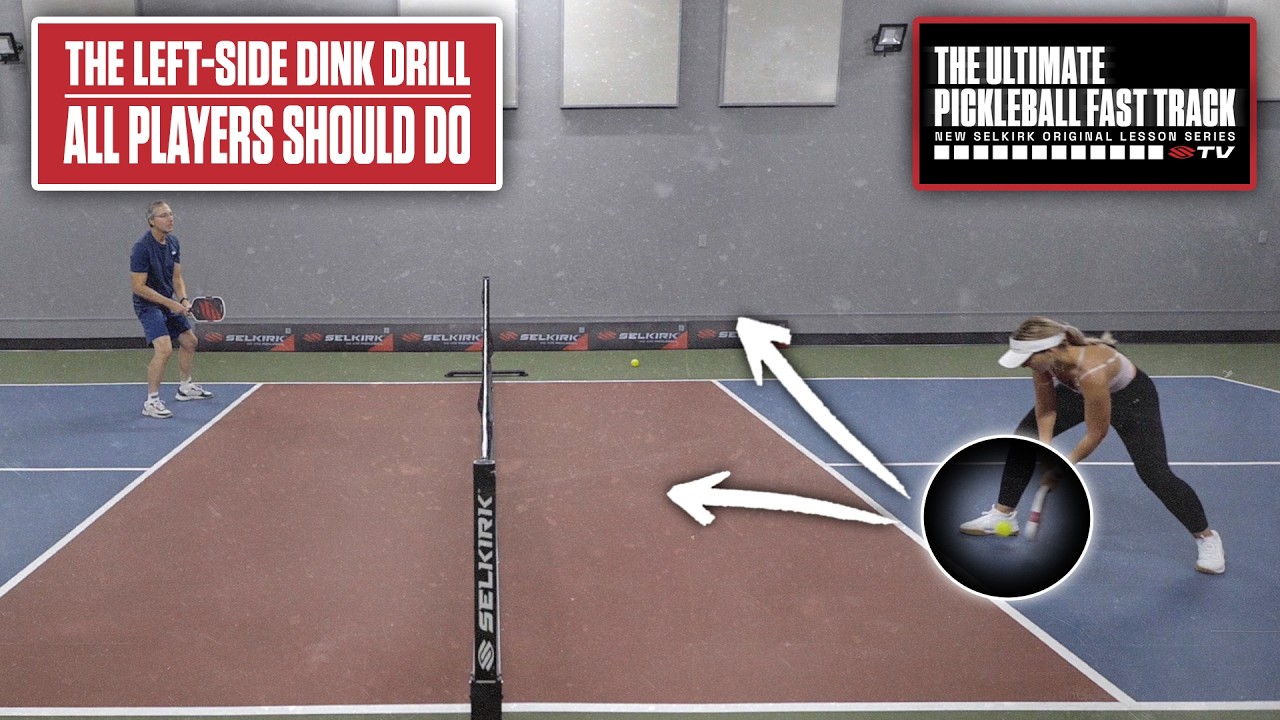
How to Hit a Backhand Topspin Dink in Pickleball
The backhand topspin dink is one of the most practical shots in mixed doubles pickleball. Master this essential technique to keep your dinks low and your opponents on their heels.
 The Dink PickleballThe Dink Media Team
3. The Dead Dink: How Do You Reset a Kitchen Battle?
You reset a kitchen battle with the dead dink, the most important pickleball dink you own: a soft, shallow ball aimed at the middle that neutralizes your opponent's pressure.
Every dink rally has a push and a pull, and when you are on the wrong end of the push, your job is to slow the ball down, not swing back harder.
This is where most players break. They get attacked, panic, and answer aggression with aggression from a defensive position.
High level players absorb the ball instead, and if you are constantly under fire there, our guide on how to stop getting attacked at the kitchen pairs perfectly with this shot.
Aim middle. Your opponents have less angle to attack from there than from the sidelines.
And use your legs. Reaching for resets is how pop ups happen, a habit worth breaking with better kitchen positioning.
Get to the ball with your feet, keep the arm quiet, and catch the ball on your paddle rather than hitting it.
The 12 drills you need to play your best pickleball in 2026 include specific reset repetitions that ingrain this pattern faster than match play alone.What Is a Dead Dink? The Gift Shot You Should Be Attacking Every Time
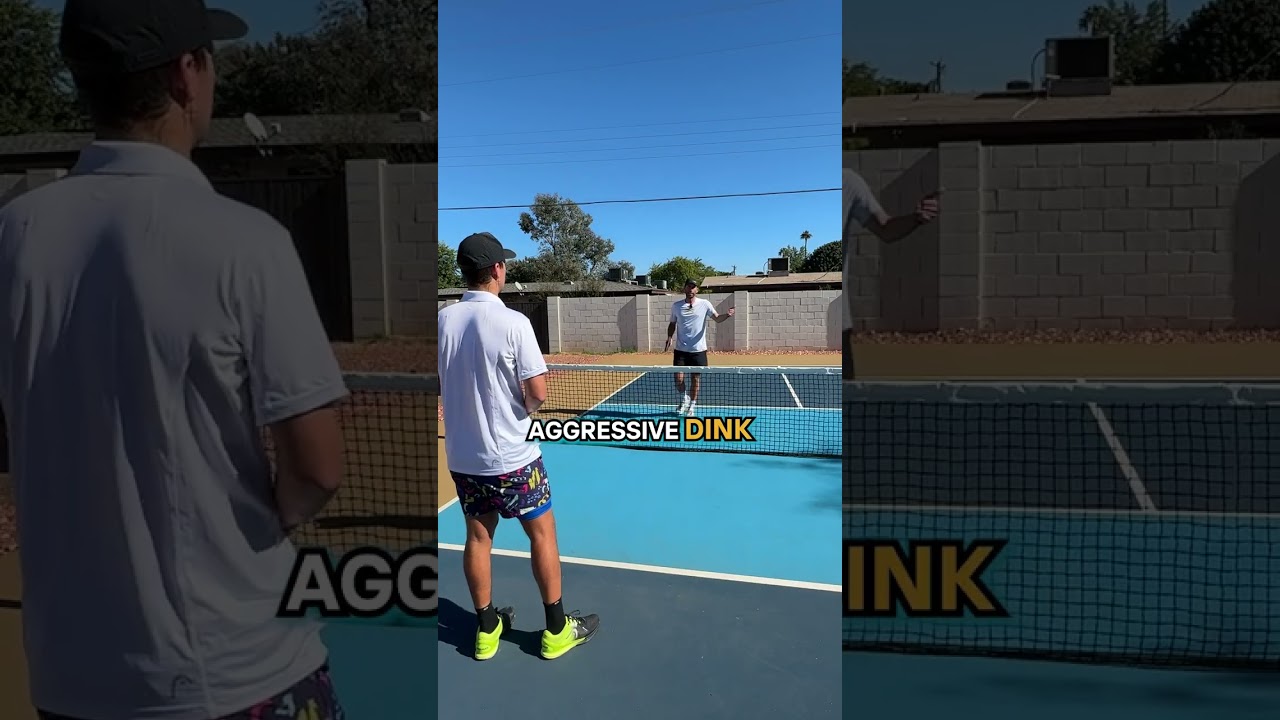
Think of a dead dink like a gift. Your opponent either made a mistake or gave you an opening. The question is: what are you going to do with it?
 The Dink PickleballThe Dink Media Team
4. The Push Volley Dink: Hold Your Pickleball Dink Ground
The push volley dink is a pickleball dink you take out of the air, redirecting your opponent's ball back into their kitchen instead of backing up to let it bounce.
Bellamy calls it saving real estate. They are trying to push you off the line, and you simply refuse to move.
Two rules govern it:
- Only take balls high enough to volley comfortably. "I don't want you digging for trash," Bellamy warns. If the ball is low, let it bounce and dink.
- Arm extended, paddle tip out, push from the shoulder. Maximum reach, maximum stability. Elbow and wrist are what cause misses here.
This shot matters because backing up off the kitchen line is expensive.
Once you give ground, you are stuck fighting to get back, which is why we wrote a whole guide on recovering after being pushed back from the kitchen.
The push volley means you never leave.
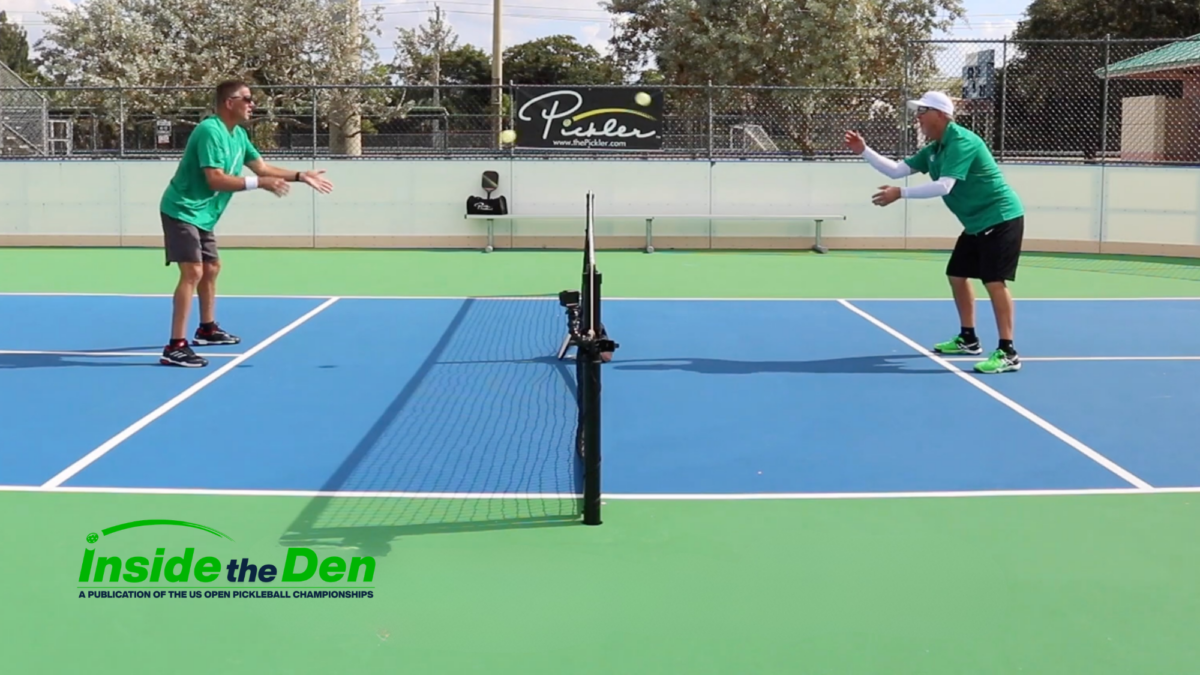
Quick exchanges at the line also demand fast hands, and the best wall drills for pickleball build the reaction speed that makes volley dinks feel routine.
No partner needed.Understand Pickleball Volley Control: Physics & Technique
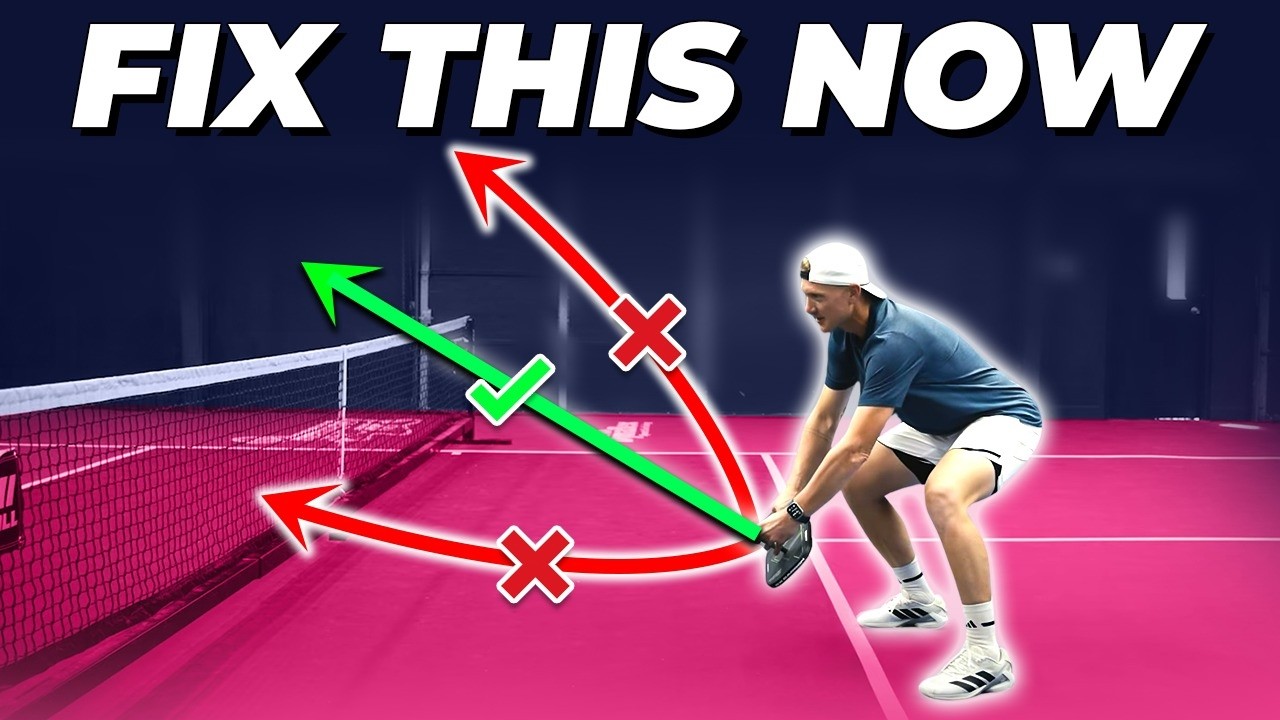
Pickleball volley control isn’t about luck or natural talent—it’s about understanding two fundamental principles: paddle angle and energy.
 The Dink PickleballThe Dink Media Team
Which Pickleball Dink Should You Use?
Match the pickleball dink to the situation, not to your mood. The decision tree is simpler than it looks:
- Neutral rally, balanced feet: slice dink. Move them around and stay patient.
- Dead ball sitting up, feet set: topspin roll dink, then lean in.
- Under pressure, stretched or jammed: dead dink to the middle. Reset to neutral.
- Ball floating at you with depth: push volley dink. Hold the line.
Watch the best kitchen players in the world and you will see this rotation on every point.
It is a big part of what makes Tyra Black so hard to beat at the line, and our breakdown of her five kitchen line secrets shows the same principle: pressure when balanced, neutralize when not.
A simple 4-step system to win more pickleball games in 2026 builds on the exact same logic, and it is worth pairing with this breakdown.The push and pull never stops. Win the exchange by choosing better, not swinging harder.
For players working toward the next rating level, the 5 pickleball shots you must master before 2026 includes the dink system as a non-negotiable.
💡
Heads up: hundreds of thousands of pickleballers read our free newsletter.
Subscribe herefor cutting edge strategy, insider news, pro analysis, the latest product innovations and more.
Frequently Asked Questions
What is the best pickleball dink for beginners?
The slice dink. It is the most forgiving of the four because the locked wrist and single shoulder lever leave little room for error. Build it first, then add the roll, reset, and push volley as your hands improve.
When should you use a topspin roll dink in pickleball?
Only when you receive a dead, sitting ball and your feet are set behind it. If you are stretched wide or off balance, the roll becomes a liability and a slice or reset dink is the smarter play.
How do you stop popping up your pickleball dink?
Stop using your wrist. Pop ups almost always come from wristy contact or from reaching instead of moving your feet. Lock the wrist, push from the shoulder, and get to the ball with your legs. If it keeps happening, there is usually a technical fix in your setup.
Should you let every dink bounce in pickleball?
No. Taking dinks out of the air with a push volley lets you hold the kitchen line and keeps pressure on your opponent. Let it bounce only when the ball is too low to volley safely.
Where should you aim a reset dink?
Aim for the middle of the kitchen. Your opponents have far less attacking angle from the middle than from the sidelines, so even an imperfect reset dink is harder to punish there.
Anuncie Aqui / Advertise Here
Sua marca para o mundo Pickleball! / Your brand for the Pickleball world!


 English (US) ·
  Portuguese (BR) ·