
 English
  Spanish
  Portuguese
  German
  Italian
  Japanese
  French
  Polish
  Russian
  Netherlands
  Hungarian
  Turkish
  Videos
  Thedink Pickleball

The recreational vs competitive pickleball mindset is the difference between playing the next point for fun and playing it to win. Here's what actually changes between open play and bracket play, and how to switch modes without losing either one.
The recreational vs competitive pickleball mindset gap shows up the second somebody says "first to 11, win by two" and actually means it.
Same paddle. Same partner. Same third shot you've hit ten thousand times.
Totally different brain. Rec play rewards feel and flow, while tournament play rewards decisions you can repeat with shaky hands and a dry mouth.Most players never train that switch. Then they wonder why they look like a stranger at 9-9 in a bracket match.
Love pickleball? Then you'll love our free newsletter. We send the latest news, tips, and highlights for free each week.
So What Is the Recreational vs Competitive Pickleball Mindset, Really?
It's the difference between playing to enjoy the next point and playing to win the next point, and the two require opposite settings on almost every dial.
Quick definition, because the phrase gets thrown around loosely.
The recreational vs competitive pickleball mindset describes two separate operating modes: one built around variety, social rhythm, and experimentation, the other built around repeatable patterns, score awareness, and risk management.Neither is better. They're just different jobs. The problem starts when you bring the wrong one to the court, which is exactly the trap most rec players fall into.
The Rec Mindset: Loose Hands, Low Stakes
Open play is where you try the around-the-post you have no business attempting.
You stack weird. You hit the Erne because your buddy dared you.
That freedom is the whole point, and it's genuinely useful: messing around in low-stakes games is how you discover which shots you actually own.
It's also where the social side of the sport lives.
Research on pickleball and mental wellbeing has found a dose-response pattern, where players reporting more frequent, longer sessions also reported higher wellbeing scores.Play more, feel better. Not complicated.
Here's the catch. Rec habits calcify. If every game you play is a hangout, your rec doubles patterns become your only patterns.
💡
Need some new pickleball gear? Get 20% off select paddles, shoes, and more with code THEDINK at
Midwest Racquet SportsThe Competitive Mindset: Narrow Focus, Wider Prep
Tournament brain is narrower on court and wider off it. On court you're choosing from three or four reliable options instead of twenty.
Off court you're doing the unglamorous stuff: a real warm-up for competition, a partner conversation, a plan for the opponent who drives everything.
The rules reinforce it. USA Pickleball's rulebook sets the standard tournament format at best two of three games to 11, win by two, and bans headphones or earbuds during competition play.No music to hide behind. Just you, the score, and whatever routine you built.
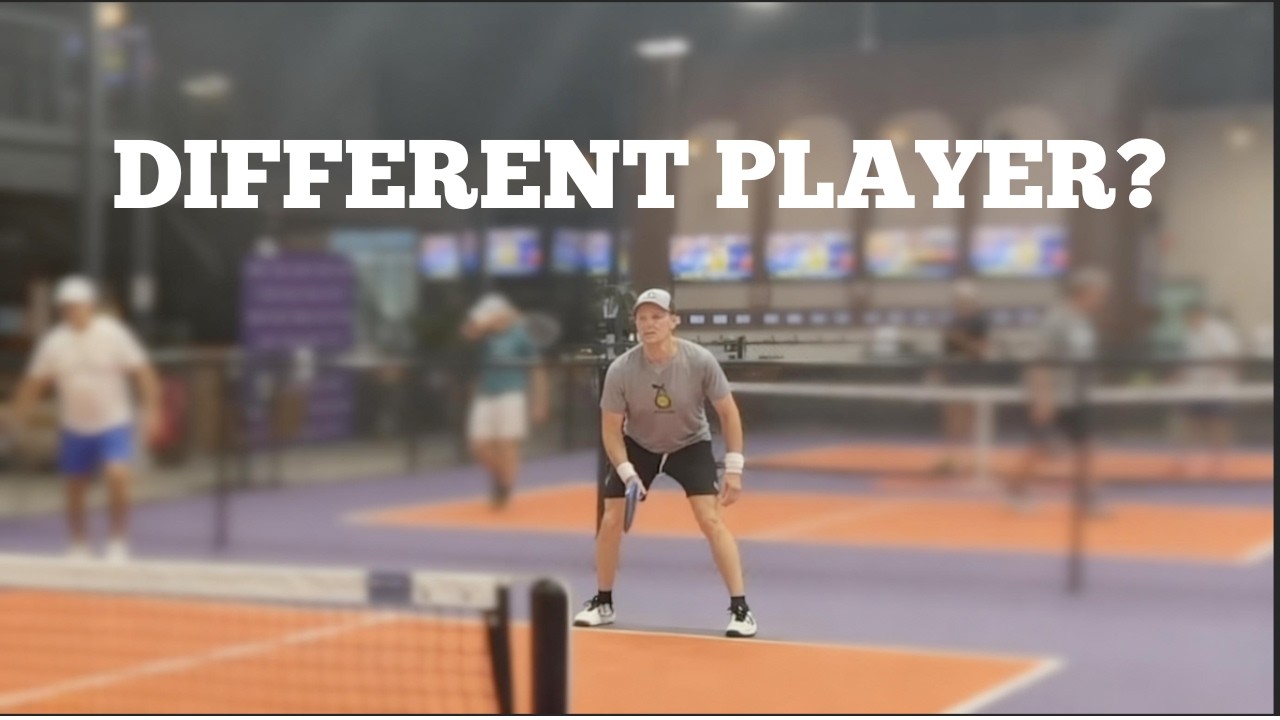
The Pickleball Mindset Shift That Fixed 5 Problems at Once
Changing your pickleball mindset around patience can fix multiple problems you didn’t even know were connected. One player tracked the results over a month, and the transformation was undeniable.
 The Dink PickleballThe Dink Media Team
Why Does the Recreational vs Competitive Pickleball Mindset Trip Up Good Players?
Because the skills transfer and the decisions don't. Your hands are fine. Your shot selection falls apart.
A 4.0 who dinks beautifully on Tuesday night will speed up the first ball he sees on Saturday morning, because rec play never punished him for it.Bracket play does, immediately. This is the gap elite players talk about constantly: they're not hitting magic shots, they're just refusing to hit bad ones.
You're Still Playing for Highlights
Rec play rewards the spectacular. Nobody remembers the fourth-shot reset you hit at open play, but everybody remembers the ATP.
So you chase the memorable shot, and the memorable shot is usually the low-percentage one.
It's one of the amateur habits that survives because nothing in open play ever bills you for it.Competitive play flips the scoreboard math. Winning comes from the reset nobody claps for and from knowing when to attack versus when to hold.
Boring wins medals. Ask anyone who's made a Sunday bracket.
How Your Recreational vs Competitive Pickleball Mindset Changes Your Prep
In rec play, prep is finding a parking spot. In competitive play, prep starts days earlier, and your body notices the difference.
That matters more than players admit, especially the ones who jump straight from casual Tuesdays into back-to-back tournament weekends.
A nationwide study of 1,758 players identified a few injury predictors worth sitting with: playing three or more times a week, having fewer than five years of experience, and rating injury prevention as low importance were each associated with higher odds of injury.
Translation: ramping volume fast while treating warm-ups as optional is the exact profile of a player entering their first event.A simple stretching routine is a small tax to pay.
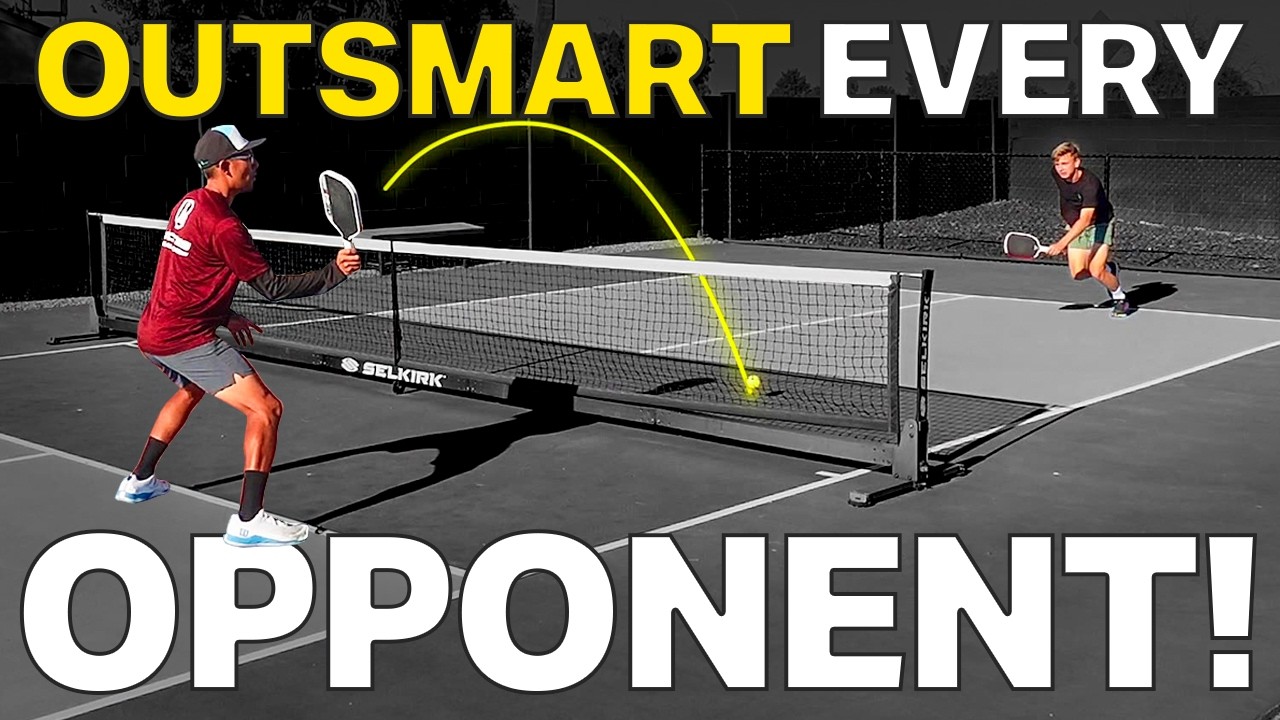
Three Pickleball Shots Every Recreational Player Must Learn
The lob handles defense, the drop volley finishes points with touch, and the ATP gives you an escape route when you’re in trouble.
 The Dink PickleballThe Dink Media Team
How Do You Switch Between the Two Without Losing the Fun?
You build a trigger. Something small and repeatable, that tells your brain which mode you're in, the same way a pre-match clarity routine does for pros.
If your game has gone stale, a full strategy reset is worth running first.
Mine is dumb and it works: I say the game plan out loud to my partner before the first serve.
Two sentences, max. "We're returning deep and getting in. We're not speeding up off the bounce." If I can't say it, I don't have one, and a plan I can't state in two sentences isn't a plan, it's a vibe.A Recreational vs Competitive Pickleball Mindset Checklist for Match Day
Run these five before your first match. They take about ten minutes total.
- Name your three shots. The ones you'd bet money on. Play your strengths, because those are your only options at 2-2.
- Ask your partner two questions. Who takes the middle, and what do we do against a banger? These conversations prevent most doubles meltdowns.
- Warm up the return, not the drive. You'll hit far more returns than put-aways.
- Pick one pressure cue. Breath, feet, or paddle position. One. Staying calm is a trained skill, not a personality trait.
- Decide your reset rule. After a blown point, what do you do? Mine's a ten-second walk to the baseline.
Train the Boring Shot on Purpose
The fastest way to close the gap is practicing what competitive play actually demands, which is rarely what rec play rewards.
That means drilling fourth shots instead of bangers, chasing the 70 percent rule so skills hold up under stress, and getting honest about how much you drill versus how much you just play.Most rec players are at 95 percent play, 5 percent drill, then act surprised when their fourth shot disappears in a tiebreaker.
Honestly, the players who climb from 3.5 to 4.5 fastest aren't the most athletic ones. They're the ones who stopped treating every game like open play.
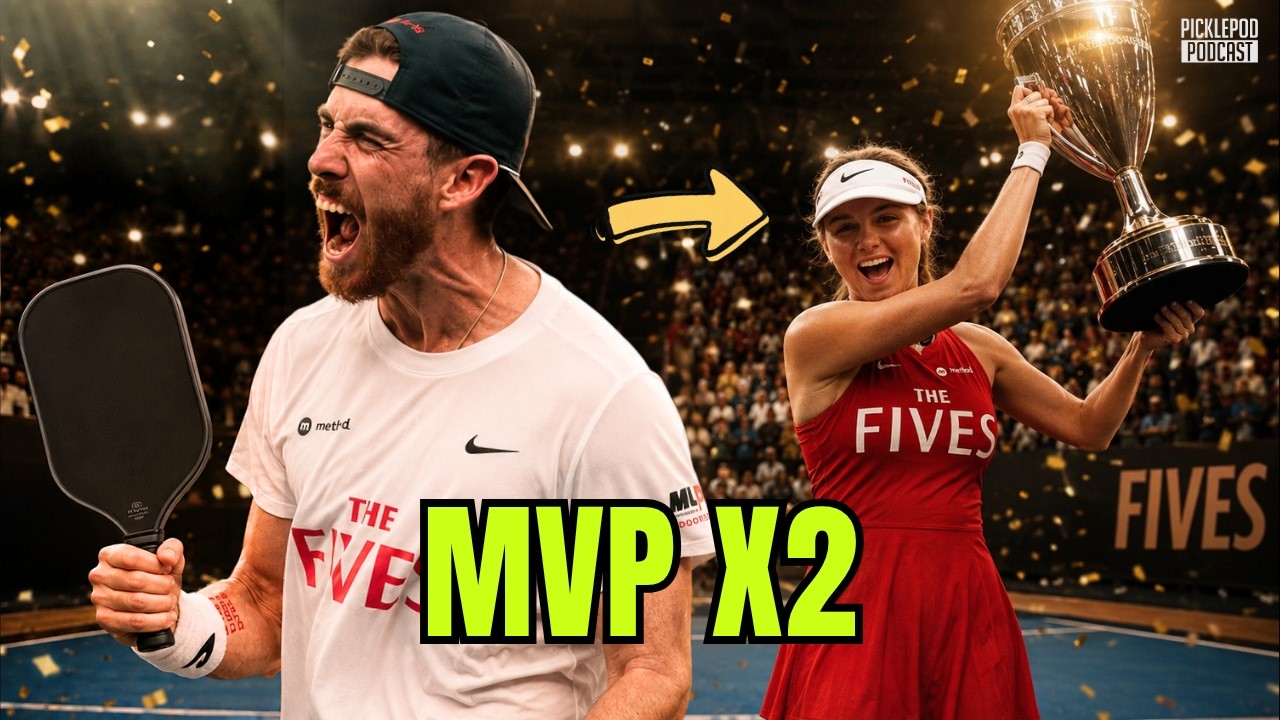
MLP Finals: 5 Lessons From the Championship Weekend
The MLP Finals at Central Park were electric, messy, and full of moments that exposed what actually separates championship teams from everyone else. Here are five things the weekend made crystal clear.
 The Dink PickleballThe Dink Media Team
Do You Have to Pick a Side?
No, and the recreational vs competitive pickleball mindset question trips people up here. This is where a lot of players overcorrect.
Going full tournament brain at open play makes you the person who calls the kitchen violation on a Wednesday night.
Don't be that person. Body-bagging in rec games has the same energy.The move is holding both modes and knowing which one you're in. Rec play keeps you playing for decades.
Competitive play sharpens what rec play made loose, the same way a second gear of mindset work builds on the first.The healthiest version of this treats them as training partners, not rivals, which is basically the champion mindset argument in a different wrapper.
And if your game feels flat in both modes? That's usually a sign you need a different kind of reset entirely, not more reps.
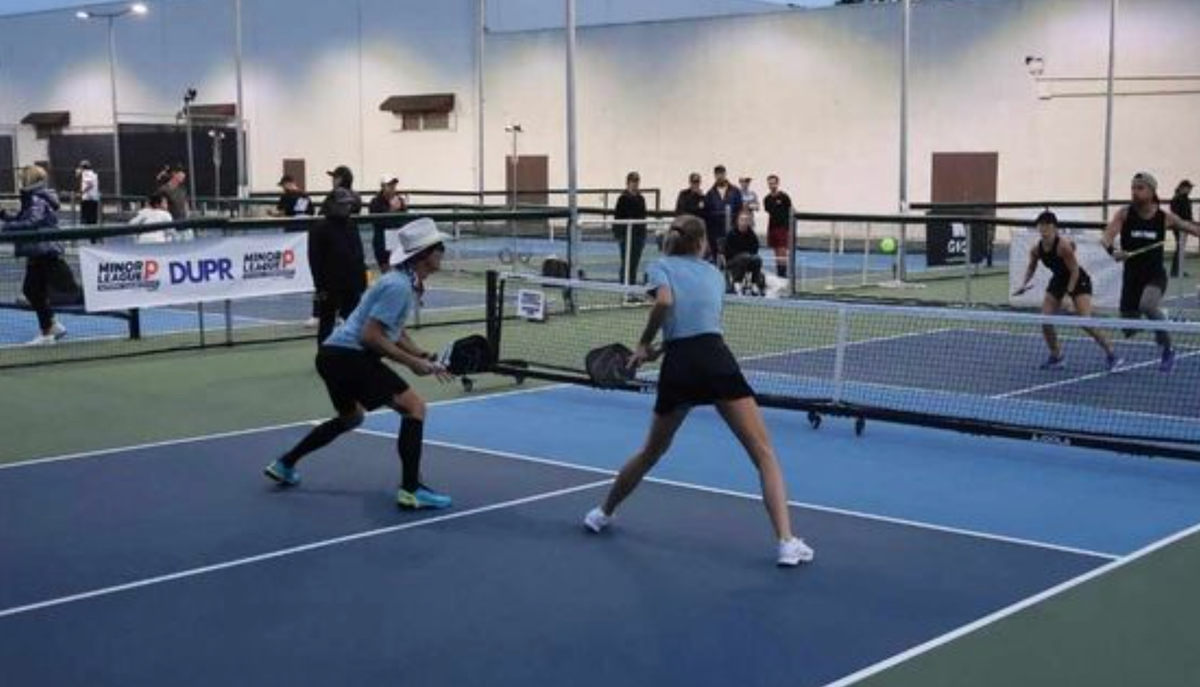
Pickleball Open Play: What It Is and How to Get Games
Pickleball open play is the most accessible way to get on the court and meet other players without scheduling formal matches. Here’s everything you need to know about how it works and how to find games near you.
 The Dink PickleballThe Dink Media Team
Key Takeaways
- The recreational vs competitive pickleball mindset describes two operating modes: variety and feel versus repeatable patterns and score awareness.
- Rec play builds shots. Competitive play tests decisions. The gap between them is shot selection under pressure, not raw skill.
- Tournament formats are best two of three to 11, win by two, with no earbuds allowed during competition play.
- Research has linked more frequent, longer sessions with higher reported wellbeing, and low injury-prevention priority with higher injury odds.
- Build a verbal trigger and a five-item match-day checklist to switch modes on command.
💡
Heads up: hundreds of thousands of pickleballers read our free newsletter.
Subscribe herefor cutting edge strategy, insider news, pro analysis, the latest product innovations and more.
Frequently Asked Questions
What's the biggest difference in the recreational vs competitive pickleball mindset?
Shot selection under pressure. Rec play lets you chase the spectacular option without much consequence, while competitive play punishes the same habits within two or three points. The physical skills carry over fine. The decision-making is what has to change.
Can casual players switch to a competitive mindset quickly?
Not in one weekend, but faster than most expect. Building a pre-match routine and narrowing to three trusted shots does most of the work, and both can be practiced during ordinary open play. The hard part is resisting the urge to show off, which is really a confidence problem in disguise.
Does playing competitively make pickleball less fun?
For some players, yes, and that's a legitimate reason to stay recreational. Research on motivation in recreational sport suggests that enjoyment-driven participation tends to be associated with greater persistence and satisfaction, so chasing medals you don't care about rarely ends well. Plenty of average players find that entering events makes the sport more fun, not less.
Should I drill differently for tournaments than for rec play?
Yes. Tournament preparation leans toward returns, resets, and fourth shots, the patterns that appear in nearly every rally. Rec drilling can stay exploratory, which is where you find new weapons worth adding later.
How do I stop getting nervous in my first tournament?
Shrink what you're thinking about. One pressure cue, one game plan, one reset rule after a lost point, and nothing else. Nerves don't disappear, but a narrow focus gives them less to grab onto, which is the same principle behind pushing through mental walls mid-season.
Anuncie Aqui / Advertise Here
Sua marca para o mundo Pickleball! / Your brand for the Pickleball world!



 English (US) ·
  Portuguese (BR) ·