
 English
  Spanish
  Portuguese
  German
  Italian
  Japanese
  French
  Polish
  Russian
  Netherlands
  Hungarian
  Turkish
  Videos
  Thedink Pickleball

Watching the paddle not the ball means reading your opponent's contact point before the shot exists, instead of reacting after it. Done right, it buys you a split second at the kitchen line; done wrong, it turns clean volleys into shanks.
Watching the paddle not the ball sounds like awful advice until a 4.5 freezes you at the kitchen line because he seems to know where your speed-up is going before you do.
He isn't psychic. He read the paddle face, the swing path, and the contact height a few hundredths of a second before the ball ever left it.The ball tells you what already happened. The paddle tells you what's about to. That gap is where points live.
Love pickleball? Then you'll love our free newsletter. We send the latest news, tips, and highlights for free each week.
So What Does Watching the Paddle Not the Ball Actually Mean?
Watching the paddle not the ball means moving your attention to your opponent's paddle before contact, then back to the ball after it.
Nobody is asking you to play blind.
You're shifting where your eyes spend the dead time, the half second between your shot landing and their shot leaving, and that window is where most rushing mistakes get made.Here's the definition worth memorizing.
Pre-contact reading is the habit of gathering information from the paddle face angle, the backswing length, and the contact height while the ball is still traveling toward your opponent.You already do a version of this. You just do it accidentally, which is why it only shows up on the shots you happen to be comfortable with. Watching the paddle not the ball turns that accident into a system.
Most rec players run the opposite pattern. They lock onto the ball for the entire rally, which feels responsible and leaves them permanently late.
If you've ever wondered why you get body-bagged by the same opponent twice a game, this is usually the reason.
Why Does the Paddle Tell You More Than the Ball?
Because the paddle commits before the ball does, and watching the paddle not the ball gets you information roughly a beat earlier than ball tracking alone.
Once the ball is in flight, your only move is reaction. Before contact, you get prediction, and prediction is faster than anything your hands can do on their own.
That's the entire case for anticipating shots like a pro instead of grinding out more wall reps.There's some science in the neighborhood, though it comes from table tennis rather than pickleball, so treat it as suggestive and not gospel.
A 2025 eye-tracking study in the Journal of Vision found that skilled players kept their gaze on the ball for only about 40% of its approach, shifting toward the opponent's side of the court right after contact. Seven players, controlled rallies, a different sport.But the behavior lines up with what you see from good pickleball players at the kitchen line.
💡
Need some new pickleball gear? Get 20% off select paddles, shoes, and more with code THEDINK at
Midwest Racquet SportsThe Three Tells Worth Reading
Skip the vague "watch their body" advice. Watching the paddle not the ball only works if you know what you're looking for, so here are the specific cues, in the order they're useful:
- Paddle face angle. Open face means lift, which means dink or reset. Closed and vertical means drive or roll. This is the single highest-value read in the game.
- Contact height. Below the net, they can't hurt you, so you can move in and squeeze. Above the net, get your paddle up now.
- Backswing length. A compact punch is coming at you flat. A longer takeback means they're loading something, and you have more time than panic suggests.
Chris Olson and Collin Johns both talk about the second one constantly, and it's the fastest fix for anyone stuck at 3.5. Height of contact decides everything about whether you attack or reset.
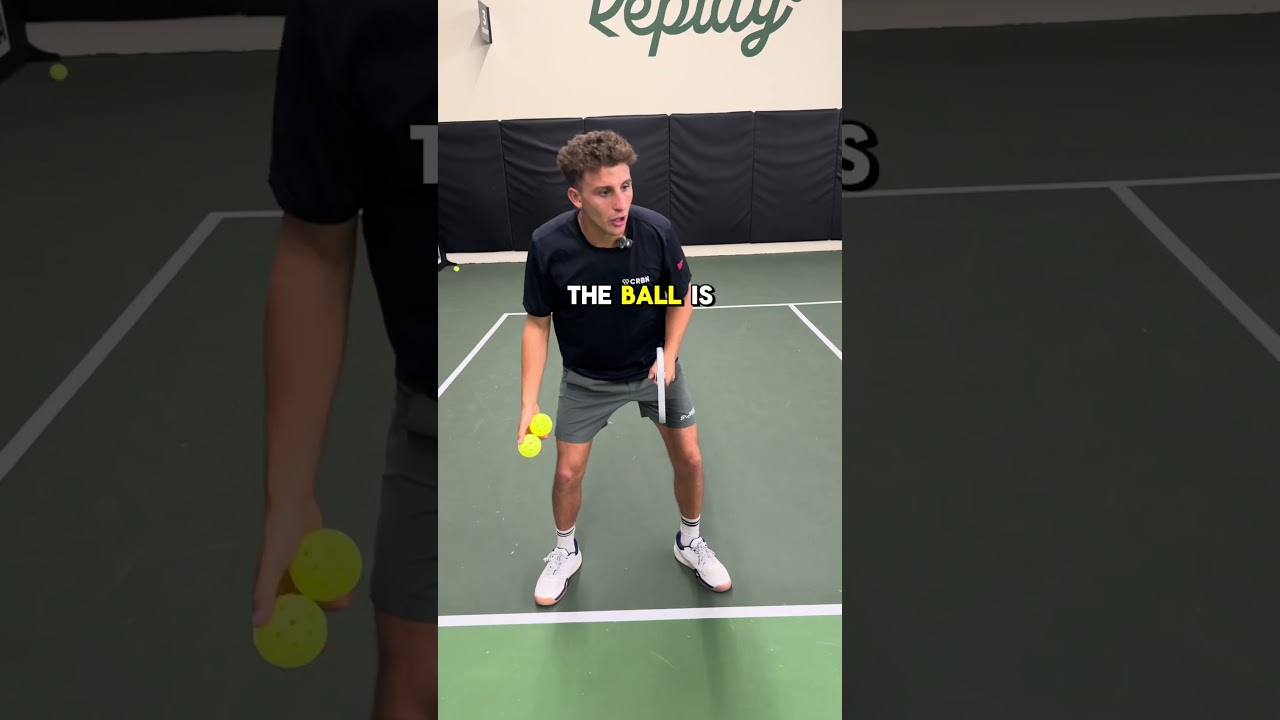
Paddle Tracking: The Pro Pickleball Skill You’re Missing
Paddle tracking is the foundational pickleball skill that all pros use to stay ahead of the action. By keeping your paddle tip pointed at the ball, you shift from reactive to proactive play.
 The Dink PickleballThe Dink Media Team
When Watching the Paddle Not the Ball Will Cost You Points
Honestly? Most of the time, if you overdo it. Watching the paddle not the ball is a timing habit, and it belongs to the pre-contact window only.
The moment the ball comes off their strings, your eyes go back to the ball, all the way through your own contact.
Skip that part and you'll shank dinks you've made a thousand times.
The research backs the caution.
In a virtual-environment study on stroke control, seeing the ball mattered most, and paddle or body information helped most when the ball wasn't visible.
Translation: the paddle supplements your read. It doesn't replace it. Our guide on watching the ball coming and going is the other half of this exact conversation.Watching the Paddle Not the Ball Still Means Tracking Contact
Three situations where you should stay ball-first and ignore everything above:
Deep returns and third shots, because the ball is traveling far enough that you have time anyway. Overheads, where ball tracking is the whole skill.And any shot where you're moving backward, since your head is already unstable and adding an eye flick is how clean contact disappears.
On transition balls, trust your ready position and watch the ball through the paddle.
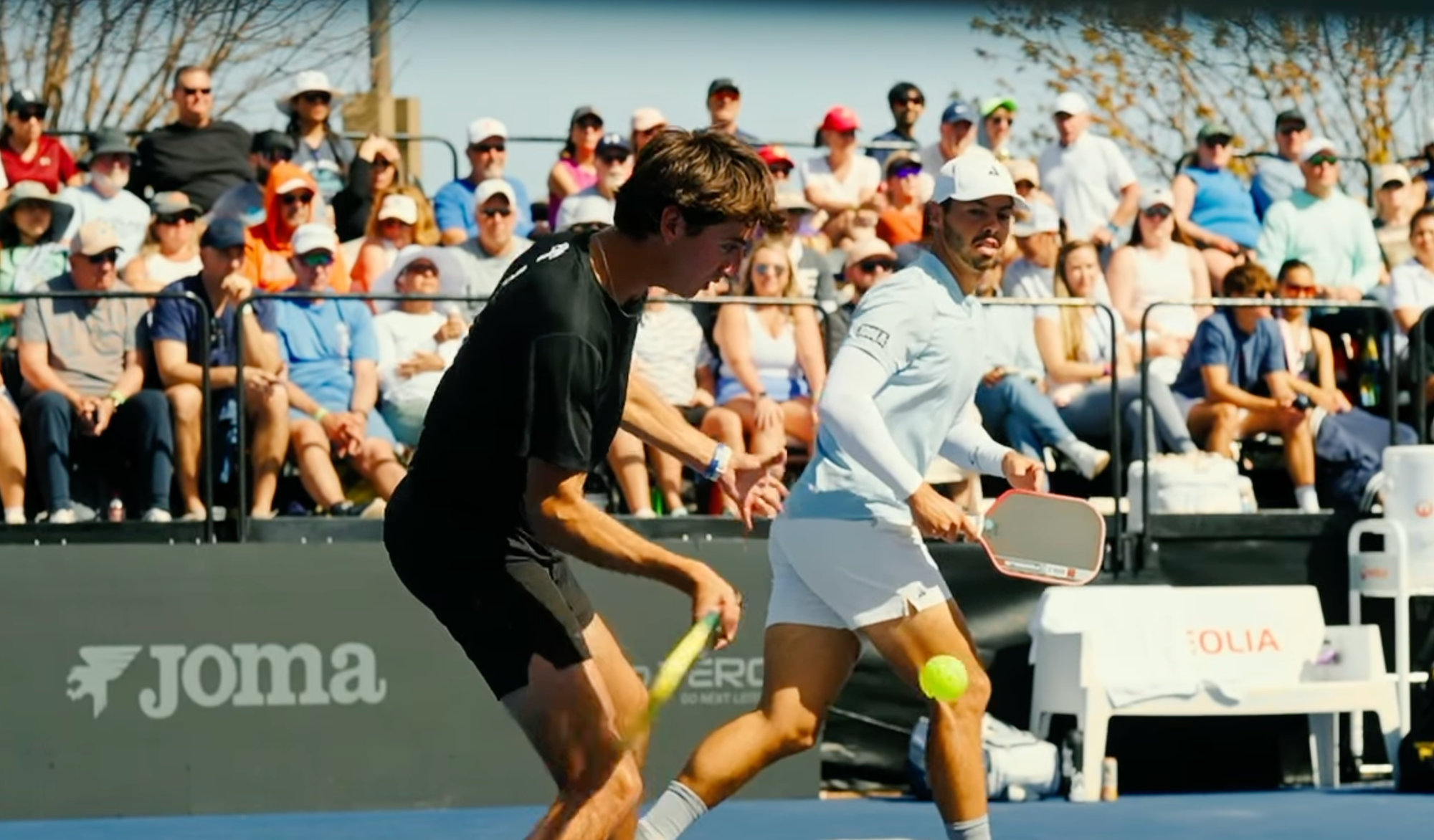
Pickleball Tips: Watch the Ball Closely Through Contact
“Keep your eye on the ball.” Does the age-old adage apply to your dinks, drives, and drop-shots?
 The Dink PickleballThe Dink Media Team
How Do You Train This Without Losing the Ball?
Start in a drill where the pace is predictable and your brain has room to work.
You can't install watching the paddle not the ball inside a chaotic rec game, and trying to will just cost you points.
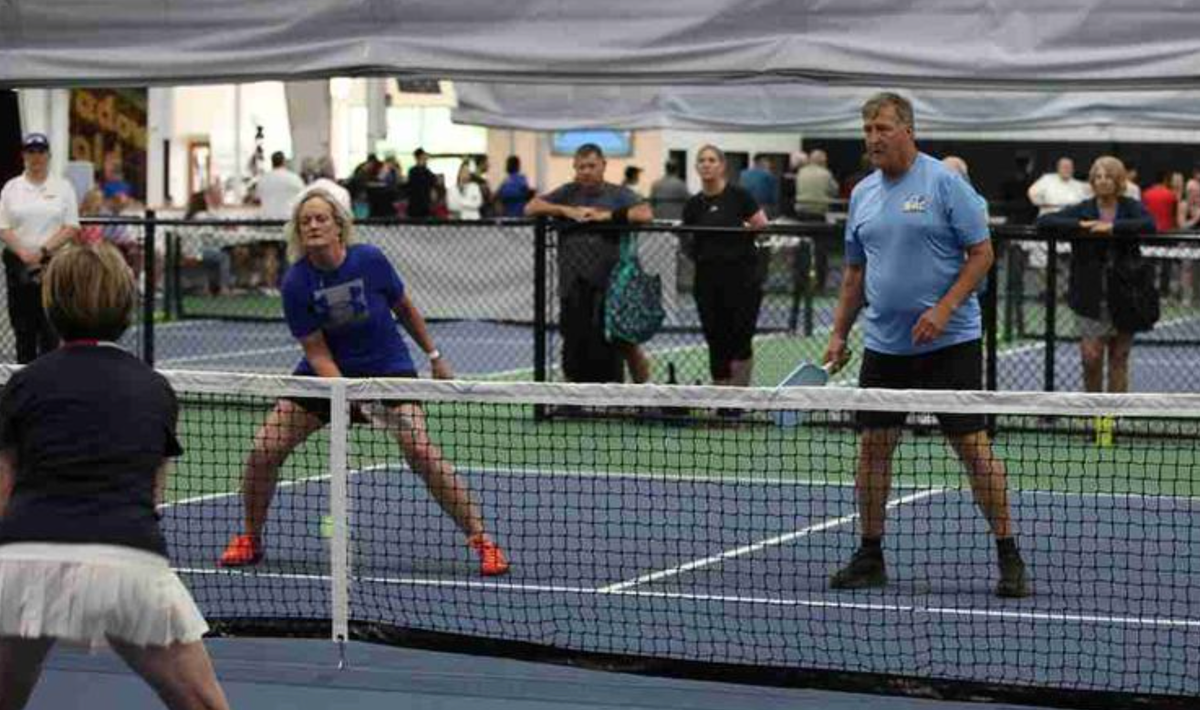
Hands battles at the kitchen line are the obvious place, because that's where reading your opponent pays the biggest dividend per point.Try this progression over two or three sessions.
- Session one: call it out loud. Dink cross-court with a partner and say "up" or "down" the instant you see their paddle face, before the ball crosses the net. You'll be wrong constantly for ten minutes. Then you won't be. Verbalizing forces the read to happen early instead of vaguely.
- Session two: speed-up roulette. Partner dinks and attacks whenever they want, no pattern. Your only job is reacting to the paddle, not the ball flight. This is the drill that actually builds faster hands, far more than raw reflex work does.
- Session three: live points, one cue only. Pick contact height. Nothing else. One cue at a time is how habits stick, and it pairs naturally with smart kitchen-line defense.
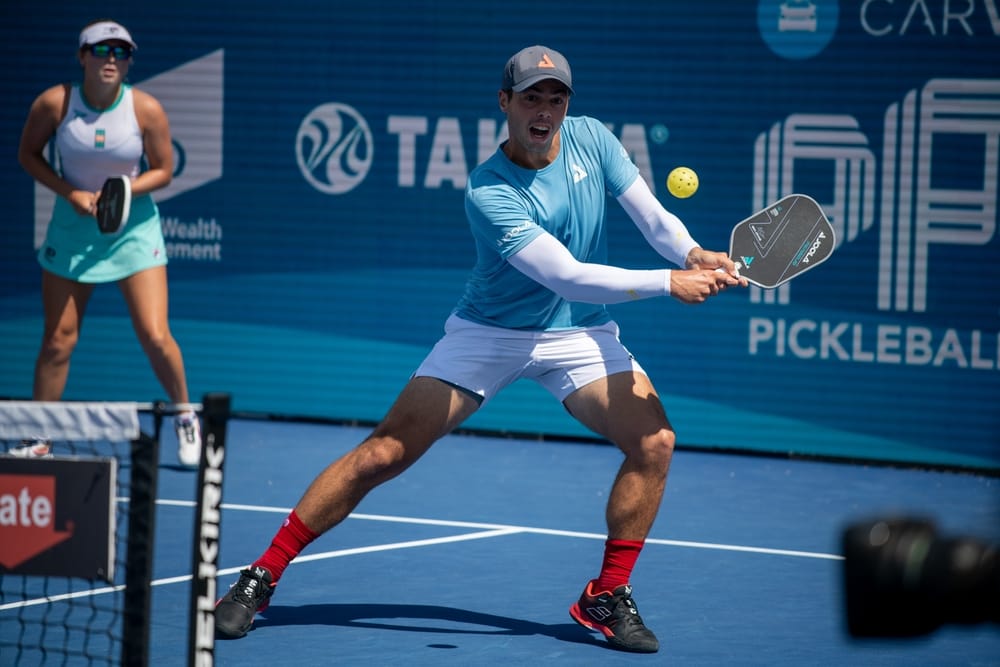
Anticipate, Position, Prep: How Paddle Preparation Improves Your Pickleball Game
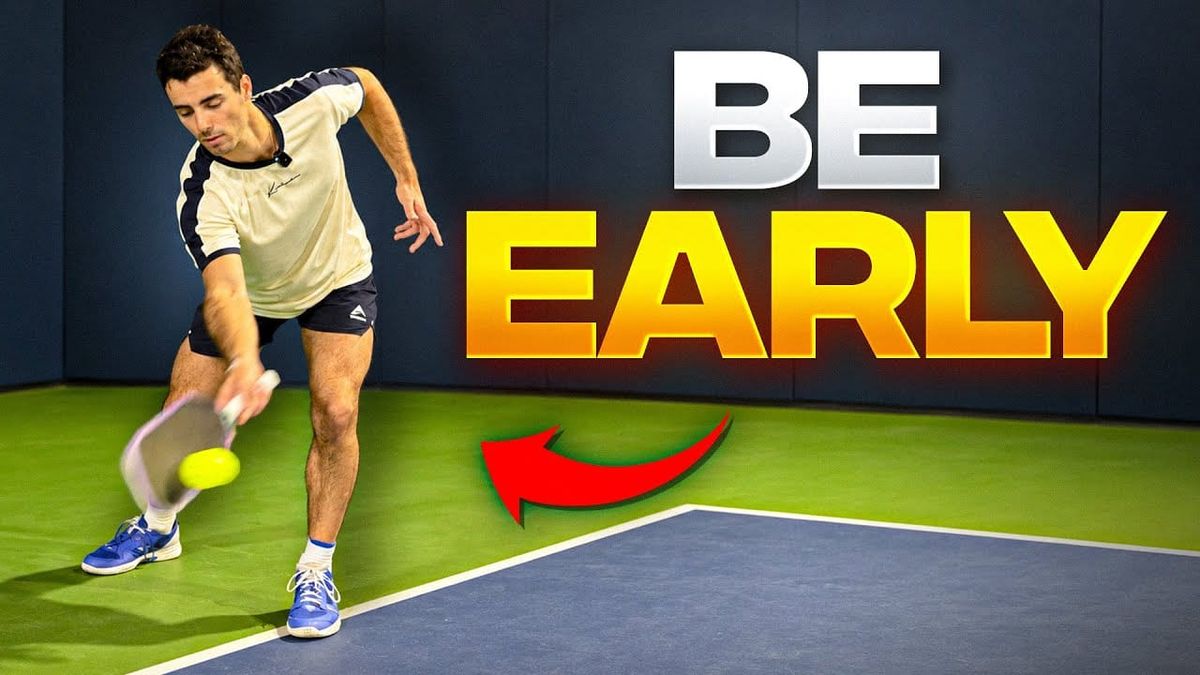
Early paddle preparation is key to consistent, powerful shots in pickleball. It allows you to position your body and paddle well before the ball arrives, just like the pros.
 The Dink PickleballJason Flamm
Drills That Build the Watching the Paddle Not the Ball Habit
Beyond the progression above, two underrated options.
Wall drills build the hand speed you'll need once the read gets you there early, and hands battle reps put you in the only situation where the habit is non-negotiable.One more thing worth stealing: watch pros with the sound off and your eyes on the hitter instead of the ball. It feels strange for about four minutes.
Then you start seeing speed-ups coming, which is the same skill you're trying to build on court.
Our breakdown on getting better by watching pros play covers how to do that without zoning out.And since this cuts both ways: if you can read paddles, so can they.
Disguising your own body language is the natural follow-up, especially if you telegraph your dinks with an obvious grip change.
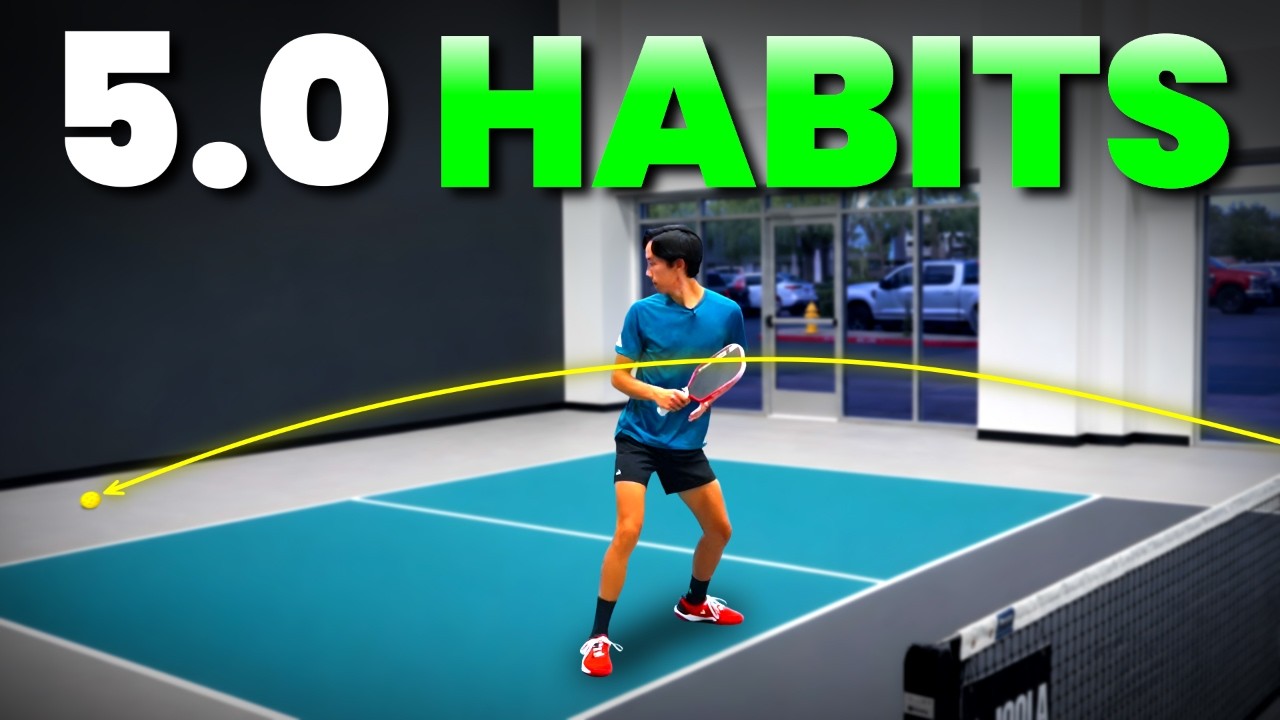
7 Habits of Every 5.0 Pickleball Player
Becoming a 5.0 pickleball player is less about hitting harder and more about playing smarter. These 7 habits will change the way you approach every single rally.
 The Dink PickleballThe Dink Media Team
Key Takeaways
- Watching the paddle not the ball is a pre-contact habit, not a replacement for ball tracking.
- The three highest-value reads are paddle face angle, contact height, and backswing length, which also drive better shot selection.
- Eyes return to the ball the moment it leaves their paddle, through your own contact.
- It matters most in fast hands exchanges at the kitchen line and least on deep, slow balls.
- Train it with verbal callouts before you try it in live points.
💡
Heads up: hundreds of thousands of pickleballers read our free newsletter.
Subscribe herefor cutting edge strategy, insider news, pro analysis, the latest product innovations and more.
Frequently Asked Questions
Is watching the paddle not the ball bad advice for beginners?
Mostly, yes. If your contact is still inconsistent, ball tracking is the higher priority, and watching the ball through contact beats splitting your attention. Build reliable dinks and volleys first, then add pre-contact reading around the 3.5 level when the pace starts outrunning your reactions.
Where exactly should my eyes go between shots?
Toward your opponent's paddle and contact zone while the ball travels to them, then back to the ball the instant they strike it. Keep your paddle up and out front so the read has somewhere to go. Good players use peripheral vision to hold both, which develops with reps rather than effort. Don't stare at one spot; let your focus float toward the hitter.
Does this read work in singles too?
It helps, but less. Singles gives you more court to cover and more ball flight time, so positioning and court coverage matter more than a half-second read. The habit earns its keep at the kitchen line in doubles, where exchanges happen too fast to react cleanly.
How long does it take to build this habit?
Expect two to four weeks of deliberate drilling before the habit shows up in matches without you thinking about it. The callout drill accelerates it most, and pairing it with faster hands work compounds the gain. Players who try to install it mid-match usually abandon it after a few shanks, which is why the progression matters.
Can this make my hands faster without extra reflex training?
Effectively, yes. You're not moving faster; you're starting earlier, which looks identical from the other side of the net. That's why pros with average raw reflexes still win hands battles against quicker, younger opponents.
Anuncie Aqui / Advertise Here
Sua marca para o mundo Pickleball! / Your brand for the Pickleball world!



 English (US) ·
  Portuguese (BR) ·