
 English
  Spanish
  Portuguese
  German
  Italian
  Japanese
  French
  Polish
  Russian
  Netherlands
  Hungarian
  Turkish
  Videos
  Thedink Pickleball

If you keep typing why am I losing every pickleball game into Google after every session, the answer usually isn't talent. It's one of six fixable habits, and we're naming all of them.
You keep asking yourself why am I losing every pickleball game, and the honest answer is probably not the one you want.
It's rarely your athleticism. It's almost always one of six specific, fixable habits that show up on film every single time.
Love pickleball? Then you'll love our free newsletter. We send the latest news, tips, and highlights for free each week.
Reason One: You're Playing Reactive Pickleball, Not Smart Pickleball
The first, most direct answer to why am I losing every pickleball game is this: you're reacting instead of deciding.
Watch any losing set closely and you'll see a player swinging at whatever ball shows up, rather than steering the point toward a shot they actually want, the kind of gap that shows up even after players nail the fundamentals but never build real shot intent.
That's an unforced error problem before it's ever a mechanics problem.
An unforced error, if you need the definition, is any point lost through your own poor decision or execution rather than your opponent's forced pressure.
It's the single most trackable stat in the sport, and it's also the one most players refuse to count.
Half the time, tightening your grip and paddle control fixes more of these errors than any strategic adjustment ever could.
Here's the fix. Before every point, pick one shot pattern you're trying to create, whether that's a cross-court dink or a body-serve return.
Good shot selection beats good positioning about half the time, and the other half it's the reverse. You need both working together, not one covering for the other.
Reason Two: Your Third Shot Drop Is Costing You Points
Because most players treat it as a formality instead of the most important shot in doubles.
The third shot is where rallies are won or handed away, full stop, and turning that shot into a real weapon instead of a safe tap changes the whole shape of the point.
If your drop sails long or sits up in the kitchen for an easy put-away, you've just given your opponents a free entry into the point.
This is one of the clearest, most repeatable reasons behind why am I losing every pickleball game shows up in every review session we run.
A cleaner reset buys you time to get to the kitchen line as a team.
And resetting under pressure, not just when you're comfortable, is what separates players who climb ratings from players who plateau.
Drill this specific shot in isolation. Not as part of a scrimmage. On its own, over and over, until it's boring.
💡
Need some new pickleball gear? Get 20% off select paddles, shoes, and more with code THEDINK at
Midwest Racquet SportsReason Three: You're Losing the Battle at the Kitchen Line
You cannot win points you never get position for.
If you're consistently a step behind at the non-volley zone line, every dink exchange starts from a disadvantage, and disadvantage compounds fast in this sport.
Positioning at the kitchen isn't about standing still.
It's about controlled, patient footwork that closes the gap the moment your opponent hits a ball you can attack.
Players stuck asking why do I lose at pickleball almost always trace it back to arriving late, not hitting weak shots.
Once you're there, patience matters more than power.
The slower, more disciplined dink usually beats the flashy one, because it forces your opponent to make the first mistake.
And if your dinks currently sit up begging to be attacked, that's the exact habit worth rebuilding first.
Stop Losing Close Games: How to Avoid ‘Game-Point Behavior’ in Pickleball
One silly decision at 10-6 can lead to a string of cautious, fearful points where you’re playing not to lose rather than playing to win
 The Dink PickleballThe Dink Media Team
Reason Four: Your Serve and Return Are an Afterthought
Yes, more often than you think. A lazy, floaty serve hands your opponent a free attacking swing before the point has even started.
A weak return does the same thing in reverse, and it's a big part of why players quietly wonder why am I so bad at pickleball when the real issue is just two throwaway shots per point.
Here's the thing: most rec players treat the serve and return of serve as throwaway shots, something to just get in play.
Competitive players treat them as the first strategic decision of the point.
Getting real intention behind your return, deep and with purpose, changes how the entire rally unfolds.
The same logic applies to your serve. A serve with actual pace and placement does real work for you.
And if you've never thought about your grip pressure on contact, that's a five-minute fix with an outsized payoff.
Pickleball Return of Serve: Why It Matters More
Most pickleball players obsess over their serve, but the truth is your pickleball return of serve might be even more important. Here’s why depth, placement, and consistency matter more than power.
 The Dink PickleballThe Dink Media Team
Reason Five: You Don't Have a Doubles Game Plan
Pickleball is a doubles sport at heart, and most losing teams don't actually have a plan.
They have two individuals standing on the same court, occasionally in each other's way.
If you're still asking yourself why am I losing every pickleball game after fixing your individual shots, this is usually next.
Rethinking how you and your partner think about the court together matters more than either player's ceiling alone.
Start with something specific and simple:
- Call the ball out loud on any shot down the middle
- Agree who's taking lobs before the match starts, not during it
- Use T and sideline positioning as your default coverage shape
- Talk between every point, even just a quick word
Court coverage on the fourth shot is where most of this breaks down live, so that's the rep worth prioritizing in practice.
And genuinely, tightening basic teamwork habits fixes more losses than any single stroke correction we've ever recommended.
Competitive Doubles Strategy 4.0 Pickleball: Patterns That Win
Competitive doubles strategy 4.0 pickleball is less about hitting harder and more about controlling patterns, court positioning, and forcing opponents into losing situations.
 The Dink PickleballThe Dink Media Team
Reason Six: Why Am I Losing Every Pickleball Game If My Shots Feel Fine?
Here's an uncomfortable truth.
Most players who keep asking why am I losing every pickleball game have never actually counted their unforced errors, their winners, or their serve percentage in a single match.
They're going off feel, and feel lies constantly, which is exactly why raising your actual pickleball IQ starts with numbers, not vibes.
Recent USA Pickleball participation data puts the sport at well over 19 million players nationwide as of the 2025-2026 season, which means the competition at every level keeps getting deeper and more prepared.
Your DUPR rating reflects that trend directly.
Understanding how your rating actually moves gives you a far more honest scoreboard than your win-loss record alone, especially since a single close loss to a stronger opponent can raise your number even in defeat.
Track three things for your next five matches: unforced errors, third shot drop success rate, and who's winning the kitchen line battle.
The pattern will jump out fast, usually inside the first two matches, and it usually points straight at the strength you should be building on rather than every weakness at once.
6 Stubborn Pickleball Habits Costing You Points
Pick one this week, work on it during your rec games, and let it become automatic. Rome wasn’t built in a day, and neither is a 5.0 game.
 The Dink PickleballThe Dink Media Team
Building Your Fix List: A Quick Framework
You don't need to fix all six reasons at once. That's a recipe for overthinking every single shot, which creates its own losing streak.
Pick the single biggest leak from this list and drill it in isolation for two weeks before moving to the next one.
Solo drills you can run without a partner work well for shot-specific fixes like the third shot drop or your return depth.
For footwork and court coverage, pattern drills like figure-8 work build the instincts that don't show up under pressure otherwise.
Once the fundamentals feel automatic, layer in shot selection and creation under game speed.
That's the difference between playing pickleball and playing pickleball on purpose.
Honestly, most players get stuck because they try to overhaul everything after one bad tournament.
A short list of targeted skill investments beats a total overhaul every time, because you can actually measure whether each one is working.
If you want a low-stakes way to test a new habit before your next league match, a simple kitchen drill you can run at home is a good place to start.
Fix These Pickleball Serve Mistakes Now
Almost every recreational pickleball player makes the same serve mistakes without realizing it. Fix these common pickleball serve mistakes and start winning more free points immediately.
 The Dink PickleballThe Dink Media Team
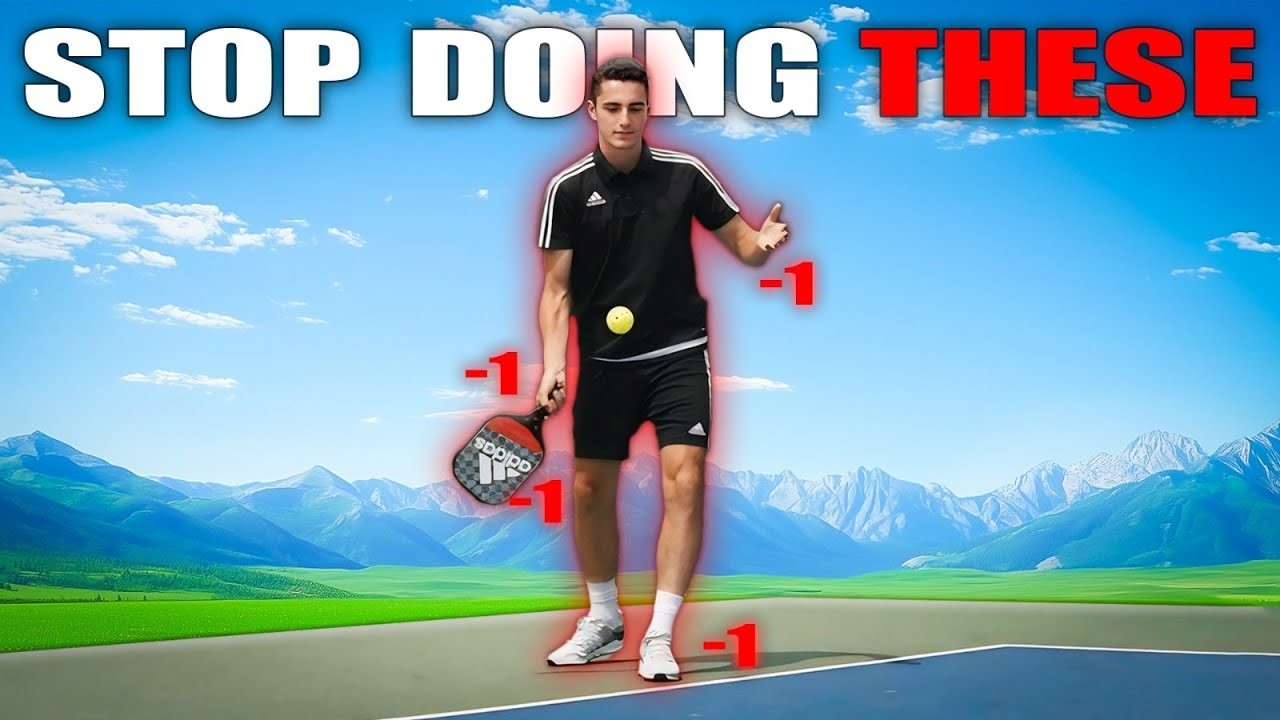
So Why Am I Losing Every Pickleball Game? The Short Answer
The short version: one, maybe two, of six specific habits are quietly costing you points every single match.
Reactive shot selection, a shaky third shot, weak kitchen positioning, a throwaway serve and return, no doubles plan, or simply not tracking your own numbers.
None of those are talent problems.
All of them are fixable in a single practice session if you're honest about which one applies to you, and tracking your DUPR movement over your next several matches is the easiest way to confirm the fix is actually working.
Pick one. Drill it. Then watch your record actually start to turn.
What Is a Putaway Shot in Pickleball: 3 Shots You Need
Whether you’re struggling with overheads, high forehands, or swinging volleys, understanding the mechanics behind each shot can transform how you attack the ball.
 The Dink PickleballThe Dink Media Team
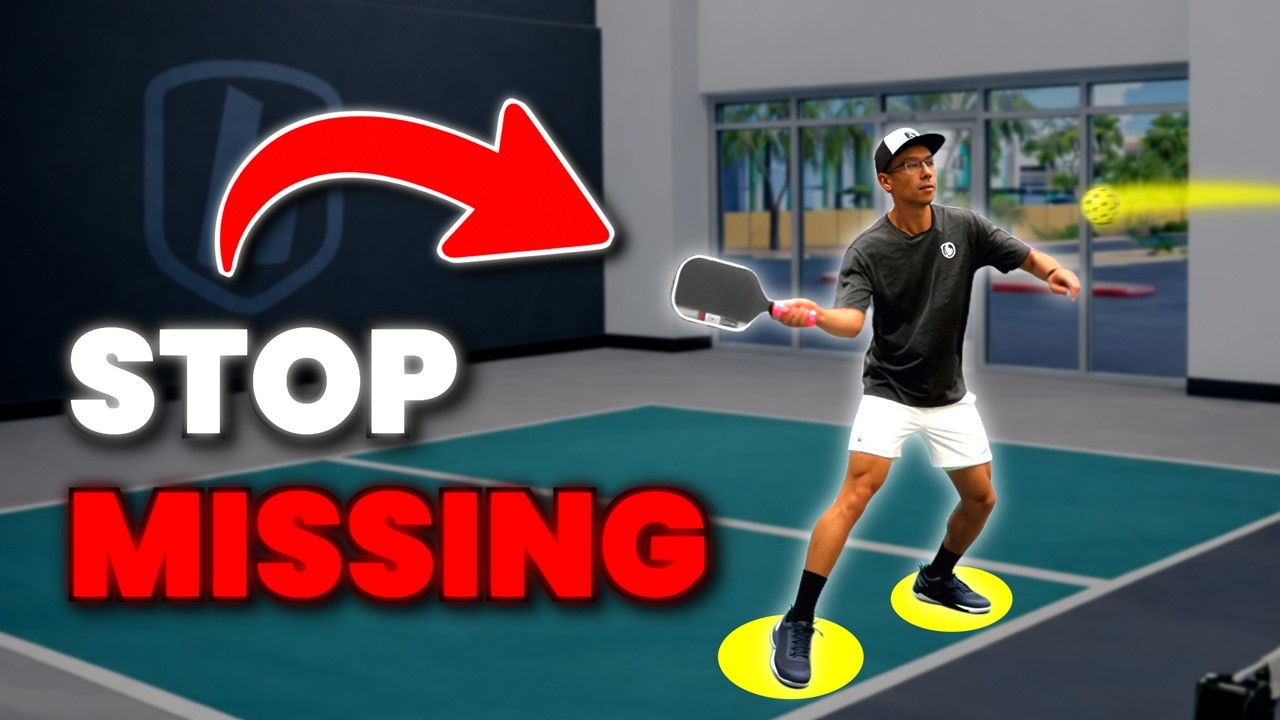
Key Takeaways
- Losing streaks almost always trace back to one of six repeatable habits, not raw talent or bad luck.
- Reactive shot selection and rushed third shots give away free points before rallies even develop.
- Kitchen line positioning and dinking patience separate players who climb DUPR brackets from players who stall out.
- Serve and return decisions set up (or sabotage) every point that follows.
- Doubles communication gaps cost more matches than any single skill gap on the court.
- Tracking your actual data, not your gut feeling, is the fastest way to find your real leak.
Here's the thing about a losing streak: it feels random in the moment and looks completely predictable once you watch the tape back, especially on the shaky backhand you keep avoiding.
Six habits explain almost every stalled record we've seen, from 3.0 rec players to teams chasing their next DUPR jump. Let's go through them one at a time.
💡
Heads up: hundreds of thousands of pickleballers read our free newsletter.
Subscribe herefor cutting edge strategy, insider news, pro analysis, the latest product innovations and more.
Frequently Asked Questions
Why am I losing every pickleball game even though I'm getting better at drills?
Drilling improves mechanics, but matches expose decision-making under pressure, which is a different skill entirely. If you're not tracking unforced errors and shot selection during real games, your drill improvements won't show up on the scoreboard right away. Even something as specific as reading when to throw up a lob only sharpens under real match pressure. Give it three to five matches of honest tracking before assuming the drills aren't working.
What Should I Fix First If I'm Asking Why Am I Losing Every Pickleball Game?
Start with the third shot drop and kitchen line positioning, since they cause the most repeatable losses across every skill level. A weak or high drop hands your opponents an easy attack before your team even reaches the non-volley zone. Fixing that single shot, along with tightening your serve positioning near the kitchen, tends to produce the fastest visible improvement in win rate.
How long does it take to stop losing every pickleball game?
Most players who track their errors and drill their single biggest leak see a measurable shift within two to four weeks of consistent play. The timeline depends more on how honestly you diagnose the actual problem, and on building the right mindset around the grind, than on raw hours logged. Guessing at the fix instead of tracking data usually doubles that timeline.
Should I change partners if I keep losing in doubles?
Not immediately. Most doubles losses trace back to communication and coverage habits rather than a genuine skill mismatch between partners. Fix the basics, like calling the ball and dividing court coverage, before assuming the partnership itself is the problem.
Does my DUPR rating actually reflect how much I'm losing?
Not directly. DUPR weighs the strength of your opponents and margin of games far more heavily than your raw win-loss record, so a string of close losses to stronger players can still nudge your rating up. If you're still wondering why i lose at pickleball even as your rating climbs, that gap is normal, and tracking your power shot consistency alongside your rating tells the fuller story. A losing streak against weaker competition is a much bigger red flag than the same streak against tougher fields.
Anuncie Aqui / Advertise Here
Sua marca para o mundo Pickleball! / Your brand for the Pickleball world!





 English (US) ·
  Portuguese (BR) ·